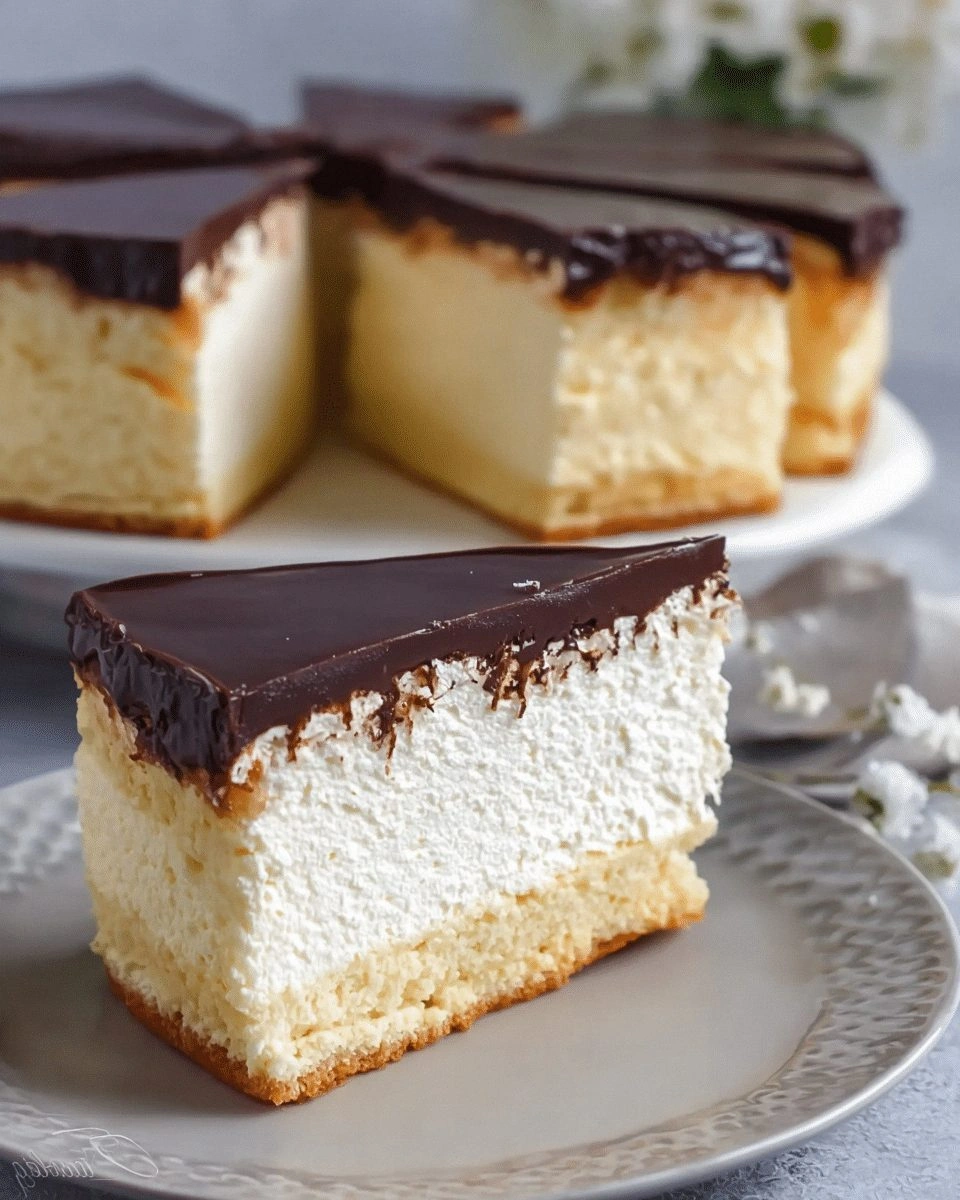
Picture this: I was standing in a cramped kitchen, the oven preheated, and the aroma of vanilla and butter already swirling around me. A friend had dared me to recreate the legendary “Bird’s Milk Cake” from the old family cookbook, insisting that every other version was a sad disappointment. I laughed, rolled up my sleeves, and set about proving that the original recipe was indeed the pinnacle of cake perfection. That moment of disbelief turned into a culinary revelation, and now I’m here to share every trick, nuance, and secret that makes this cake a true masterpiece.
The first bite is a symphony—fluffy, buttery, and edged with a faint caramelized sweetness that lingers like a warm hug. The crumb is moist yet airy, almost like a cloud you can taste. The scent of freshly baked vanilla and butter rises from the oven like a promise of comfort. The texture melts in your mouth, leaving behind a subtle hint of nutty flour. The finish is sweet, not cloying, with a gentle, lingering aftertaste that makes you reach for a second slice.
What sets this version apart is that it stays true to the original while introducing a few modern twists that elevate flavor and texture. I’ve refined the batter’s ratio, added a splash of lemon zest for brightness, and used a combination of whole milk and a touch of sour cream to lock in moisture. The result is a cake that rises beautifully, keeps its softness, and offers a subtle tang that balances the sweetness. It’s the kind of cake that turns a simple brunch into a memorable event.
And here’s the kicker: I discovered that a tiny amount of espresso powder in the batter deepens the flavor profile without making the cake taste like coffee. That’s the unexpected ingredient that will change how you think about this classic. Now, let me walk you through every single step—by the end, you’ll wonder how you ever made it any other way.
What Makes This Version Stand Out
- Flavor: A balanced sweetness that isn’t overpowering, thanks to the precise sugar-to-flour ratio and a touch of lemon zest.
- Texture: A moist crumb that feels light as a feather yet holds structure, achieved by combining whole milk with sour cream.
- Simplicity: No complicated techniques—just whisk, fold, bake, and enjoy.
- Uniqueness: The subtle espresso infusion adds depth without turning the cake into a coffee dessert.
- Crowd Reaction: Guests keep asking for the recipe after the first bite, and the cake stays fresh for days.
- Ingredient Quality: Fresh, unsalted butter and high‑grade vanilla make all the difference.
- Cooking Method: Even a beginner can achieve a professional result with the step‑by‑step guidance.
- Make‑Ahead Potential: The batter can be prepared up to 24 hours ahead, and the cake keeps well in the fridge.
Alright, let's break down exactly what goes into this masterpiece…
Inside the Ingredient List
The Flavor Base
All-purpose flour and granulated sugar form the backbone of the cake, providing structure and sweetness. The flour’s protein content ensures a tender crumb, while the sugar caramelizes slightly during baking, adding a subtle depth. Skipping flour would turn the cake into a sticky mess; skipping sugar would leave it bland. If you prefer a healthier option, you can substitute half the sugar with honey, but be aware the batter will be slightly denser.
The Texture Crew
Unsalted butter, whole milk, and a splash of sour cream work together to create that iconic moistness. The butter adds richness and a glossy finish, while the milk hydrates the flour. The sour cream introduces a mild acidity that helps tenderize the gluten, preventing a dry bite. If you’re vegan, replace butter with coconut oil and use oat milk; the texture will be slightly different but still delightful.
The Unexpected Star
Espresso powder is the secret ingredient that elevates the flavor profile. It doesn’t taste like coffee; instead, it enhances the chocolatey undertones and adds a subtle depth. Without it, the cake would taste like a plain vanilla sponge. If you don’t have espresso powder, a pinch of cocoa powder can work, but the final result will lean more toward a chocolate cake.
The Final Flourish
Vanilla extract and baking powder are the finishing touches that give the cake its aroma and lift. The vanilla’s warm, sweet scent permeates the batter, while the baking powder creates the necessary lift for a fluffy rise. If you’re sensitive to dairy, a dairy‑free vanilla extract works just as well. Avoid using baking soda, as it can leave a metallic aftertaste.
Everything's prepped? Good. Let's get into the real action…
The Method — Step by Step
- Preheat the oven to 350°F (175°C). Grease a 9-inch round cake pan and line the bottom with parchment paper. This step ensures a clean release and a perfect finish. Let the pan sit while you prepare the batter.
- In a large mixing bowl, sift together 2 cups all-purpose flour, 1 cup granulated sugar, 2 teaspoons baking powder, and 1/2 teaspoon salt. Sifting removes lumps and creates a light, airy base for the batter.
- Cream 1/2 cup softened unsalted butter in a separate bowl until light and fluffy. Add 2 teaspoons vanilla extract and 2 teaspoons espresso powder, mixing until fully incorporated. The aroma of vanilla and espresso will start to build a sensory anticipation.
- Whisk 1 cup whole milk and 1/2 cup sour cream together until smooth. Slowly pour this liquid mixture into the butter mixture while stirring. The combination of dairy creates a moist, tender crumb.
- Gradually fold the dry ingredients into the wet mixture, stirring until just combined. Overmixing can develop gluten and produce a dense cake; aim for a silky batter.
- Pour the batter into the prepared pan, smoothing the top with a spatula. Tap the pan gently on the counter to release any air bubbles. The batter should look glossy and even.
- Bake for 30 minutes, or until a toothpick inserted into the center comes out clean. The top should be a golden‑brown hue and the edges should pull away slightly from the pan. If the top browns too quickly, tent it with foil.
- Remove the cake from the oven and let it cool in the pan for 10 minutes. Then transfer to a wire rack to cool completely. This resting period allows the structure to set and prevents a soggy bottom.
That's it — you did it. But hold on, I've got a few more tricks that'll take this to another level…
Insider Tricks for Flawless Results
The Temperature Rule Nobody Follows
Many bakers think room‑temperature ingredients are best, but for this cake, using slightly chilled butter and milk can actually improve the rise. The cooler fats create tiny steam pockets, giving the cake a lighter lift. I once baked with warm butter, and the cake came out denser. Keep the butter at room temperature but not melted, and the result is consistently airy.
Why Your Nose Knows Best
The aroma of a cake is a reliable indicator of doneness. When the cake is baking, you’ll notice a warm, sweet scent that’s almost like a sunrise. If the scent is too buttery, the cake isn’t done yet. Trust your nose; it’s the fastest way to avoid overbaking.
The 5-Minute Rest That Changes Everything
Letting the cake rest for 5 minutes after removing it from the oven allows the steam inside to redistribute. This prevents the cake from collapsing or becoming uneven. I’ve seen cakes that are perfectly baked but still look lumpy; that rest solves it.
The Right Pan Matters
A 9-inch round pan is ideal for this recipe. If you use a smaller pan, the cake will rise too high and risk spilling over. A larger pan will result in a thinner cake that may bake unevenly. The key is a pan that matches the batter volume.
Cooling on a Wire Rack
Cooling the cake on a wire rack allows air to circulate around the entire surface, preventing the bottom from becoming soggy. If you place it on a flat surface, the steam gets trapped, creating a moist crust that can feel heavy. This simple step keeps the cake light and airy.
Creative Twists and Variations
This recipe is a playground. Here are some of my favorite ways to switch things up:
Citrus Burst
Add zest of one lemon and 1 tablespoon of lemon juice to the batter for a bright, refreshing twist. The citrus pairs wonderfully with the espresso, adding a lively contrast.
Chocolate Layer
Fold in 1/4 cup dark chocolate chips into the batter before pouring. The chocolate melts into pockets of gooey sweetness, perfect for chocolate lovers.
Almond Crunch
Sprinkle 1/2 cup toasted almond slivers on top before baking. The almonds add a nutty crunch that complements the cake’s softness.
Maple Glaze
Drizzle a maple glaze made from 1/4 cup maple syrup and 1 tablespoon melted butter over the cooled cake. It gives a sweet, caramelized finish that’s irresistible.
Berry Compote
Serve the cake with a warm berry compote made from fresh strawberries, blueberries, and a splash of vanilla. The fruit adds a tart counterpoint to the rich cake.
Coffee Infusion
Replace vanilla with a shot of espresso and add 2 teaspoons of instant coffee powder for a coffee‑cake hybrid that’s perfect for brunch.
Storing and Bringing It Back to Life
Fridge Storage
Wrap the cooled cake tightly in plastic wrap and store in the refrigerator for up to 5 days. The moisture from the wrap prevents the cake from drying out. Before serving, let it sit at room temperature for 15 minutes to restore softness.
Freezer Friendly
Slice the cake into individual portions, wrap each slice in parchment paper, and place them in a freezer bag. Freeze for up to 3 months. Thaw overnight in the fridge, then allow to reach room temperature before serving.
Best Reheating Method
To reheat a slice, place it on a microwave-safe plate, drizzle a tiny splash of water, and microwave on medium for 20–25 seconds. The water creates steam, restoring the cake’s moistness without drying it out. Finish with a light dusting of powdered sugar.