Picture this: it’s a lazy Sunday morning, the kind where the sun is still yawning behind the curtains and the house smells faintly of last night’s pizza crust lingering in the kitchen. I was half‑asleep, scrolling through a mountain of bland breakfast ideas, when my roommate tossed me a dare – “Make a pizza that can replace brunch, lunch, and dinner.” I laughed, I rolled my eyes, and I whispered to the ceiling, “Challenge accepted.” The result? A breakfast pizza that makes the ordinary avocado toast feel like a side dish at a five‑star hotel.
The moment I pulled the first slice from the oven, the kitchen erupted in a chorus of sizzling, the crust crackling like fireworks on New Year’s Eve, while the kale pesto glistened with a buttery sheen that could coax a smile from even the grumpiest early‑bird. The aroma was an orchestra of toasted dough, earthy greens, and the sweet tang of sun‑dried tomatoes, all wrapped together in a warm, inviting hug. My taste buds were doing a happy dance, the crunchy crust giving way to a silky, herb‑laden sauce that clung to every bite like a velvet cloak.
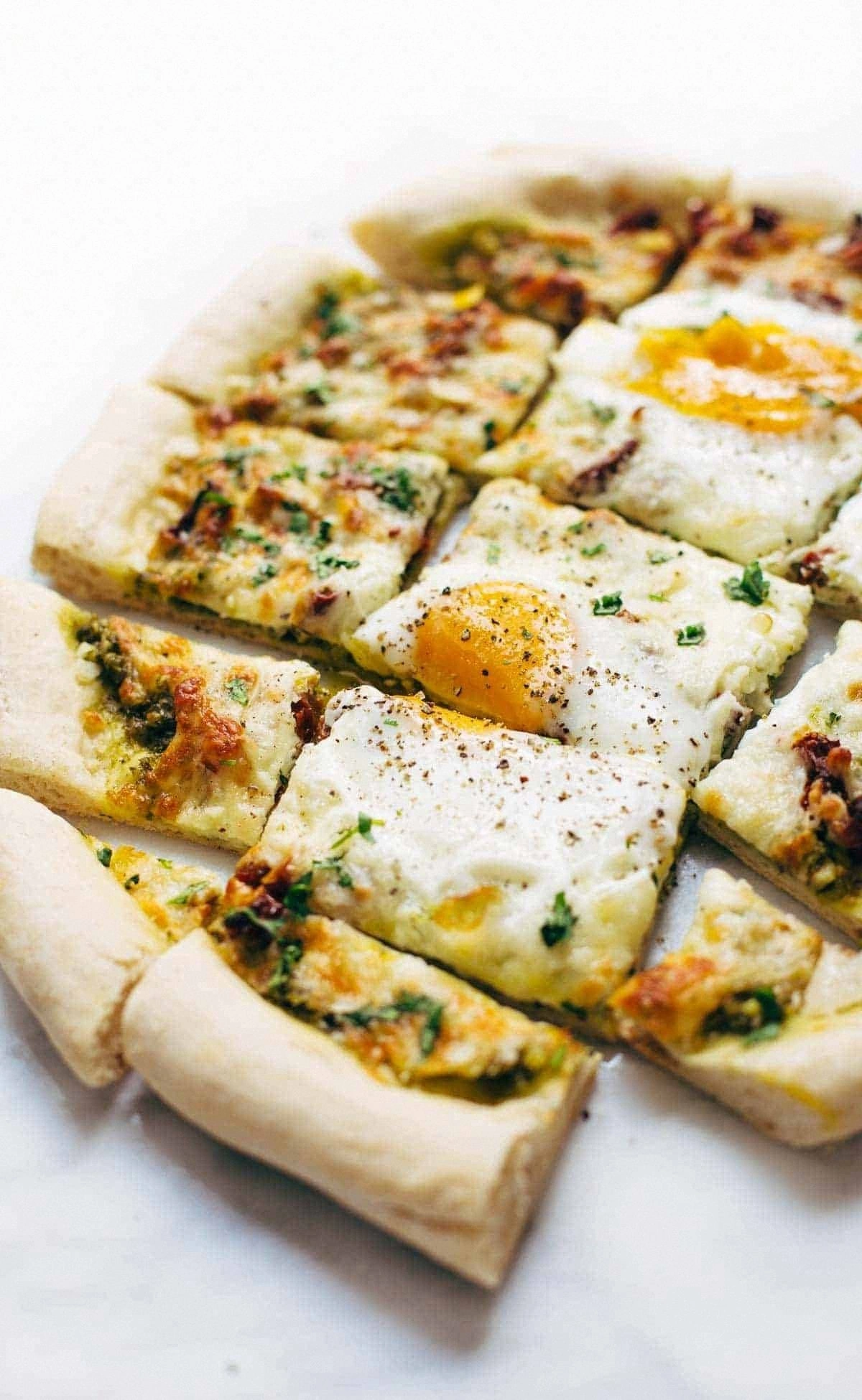
Most breakfast pizzas out there either drown you in cheese or skimp on flavor, leaving you with a soggy mess that could double as a paperweight. This version flips the script: I’m using a vibrant kale pesto that’s bright, slightly peppery, and packed with nutrients, paired with sun‑dried tomatoes that add a concentrated burst of umami. The crowning glory is a perfectly set egg, its yolk a golden river that runs through the slice, turning each bite into a luxurious, breakfast‑meets‑lunch experience.
And here’s the secret weapon you didn’t see coming: a splash of lemon juice in the pesto that lifts the kale’s earthiness and a sprinkle of toasted pine nuts that introduce a buttery crunch you’ll swear is impossible on a pizza. I dare you to taste this and not go back for seconds. Let me walk you through every single step — by the end, you’ll wonder how you ever made it any other way.
What Makes This Version Stand Out
- Flavor Explosion: The kale pesto is a green powerhouse, blending pine nuts, Parmesan, and a hint of lemon for a zing that cuts through the richness of cheese and egg.
- Texture Symphony: A crisp, airy crust meets a creamy pesto, while the pine nuts add a surprise crunch that makes each bite unforgettable.
- Simplicity Redefined: All the components can be prepped in under 15 minutes, and the dough rises while you whip the pesto – multitasking at its finest.
- Unique Ingredient Pairing: Sun‑dried tomatoes bring a sweet‑savory depth that most breakfast pizzas overlook, creating a flavor bridge between morning and dinner.
- Crowd‑Pleaser Factor: Whether you’re feeding kids or impressing brunch‑savvy friends, this pizza sparks conversation and repeat requests.
- Quality First: Fresh kale and high‑quality olive oil elevate the pesto from “just another sauce” to a star ingredient.
- Cooking Method Magic: Baking on a pre‑heated pizza stone guarantees a blistered crust that rivals any pizzeria’s.
- Make‑Ahead Potential: The dough and pesto can be prepared a day ahead, letting you assemble and bake fresh when the cravings hit.
Alright, let's break down exactly what goes into this masterpiece...
Inside the Ingredient List
The Flavor Base
Kale leaves, washed and stripped of their tough stems, are the backbone of our pesto. Their robust, slightly bitter flavor balances the richness of cheese and the savory notes of sun‑dried tomatoes. If you skip kale, the pesto loses its earthy depth and becomes a bland herb paste. For a milder version, try a mix of kale and baby spinach, but expect a softer flavor profile. Pro tip: Choose curly kale for a more tender bite, but if you love a bit of chew, go for Lacinato (dinosaur) kale.
Basil adds a fresh, aromatic lift that cuts through kale’s earthiness. Fresh leaves are essential – dried basil would turn the pesto into a dusty green paste. If basil isn’t in season, substitute with a handful of fresh parsley and a dash of mint for an unexpected garden‑fresh twist.
The Texture Crew
Pine nuts are the secret crunch that makes the pesto feel luxurious. Their buttery essence also mellows kale’s bitterness, creating a harmonious mouthfeel. You can swap pine nuts for toasted walnuts or almonds if you’re on a budget, but the flavor will shift toward nuttier and less sweet. Toast them lightly in a dry skillet until golden; this step releases their oils and prevents a raw, bitter bite.
Parmesan cheese brings salty umami and a creamy melt that binds the pesto together. Freshly grated is non‑negotiable – pre‑grated versions contain anti‑caking agents that can make the sauce gritty. If you’re dairy‑free, try a vegan Parmesan made from cashews and nutritional yeast, though the texture will be slightly grainier.
The Unexpected Star
Sun‑dried tomatoes, packed in oil, add a concentrated sweetness that brightens the green pesto. Their chewy texture contrasts beautifully with the crisp crust and soft egg. If you omit them, the pizza loses that sweet‑savory pop, making the flavor profile one‑dimensional. For a twist, substitute with roasted red peppers or a spoonful of fig jam for a sweet‑spicy combo.
Extra‑virgin olive oil is the liquid gold that carries the flavors, giving the pesto its glossy finish. A drizzle of lemon juice (about a tablespoon) lifts the greens, preventing the pesto from tasting flat. Skipping the lemon means a heavier, more bitter sauce – not what we’re aiming for.
The Final Flourish
The crust is a simple dough made from all‑purpose flour, warm water, yeast, sugar, salt, and a splash of olive oil. This combination yields a light, airy base that can hold the generous toppings without sagging. If you’re a gluten‑free champion, substitute the flour with a blend of rice flour, tapioca starch, and xanthan gum, but expect a slightly denser crumb.
Eggs are the crowning jewel – a runny yolk that oozes over the pesto is the ultimate breakfast indulgence. Crack one egg per quarter of the pizza, ensuring the whites set while the yolk stays luscious. If you prefer fully cooked yolks, bake an extra five minutes, but you’ll miss the golden river that makes this dish legendary.
Shredded mozzarella offers that melty, gooey stretch we all love. Its mild flavor lets the kale pesto shine. For extra depth, blend in a handful of smoked mozzarella or a sprinkle of feta for a tangy bite.
Everything’s prepped? Good. Let’s get into the real action…
The Method — Step by Step
First, awaken your dough. In a large bowl, combine 2 cups flour, 1 tsp sugar, 1 tsp salt, and 1 tsp active dry yeast. Add 3/4 cup warm water (about 110°F) and 1 tbsp olive oil, then stir until a shaggy ball forms. That sizzle when the yeast meets warm water? Absolute perfection. Knead for 6‑8 minutes until the dough is smooth and elastic – think of it as giving the dough a mini‑massage. Cover with a damp towel and let it rise in a warm spot for 45 minutes, or until doubled in size.
Kitchen Hack: Place the bowl in a turned‑off oven with a pan of hot water on the rack – the gentle steam speeds up the rise without over‑proofing.While the dough is doing its thing, assemble the kale pesto. Toss 2 cups chopped kale, 1 cup basil, 2 cloves minced garlic, 1/3 cup pine nuts, and 1/2 cup grated Parmesan into a food processor. Pulse until coarsely chopped, then drizzle in 1/4 cup olive oil while the blades run. Add the juice of half a lemon, a pinch of salt, and a grind of black pepper. Process until the mixture becomes a smooth, emerald‑green sauce that coats the back of a spoon. The aroma should be bright, herbaceous, and slightly nutty – that’s your cue to stop.
Preheat your oven to a roaring 475°F (245°C) and, if you have one, slide a pizza stone onto the middle rack. Let the stone heat for at least 20 minutes; this is the secret to a blistered, restaurant‑style crust. If you don’t own a stone, a heavy‑duty baking sheet turned upside down works in a pinch.
Watch Out: Opening the oven too often drops the temperature, resulting in a soggy base. Keep the door shut until the final minute of baking.Once the dough has risen, punch it down gently and turn it out onto a lightly floured surface. Divide it into two equal portions for two 12‑inch pizzas. Using your hands, stretch each portion into a thin circle, leaving a slightly thicker rim for the crust. If the dough resists, let it rest for 5 minutes – gluten will relax and make stretching easier.
Transfer the stretched dough onto a parchment‑lined pizza peel (or the back of a baking sheet). Spread a generous layer of kale pesto, about 1/3 cup per pizza, using the back of a spoon. The sauce should be a thin, even blanket that doesn’t pool at the edges. This is the canvas; make sure every bite gets a coating of green goodness.
Scatter 1/2 cup chopped sun‑dried tomatoes across the pesto, followed by 1 cup shredded mozzarella, and a light drizzle of olive oil. The cheese should melt into a golden blanket, while the tomatoes add speckles of ruby color. At this point, I like to sprinkle a pinch of flaky sea salt – it amplifies the pesto’s flavor.
Now, the star of the show: crack four large eggs, one onto each quarter of the pizza. Gently nudge the whites so they spread a little, but keep the yolks centered. The goal is a set white and a runny yolk that will burst when you cut into it. This step is pure magic; the yolk becomes a golden sauce that mingles with the pesto.
Kitchen Hack: Use a tiny ring mold (like a cookie cutter) around each egg to keep the whites from spreading too far, ensuring a tidy, professional look.Slide the pizza onto the preheated stone and bake for 12‑15 minutes, or until the crust is golden‑brown, the cheese is bubbling, and the egg whites are set but the yolks still jiggle. Keep an eye on the edges – they should start pulling away from the parchment, signaling a perfect lift.
When the timer dings, pull the pizza out with a swift, confident motion. Let it rest for two minutes; this lets the cheese settle and the yolk thicken just enough to coat the slice without running off the board. Finish with a final drizzle of olive oil, a sprinkle of fresh cracked pepper, and if you’re feeling fancy, a handful of toasted pine nuts for extra crunch.
Slice, serve, and watch the smiles spread. That moment when the yolk breaks and mixes with the pesto? Pure bliss. That’s it — you did it. But hold on, I've got a few more tricks that'll take this to another level...
Insider Tricks for Flawless Results
The Temperature Rule Nobody Follows
Most home cooks bake pizza at 425°F, thinking hotter is better. In reality, a blistering 475°F creates those coveted “leopard spots” on the crust. The high heat forces the dough’s outer layer to caramelize quickly while the interior stays airy. If you don’t have a stone, preheat a heavy cast‑iron skillet on the stovetop for 5 minutes, then slide the pizza onto it and finish in the oven. This mimics the stone’s heat retention.
Why Your Nose Knows Best
Don’t rely on a timer alone – trust your nose. When the crust starts to emit a nutty, toasted scent, you’re moments away from perfection. The pesto will release a fragrant basil‑kale perfume as the cheese melts. If the kitchen smells like burnt toast, pull it out immediately; the crust can go from perfect to charred in seconds.
The 5‑Minute Rest That Changes Everything
After baking, let the pizza rest for exactly five minutes before slicing. This short pause lets the cheese firm up slightly, preventing it from sliding off when you cut. It also allows the yolk to thicken just enough to cling to the pesto, creating a luxurious sauce that doesn’t pool on the plate.
Egg Placement Precision
A common mistake is cracking the eggs directly onto the center where the crust is thinnest, causing the whites to spread too far. Instead, create a small well in the mozzarella and gently nestle the egg there. This keeps the whites contained and the yolk centered, ensuring an even bake.
Seasoning at the End
Finishing salts, like flaky Maldon or a pinch of smoked sea salt, should be added after baking, not before. Heat dulls their delicate crystals, and you lose that satisfying crunch. A dash of smoked salt adds a subtle depth that mirrors the nutty crust.
Pan‑Sear the Crust for Extra Crunch
If you love a super‑crunchy base, give the dough a quick 30‑second sear on a hot skillet with a drizzle of oil before adding the pesto. The direct contact creates a micro‑crust that stays crispy even after the pizza sits for a few minutes. I’ve tried it, and the texture contrast is mind‑blowing.
Creative Twists and Variations
This recipe is a playground. Here are some of my favorite ways to switch things up:
Spicy Sunrise
Add a pinch of red‑pepper flakes to the pesto and drizzle sriracha over the finished slice. The heat cuts through the richness of the egg and cheese, giving you a breakfast that wakes you up better than coffee.
Smoky Bacon Boost
Scatter crisp‑cooked bacon bits over the mozzarella before baking. The smoky crunch pairs wonderfully with the earthy kale, turning the pizza into a hearty brunch centerpiece.
Vegan Victory
Swap the eggs for tofu scramble, use vegan mozzarella, and replace Parmesan with nutritional yeast. The pesto stays the same, proving that you don’t need dairy to achieve that luxurious mouthfeel.
Herb‑Infused Crust
Incorporate dried oregano and rosemary into the dough for an aromatic base. The herb‑scented crust adds another layer of flavor that complements the green pesto beautifully.
Sweet & Savory Fusion
Top the pizza with thin slices of pear and a drizzle of honey after baking. The natural sweetness balances the bitterness of kale, and the honey adds a glossy finish that looks as good as it tastes.
Storing and Bringing It Back to Life
Fridge Storage
Allow the pizza to cool completely, then slice and store in an airtight container. It will keep fresh for up to three days. When you’re ready to eat, reheat in a skillet over medium heat for four minutes, covering the pan with a lid to trap steam.
Freezer Friendly
Freeze the baked crust without toppings for up to two months. Wrap tightly in foil, then place in a freezer bag. When you’re ready, bake the crust for five minutes at 425°F, add fresh pesto, cheese, and egg, and finish baking as usual.
Best Reheating Method
For the ultimate reheated slice, preheat a cast‑iron pan, add a splash of water (just a teaspoon), and cover with a lid. The steam revives the crust’s crunch while the water prevents the cheese from drying out. The result is a slice that tastes almost as fresh as the original.