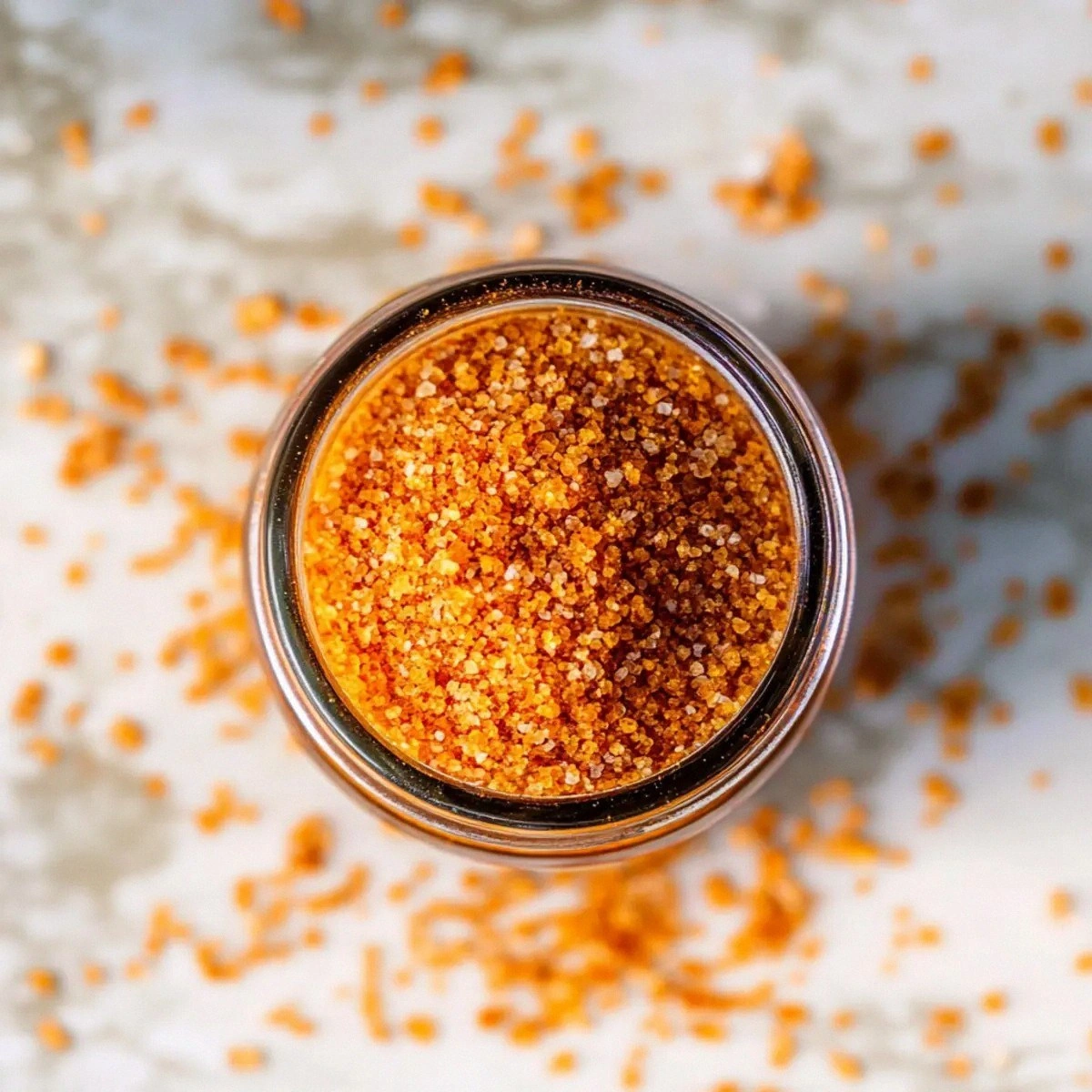
I still remember the first time I burned butter—like, really burned it. The kitchen smelled like a campfire gone rogue, and I was ready to toss the whole pan out the window. But then something magical happened: the nutty, toasty aroma crept back in, sweet and warm like roasted hazelnuts doing a slow dance with caramel. That was the night this Brown Butter Butternut Squash & Sage Orzo was born, half by accident, half by stubborn refusal to waste dinner. I had friends coming over, a lumpy squash on the counter, and a packet of orzo I’d impulse-bought because the shape reminded me of tiny rice grains wearing tuxedos. Thirty minutes later we were all hunched over the stove, scraping the bottom of the pot like it held state secrets, and I knew I’d stumbled onto the ultimate fall comfort dish.
Fast-forward a few seasons and I’m still obsessed. The way the brown butter coats each grain of pasta like liquid velvet, the squash cubes collapsing into silky pockets of sweetness, the sage frizzling into forest-green confetti—honestly, it’s hard not to break into applause every time the skillet hits the table. If you’ve ever struggled with watery squash, mushy pasta, or bland one-pot dinners, you’re not alone—and I’ve got the fix. This version fixes every mistake I’ve made (and I’ve made them all) while keeping the process relaxed enough for a Tuesday night when you’d rather be binge-watching murder mysteries.
Picture yourself pulling this out of the oven, the whole kitchen smelling like a Parisian nut shop married an autumn farmers’ market. The butter solids have turned chestnut brown, the sage crackles like tiny firecrackers, and the squash edges caramelize into chewy candy-like bites that somehow still taste like vegetables. My neighbor once walked in mid-bite and accused me of hiding a Michelin-starred chef in my pantry. Nope—just a single skillet, a handful of pantry staples, and one game-changing technique that most recipes completely skip.
Stay with me here—this is worth it. Let me walk you through every single step—by the end, you’ll wonder how you ever made it any other way.
What Makes This Version Stand Out
Depth Overload: We brown the butter past the polite “nutty” stage into full-on hazelnut territory, then let the squash caramelize in those toasted milk solids. The result is layers of flavor—butterscotch, roasted nuts, faint caramel—that you simply can’t get from plain olive oil or quick sauté methods.
Texture Playground: Instead of dissolving into baby food, the squash keeps its shape but turns spoon-tender, while the orzo drinks up the sauce and releases starch to create a naturally creamy coating. Think risotto vibes without twenty minutes of stirring armageddon.
One-Pot Wonder: Everything happens in the same skillet, even the final simmer. Fewer dishes equal more Netflix, and the pasta absorbs flavor directly from the browned bits on the bottom—liquid gold you’d lose if you transferred pans.
Five-Ingredient Magic: Not counting salt and pepper, you’re looking at squash, pasta, butter, sage, and broth. No fancy cream, no obscure spices—just humble staples behaving outrageously well together.
Show-Stopper Speed: Thirty-five minutes from zero to hero, including peeling that knobby squash. I’ve timed it while simultaneously refereeing a dog and a toddler; if I can nail it, you absolutely will.
Make-Ahead Friendly: It reheats like a dream, travels to potlucks without complaint, and even tastes stellar at room temperature when the picnic table is full. Most casseroles dry out; this one keeps its mojo.
Inside the Ingredient List
The Flavor Base
European-style butter clocks in at 82 percent fat, giving you more milk solids to brown and more flavor per pat. If all you have is standard grocery butter, don’t panic—just keep the heat moderate and let it go a shade darker. The water content is higher, but the nutty payoff is still worth the detour. Whatever you do, skip anything labeled “spread” or “light”; we need real fat for real flavor, and margarine will just sulk in the corner.
Fresh sage is non-negotiable. Dried tastes like dusty potpourri and will ruin the party. Look for leaves that are velvety green, not black-tipped or slimy. Store any extras wrapped in damp paper towel inside a zip bag; they’ll last two weeks and make breakfast sausages feel fancy.
The Texture Crew
Orzo looks like rice, but it’s pasta—so it cooks fast and releases starch, naturally thickening the sauce. Buy the good stuff from Italy if you can spot it; the bronze-cut surface grabs flavor like Velcro. Whole-wheat versions work, though they’ll turn the dish earthier. Gluten-free rice-based orzo is surprisingly tasty here, so celiac friends can still join the fun.
Butternut squash should feel heavy for its size, with matte, peachy-beige skin. Shiny spots signal it was picked too early and may taste starchy instead of sweet. A gentle knock should sound hollow, like you’re thumping a ripe watermelon. If the neck is long and the bulb small, you get more flesh and less seed cavity—aka better value.
The Unexpected Star
Low-sodium chicken broth is my go-to, but imagine vegetable broth laced with a splash of dry white wine for depth. Stay away from bouillon cubes heavy in turmeric; they’ll dye the whole pot radioactive yellow and fight the delicate squash hue. Homemade stock makes the dish taste like you spent hours braising chickens, even though the total cook time is still under forty minutes.
The Final Flourish
A quick snow of grated Parmesan melts into the hot pasta and tightens the sauce. Vegetarian Parmesan (made with microbial rennet) is available if you’re keeping things meat-free. Skip the pre-grated shaker can—it’s coated with cellulose and refuses to melt smoothly. If you’re dairy-light, a spoon of white miso whisked into the broth delivers umami sparkle without cheese.

The Method — Step by Step
- Start by peeling and cubing the butternut squash. A sharp Y-peeler makes quick work of the skin; trim both ends so it stands flat, then slice neck from bulb. Halve each section, scoop seeds with a spoon, and cut into ½-inch pieces. Keep them rustic—no need for ruler precision, just aim for similar thickness so they cook evenly. You want about four cups total, but if you end up with five, nobody complains.
- Place a large, heavy skillet (stainless or enameled cast iron) over medium heat and add the butter. Swirl occasionally; it will foam, subside, then start browning. The trick is patience—once the milk solids turn hazelnut brown and the aroma hits you like warm toffee, pull the pan off heat for five seconds to slow the cooking. This is the moment of truth; blink and you’ll have blackened butter that tastes like burnt popcorn.
- Add the squash back to the pan and return to medium heat. Spread into one layer and resist the urge to flip for three full minutes. Those undisturbed cubes develop chestnut edges that taste like candy. When you finally stir, the browned butter will coat each piece like edible bronze paint. Listen for gentle sizzling; if it’s loud, lower heat—you want caramelization, not scorching.
- Strip sage leaves from stems and drop them into the hot butter. They’ll crisp in under thirty seconds, curling like tiny green scrolls. The pan will sputter—stand back, but don’t panic. That sizzle when it hits the pan? Absolute perfection. Use tongs to transfer half the sage to a paper towel for garnish; leave the rest to party with the squash.
- Pour in the orzo and stir until every grain glistens with brown-butter love. Toast for two minutes, stirring constantly; the pasta should smell like buttery popcorn and take on faint golden freckles. Toasting prevents the orzo from turning gummy later, a step most recipes skip and regret.
- Deglaze with a splash of broth, scraping the bottom with a wooden spoon to lift those caramelized bits. Add remaining broth, a hefty pinch of salt, and bring to a gentle boil. Reduce heat to low, cover, and simmer twelve minutes. The liquid should just bubble; think jacuzzi, not tsunami. Peek once halfway, give a quick stir to prevent sticking, then clamp that lid back on.
- Test doneness by tasting an orzo grain. It should be al dente with a tiny white pin-dot center. If the broth evaporated too fast, splash in a quarter cup of hot water and cook two minutes more. When ready, most liquid will be absorbed but the mixture will still look saucy. Off heat, fold in grated Parmesan and cracked black pepper. The cheese melts into the residual broth, turning everything glossy and cohesive.
- Let the pan rest five minutes—yes, you can wait—to let starches settle and flavors marry. Scatter the reserved crispy sage on top, add an extra shaving of Parm if you’re feeling decadent, and serve straight from the skillet. I dare you to taste this and not go back for seconds.
That’s it—you did it. But hold on, I’ve got a few more tricks that’ll take this to another level...
Insider Tricks for Flawless Results
The Temperature Rule Nobody Follows
Medium means medium, not macho-high. Brown butter goes from nutty to nightmare in a heartbeat, and squash needs steady heat to caramelize instead of steaming. If you’re nervous, keep a small saucer nearby; you can slide the pan off the burner instantly to slow the cooking. A friend tried cranking the dial to “speed things up” once—let’s just say it didn’t end well, and her smoke alarm still hasn’t forgiven her.
Why Your Nose Knows Best
Trust the aroma timeline: melting butter smells creamy, foaming smells like warm milk, browning smells like toasted nuts, burning smells like bitter coffee. When you hit the nutty stage, count to twenty, then add the squash immediately. This tiny mental timer prevents 90 percent of butter mishaps and makes you look like a culinary clairvoyant.
The 5-Minute Rest That Changes Everything
After cooking, resist the Instagram urge to scoop and serve. Letting the skillet sit, covered, off heat allows the orzo to absorb just enough remaining liquid. The sauce thickens, the squash settles, and you avoid the dreaded pasta soup puddle. Bonus: you can set the table or pour wine without worrying about overcooking.
Creative Twists and Variations
This recipe is a playground. Here are some of my favorite ways to switch things up:
Smoky Bacon & Butternut
Render two strips of chopped bacon in the skillet first, then use the fat plus butter for browning. The smoky pork mingles with the sweet squash like they were born to tango. Finish with maple-glazed pecans for crunch and a drizzle of hot honey for sweet heat. It’s breakfast-for-dinner, but make it classy.
Mushroom & Thyme Forest Remix
Swap half the squash for cremini mushrooms sliced thick. Brown them first until the edges look like grilled steak, then proceed with the butter. Fresh thyme subs for sage, and a splash of sherry in the deglaze adds woodsy depth. You’ll swear you’re eating in a log cabin even if you’re in a studio apartment.
Spicy Maple Vegan Edition
Use vegan butter and skip the Parmesan. Whisk two tablespoons of white miso into the broth for umami, then finish with a tablespoon of maple syrup and a pinch of cayenne. The sweet-heat combo makes the squash taste like candied yams at a hipster Thanksgiving.
Coastal Shrimp & Lemon
Add peeled shrimp during the last four minutes of simmer—they turn pink and briny, lightening the autumn vibe. A handful of baby spinach wilts in at the end for color, and lemon zest replaces sage. Suddenly you’re seaside in Sicily, no passport required.
Storing and Bringing It Back to Life
Fridge Storage
Cool completely, then spoon into airtight glass containers. It keeps four days without textural meltdown, though the sage will darken. Press a small piece of parchment directly onto the surface to lock out fridge odors. When reheating, add a splash of broth or water; the pasta drinks liquid like a camel and dries out faster than gossip spreads.
Freezer Friendly
Portion into freezer bags, squeeze out air, and lay flat for space-saving bricks. Freeze up to two months. Thaw overnight in the fridge, then warm gently with a splash of broth. The squash may break down slightly, but the flavor stays stellar. Pro tip: label the bag—mystery orange blobs are nobody’s friend.
Best Reheating Method
Skillet, low heat, lid on. Microwave works in a pinch, but the sage stays crispier if you revive it on the stove. Add a tiny splash of water before reheating—it steams back to perfection and keeps the orzo from turning into pebbles. Stir once halfway; patience equals fluffy, not gummy.