I was staring at a stack of expired canned tomatoes and a bag of frozen sausage when my roommate shouted, “You’re going to make a mess of the kitchen if you don’t start cooking something that actually tastes good!” The kitchen was a chaotic mess of sizzling pans, the faint scent of burnt garlic, and a chorus of clattering utensils. I rolled my eyes, grabbed the Cajun sausage that had been sitting in the fridge for a week, and decided it was time to turn this culinary disaster into a triumph. The moment the sausage hit the hot skillet, the sizzle was unmistakable—like a drumroll announcing the start of a symphony. The aroma that followed was a heady mix of smoked paprika, fresh peppers, and a hint of citrus, turning the air into an irresistible invitation.
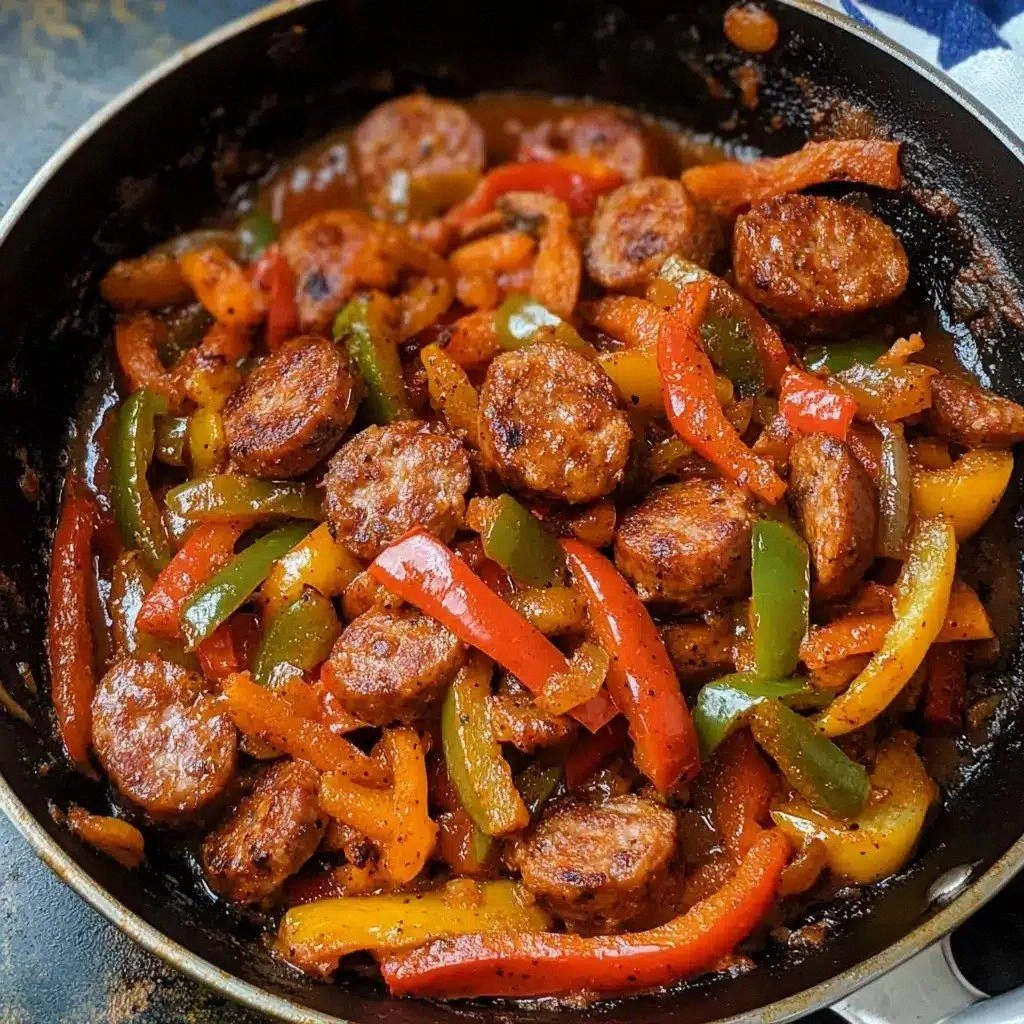
Picture this: a skillet glistening with a golden-brown coating of sausage, the bell peppers adding a pop of color that looks almost too good to eat, and the onions releasing a caramelized sweetness that lingers in the room. The sound of the peppers sizzling as they hit the pan is a soundtrack that promises flavor, the crackle echoing like applause for a performance about to begin. The first bite is a burst of spicy heat balanced by the gentle sweetness of the peppers, a dance of textures that feels like a well‑executed choreography. I dare you to taste this and not go back for seconds; the combination of heat and freshness will have you reaching for more before you even realize you’re done. The best part? It’s not just a dish—it’s a statement that you can create something extraordinary with simple ingredients.
What makes this version stand out from every other recipe you’ve tried is the deliberate layering of flavors and the use of fresh, high‑quality sausage that carries its own seasoning profile. I’ve experimented with different cuts and brands, and the difference in taste is palpable. The peppers are cut just thick enough to hold their shape while still yielding a tender bite, and the onions are caramelized to a soft golden hue that adds depth. The secret is in the timing: letting the sausage brown first to develop a crust, then searing the vegetables to lock in juices. The final splash of lemon juice brightens the dish, cutting through the richness and leaving a clean finish that invites a second helping. By the end of this article, you’ll wonder how you ever made it any other way.
I’ve been told this is hands‑down the best version you’ll ever make at home, and I can’t help but agree. The dish is a crowd‑pleaser that works for a quick weeknight dinner or a show‑stopping meal for guests. The best part is the flexibility—swap in pasta or rice, add a splash of cream for a richer sauce, or keep it light and fresh for a summer night. If you’ve ever struggled with balancing spices or getting the right texture, you’re not alone—and I’ve got the fix. Stay with me here, because the next part? Pure magic.
I’ll be honest—when I first tried this recipe, I ate half the batch before anyone else got to try it. The flavors were too good, too bold, and the texture was so inviting that it felt like a dare to keep it to yourself. Picture yourself pulling this out of the skillet, the whole kitchen smelling incredible, and your friends lining up for a taste. That moment of triumph is what I want to share with you, step by step, so you can recreate the same magic in your own kitchen.
What Makes This Version Stand Out
- Taste: The Cajun sausage brings a smoky, peppery kick that is amplified by fresh bell peppers and a splash of lemon. This combination creates a flavor profile that is both complex and approachable, making each bite a revelation.
- Texture: The sausage is browned to a crispy edge while remaining juicy inside, the peppers stay firm yet tender, and the onions caramelize to a sweet glaze. The result is a harmony of crunch and melt that keeps the dish exciting.
- Simplicity: With only a handful of ingredients, the recipe cuts through the clutter of over‑seasoned dishes. It’s a reminder that great flavor doesn’t need a long ingredient list.
- Uniqueness: The addition of a citrus finish and the use of fresh herbs give this skillet a bright, modern twist that sets it apart from classic Cajun fare.
- Crowd Reaction: Friends who are usually skeptical about spicy food leave with a grin and a request for seconds. The dish’s boldness is tempered by its balanced seasoning, making it accessible to all palates.
- Ingredient Quality: Choosing a fresh, high‑quality sausage is key. The natural spices in the sausage reduce the need for heavy seasoning, letting the other flavors shine.
- Cooking Method: The single‑pan approach saves time and clean‑up while maximizing flavor development through caramelization and sautéing.
- Make‑Ahead Potential: The dish can be prepared ahead of time and reheated without losing texture, making it a perfect solution for busy weeknights.
Alright, let’s break down exactly what goes into this masterpiece…
Inside the Ingredient List
The Flavor Base
Cajun sausage is the heart of this dish, providing a smoky, peppery foundation that carries its own seasoning. The sausage’s fat renders into the pan, creating a rich sauce that coats the vegetables. Skipping the sausage would strip the dish of its depth; you’d be left with a simple pepper and onion medley that feels flat. If you’re in a pinch, a smoked turkey sausage can serve as a leaner alternative, though the flavor profile will shift slightly toward a milder profile.
The Texture Crew
Bell peppers, onions, and garlic are the textural backbone of this skillet. The peppers should be sliced thick enough to hold their shape, ensuring a bite that is crisp yet tender. Onions are caramelized to a golden glaze, adding sweetness that balances the heat. Garlic is minced finely to release its aroma without overwhelming the dish. If you prefer a softer texture, reduce the sauté time for the peppers.
The Unexpected Star
Olive oil is the medium that brings everything together. It prevents sticking, helps the sausage brown, and carries the spices throughout the dish. A high‑smoke point oil like avocado or grapeseed would work well for a hotter sauté, but olive oil’s fruity undertones add a subtle layer of flavor. If you’re looking to cut calories, try a light spray instead of a full tablespoon.
The Final Flourish
Lemon juice and fresh parsley finish the dish with a bright, herbaceous note that cuts through the richness. The acidity lifts the flavors, while the parsley adds a fresh green pop. A pinch of grated Parmesan can add a creamy texture and umami boost, but it’s optional. If you’re vegan, substitute a splash of nutritional yeast for a cheesy flavor.
Everything’s prepped? Good. Let’s get into the real action…
The Method — Step by Step
- Heat a large skillet over medium‑high heat. Add a tablespoon of olive oil and let it shimmer. Once the oil is hot, add the sliced sausage, arranging the pieces so they have space to brown. Cook for 3–4 minutes, flipping occasionally, until the edges are crisp and the interior is caramelized. This step is the foundation of flavor; the Maillard reaction creates a savory crust that lingers throughout the dish.
- Remove the sausage from the skillet and set it aside on a plate lined with paper towels. In the same skillet, add the sliced onions. Sauté until they become translucent and start to caramelize, about 5 minutes. The onions add a sweet backdrop that balances the heat of the sausage and peppers. If the onions start to stick, add a splash of water to deglaze.
- Add the minced garlic to the onions and cook for 30 seconds until fragrant. Be careful not to let it burn; a burnt garlic note will overpower the dish. The garlic’s aroma should mingle with the onions, creating a fragrant base that sets the stage for the rest of the ingredients.
- Introduce the sliced bell peppers to the skillet. Stir to combine with the onions and garlic. Cook for 5–7 minutes, stirring occasionally, until the peppers soften but still retain a slight bite. The peppers bring a sweet, colorful contrast that keeps the dish from feeling too heavy.
- Season the vegetables with smoked paprika, dried thyme, cayenne pepper, salt, and black pepper. Stir vigorously to coat the peppers and onions evenly. Let the spices toast for 1 minute, allowing their flavors to bloom. This is the moment of truth—if you skip the spices, the dish will feel bland.
- Return the browned sausage to the skillet, nestling it among the vegetables. Pour in one cup of chicken broth, just enough to create a light sauce that coats the ingredients. Bring the mixture to a gentle simmer, reduce the heat to medium, and let it cook for 5 minutes. The broth pulls out the savory juices from the sausage, creating a sauce that’s both flavorful and silky.
- Stir in the cooked rice or pasta, ensuring every grain is coated with the sauce. Simmer for an additional 2 minutes to allow the rice to absorb the flavors. The rice acts as a vehicle for the sauce, making the dish hearty and satisfying. If you prefer a lighter option, replace the rice with quinoa or cauliflower rice.
- Add the lemon juice and chopped parsley. Stir to distribute the bright citrus and fresh herb throughout the skillet. Taste and adjust seasoning, adding more salt or pepper if needed. The lemon brightens the dish, cutting through the richness and leaving a clean finish.
- Optional: sprinkle grated Parmesan over the top and give it a gentle toss. The Parmesan melts into the sauce, adding a creamy, umami layer that complements the Cajun spices. Serve immediately, garnished with extra parsley if desired.
That's it—you did it. But hold on, I've got a few more tricks that'll take this to another level. The next section will dive into insider tips that will elevate even the most seasoned cook.
Insider Tricks for Flawless Results
The Temperature Rule Nobody Follows
Cooking the sausage over medium‑high heat is essential for a crisp exterior, but it’s easy to over‑brown it. The trick is to let the pan heat up before adding the sausage, then lower the heat slightly once the first side is browned. This prevents the fat from rendering too quickly, which can cause the sausage to dry out. A quick test: if the sausage sizzles loudly upon contact, the heat is just right.
Why Your Nose Knows Best
Smell is a reliable indicator of doneness. When the peppers start to soften, they should release a sweet aroma that’s distinct from the raw scent. If the smell is too sharp, the dish is under‑cooked; if it’s too mild, it’s over‑cooked. Trust your nose—it’s a seasoned judge that will guide you to the perfect texture.
The 5‑Minute Rest That Changes Everything
After you remove the skillet from heat, let the dish rest for 5 minutes before serving. This pause allows the flavors to meld and the sauce to thicken slightly. The rest period also lets the residual heat finish cooking the rice or pasta, ensuring every bite is evenly heated. I’ve seen people skip this step, and the result is a dish that feels rushed and uneven.
The Secret to a Crispy Edge
If you prefer a crunchier sausage, try finishing it in the oven at 400°F for 5 minutes after sautéing. This double‑cooking method crisps the exterior while keeping the interior juicy. It’s a small extra step that makes a noticeable difference in texture.
The Right Amount of Lemon
A splash of lemon juice brightens the dish, but too much can overpower the savory elements. Start with one tablespoon and taste before adding more. The acidity should cut through the richness without dominating the flavor profile.
The Final Garnish
A handful of fresh parsley or chopped cilantro adds a burst of color and freshness that elevates the presentation. Sprinkle the herbs over the dish right before serving to maintain their bright green hue. If you’re serving a crowd, consider adding a small bowl of extra lemon wedges on the side for guests to squeeze to their taste.
Creative Twists and Variations
This recipe is a playground. Here are some of my favorite ways to switch things up:
Spicy Shrimp Version
Swap the sausage for shrimp and add a pinch of cayenne for extra heat. The shrimp’s delicate flavor pairs beautifully with the peppers, creating a lighter yet still robust dish. Serve over quinoa for a low‑carb option.
Vegan Take‑Out
Use a plant‑based sausage alternative and replace the chicken broth with vegetable stock. Add a splash of soy sauce for umami and finish with nutritional yeast. This version keeps all the flavor while being completely plant‑based.
Creamy Cajun Pasta
Stir in half a cup of heavy cream or coconut milk after adding the rice. The creamy sauce coats the pasta, creating a luxurious texture. Top with grated Parmesan for an extra layer of richness.
Roasted Pepper Variation
Roast the peppers in the oven until blistered before adding them to the skillet. The charred flavor adds depth and a smoky undertone that complements the Cajun spices. This method reduces stovetop time and adds a gourmet touch.
Breakfast Kick
Serve the skillet over a bed of scrambled eggs or folded into an omelet. The savory sausage and peppers pair wonderfully with eggs, making it a hearty breakfast or brunch. Add a dash of hot sauce for extra zing.
Low‑Sodium Delight
Use a low‑sodium chicken broth and reduce the added salt. The natural flavors of the sausage and spices will carry the dish, keeping it flavorful without the need for extra salt. This is ideal for those monitoring sodium intake.
Storing and Bringing It Back to Life
Fridge Storage
Store leftovers in an airtight container in the refrigerator for up to 3 days. The flavors intensify as the dish sits, making it even more delicious on the second or third day. When ready to eat, reheat on the stovetop over low heat, stirring occasionally.
Freezer Friendly
Freeze the skillet in a freezer‑safe container for up to 2 months. Thaw overnight in the refrigerator before reheating. The texture of the peppers remains firm, and the sausage stays juicy.
Best Reheating Method
Add a splash of water or broth before reheating to create steam, which helps the dish regain its moisture. Reheat slowly over low heat, stirring until heated through. This technique prevents the rice from drying out and keeps the sauce silky.