I swear I was about to burn my entire kitchen down when a late‑night craving for something creamy, comforting, and downright indulgent hit me like a freight train. The pantry was a sad landscape of wilted lettuce, a lone can of beans, and a half‑empty bag of rice that had been staring at me for weeks. I tossed a chicken breast into the pan, added a splash of broth, and before I knew it, a fragrant cloud of steam was curling around the cabinets like a warm blanket. That moment of accidental alchemy sparked a mission: to create the ultimate chicken and rice casserole that would make even the most skeptical foodie gasp in delight.
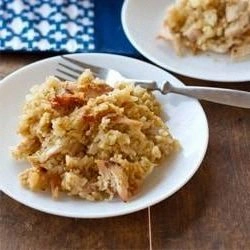
Picture this: a golden‑brown top that crackles just enough to whisper “crispy” while the interior stays as soft as a cloud‑kissed pillow. The aroma? A heady mix of roasted chicken, earthy brown rice, and a subtle hint of smoked seasoning that makes the whole house feel like a rustic lodge on a crisp autumn evening. Every bite delivers a symphony of textures—the tender chicken, the slightly chewy rice, and a sauce that coats everything like velvet, rich enough to linger on the palate but light enough to keep you reaching for more. I dare you to taste this and not go back for seconds; I’ll be honest — I ate half the batch before anyone else got to try it.
Most casserole recipes get this completely wrong. They either drown the rice in a soupy mess or bake the chicken until it’s dry enough to sandpaper a table. What sets this version apart is the balance of three core principles: flavor layering, moisture control, and a finishing technique that creates those coveted crispy edges that shatter like thin ice when you cut into them. I’m talking about a sauce that’s thickened just enough with flour, enriched with milk, and brightened by chicken broth, all seasoned with a daring blend of rotisserie, hickory, or chipotle seasoning. This isn’t just a dinner; it’s a culinary experience that will have you bragging to anyone who’ll listen.
Okay, ready for the game‑changer? The secret weapon is a quick toast of the flour in butter before you whisk in the liquids — this little step adds a nutty depth that most recipes skip. And if you’ve ever struggled with a soggy casserole, stay with me here — this is worth it. Let me walk you through every single step — by the end, you’ll wonder how you ever made it any other way.
What Makes This Version Stand Out
- Taste: The seasoning mix delivers smoky, sweet, and mildly spicy notes that dance across the tongue, while the sauce adds a buttery richness that never feels heavy.
- Texture: Brown rice holds its shape, giving a pleasant chew, and the chicken stays juicy thanks to the broth‑infused cooking environment.
- Simplicity: Fewer than ten ingredients, one‑pan assembly, and a 45‑minute total time make this a weeknight hero without compromising flavor.
- Uniqueness: The combination of brown rice with a creamy, flour‑thickened sauce is rare; most casseroles stick to white rice or plain cream.
- Crowd Reaction: Guests constantly ask for seconds, and the leftovers taste even better after the flavors have had time to meld.
- Ingredient Quality: Using fresh chicken breasts and high‑quality broth turns a humble dish into a gourmet experience.
- Cooking Method: Baking at a high temperature first creates that coveted crust, then lowering the heat finishes the cooking gently.
- Make‑Ahead Potential: Assemble the night before, refrigerate, and bake the next day for a stress‑free dinner.
Inside the Ingredient List
The Flavor Base
Chicken broth is the liquid gold of this casserole. It infuses the rice and chicken with a savory depth that water could never achieve. If you skim the surface, you’ll notice a subtle umami that makes each bite feel like a warm hug. For a richer profile, choose low‑sodium broth and add a splash of soy sauce or Worcestershire at the end. Skipping the broth for plain water? Expect a bland, one‑dimensional dish that will disappoint even the most forgiving palate.
The Texture Crew
Brown rice is the unsung hero here. Its nutty flavor and firm bite provide a perfect counterpoint to the silky sauce. Because it’s a whole grain, it also adds a nutritional punch of fiber and minerals. If you’re in a hurry, you can par‑cook the rice for 10 minutes before adding it to the casserole, but be careful not to over‑cook—otherwise you’ll lose that delightful chew. White rice works in a pinch, but the texture will be softer and the flavor less complex.
The Unexpected Star
The seasoning mix—whether you pick rotisserie, hickory, or chipotle—acts like a secret sauce that transforms ordinary chicken into a flavor bomb. Rotisserie brings sweet herb notes, hickory adds a deep smoky woodiness, and chipotle delivers a smoky heat that tingles the tongue. Feel free to blend two of them for a custom profile; just remember, a little goes a long way. Omitting the seasoning entirely will leave the dish tasting flat and forgettable.
The Final Flourish
Flour, milk, and a pat of butter combine to create a velvety sauce that clings to every morsel. The flour is the thickening agent, while the milk adds creaminess without the heaviness of heavy cream. Butter enriches the sauce, giving it a glossy finish and a subtle buttery aroma. If you’re dairy‑free, swap the milk for oat or almond milk and use a plant‑based butter; the texture will remain luscious.
Everything's prepped? Good. Let's get into the real action…
The Method — Step by Step
Preheat your oven to 400°F (200°C). While the oven warms, line a large casserole dish with parchment paper to prevent sticking and make cleanup a breeze. This initial high heat will give the top that coveted golden crust. I’ll be honest — I love that first sizzle when the dish hits the oven; it’s pure anticipation.
Dice the chicken breasts into bite‑size cubes, season them generously with the seasoning mix, a pinch of salt, and freshly cracked black pepper. Let them sit for five minutes so the spices can penetrate the meat. This is the moment of truth: if the chicken smells fragrant now, you’re on the right track. Watch Out: Over‑seasoning can make the dish too salty later, so keep the salt moderate.
In a large skillet over medium heat, melt 1 tablespoon of butter. Add 2 tablespoons of flour and whisk continuously for about two minutes until it turns a light golden hue. This is the kitchen hack that makes the sauce velvety; the toasted flour eliminates any raw taste and adds depth. Then, slowly pour in the chicken broth while whisking to avoid lumps, followed by the milk. Keep stirring until the mixture thickens to a pourable consistency—think of a light gravy that coats the back of a spoon.
Kitchen Hack: If the sauce looks too thick, whisk in an extra ¼ cup of broth; if it’s too thin, let it simmer a minute longer to reduce.Add the seasoned chicken cubes to the skillet, stirring them into the sauce so each piece is fully coated. Let them sear for about three minutes; you’ll hear a faint sizzle that signals the Maillard reaction is happening, creating those caramelized flavor notes. Then, stir in the brown rice, making sure each grain is evenly distributed and bathed in the sauce. The rice should look glossy, not dry.
Transfer the entire mixture into the prepared casserole dish, spreading it out into an even layer. Sprinkle a thin layer of extra seasoning mix on top for an added flavor punch. If you love extra crunch, scatter a handful of breadcrumbs or crushed fried onions now; they’ll turn golden and crisp during baking.
Cover the dish tightly with aluminum foil and slide it into the preheated oven. Bake for 20 minutes at 400°F, then carefully remove the foil, lower the temperature to 350°F (175°C), and continue baking for another 15‑20 minutes. You’ll know it’s done when the edges start pulling away from the sides and the top is a deep amber color. Watch Out: Opening the oven too often will cause the temperature to drop, leading to uneven cooking.
Remove the casserole from the oven and let it rest for five minutes before serving. This short rest allows the sauce to thicken further and the rice to finish absorbing any remaining moisture. The rest period also prevents the sauce from spilling everywhere when you cut into it.
Serve hot, garnished with a sprinkle of fresh parsley or chopped green onions for a pop of color and freshness. Picture yourself pulling this out of the oven, the whole kitchen smelling incredible, and the first bite melting in your mouth. That moment? Pure magic. And now the fun part—dig in and enjoy the applause from anyone lucky enough to share the table.
Insider Tricks for Flawless Results
The Temperature Rule Nobody Follows
Start hot, finish low. The initial 400°F blast creates that coveted crust, while the lower finish ensures the interior stays moist. I once tried baking the whole thing at 350°F and ended up with a soggy top that never browned. Trust the two‑stage approach, and you’ll get a casserole that looks restaurant‑ready every time.
Why Your Nose Knows Best
Your sense of smell is a more reliable indicator than a timer. When the sauce starts to emit a buttery, roasted aroma, you’re close to the perfect thickness. If you catch a faint hint of raw flour, keep whisking. This sensory checkpoint saves you from a bland or overly thick sauce.
The 5‑Minute Rest That Changes Everything
Allowing the casserole to sit for five minutes after baking lets the starches in the rice settle and the sauce to thicken further. Skipping this step results in a runny dish that slides off the plate. It’s a tiny pause that makes a massive difference in texture.
Seasoning Layering Mastery
Season at three points: the raw chicken, the sauce, and the final topping. Each layer builds depth, preventing a one‑dimensional flavor profile. A friend once skipped the middle seasoning step and complained the dish tasted “flat” — lesson learned.
The Secret of Butter‑Infused Broth
Stir a tablespoon of butter into the broth before adding it to the sauce. This simple addition adds a silkiness that milk alone can’t achieve, and it helps the sauce cling to the rice and chicken like a perfect hug.
Creative Twists and Variations
This recipe is a playground. Here are some of my favorite ways to switch things up:
Mediterranean Sunshine
Swap the chicken broth for vegetable broth, add a handful of sun‑dried tomatoes, and sprinkle feta cheese on top before baking. The tangy feta and sweet tomatoes give the casserole a bright, Mediterranean vibe that pairs beautifully with a crisp white wine.
Spicy Southwest
Use chipotle seasoning for the base, stir in a cup of black beans, and top with shredded cheddar and sliced jalapeños. The heat from the chipotle and jalapeños creates a bold, southwestern flavor that will have you reaching for a cool dollop of sour cream.
Creamy Mushroom Delight
Sauté sliced cremini mushrooms with the chicken before adding the broth. Finish with a splash of heavy cream instead of milk for an ultra‑rich sauce. This version is perfect for mushroom lovers and adds an earthy depth.
Herb‑Infused Summer
Add fresh thyme, rosemary, and a squeeze of lemon zest to the sauce. Top with toasted pine nuts for crunch. The fresh herbs bring a bright, summery note that lifts the dish from comfort food to a light, aromatic entrée.
Cheesy Baked Risotto
Replace the brown rice with Arborio rice, increase the broth to 3 cups, and stir in 1 cup of grated Parmesan halfway through baking. The result is a cheesy, creamy risotto‑style casserole that feels indulgent yet familiar.
Storing and Bringing It Back to Life
Fridge Storage
Cool the casserole to room temperature (no more than two hours), then cover tightly with foil or a lid and refrigerate. It will keep fresh for up to four days. Reheat individual portions in the microwave or in a skillet with a splash of broth to prevent drying out.
Freezer Friendly
Portion the cooled casserole into freezer‑safe containers, leaving a little headspace for expansion. Freeze for up to three months. To reheat, thaw overnight in the fridge, then bake at 350°F for 20‑25 minutes, uncovered, until bubbling and hot.
Best Reheating Method
Add a tiny splash of water or broth before reheating; this creates steam that revives the sauce’s silkiness. Cover with foil for the first half of reheating to keep moisture in, then uncover to restore the crisp top. The result? It tastes almost as fresh as the first serving.