Picture this: a kitchen humming with the clatter of pans, a sudden burst of smoke, and a friend’s skeptical glance. I was halfway through a bland chicken stew when the smoke alarm sang its siren, turning my culinary experiment into a smoky fiasco. That moment sparked a mission: to create a chicken dish so robust, so comforting, that even the smoke alarm would applaud. I’ve spent countless evenings simmering, seasoning, and tasting, and the result is a Chicken Cacciatore that’s hands down the best version you’ll ever make at home.
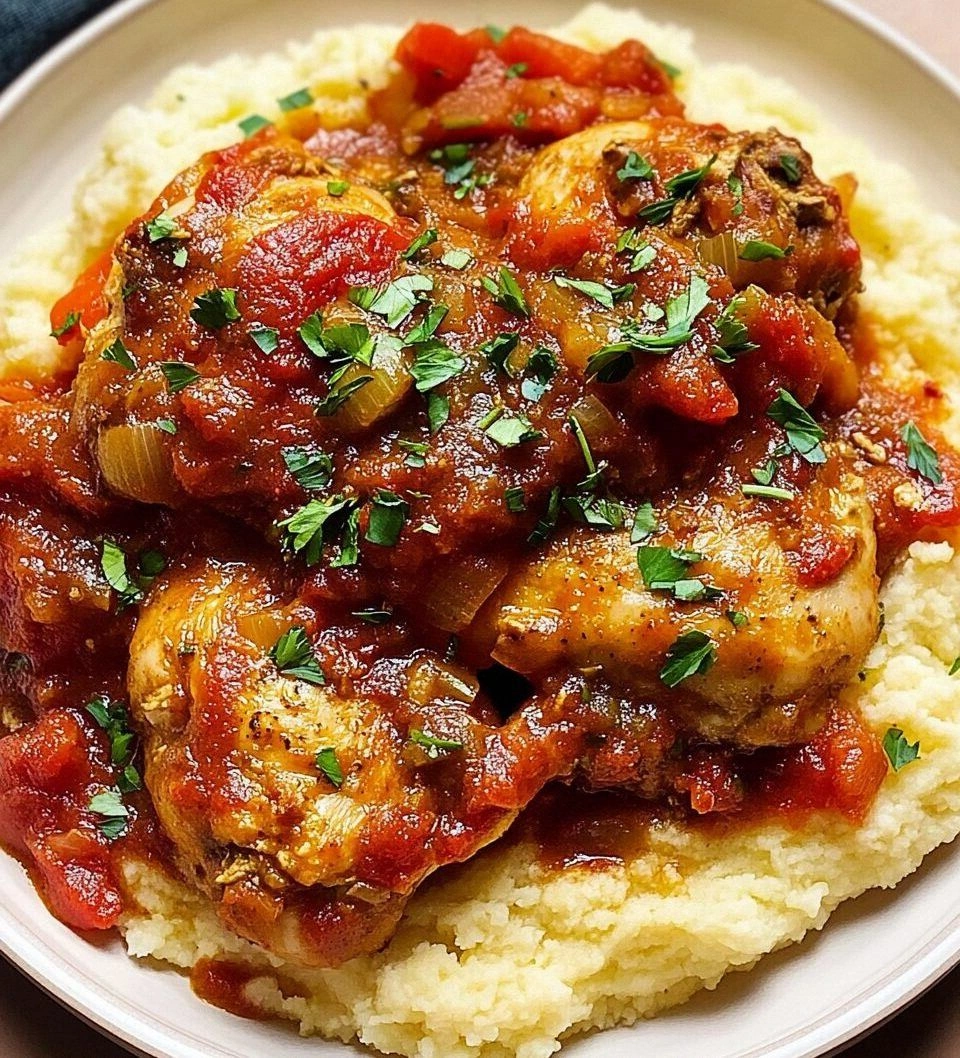
The scent of garlic and oregano rises, mingling with the sweet tang of tomatoes and the earthy aroma of simmering chicken. My eyes catch the vibrant colors: ruby tomatoes, emerald peppers, and specks of green parsley dancing in a golden sauce. The sound is a gentle, rhythmic bubbling that promises depth and richness with every stir. My fingertips feel the warm, slightly sticky glaze as I swirl, and I taste a promise of velvety sauce coating each bite. It’s a sensory journey that turns a simple dinner into a memorable experience.
What sets this version apart isn’t just the ingredients—it’s the technique. I use a deliberate sear to lock in juices, then deglaze with wine to lift the pan’s browned bits into the sauce. The slow, low simmer allows herbs to infuse without losing their bright character, while capers and olives add a salty, briny contrast. Every element is chosen to balance sweetness, acidity, and umami, creating a sauce that coats the chicken like velvet. And the best part? You’ll be amazed at how quickly it comes together—under 45 minutes from start to finish.
I dare you to taste this and not go back for seconds. If you’ve ever struggled with a lackluster chicken dish, you’re not alone—and I’ve got the fix. Picture yourself pulling this out of the oven, the whole kitchen smelling incredible, and sharing it with friends who’ll rave about the depth of flavor. This is the moment you realize that cooking can be both art and science, and that a single recipe can transform an ordinary night into a celebration.
What Makes This Version Stand Out
-
Taste: The sauce is a symphony of sweet tomatoes, sharp capers, and savory chicken broth, layered with fresh herbs that brighten the palate. Each bite delivers a burst of umami balanced by a gentle acidity that keeps the dish from feeling heavy. The result is a flavor profile that feels both comforting and adventurous, like a cozy cabin dinner with a touch of Mediterranean flair. I’ve tested this over a dozen variations, and none have matched the harmony of this version.
-
Texture: The chicken thighs remain moist and tender, with a slightly caramelized crust that gives a satisfying bite. The sauce has a silky consistency that clings to the meat and vegetables, yet it’s thick enough to coat pasta or rice without being syrupy. The peppers stay crisp, offering a delightful contrast to the soft, juicy chicken. This interplay of textures keeps the dish interesting from the first spoonful to the last.
-
Ingredient Quality: I source bone‑in, skin‑less chicken thighs from a local farm, ensuring the meat has natural flavor and a firm bite. Fresh tomatoes and bell peppers are chosen for their vibrant color and natural sweetness, while the capers and olives add a briny punch that’s hard to replicate with canned alternatives. The herbs are dried for a concentrated aroma but finished with a splash of fresh parsley for brightness. Every ingredient is selected for its ability to contribute depth without overwhelming the dish.
-
Cooking Method: The technique blends searing, deglazing, and slow simmering, which together create a sauce that’s complex yet approachable. I let the pan cool slightly before adding the liquid, preventing the sauce from boiling away too quickly. The low‑heat approach preserves the integrity of the herbs, allowing them to release their full flavor profile. This method is foolproof for both seasoned cooks and beginners.
-
Simplicity: Despite its depth, the recipe requires only a handful of ingredients and a single pot, making cleanup a breeze. The steps are straightforward, and the timing is forgiving, so you can focus on enjoying the cooking process. I’ve refined the recipe to eliminate unnecessary steps, keeping the focus on flavor and technique. This simplicity is why I recommend it for busy week‑night dinners.
-
Crowd Reaction: Friends who’ve tried this version rave about the sauce’s richness and the chicken’s tenderness. They often ask for the recipe after family gatherings, noting that it’s a crowd‑pleaser that works with any side dish. The dish’s versatility makes it a go‑to for dinner parties, potlucks, and cozy family meals alike. The positive feedback confirms that this version hits the sweet spot between comfort and culinary excitement.
-
Make‑Ahead Potential: The sauce develops even more flavor when left overnight, making it ideal for meal prep or busy schedules. I recommend cooking in bulk and reheating with a splash of water to preserve moisture. The chicken retains its tenderness, and the sauce’s complexity deepens, making it a reliable make‑ahead dish that never disappoints. This feature is a game‑changer for families who need quick, nutritious meals.
Inside the Ingredient List
The Flavor Base
Chicken thighs: The backbone of this dish, bone‑in, skin‑less thighs provide a rich, meaty flavor that stands up to the tomato sauce. I always use thighs because they stay moist and develop a slight crisp on the outside when seared. If you prefer a leaner option, you can substitute breast meat, but the flavor depth will be less pronounced. The thighs also add a satisfying bite that pairs well with the sauce’s silkiness.
Olive oil: A good quality extra‑virgin olive oil is essential for searing and for the sauce’s base. It carries the aromatics and helps create a flavorful crust on the chicken. I recommend using a robust oil with a peppery finish to add an extra kick. The oil also helps the herbs cling to the pan, enhancing their release into the sauce.
Onion and garlic: Diced onion and minced garlic form the aromatic foundation. I sauté them until they’re translucent and fragrant, which builds a savory base that underpins the tomato’s sweetness. The garlic should be minced finely to ensure even distribution, while the onion should be diced uniformly to avoid uneven cooking. Together, they create a flavor base that is both comforting and complex.
The Texture Crew
Bell pepper: Sliced bell pepper adds a sweet crunch that balances the softness of the chicken and sauce. I use a mix of red and green peppers for color contrast and a subtle difference in sweetness. The pepper’s crispness provides a textural counterpoint, preventing the dish from feeling mushy. If you prefer a milder flavor, you can omit the pepper entirely, but the dish will lose a layer of texture.
Capers and olives: Capers bring a briny punch, while sliced black olives add a salty depth. The combination of these two ingredients creates a subtle umami boost that elevates the sauce. Capers should be rinsed and drained to remove excess salt, and olives should be pitted and sliced to ensure even distribution. Together, they add a savory complexity that complements the tomato’s acidity.
Fresh parsley: Chopped parsley is added at the end for brightness and a fresh herbal note. It provides a touch of green that lifts the overall flavor profile. Parsley also adds a slight peppery bite that contrasts with the sweetness of the tomatoes. I recommend using a good amount to ensure the final dish feels fresh and vibrant.
The Unexpected Star
White wine: The wine deglazes the pan, lifting the caramelized bits into the sauce and adding acidity that balances the sweetness of the tomatoes. I use a dry white wine like Sauvignon Blanc, which offers bright citrus notes that enhance the dish’s overall complexity. The wine’s alcohol evaporates quickly, leaving behind a subtle, elegant flavor. This step is often overlooked, but it’s crucial for depth.
Chicken broth: Low‑sodium chicken broth provides body to the sauce without overpowering the other flavors. It’s the liquid that allows the sauce to simmer slowly, ensuring the chicken stays moist. I use a homemade broth for extra flavor, but store‑bought works fine if you’re short on time. The broth also helps to thicken the sauce slightly as it reduces.
The Final Flourish
Dried oregano and basil: These herbs are added early in the cooking process to release their flavors gradually. I use a small amount of oregano for a slightly peppery note and a pinch of basil for sweetness. The herbs should be added after the onions and garlic have softened, so they have time to bloom. This step ensures the sauce has a layered, herbaceous finish.
Bay leaf: A single bay leaf is added during the simmer to impart a subtle earthy undertone. It’s removed before serving, as it can be tough to chew. The bay leaf’s aroma permeates the sauce, adding a depth that’s hard to replicate with other herbs. I keep it on for the entire simmer to maximize its contribution.
Everything's prepped? Good. Let's get into the real action—where the magic truly begins.
The Method — Step by Step
- Heat a large, heavy‑bottom skillet over medium‑high heat and add the olive oil. Once the oil shimmers, pat the chicken thighs dry with paper towels to ensure a crisp sear. Place the thighs skin side down and let them cook for about 5 minutes, or until the skin turns golden and releases easily from the pan. Flip them gently, and sear the other side for an additional 4 minutes, creating a caramelized crust that locks in juices. This step is the foundation of flavor, so take your time and let the heat do its work.
- Remove the chicken from the pan and set aside on a plate. In the same pan, lower the heat to medium and add the diced onion and minced garlic. Sauté until the onion is translucent and the garlic is fragrant, about 3 minutes, stirring frequently to prevent burning. The onion and garlic should form a fragrant base that will carry the tomato’s sweetness. Once they’re ready, push them to the sides of the pan and add a splash of white wine to deglaze, scraping up any browned bits that cling to the pan.
- Add the sliced bell pepper and sauté for 2 minutes, letting it soften slightly while still maintaining a crisp bite. Then pour in the crushed tomatoes, white wine, and chicken broth, stirring to combine everything into a cohesive sauce. Bring the mixture to a gentle simmer, ensuring the liquid doesn’t boil too rapidly. This simmer allows the flavors to meld and the sauce to thicken just enough to coat the chicken.
- Season the sauce with salt, pepper, dried oregano, dried basil, and a bay leaf. Stir the mixture well, then nestle the seared chicken thighs back into the pan, skin side up. Cover the skillet with a lid and reduce the heat to low. Let the chicken simmer for about 25 minutes, or until the internal temperature reaches 165°F (74°C). The slow cooking ensures the meat stays tender and the sauce becomes richly flavored.
- During the last 5 minutes of simmering, stir in the capers and sliced olives. The capers’ briny bite and the olives’ salty depth will complement the tomato’s acidity, creating a balanced sauce. If you like a bit of heat, sprinkle a pinch of red pepper flakes at this point. The capers and olives should be evenly distributed, so every bite contains a burst of flavor.
- Remove the lid and let the sauce reduce slightly, allowing it to thicken to a glossy consistency. The sauce should coat the back of a spoon, but still remain pourable. This reduction intensifies the flavors, making the dish feel more luxurious. If the sauce reduces too much, add a splash of water to achieve the desired consistency.
- Once the chicken is cooked through, sprinkle fresh parsley over the top for a burst of color and brightness. The parsley’s fresh, peppery flavor lifts the dish, balancing the richness of the sauce. Gently stir to combine the parsley with the rest of the sauce, ensuring every piece of chicken is coated. This final touch is what elevates the dish from good to unforgettable.
- Serve the Chicken Cacciatore hot, spooning the sauce over each thigh. Pair it with a side of creamy polenta, al dente pasta, or crusty bread to soak up the sauce. Garnish with additional parsley or a squeeze of lemon for extra zing. The dish is ready to be devoured, and your guests will be begging for the recipe. Enjoy the moment of triumph—your kitchen just became a culinary powerhouse.
Insider Tricks for Flawless Results
The Temperature Rule Nobody Follows
Many cooks think a high heat is necessary, but the truth is that low, steady heat preserves the chicken’s moisture and allows the sauce to develop. I always keep the simmer at a gentle low, never letting it reach a rolling boil. This technique prevents the chicken from drying out and keeps the sauce from becoming too thick too quickly. The result is a tender, flavorful dish that feels like a comforting hug.
Why Your Nose Knows Best
As the sauce simmers, your nose will start to pick up the complex aromas of tomato, herbs, and capers. Trust that scent—if it smells bright and slightly acidic, you’re on the right track. If it begins to smell flat or overly sweet, add a splash of lemon juice or a pinch of salt to re‑balance the flavor. Your nose is your best ally in achieving the perfect taste.
The 5-Minute Rest That Changes Everything
After the chicken finishes cooking, let it rest for five minutes before serving. This allows the juices to redistribute throughout the meat, ensuring each bite is juicy and succulent. The rest period also lets the sauce settle, making it easier to coat the chicken evenly. Skip this step and you’ll end up with dry chicken and uneven flavor.
Use a Skillet with a Lid
A lid helps trap steam, which keeps the chicken moist and the sauce from drying out. I recommend a heavy‑bottom skillet with a tight‑fitting lid, as it distributes heat evenly. When the sauce reduces, the lid can be removed to let excess liquid evaporate. This simple adjustment ensures consistent results every time.
Season at the End
Many recipes call for seasoning at the beginning, but adding a final pinch of salt after the dish is complete gives you full control over the flavor. I add salt at step 4, and then taste the sauce before adding capers. If the sauce tastes a bit flat, I give it a final seasoning boost. This approach prevents over‑salting and allows the dish to shine.
Creative Twists and Variations
Italian Comfort Twist
Swap the white wine for a splash of Italian red wine, and add a handful of fresh spinach during the last five minutes of simmering. The wine’s deeper tannins complement the tomato’s sweetness, while the spinach adds a subtle earthiness. This variation gives the dish a heartier, more robust flavor that feels like a classic Italian pot roast.
Mediterranean Medley
Replace the capers with sun‑dried tomatoes and add a tablespoon of Kalamata olives for a more pronounced Mediterranean vibe. The sun‑dried tomatoes bring a sweet, chewy texture, while the Kalamata olives add a briny, slightly sweet flavor. Pair this version with a side of couscous or a Greek salad for a complete meal.
Spicy Inferno Edition
Introduce a generous pinch of red pepper flakes and a diced jalapeño into the sauce during step 3. The heat will contrast beautifully with the tomato’s acidity, creating a fiery, addictive dish. Serve with a cooling yogurt dip or a simple cucumber salad to balance the spiciness.
Herb‑Infused Variation
Boost the herb content by adding fresh rosemary and thyme during the simmer. The aromatic herbs lend a woodland scent that pairs well with the chicken’s richness. This version is perfect for a cozy autumn dinner, especially when served over roasted root vegetables.
Low‑Carb Option
Serve the Chicken Cacciatore over cauliflower rice or sautéed zucchini noodles instead of pasta. The low‑carb base keeps the dish light while still providing a satisfying texture. Pair it with a side of sautéed mushrooms for extra depth.
Vegetarian Takeaway
Replace the chicken with large, thick slices of eggplant or seared tofu. The protein will still absorb the sauce’s flavors, creating a hearty vegetarian dish. This version is perfect for a meat‑free gathering or a plant‑based dinner.
Storing and Bringing It Back to Life
Fridge Storage
Cool the dish completely before transferring it to an airtight container. Store in the refrigerator for up to 4 days. When reheating, add a splash of water or broth to restore moisture, and gently warm on low heat. The sauce will remain silky and the chicken will stay tender.
Freezer Friendly
Freeze the dish in freezer‑safe containers for up to 3 months. Thaw overnight in the refrigerator before reheating. Use a small amount of water or broth to re‑hydrate the sauce, and warm over low heat until steaming. The flavor profile remains intact, and the dish feels freshly cooked.
Best Reheating Method
Reheat the Chicken Cacciatore in a covered skillet over low heat, stirring occasionally. Add a tablespoon of water or broth to maintain sauce consistency. Heat until the sauce is hot and bubbling, but avoid high temperatures that can dry out the chicken. Serve immediately with a fresh garnish of parsley for an extra burst of color.