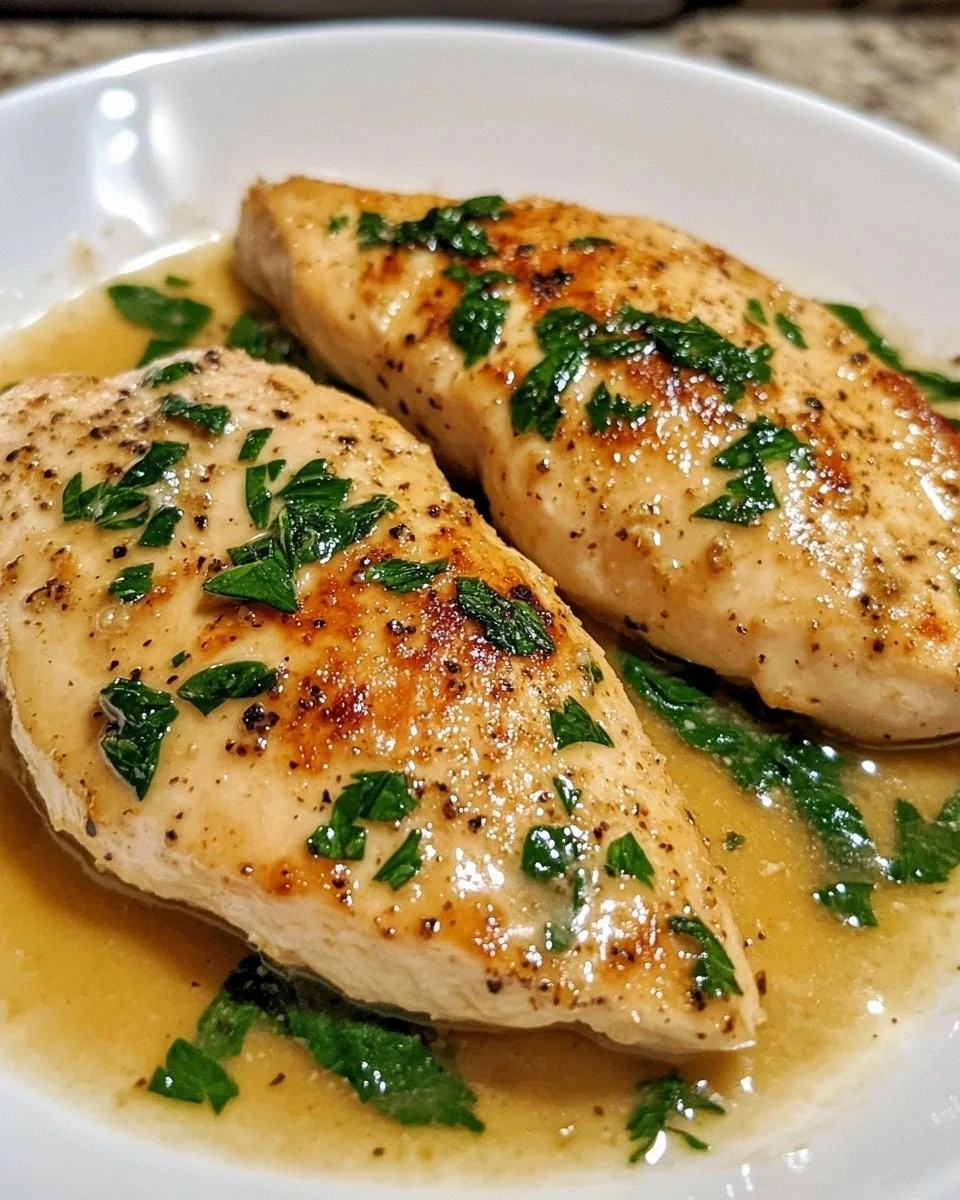
There are moments in life when dinner becomes an obsession. Last Tuesday at 2:47 p.m., I was supposed to be writing emails, but instead I was haunted by the memory of a chicken scampi I'd eaten twelve years ago at a roadside joint in New Jersey. The sauce had been so garlicky it practically sang opera. The chicken was juicy enough to make a food critic weep. And the rice — oh, that rice — soaked up every last drop of buttery, wine-kissed glory. By 3:15 p.m. I had abandoned my laptop, marched into the kitchen like a woman possessed, and started flinging butter into a pan.
Three batches later (don't ask about batch two — let's just say smoke alarms make terrible dinner music), I finally cracked the code. What emerged from my skillet was nothing short of magic: tender chicken medallions draped in a silky scampi sauce that tasted like vacation and comfort food had a beautiful baby. The garlic parmesan rice underneath was so outrageously flavorful that my neighbor rang the bell to investigate the incredible smells wafting down the hallway. I served her a plate to shut her up. She took one bite, looked me dead in the eye, and whispered, "You're going to be famous for this."
Here's the thing: most chicken scampi recipes are liars. They tell you to dump everything in a pan and hope for the best. They skip the crucial step of building flavors layer by layer. They treat rice like an afterthought instead of the flavor-soaking vehicle it was born to be. This version? We sear the chicken until it develops those gorgeous caramelized edges that taste like chicken candy. We create a garlic butter so fragrant it could sell houses. And we cook the rice directly in a mixture of chicken broth and that same scampi sauce so every grain becomes a tiny flavor bomb.
Picture yourself pulling this dish together on a random Wednesday night. The butter hits the hot pan and immediately starts whispering promises of delicious things to come. Garlic sizzles and perfumes your entire home with the kind of aroma that makes delivery drivers linger at your door. The wine deglazes the pan in a burst of steam that carries hints of lemon and herbs. And when you finally plate it — golden chicken nestled on a bed of creamy, cheesy rice — you'll feel like a restaurant chef in your own kitchen. Let me walk you through every single step — by the end, you'll wonder how you ever made it any other way.
What Makes This Version Stand Out
Butter-Built Brilliance: We use butter three different ways here — to sear the chicken for maximum flavor development, to create the base of our scampi sauce, and to finish the rice with that restaurant-quality gloss. Most recipes barely scratch the surface of butter's potential, but we're going full dairy diva.
One-Pan Wonder: Despite tasting like you spent hours slaving away, this entire dish comes together in a single skillet and one rice pot. The chicken juices get scraped up by the wine to become part of the sauce, and the rice absorbs every last drop of garlicky goodness. Less dishes, more deliciousness.
Garlic Done Right: Forget the old "add garlic first and burn it to bitterness" trap. We add garlic at three strategic moments — at the start for base flavor, midway through for that middle note, and right at the end for that fresh, punchy hit that makes your taste buds sit up and pay attention.
Restaurant Rice Technique: Instead of boring plain rice, we cook jasmine or basmati right in a mixture of chicken broth and our scampi sauce, then fold in fresh Parmesan at the end. The result is rice so flavorful it could be a meal on its own.
White Wine Magic: A half cup of dry white wine transforms this from good to legendary. It adds acidity that cuts through the richness while picking up all those gorgeous browned bits from the pan. If you're avoiding alcohol, double the chicken broth, but I highly recommend keeping the wine for that authentic scampi soul.
Scale-Ready Recipe: Whether you're cooking for two on date night or feeding a hungry crowd of eight, this recipe scales beautifully. The technique stays exactly the same — you just need a bigger pan.
Alright, let's break down exactly what goes into this masterpiece...
Inside the Ingredient List
The Flavor Base
The chicken is obviously the headliner here, but don't underestimate the supporting cast. Boneless, skinless chicken breasts work perfectly because they cook quickly and absorb flavors like little protein sponges. Cut them into medallions about three-quarters of an inch thick — thick enough to stay juicy but thin enough to cook through in minutes. Season them generously with salt and pepper at least fifteen minutes before cooking. This isn't just for flavor; the salt helps break down proteins, making the chicken more tender and allowing it to retain moisture during cooking.
Butter is the unsung hero of this dish, and using the right amount matters more than you think. We're using six tablespoons total — three for the chicken, two for the rice, and one to finish the sauce. Use unsalted butter so you control the seasoning completely. Cold butter straight from the fridge is actually better for finishing the sauce because it emulsifies more easily, creating that glossy restaurant-quality sheen that makes you look like you went to culinary school.
The Aroma Avengers
Fresh garlic isn't negotiable here — the pre-minced stuff in jars tastes like sadness and regret. You need six to eight cloves, minced finely so it distributes evenly throughout the sauce. The garlic gets added in three stages: two cloves at the beginning to infuse the butter, three cloves midway through for that middle flavor layer, and the remaining garlic right at the end for that bright, punchy finish that makes scampi taste like scampi.
Red pepper flakes bring the heat, but they're not just about spiciness. A half teaspoon bloomed in hot butter releases oils that add complexity and warmth without making your mouth feel like it's on fire. If you're sensitive to heat, start with a quarter teaspoon — you can always add more, but you can't take it out once it's in there.
The Liquid Gold
Chicken broth forms the backbone of both our rice and sauce, so use the good stuff if you can. Homemade is obviously king, but I keep a carton of low-sodium organic broth in my fridge at all times for emergencies. You need two cups total — one and a half for the rice and a half cup for the sauce. Warm broth works better than cold because it doesn't shock the ingredients and helps everything cook more evenly.
White wine is what separates good scampi from legendary scampi. Use something dry like Pinot Grigio or Sauvignon Blanc — nothing sweet or oaky. The alcohol cooks off, leaving behind this incredible depth and acidity that makes the whole dish sing. If wine isn't your thing, double the chicken broth and add an extra squeeze of lemon, but honestly, you're missing out on something special.
The Finishing Touches
Fresh lemon juice brightens everything and cuts through the richness of the butter. You need the juice of one whole lemon, added right at the end to preserve that fresh, zesty punch. Don't use the bottled stuff — it tastes like furniture polish and will ruin all your hard work. While you're at it, zest the lemon before juicing it. That bright yellow zest folded into the rice at the very end adds little bursts of citrus perfume that'll make people wonder what your secret is.
Parmesan cheese transforms our rice from a mere side dish into something worthy of its own spotlight. Use freshly grated if possible — the pre-grated stuff in containers is coated with cellulose to prevent clumping, which also prevents it from melting smoothly into the rice. Aged Parmigiano-Reggiano brings nutty, salty complexity, but any decent Parmesan will work wonders.
Everything's prepped? Good. Let's get into the real action...
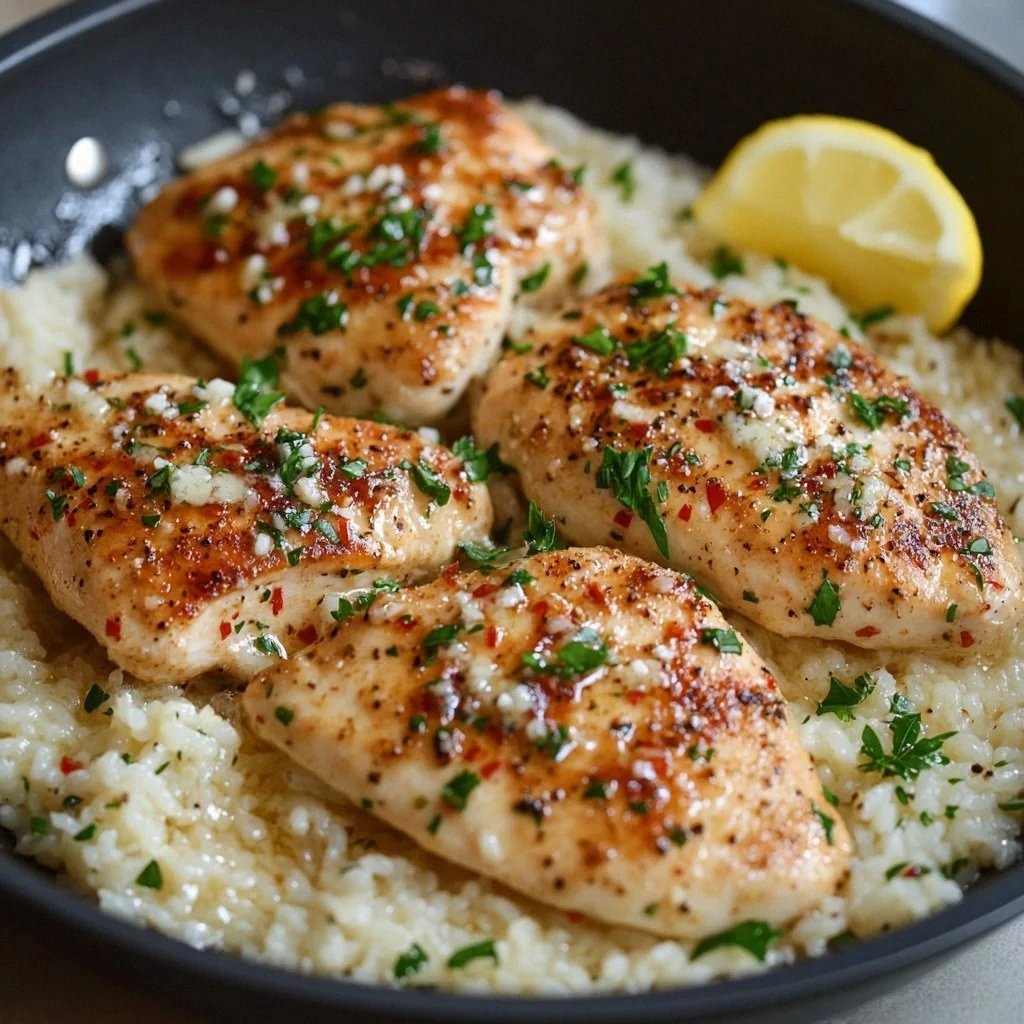
The Method — Step by Step
- Prep and Season the Chicken: Start by patting your chicken breasts dry with paper towels — moisture is the enemy of good browning. Cut them diagonally into medallions about three-quarters of an inch thick. This angled cut increases surface area for better searing and ensures even cooking. Season generously on both sides with salt and pepper, then let them rest while you prep everything else. Those fifteen minutes of resting time allow the salt to penetrate the meat, seasoning it throughout rather than just sitting on the surface.
- Start the Aromatic Base: Heat a large skillet over medium-high heat and add three tablespoons of butter. Swirl it around as it melts — it should foam gently and smell nutty, not burnt. When the foaming subsides, add your first two cloves of minced garlic and the red pepper flakes. Stir constantly for about thirty seconds until the garlic turns golden and fragrant. Your kitchen should start smelling like an Italian grandmother's cooking paradise at this point.
- Sear the Chicken to Perfection: Carefully lay the chicken medallions in the hot butter, making sure not to crowd the pan. If they don't all fit comfortably, work in batches — overcrowding leads to steaming instead of searing. Let them cook undisturbed for three to four minutes until the bottoms develop a gorgeous golden-brown crust. Flip them once and cook for another two to three minutes until just cooked through. The chicken should feel firm but still have a little give when pressed. Transfer to a plate and tent with foil — they'll finish cooking in the sauce later.
- Build the Scampi Sauce: In the same skillet (don't you dare wash it — those browned bits are liquid gold), add another tablespoon of butter and your second batch of garlic. Pour in the white wine and chicken broth, scraping up all those gorgeous browned bits with a wooden spoon. Let it bubble away for about three minutes until reduced by half. The sauce should start to thicken and coat the back of a spoon. Add the lemon juice and taste — it should be bright, garlicky, and just acidic enough to make your mouth water.
- Cook the Rice in Flavor: While the sauce reduces, start your rice in a separate pot. Melt two tablespoons of butter over medium heat, then add the rice and stir for two minutes until each grain is coated and starts to turn translucent at the edges. This toasting step is crucial — it prevents the rice from getting mushy and adds a nutty depth. Pour in one and a half cups of warm chicken broth, bring to a boil, then reduce to low, cover, and simmer for fifteen minutes. Resist the urge to peek — steam is doing the work here.
- Bring It All Together: Return the chicken and any accumulated juices to the skillet with the sauce. Add your final clove of minced garlic and a tablespoon of cold butter. Swirl the pan gently — don't stir aggressively or you'll break up the chicken. The cold butter will emulsify with the sauce, creating that glossy, restaurant-quality finish that makes this dish look like it came from a professional kitchen. Simmer for two more minutes until the chicken is heated through and the sauce has thickened to coat everything beautifully.
- Finish the Rice with Cheese: When the rice is done, remove it from heat and let it rest for five minutes — this allows the steam to redistribute so every grain is perfectly tender. Fluff with a fork, then fold in the grated Parmesan cheese and lemon zest. The residual heat will melt the cheese into creamy pockets throughout the rice. Taste and adjust seasoning — it might need a pinch more salt or a grind of fresh pepper.
- Final Assembly and Garnish: Spoon a generous bed of the garlic Parmesan rice onto each plate, creating a little well in the center. Nestle the chicken medallions on top, then ladle that incredible scampi sauce over everything. Make sure each plate gets plenty of that garlicky, buttery goodness. Sprinkle with fresh parsley — not just for color, but for that fresh, herbaceous note that brightens the whole dish. Serve immediately while everything is hot and the sauce is glossy and irresistible.
That's it — you did it. But hold on, I've got a few more tricks that'll take this to another level...
Insider Tricks for Flawless Results
The Temperature Rule Nobody Follows
Here's what separates amateur hour from restaurant-quality results: temperature control. Your pan should be hot enough to make the butter foam but not so hot it burns. Medium-high heat is your sweet spot — if the butter turns brown within thirty seconds, your pan is too hot. Remove it from heat for thirty seconds to cool down. Similarly, when you add the wine to the hot pan, it should sizzle enthusiastically but not evaporate instantly. If it disappears in a puff of steam, your heat is too high.
The chicken continues cooking after you remove it from the pan, so take it off when it's just barely done. Those extra two minutes of resting in the foil, plus the final simmer in the sauce, will bring it to perfect doneness without turning it into shoe leather. Overcooked chicken is the enemy of deliciousness — when in doubt, undercook slightly during the sear.
Why Your Nose Knows Best
Trust your sense of smell throughout this process. When the garlic hits the butter, it should smell fragrant and inviting, not sharp or bitter. If it starts smelling acrid, you've gone too far — remove from heat immediately. The wine should smell fruity and bright as it reduces, not like vinegar. When the sauce is properly reduced, you'll smell a harmonious blend of butter, garlic, and wine that makes your mouth water involuntarily.
That same principle applies to knowing when the rice is done. Lift the lid and take a whiff — properly cooked jasmine rice smells like buttered popcorn with floral notes. If it smells starchy or gluey, it needs more time. Your nose is actually more reliable than the clock for determining doneness.
The 5-Minute Rest That Changes Everything
After you turn off the heat, let the entire dish rest for five minutes before serving. I know, I know — you're hungry and it smells incredible. But this brief pause allows the flavors to meld and the sauce to thicken slightly. During this time, the rice finishes absorbing any remaining liquid, becoming perfectly fluffy instead of wet. The chicken relaxes and becomes even more tender. It's like the difference between a good meal and a transcendent one.
While you're waiting, this is the perfect time to set the table, open some wine, or just bask in the incredible smells filling your kitchen. Trust me — those five minutes of patience will be rewarded with a dish that tastes like it came from your favorite Italian restaurant.
Creative Twists and Variations
This recipe is a playground. Here are some of my favorite ways to switch things up:
Shrimp Scampi Remix
Swap the chicken for large shrimp, peeled and deveined. The cooking time drops to just two minutes per side — any longer and they turn rubbery. The shrimp release their own natural juices that add incredible sweetness to the sauce. This version feels incredibly luxurious but actually cooks faster than the original. Perfect for impressing dinner guests when you're short on time.
Sun-Dried Tomato Power-Up
Add a handful of chopped sun-dried tomatoes to the sauce when you add the wine. They bring intense umami and a pleasant chewiness that contrasts beautifully with the tender chicken. The oil they're packed in is liquid gold — use a tablespoon of it instead of regular olive oil for sautéing. This version tastes like summer in the Mediterranean.
Spicy Arrabbiata Style
Double the red pepper flakes and add a pinch of Calabrian chili paste to the sauce. The heat builds slowly and lingers pleasantly instead of hitting you all at once. Serve it over the same garlic parmesan rice, but add some fresh arugula on top for peppery bite. This variation is for those nights when you want comfort food with attitude.
Mushroom Lover's Dream
Add eight ounces of sliced cremini mushrooms to the pan after searing the chicken. Let them cook until they release their liquid and turn golden brown — about six minutes. They add incredible meaty texture and earthy flavor that makes this dish feel even more substantial. The mushrooms soak up the scampi sauce like little flavor sponges.
Spring Vegetable Celebration
Toss in asparagus tips and fresh peas during the last two minutes of cooking. The vegetables stay bright and crisp, adding color and freshness that makes this feel like a complete meal. The asparagus brings a grassy note that plays beautifully with the lemon, while the peas add little pops of sweetness. This version is perfect for using up farmers market finds.
Creamy Tuscan Style
Stir in a quarter cup of heavy cream at the very end for a richer, more indulgent sauce. The cream mellows the garlic and lemon, creating something closer to an Alfredo-scampi hybrid. It's completely over the top and absolutely delicious. Save this one for special occasions when calories don't count.
Storing and Bringing It Back to Life
Fridge Storage
Store leftovers in an airtight container in the refrigerator for up to four days. Keep the rice and chicken separate if possible — the rice will continue to absorb liquid and can get mushy if stored together. The sauce may thicken considerably in the fridge, but that's actually a good thing. When you're ready to reheat, add a splash of chicken broth or white wine to loosen everything up.
Freezer Friendly
This dish freezes beautifully for up to three months. Portion it into individual servings before freezing — it thaws faster and you can grab just what you need. Wrap each portion tightly in plastic wrap, then place in a freezer bag. The rice might get slightly softer after freezing, but the flavors actually improve as they meld together. Thaw overnight in the refrigerator for best results.
Best Reheating Method
Skip the microwave if you can — it makes the chicken rubbery and the sauce separates. Instead, reheat gently in a covered skillet over medium-low heat with a splash of broth. Stir occasionally and add the broth gradually until everything is heated through and the sauce is silky again. If you're in a hurry, microwave at 50% power in 30-second bursts, stirring between each burst. Add a tiny pat of butter at the end to bring back that glossy finish.