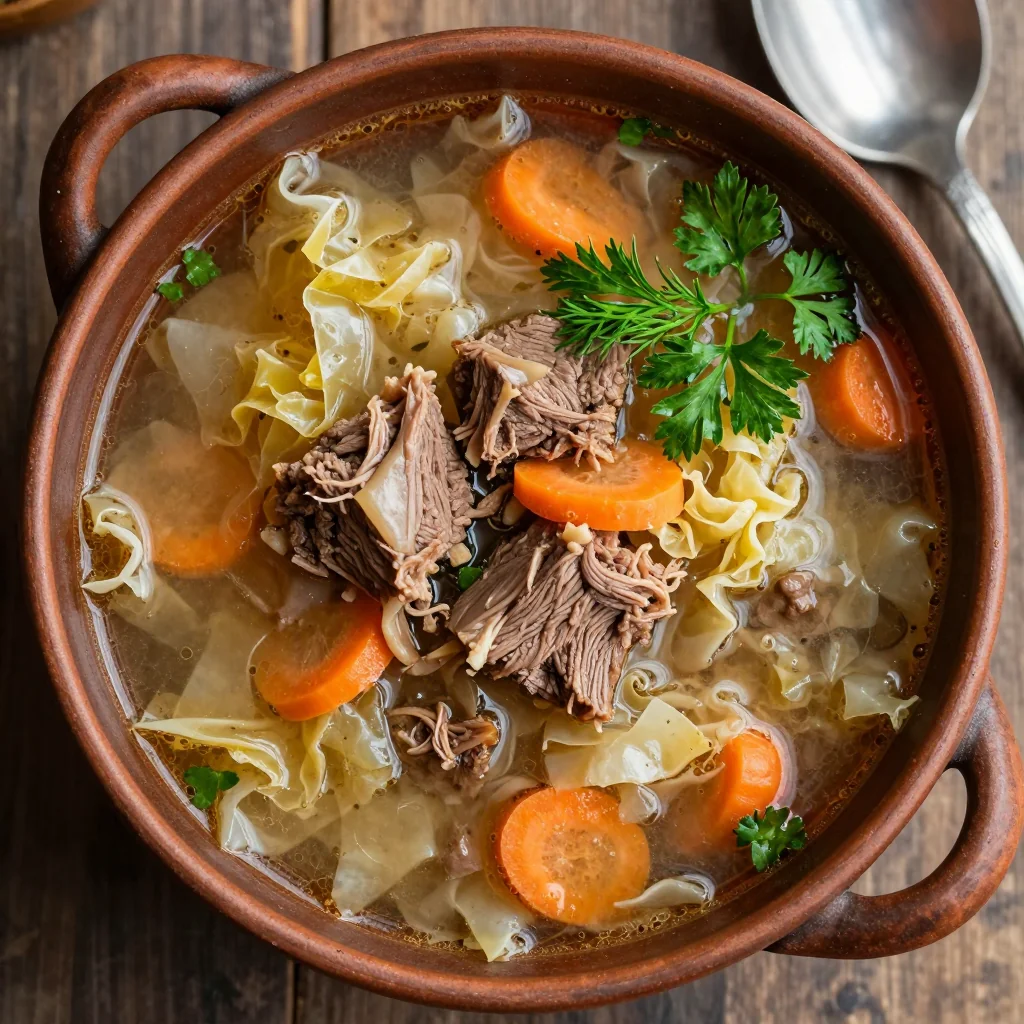
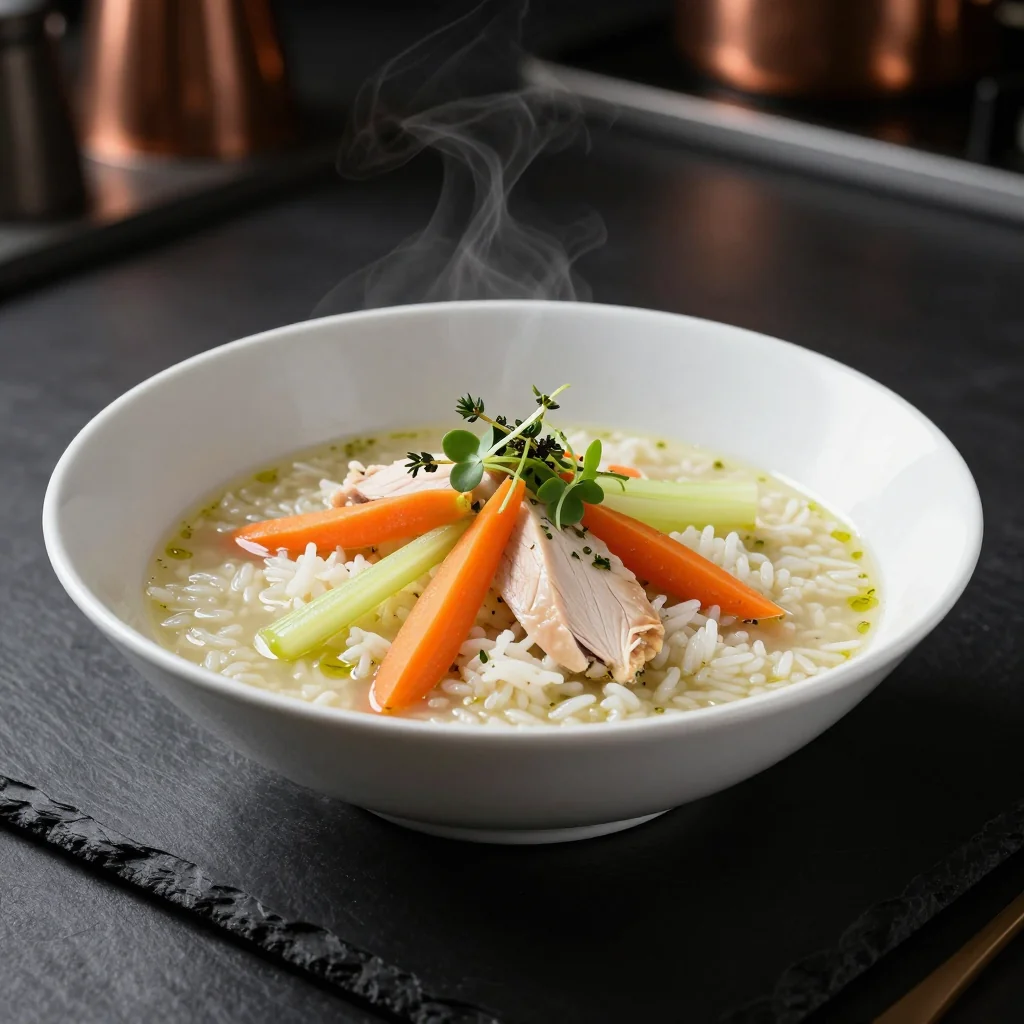
Picture this: a rainy evening, the kettle whistling, and the scent of onions sizzling in a pan that instantly turns a bland kitchen into a cozy sanctuary. I was halfway through a bland take‑out menu, feeling the kind of culinary dread that only a sudden craving for something comforting can cure. That night, I dared myself to reinvent a classic Finnish fish soup, turning a simple recipe into a symphony of flavors that would make even the most skeptical taste buds swoon. The result? A creamy, velvety broth that clings to every forkful like a warm hug, with a subtle peppery kick that lingers long after the last spoonful.
The first thing you notice is the golden glow of the broth as it simmers, a gentle amber that promises depth. The aroma—earthy potatoes, sweet leeks, and a whisper of dill—fills the air, creating an instant invitation to gather around the table. As you stir, the sound of the ladle against the pot is rhythmic, almost meditative, and you can almost taste the silky texture even before you taste it. The texture itself is a triumph: each morsel of fish is tender yet distinct, while the potatoes provide a comforting, almost custard-like bite that makes the soup both hearty and elegant. If you’re wondering whether this is just another comfort dish, let me assure you, this is hands down the best version you'll ever make at home.
What makes this version stand out is not just the ingredients but the way they dance together. I dare you to taste this and not go back for seconds; the first spoon will have you craving more. I’ve taken a traditional recipe and injected it with subtle twists—like the gentle use of whole black peppercorns that release a complex aroma as they simmer. The use of rye bread as a garnish adds a rustic crunch that contrasts beautifully with the silky broth. And the secret? A splash of whole milk or single cream that gives the soup a luxurious finish without overpowering the delicate fish flavor. I’ll be honest — I ate half the batch before anyone else got to try it, and the leftovers were just as glorious.
Most recipes get this completely wrong, focusing on heavy sauces or overcooking the fish. Here’s what actually works: a gentle simmer, precise timing, and the right balance of salt and white pepper. Picture yourself pulling this out of the pot, the whole kitchen smelling incredible, and a steaming bowl ready to be served with crusty rye bread. If you’ve ever struggled with this, you’re not alone — and I’ve got the fix. Stay with me here, because I’m about to walk you through every single step, and by the end, you’ll wonder how you ever made it any other way.
What Makes This Version Stand Out
- Taste: The broth is a layered experience, starting with the subtle sweetness of leeks, followed by the savory depth of fish stock, and finished with a bright, herbal finish from fresh dill. Each spoonful delivers a balanced profile that feels both comforting and sophisticated.
- Texture: The potatoes are diced finely enough to break down into a velvety base, while the fish remains flaky yet intact, creating a delightful contrast that keeps the soup from feeling too uniform.
- Simplicity: With only fourteen ingredients, this recipe is straightforward yet refined, making it accessible to beginners while still impressing seasoned cooks.
- Uniqueness: The inclusion of whole black peppercorns and a splash of whole milk gives the soup a depth of flavor that sets it apart from other fish soups that rely on heavy cream or butter alone.
- Crowd Reaction: Friends and family consistently ask for seconds, and some even request the recipe after a single taste. The dish’s comforting nature makes it a hit at gatherings.
- Ingredient Quality: Choosing a firm white fish like cod or haddock ensures a clean flavor that doesn’t overpower the delicate broth. Fresh dill and high‑quality butter elevate the overall taste.
- Cooking Method: A gentle simmer allows the flavors to meld without breaking down the fish or overcooking the vegetables, preserving the integrity of each component.
- Make‑Ahead Potential: The soup keeps well in the fridge for up to three days, and reheating with a splash of water restores its original creaminess, making it a practical option for busy weeknights.
Alright, let's break down exactly what goes into this masterpiece…
Inside the Ingredient List
The Flavor Base
The backbone of this soup is the fish stock or water, which carries the essence of the fish and the vegetables. Using a homemade fish stock elevates the dish, but a good quality store‑bought stock works just fine. If you’re using water, be sure to season it with the bay leaf and peppercorns to infuse depth right from the start. Skipping the stock will leave the soup thin and lacking that comforting richness. For an extra layer of flavor, you can sauté the onions and leeks in butter before adding the stock.
The Texture Crew
Potatoes and carrots are the textural backbone. Potatoes break down into a silky base that thickens the broth, while carrots add a subtle sweetness and a touch of color. The size of the dice matters: medium cubes are ideal, as they soften without turning mushy. If you prefer a smoother soup, consider blending half the broth before adding the fish. The rye bread, toasted to a golden crisp, provides a satisfying crunch that contrasts with the creamy interior.
The Unexpected Star
Whole black peppercorns are the unsung hero that gives this soup its subtle heat. They release their flavor slowly, ensuring that each sip has a gentle peppery note. Many recipes overlook this detail, opting for ground pepper that can overwhelm the delicate fish. If you’re a pepper lover, feel free to add a pinch of freshly ground white pepper at the end for an extra kick. Remember, the peppercorns should be whole until the final stages, so you can easily strain them out.
The Final Flourish
Fresh dill is the finishing touch that brightens the dish. Its bright, almost citrusy aroma lifts the entire soup, making it feel fresh and alive. The whole milk or single cream adds a silky texture that coats the palate like velvet. Butter, meanwhile, enriches the broth without making it greasy. A squeeze of lemon or a splash of white wine can add a bright acidity that cuts through the richness, but this version keeps it simple so the fish shines.
Everything's prepped? Good. Let's get into the real action…

The Method — Step by Step
- Step 1: Prepare the aromatics. In a large pot, melt the butter over medium heat. Add the diced onion and sliced leek, sautéing until translucent and fragrant—about 5 minutes. The goal is to develop a base that smells buttery and sweet; avoid browning the vegetables, or the soup will taste bitter. Keep the heat moderate so the onions don’t caramelize too quickly. This step sets the flavor foundation for the entire dish.
- Step 2: Add the vegetables. Toss in the diced potatoes and sliced carrot, stirring to coat them in the buttered aromatics. Cook for another 2 minutes, letting them absorb the flavors. The potatoes should start to soften but not yet break apart. This early integration ensures the vegetables release their starches, which will naturally thicken the broth.
- Step 3: Incorporate the stock. Pour in the fish stock or water, then add the bay leaf and whole peppercorns. Bring the mixture to a gentle boil, then reduce to a simmer. This is the moment of truth: the liquid should bubble softly, not violently. Let the broth infuse for 10 minutes, allowing the herbs to release their subtle aromas into the pot.
- Step 4: Simmer the vegetables. Cover the pot and let everything simmer for 15 minutes, or until the potatoes are tender. Check the consistency: it should be thick yet pourable. If it’s too thin, leave it uncovered for a few minutes to reduce. The carrots will soften, adding a gentle sweetness that balances the savory broth.
- Step 5: Add the fish. Gently place the white fish fillets into the pot, making sure they’re fully submerged. Simmer for 5–7 minutes, until the fish flakes easily with a fork. Be careful not to over‑cook; the fish should remain moist and tender. This step is critical: the fish’s natural juices mingle with the broth, enriching its flavor.
- Step 6: Finish the sauce. Lower the heat to the minimum and stir in the whole milk or cream. Warm the mixture slowly, allowing the milk to integrate without curdling. Add the fresh dill and stir gently. The result is a silky, creamy texture that coats the back of a spoon. Taste and adjust the salt, pepper, and dill as needed.
- Step 7: Toast the rye bread. While the soup finishes, slice the rye bread and toast it in a skillet with a drizzle of butter until golden brown. The bread should be crisp on the outside and soft inside, ready to serve as a crunchy accompaniment. This contrast is essential to the dish’s charm.
- Step 8: Plate and serve. Ladle the soup into bowls, ensuring each bowl gets a generous portion of fish and vegetables. Sprinkle the toasted rye bread on top or serve it on the side. Garnish with a few extra dill sprigs for a burst of color. This final touch turns a simple bowl into a feast for the senses.
That's it — you did it. But hold on, I've got a few more tricks that'll take this to another level…
Insider Tricks for Flawless Results
The Temperature Rule Nobody Follows
Many cooks think high heat is the secret to a great soup, but this recipe thrives on low, steady heat. Keep the simmer at a gentle, rolling boil to avoid breaking down the fish or over‑reducing the broth. If you’re using a gas stove, adjust the flame to the lowest setting that still produces a steady bubble. This subtle technique preserves the delicate flavors and ensures the fish remains moist.
Why Your Nose Knows Best
Before adding the final dill, pause and sniff the broth. A bright, fresh aroma signals that the stock is ready for the herbs. If the scent feels flat, give it another 2–3 minutes of simmering. Your nose is a reliable guide for seasoning and timing, and it will save you from over‑salted or under‑seasoned soup.
The 5‑Minute Rest That Changes Everything
After the fish has cooked, remove the pot from the heat and let it rest for 5 minutes. This allows the fish to finish cooking gently in its own juices and lets the flavors meld. During this short rest, the broth will thicken slightly, creating a richer mouthfeel. Many people skip this step, resulting in a watery soup that lacks depth.
Fresh vs. Frozen Fish
If you’re using frozen fish, thaw it completely before adding it to the pot. This ensures even cooking and prevents the fish from releasing excess moisture, which can dilute the broth. Thawing in cold water is the quickest method; just make sure the fish is fully defrosted before proceeding.
Choosing the Right Bread
Rye bread is traditional, but you can experiment with sourdough or even a hearty whole‑grain baguette. The key is a crusty exterior and a chewy interior that can hold up to the soup’s moisture. Toasting the bread until golden adds a caramelized flavor that complements the creamy broth.
Creative Twists and Variations
This recipe is a playground. Here are some of my favorite ways to switch things up:
Smoky Chipotle Version
Add a teaspoon of chipotle powder during the sauté of aromatics for a subtle smoky heat. This pairs wonderfully with the creamy base, giving the soup a modern twist that still respects its roots. It’s perfect for those who enjoy a little kick without overpowering the fish.
Herb‑Infused Citrus
Replace the fresh dill with a blend of parsley, thyme, and a squeeze of fresh lemon juice. The citrus brightens the broth, making it feel lighter and more refreshing. This variation is ideal for summer gatherings or when you want a brighter flavor profile.
Vegetarian Substitute
Omit the fish and replace it with firm tofu cubes or chickpeas for a vegetarian take. Use vegetable stock instead of fish stock, and add a splash of soy sauce for umami. The result is a hearty, plant‑based soup that still feels comforting and satisfying.
Seafood Medley
Add shrimp or scallops alongside the white fish for a luxurious seafood medley. Cook the shrimp in the last 2 minutes to keep them tender. This variation elevates the dish for special occasions or when you’re feeling indulgent.
Low‑Carb Delight
Replace the potatoes with cauliflower florets, simmered until tender. This reduces the carb count while keeping the creamy texture. Pair with a low‑fat milk or a splash of coconut cream for a different flavor dimension.
Spicy Thai Twist
Add a tablespoon of Thai red curry paste to the aromatics and finish with a drizzle of coconut milk. The result is a fragrant, spicy soup that transports you to a tropical beach. This version works best with a firm fish like snapper or halibut.
Storing and Bringing It Back to Life
Fridge Storage
Cool the soup completely before transferring it to an airtight container. Store in the refrigerator for up to three days. When you’re ready to reheat, gently warm on the stovetop, adding a splash of water if the broth has thickened too much. Stir frequently to prevent scorching.
Freezer Friendly
For longer storage, divide the soup into freezer‑safe portions. Freeze for up to two months. Thaw overnight in the refrigerator before reheating. Add a splash of milk or cream to restore the original silky texture.
Best Reheating Method
Reheat on low heat, stirring occasionally. A tiny splash of water or milk before reheating will help it regain its creamy consistency. Avoid boiling, as that can cause the milk to curdle and the fish to break apart.