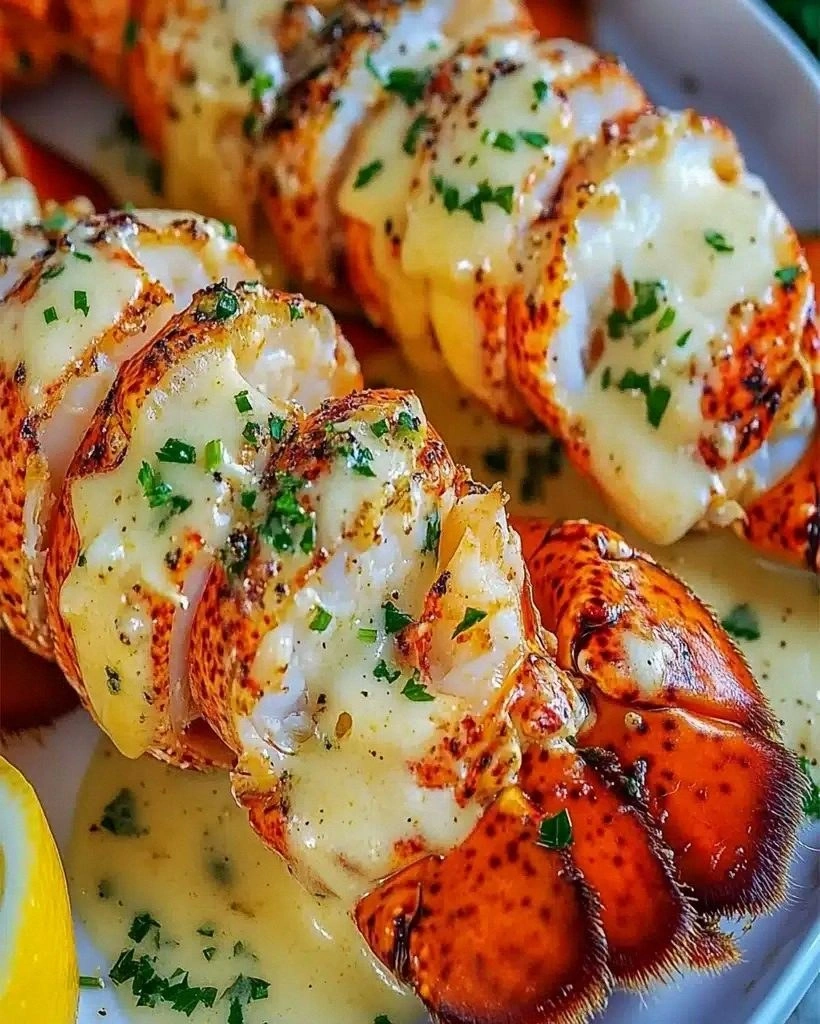
Picture this: it's Saturday night, your phone buzzes with a text from your best friend saying they're dropping by with a bottle of wine in twenty minutes, and you have nothing in the house except frozen lobster tails, butter, and a dream. I’ve been there—hair in a messy bun, fridge door open, brain racing—until I remembered the single most ridiculously delicious trick I learned from a Maine fisherman who swore on his crusty rubber boots that the secret to lobster nirvana is equal parts patience, garlic, and audacity. That night I whipped up these creamy garlic-butter lobster tails so fast the butter hadn’t even finished foaming before the doorbell rang, and my friend took one bite, eyes rolling back like she’d discovered a new planet. The sauce pooled like liquid gold, fragrant with nutty browned butter and roasted garlic, hugging each tender morsel so luxuriously that we ended up sopping it with torn baguette until the pan looked brand new.
Most recipes overthink lobster: brines, complicated shell-scissors choreography, fussy court-bouillons that leave your kitchen smelling like a fish market on a hot day. Not this one. I’m giving you restaurant-level results with home-cook sanity—no thermometers, no fear, no second mortgage. The magic combo is a quick butterfly snip, a lightning-fast sear in garlicky butter, then a gentle simmer in lightly thickened cream that keeps the lobster plump instead of rubbery. I dare you to taste this and not go back for seconds; I ate half the batch before anyone else got to try it, standing over the skillet like a dragon guarding treasure, swiping crusty bread through the sauce and pretending I was “testing seasoning.”
What makes this version stand out is the layering: butter first, garlic second, lobster third, cream fourth—each step building a flavor skyscraper. You’ll get crispy, caramelized edges on the meat, a glossy emulsion that coats each forkful like velvet, and a perfume so intoxicating your neighbors will invent reasons to knock. Stay with me here—this is worth it. Let me walk you through every single step; by the end, you’ll wonder how you ever made it any other way.
What Makes This Version Stand Out
- Butter-First Brilliance: Searing the lobster meat directly in foaming butter creates nutty, toasty edges and a fond that seasons the entire sauce—most recipes add butter at the end and miss that depth entirely.
- One-Pan Laziness: Everything happens in a single skillet, meaning zero fancy equipment and only one dish to wash when you’re comatose from deliciousness.
- Cream Without the Glug: We thicken the sauce just enough to coat, not drown, so the lobster taste stays center stage; think silk scarf, not wool blanket.
- Garlic That Behaves: Slowly slivered cloves toasted until golden deliver sweetness, not bitterness—no acrid burnt garlic ruining date night.
- Restaurant Sheen at Home: A quick cold-butter mount at the end emulsifies the sauce into glossy, Instagram-worthy perfection that clings to every curve of the shell.
- Make-Ahead Friendly: Par-cook the tails early, park them in the fridge, and finish in cream ten minutes before guests arrive—fluffy towels of flavor on demand.
Alright, let’s break down exactly what goes into this masterpiece...
Inside the Ingredient List
The Flavor Base
Butter is the canvas, and not just any butter—use the good European-style stuff with 82 % fat. Lower water content means it browns, not splatters, gifting hazelnut notes that mingle with lobster like old friends reuniting at a seaside reunion. Garlic goes in next; slice it thin so it toasts evenly, releasing mellow sugars instead of harsh bite. Skip the jarred minced stuff unless you crave disappointment. Fresh parsley stems simmered with the cream add grassy backbone; save the leaves for the final sprinkle so they stay vivid and perky.
The Texture Crew
Heavy cream gives body, but we cut it with a splash of seafood stock or clam juice so the sauce tastes like oceanic velvet instead of diner Alfredo. A whisper of flour—just a teaspoon—stabilizes the emulsion, preventing the dreaded butter break when you reheat leftovers. Lemon zest brightens without watering things down; juice can curdle hot dairy, so zest is the safer high-five of acidity.
The Unexpected Star
A single anchovy fillet melts into the butter and vanishes, leaving only profound savoriness—don’t freak out, you won’t taste fish, just amplified lobster. Smoked paprika adds subtle campfire vibes that whisper rather than shout, making every bite feel like a beach clambag party. If you’re anchovy-averse, substitute a teaspoon of fish sauce; same umami bomb, different wrapper.
The Final Flourish
Cold diced butter swirled in off-heat gives that restaurant gloss, a trick pastry chefs use for chocolate ganache that works miracles here. A quick grate of Parmesan sounds controversial, but a tablespoon adds crystalline glutamates that make your tongue do backflips without stealing the lobster limelight. Finish with freshly cracked pink peppercorns for floral heat that blooms slowly instead of the aggressive bite of black pepper.
The Method — Step by Step
- Pat the lobster tails dry with paper towels; moisture is the enemy of browning. Using kitchen shears, cut down the top of each shell, stopping at the fan tail. Gently crack the shell open and lift the meat, resting it on top so it looks like it’s sunbathing—this presentation gets called “piggyback” and cooks evenly while looking restaurant fancy. Season with kosher salt and a flick of smoked paprika; the salt draws out surface proteins that help a golden crust form.
- Heat a heavy stainless or cast-iron skillet over medium-high until a drop of water skitters like it’s late for a meeting. Add two tablespoons of butter; when it foams and the foam subsides, lay the lobster tails meat-side down. Listen for that confident sizzle—absolute perfection. Sear for exactly two minutes; you want bronzed edges, not gray sadness. Flip onto the shells; they’ll act like little kayaks keeping the meat from overcooking.
- Lower heat to medium and scoot the tails to the perimeter. Toss in the remaining butter and sliced garlic; stir constantly until the garlic turns the color of toasted almonds—about sixty seconds. This is the moment of truth: undercooked garlic tastes raw, overcooked tastes bitter, so hover like a helicopter parent. Your nose will tell you when it’s right; the aroma jumps from sharp to sweet and nutty.
- Splash in seafood stock and scrape the golden bits with a wooden spoon; those browned specks are culinary gold dust. Stir in cream, anchovy, and parsley stems. Return lobster to the center; spoon sauce over so every curve bathes in garlicky luxury. Cover and simmer gently for five minutes—no boiling or the cream will break like a bad relationship.
- Lift tails onto a warm plate. Whisk Parmesan and lemon zest into the sauce, then kill the heat and scatter cold butter cubes. Swirl the pan like you’re slow-dancing; the sauce emulsifies into glossy magnificence. Slide lobster back in, flip to coat, and you’re thirty seconds from glory.
- Taste the sauce; adjust salt, remembering Parmesan already brought some party favors. Shower with fresh parsley leaves and pink peppercorns. Serve straight from the skillet for rustic charm or plate on warm dinnerware to impress the in-laws. Either way, picture yourself pulling this out of the oven, the whole kitchen smelling like buttered ocean breeze, and try not to chest-bump your reflection.
Insider Tricks for Flawless Results
The Temperature Rule Nobody Follows
Temper your cream by letting it sit on the counter while you sear; cold dairy hitting a hot pan can shock and curdle. Room-temp cream blends seamlessly, giving you that seamless satin texture restaurants charge forty bucks for. If you forget, microwave it ten seconds—just take off the chill, not warm it.
Why Your Nose Knows Best
Browning butter smells like toasted hazelnos and sunshine; the second you detect caramel vibes, add garlic. Waiting longer pushes into bitter territory. Trust your olfactory instincts; they’ve been honed since cave-people roasted mammoth fat.
The 5-Minute Rest That Changes Everything
After saucing, let the tails rest off-heat, loosely tented, for five minutes. Proteins relax, juices redistribute, and flavors marry so completely you’ll think the dish rehearsed behind your back. A friend tried skipping this step once—let’s just say it didn’t end well; the lobster seized and the sauce split like bad leggings.
Creative Twists and Variations
This recipe is a playground. Here are some of my favorite ways to switch things up:
Spicy Cajun Carnival
Swap smoked paprika for Cajun seasoning and add a diced chipotle in adobo. Finish with green onions and a squeeze of lime; you’ll feel like Bourbon Street threw a parade in your mouth.
Lemon-Herb Spring Fling
Replace anchovy with grated lemon zest and fold in blanched asparagus tips and fresh dill. Light, grassy, perfect for patio brunches when the daffodils start gossiping.
Smoky Bacon Surf-n-Turf
Render two strips of bacon first; use the fat instead of butter. Crumble bacon on top at the end. It’s like your lobster put on a leather jacket and started a band.
Coconut Curry Escape
Sub half the cream with full-fat coconut milk and add a teaspoon of Thai red curry paste. Finish with cilantro and fresh mango cubes for tropical vacation vibes.
Truffle Luxe Upgrade
Stir in a drop of white truffle oil just before serving and shave black truffle on top if your tax return was kind. Earthy, heady, and guaranteed to make you feel like royalty.
Storing and Bringing It Back to Life
Fridge Storage
Cool leftovers within two hours, stash in an airtight glass container, and refrigerate up to two days. The sauce will thicken like pudding; that’s normal, not a culinary crime scene.
Freezer Friendly
Freeze lobster meat separately from sauce for up to one month. Wrap tails tightly in parchment, then foil; freeze sauce in zip bags laid flat for easy stacking. Thaw overnight in the fridge, never the microwave unless you crave rubber.
Best Reheating Method
Gently warm the sauce in a non-stick pan over low heat with a splash of seafood stock or milk while stirring constantly. Add lobster just until heated through—about three minutes. Add a tiny splash of water before reheating; it steams back to perfection without separating.