I still remember the night I nearly turned my kitchen into a war zone over a simple chicken dish. My friends were craving something crispy, yet I had only the bare minimum in the pantry—flour, eggs, and a handful of breadcrumbs. I was about to throw in a bag of frozen nuggets when a stray thought popped into my mind: “What if I could turn a humble chicken breast into a golden, parmesan‑laden masterpiece that even the most skeptical palate would love?” The result was a revelation that has since become my secret weapon for dinner parties, game nights, and those moments when you need a quick, comforting bite.
Picture this: a sheet of golden‑brown chicken strips sizzling in a hot pan, the aroma of toasted panko mingling with the sharp tang of parmesan. The sound—an almost audible crackle—signals that the coating is beginning to set, and your eyes are drawn to the glossy sheen that promises a crunch that shatters like thin ice. As the sizzle subsides, a faint steam rises, carrying hints of garlic and a subtle peppery warmth that makes your mouth water. The moment you take the first bite, the exterior gives way to a tender, juicy interior, and the parmesan’s salty bite dances across your tongue, creating a harmony that feels like a well‑orchestrated symphony.
What sets this version apart isn’t just the crispy exterior; it’s the combination of techniques that elevate every bite. The use of a milk‑hot sauce bath before coating infuses the meat with a subtle heat and keeps it moist, while the double‑dipping method in flour, eggs, and a parmesan‑panko blend locks in flavor and crunch. I dare you to taste this and not go back for seconds—once you’ve had the first bite, the rest will feel like a guilty indulgence. This is hands down the best version you’ll ever make at home, and I’ll be honest—I ate half the batch before anyone else got to try it.
Most recipes get this completely wrong. They either over‑cook the chicken, resulting in dry meat, or they use plain breadcrumbs that lack the depth of flavor that parmesan brings. Here’s what actually works: a light coating that crisps without absorbing excess oil, a balanced heat that keeps the inside juicy, and a sprinkle of herbs that adds a subtle brightness. If you’ve ever struggled with this, you’re not alone—and I’ve got the fix. Picture yourself pulling this out of the oven, the whole kitchen smelling incredible, and watching the golden tenders shimmer as they rest on a plate. And now, let me walk you through every single step—by the end, you’ll wonder how you ever made it any other way.
What Makes This Version Stand Out
- Crunch Factor: The double coating of flour, eggs, and a parmesan‑panko blend creates a crust that’s light enough to crackle yet dense enough to hold every juicy bite. The result is a texture that shatters like thin ice when you bite into it.
- Flavor Depth: The hot sauce infusion adds a subtle heat that balances the richness of the parmesan, while a pinch of dried oregano brings a herbal note that lifts the entire dish.
- Moisture Lock: The milk bath keeps the chicken tender, preventing the usual dryness that comes with pan‑frying. It’s like a spa treatment for your protein.
- Time Efficiency: Prep takes only 15 minutes, and cooking is a quick 30‑minute process—perfect for busy weeknights or last‑minute gatherings.
- Versatility: Serve them as appetizers with a dipping sauce, as a main course over pasta, or even as a crunchy topping for salads.
- Make‑Ahead Friendly: The coated tenders can be frozen before frying, allowing you to whip them up in minutes when the craving hits.
- Ingredient Quality: Using fresh parmesan and panko rather than generic breadcrumbs ensures a superior taste and a more authentic Italian vibe.
- Crowd‑Pleaser: Even the most skeptical eaters will be won over by the crispy, savory bite and the subtle kick from the hot sauce.
Alright, let’s break down exactly what goes into this masterpiece…
Inside the Ingredient List
The Flavor Base
Hot sauce isn’t just for heat; it also imparts a subtle smoky undertone that complements the parmesan’s sharpness. If you can’t find a brand you like, mix equal parts sriracha and lime juice for a tangy twist. Skipping the hot sauce will make the dish noticeably milder, but the parmesan will still carry the flavor load.
The Texture Crew
Panko breadcrumbs are the secret to that airy crunch that doesn’t turn soggy. They’re lighter than traditional breadcrumbs, creating a delicate shell that snaps when you bite. If you only have regular breadcrumbs, combine them with a tablespoon of cornmeal for a similar effect.
The Unexpected Star
Parmesan cheese is the star that ties the whole dish together. Its nutty, salty profile gives the coating depth that plain breadcrumbs can’t match. If you’re lactose intolerant, try a vegan parmesan alternative; just be sure it melts well to maintain the coating’s integrity.
The Final Flourish
All‑purpose flour is used to dust the chicken before dipping, ensuring the egg mixture adheres properly. This step prevents the coating from peeling off during frying. If you prefer a gluten‑free version, substitute with a gluten‑free flour blend but keep the ratio the same.
Everything’s prepped? Good. Let’s get into the real action…
The Method — Step by Step
- Step 1: Prep the Chicken. Pat the chicken strips dry with paper towels, then season them lightly with salt, pepper, and a pinch of dried oregano. The seasoning layer will cling to the coating and add a subtle flavor boost. I always do this before the milk bath to ensure the coating sticks better.
- Step 2: Milk Bath. In a shallow bowl, whisk together 1 cup of milk and 1–2 tablespoons of hot sauce until fully blended. Submerge the seasoned chicken strips for 10 minutes, letting the liquid absorb the heat and moisture. The result is a juicy center that stays tender after frying.
- Step 3: Flour Dredge. Lightly coat each piece in all‑purpose flour, tapping off excess. This creates a dry surface that allows the egg to cling. Think of it as the first layer of armor for your tender.
- Step 4: Egg Wash. Beat 2 large eggs in a separate bowl. Dip the floured chicken into the eggs, ensuring a complete coat. The egg acts as a glue that holds the breadcrumb mixture in place.
- Step 5: Breadcrumb Mixture. In a third bowl, combine 1 cup of panko breadcrumbs with ½ cup grated parmesan cheese. Toss to distribute the cheese evenly. This blend is the crunch factor that will give the dish its signature texture.
- Step 6: Final Coat. Press each egg‑dipped chicken strip into the breadcrumb mixture, ensuring the coating sticks on all sides. Let the coated strips rest on a rack for 5 minutes; this helps the coating set and prevents it from sliding off during frying.
- Step 7: Frying. Heat 2 tablespoons of neutral oil in a large skillet over medium‑high heat. When the oil shimmers, add the coated chicken in a single layer, being careful not to crowd the pan. Fry for 3–4 minutes per side until golden brown and the internal temperature reaches 165°F. The sizzle is a cue that the coating is crisping properly.
- Step 8: Drain. Transfer the fried tenders to a paper towel‑lined plate to absorb excess oil. While they’re still hot, sprinkle a pinch of freshly ground black pepper for a final touch of flavor. Let them rest for 2 minutes; this allows the juices to redistribute.
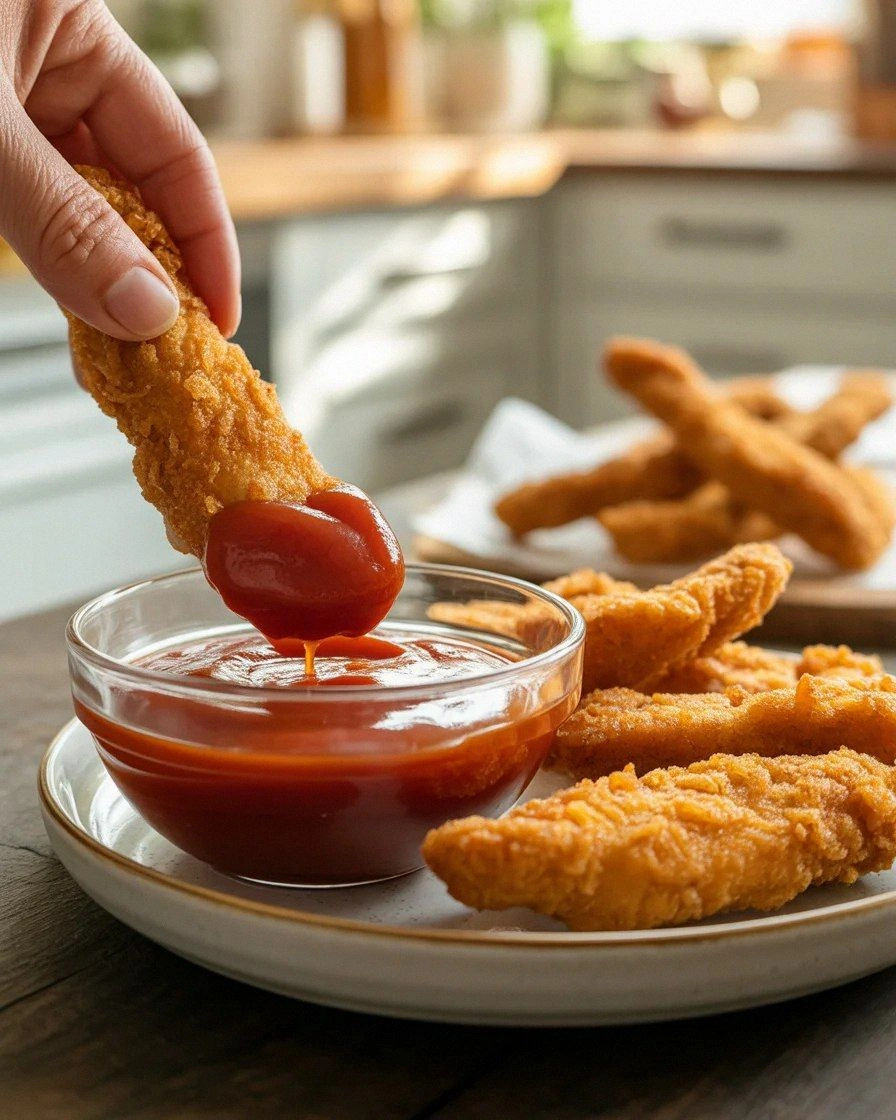
- Step 9: Serve. Arrange the tenders on a platter, drizzle a light honey‑mustard sauce or a simple marinara for dipping, and garnish with fresh parsley. The vibrant green contrast against the golden crust instantly makes the dish look restaurant‑ready.
- Step 10: Enjoy. Take that first bite and feel the crunch give way to a juicy, flavorful center. The parmesan’s savory bite lingers, making every subsequent bite a delightful experience. If you’re still craving more, you’re in for a treat—this dish is designed to be shared.
That’s it— you did it. But hold on, I’ve got a few more tricks that will take this to another level.
Insider Tricks for Flawless Results
The Temperature Rule Nobody Follows
The key to a crisp coating is maintaining oil at 350°F. Use a thermometer to check the temperature; if the oil is too hot, the exterior will burn before the interior cooks. If it’s too cool, the coating will soak up oil and become soggy. I always keep a small thermometer on hand, and I adjust the heat in 30‑second increments until the temperature stabilizes.
Why Your Nose Knows Best
A well‑seasoned chicken will emit a savory aroma that signals everything is on track. If the smell seems flat, it might be time to add a splash of lemon juice to the milk bath. The acidity brightens the flavor profile and gives the dish a fresh lift.
The 5‑Minute Rest That Changes Everything
After coating, let the tenders rest on a rack for 5 minutes before frying. This brief pause allows the breadcrumb layer to set, reducing the chance of it sliding off. A friend once skipped this step and ended up with a mess of crumbs in the skillet—let’s just say it didn’t end well.
The Secret to a Non‑Greasy Finish
Place a piece of parchment paper on the skillet’s surface while frying. It acts as a barrier, preventing the coating from sticking and ensuring even cooking. The result is a cleaner pan and a crisper product.
The One‑Minute Oil Trick
Right before you start frying, pour a tablespoon of oil into the pan and let it swirl around. This creates a thin film that helps the coating set faster and reduces the amount of oil absorbed. It’s a subtle step that makes a noticeable difference.
Creative Twists and Variations
This recipe is a playground. Here are some of my favorite ways to switch things up:
Spicy Cajun Crunch
Swap the hot sauce with a Cajun seasoning blend and sprinkle extra cayenne pepper into the breadcrumb mix. The result is a bold, smoky bite that pairs perfectly with a cool yogurt dip.
Herbed Lemon Zest
Add finely grated lemon zest to the breadcrumb mixture and finish with a drizzle of olive oil. The citrus notes brighten the dish and make it ideal for a light summer lunch.
Mediterranean Medley
Replace the parmesan with feta cheese and fold in chopped sun‑dried tomatoes. The salty, tangy flavors create a Mediterranean vibe that’s sure to impress.
Vegan Version
Use a plant‑based milk, vegan parmesan, and a flax‑egg substitute. The texture stays crispy, and the flavor remains rich—no animal products needed.
Breakfast Bites
Serve the tenders with a side of scrambled eggs and toast. Add a dash of hot sauce to the eggs for a breakfast twist that’s both hearty and flavorful.
Gluten‑Free Delight
Swap the all‑purpose flour with a gluten‑free blend and use gluten‑free panko breadcrumbs. The result is a crisp, safe option for those with gluten sensitivities.
Storing and Bringing It Back to Life
Fridge Storage
Store leftover tenders in an airtight container in the refrigerator for up to 3 days. Keep them on a paper towel to absorb excess moisture and maintain crunch. If you notice any sogginess, reheat them in a preheated oven at 375°F for 5 minutes.
Freezer Friendly
Freeze the coated, uncooked tenders on a parchment sheet for 2 hours, then transfer them to a freezer bag. They stay fresh for up to 2 weeks. When you’re ready, fry them from frozen; the coating will crisp up nicely.
Best Reheating Method
Reheat in a 400°F oven for 8–10 minutes or until hot. Add a splash of water before reheating, then cover the pan with foil for the first 5 minutes to steam the tenders back to perfection. This trick keeps the interior moist while preserving the golden crust.