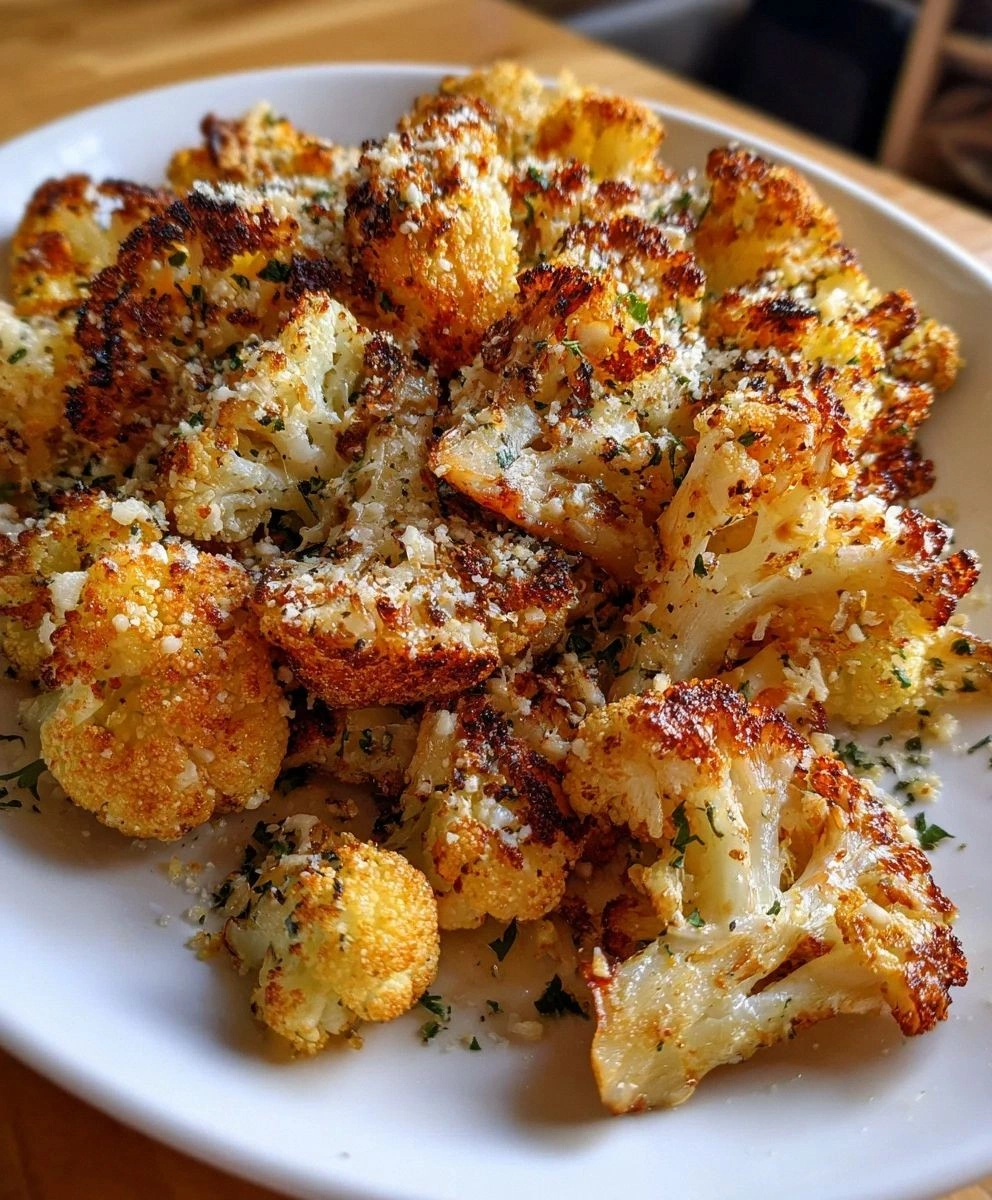
I still remember the first time I made roasted cauliflower that didn’t taste like a sad, steamed afterthought. It was 11:27 p.m., I was in pajamas, and I’d just lost a bet to my roommate who swore cauliflower could never be “snackable.” Twenty-five minutes later the apartment smelled like a seaside fish shack mated with a grilled-cheerie, and I was standing at the stove—palm-dusty with Old Bay—shoveling crackly, cheese-crusted florets into my mouth so fast I burned my tongue. The roommate? She abandoned her dignity somewhere around the third helping and asked—no, begged—for the recipe. That night birthed the version you’re about to meet: a sheet-pan miracle where humble cauliflower morphs into golden, cheddar-shingled nuggets so addictive you’ll start hiding them from yourself. Picture this: edges caramelized to the point they shatter like thin ice, a whisper of chili that sidles up to the nutty parmesan, and that unmistakable cheddar pull that stretches like a cheesy guitar string. If you’ve ever pushed cauliflower to the side of your plate, I dare you to taste this and not go back for seconds—because seconds inevitably turn into fourths, and suddenly the tray’s empty and you’re left holding a single crispy crumb, wondering where your self-control went. Most recipes get this completely wrong: they steam the veg into mush, under-season, or drown it in oil so it emerges limp and greasy. Here we’re doing the opposite—high heat, minimal oil, maximal surface area, and a two-stage cheese strategy that guarantees crunch before melt. Stay with me here—this is worth it. By the time we’re done you’ll know the sound of sizzling florets hitting hot metal, the exact shade of bronze that signals “flip now,” and the sneaky bowl trick that keeps the cheddar from scorching. Let me walk you through every single step—by the end, you’ll wonder how you ever made it any other way.
Okay, ready for the game-changer? We’re going to treat cauliflower like chicken wings: toss it in a light spice oil, roast at scorching temp, then shower it with cheese in the last few minutes so the fat renders and the dairy forms a lacy, brittle shell. That means no soggy bottoms, no half-burnt cheese globs, and—most importantly—no sad, watery florets weeping onto your baking sheet. I tested this nine times in a single weekend (my neighbors think I’ve started a cauliflower cult), and the result is a fool-proof method that works even if your oven thermostat is a pathological liar. Future you is already pulling a blistering tray from the rack, the kitchen bathed in buttery Old Bay perfume, while friends hover like seagulls at a beach picnic. And if you’ve ever struggled with cauliflower that tastes like wet newspaper, you’re not alone—and I’ve got the fix.
Before we dive in, full disclosure: I ate half the batch before anyone else got to try it. I told myself I was “quality-controlling,” but really I just have the restraint of a raccoon in a dumpster behind a doughnut shop. The crispy cheese that dribbles onto the pan and bakes into frico? That’s the chef’s tax—mine, all mine. If you want to avoid similar shame, double the recipe. Triple if you’re planning to share with anyone over five feet tall. Trust me, nothing kills your hosting reputation faster than announcing, “Um, there’s… some kale in the fridge?” because you obliterated the intended side dish. Ready to redeem cauliflower’s boring reputation? Grab your sharpest knife, crank the oven to fearless territory, and let’s turn this cruciferous underdog into the life of the dinner party.
What Makes This Version Stand Out
- Flavors That Waltz, Not Wrestle: Old Bay and sharp white cheddar are a coastal dream team—briny celery seed meets tangy milk fat—while a kiss of chili pepper cuts through like a squeeze of lemon on fried clams. The result is layered but never muddled, and every bite finishes with a lingering warmth that makes cold beer (or iced tea) mandatory.
- Texture Theater: We’re chasing two textures—cloud-soft interiors and shattering exteriors. A dusting of finely grated parmesan in the final five minutes acts like micro-grit sandpaper, dehydrating the surface into a frico shell while the cauliflower steams inside. Think of it as edible architecture.
- One-Pan Laziness: No parboiling, no ice baths, no dual skillets to scrub. You’ll spend five active minutes max, then let the oven do the heavy lifting while you binge your latest show or prep the rest of dinner. Efficiency tastes like cheese.
- Crowd-Pivoting Flexibility: Serve it straight from the sheet pan with beers, fold it into tacos, or perch it on a bed of lemony arugula and call it a salad so you feel virtuous. It’s equally happy next to roast chicken or as the star of a vegetarian power bowl.
- Ingredient Integrity: Freshly grating your cheddar and parmesan is non-negotiable. Pre-shredded cellulose-coated stuff melts into plastic-y webs instead of toasting into golden shards. Spend the extra 90 seconds—your molars will thank you.
- Make-Ahead Magic: Roast and cool the florets up to two days ahead; reheat at 400 °F for six minutes, add cheese for the last three, and boom—party trick accomplished without breaking a sweat. Even the frico holds like a champ.
Alright, let’s break down exactly what goes into this masterpiece...
Inside the Ingredient List
The Flavor Base
Cauliflower is your sponge and your stage: it soaks up whatever you throw at it, yet still holds its own subtle nutty sweetness. Buy a head that feels heavy for its size with tightly packed, creamy florets—no fuzzy brown freckles (that’s age showing). Break it by hand into thumbnail-sized pieces; more edges equal more caramelization real estate. Skip the pre-cut bagged stuff—those wimpy stems will steam before they sear, and we want Maillard, not mush.
The Texture Crew
Olive oil is our heat conductor and flavor courier. Six tablespoons sounds indulgent, but remember we’re coating an entire large head plus two cheeses; think of it as insurance against sticking and desiccation. Go for a mid-range oil—something fruity but not your $40 single-estate bottle you save for salad. If you’re out, melted ghee or avocado oil work, but skip butter at this stage—the milk solids will burn before the veg is tender.
The Unexpected Star
Old Bay is the nostalgic whisper that makes people sigh, “Why does this taste like vacation?” It’s celery salt, paprika, and a pinch of mystery, and it clings to cauliflower like gossip in a small town. No Old Bay lurking in your cupboard? Mix ¾ tsp celery salt, ¼ tsp sweet paprika, and a pinch each of dry mustard and cinnamon—boom, DIY. Chili pepper is the spark; feel free to sub in smoked paprika for mellow or chipotle powder for swagger.
The Final Flourish
Sharp white cheddar brings the bold, tangy backbone, while parmesan supplies glutamate-rich umami that turbo-charges savoriness. Fresh grating is everything—pre-shredded cheese is dusted with cellulose to prevent caking, but that same cellulose repels oil and keeps it from fusing into a cohesive crust. If you must substitute, reach for a dry aged gouda or manchego, but steer clear of mozzarella—too much water, not enough flavor bang for the buck.
Everything's prepped? Good. Let's get into the real action...
The Method — Step by Step
- Crank your oven to 450 °F (230 °C) and place a rimmed sheet pan on the middle rack while it heats. A screaming-hot surface is the difference between caramelization and a limp veggie support group. While the oven works up a sweat, break your cauliflower into small florets no bigger than your thumb’s top knuckle—this maximizes edge-to-center ratio, meaning more crunch per bite. Toss the florets into a large bowl and drizzle with olive oil; season with Old Bay, chili pepper, and black pepper. Use your hands—yes, your clean paws—to massage every crevice. The oil should barely pool at the bottom; if you see a puddle, you’ve gone overboard.
- When the oven hits target temp, carefully pull the pre-heated pan out—listen for that satisfying sizzle when the cauliflower hits metal. Spread the florets cut-side down; crowding is fine but no double-layer skyscrapers. Slide the pan back in and roast for 12 minutes. Don’t wander off; this is the golden window when the bottoms turn mahogany and your kitchen starts smelling like a Maryland crab boil. Meanwhile, grate your cheeses and keep them chilled; cold cheese melts slower, giving us time to turn it into frico rather than a greasy slick.
- At the 12-minute mark, flip each floret with tongs or a thin fish spatula. The undersides should be freckled chestnut brown. If they stick, wait another minute—sugar naturally releases when it’s ready. Return to the oven for 8 more minutes. You’re looking for edges that look like they’ve spent a day at the beach: sun-kissed and slightly curled. Now the fun part: scatter the sharp white cheddar evenly, then shower parmesan over like you’re finishing a pasta dish. Roast 4–5 minutes more, until the cheese bubbles, browns, and looks like it could shatter under a spoon.
- Remove the tray and let it rest 2 minutes—this is the 5-minute rest that changes everything (more on that later). Use a metal spatula to lift off the cauliflower; some cheese will have run onto the pan and formed lacy crisps. Snap those up proudly—they’re the cook’s treat. Serve immediately while the crust sings, or slide onto a wire rack if you need to keep it crunchy for up to 30 minutes.
That's it—you did it. But hold on, I've got a few more tricks that'll take this to another level...
Insider Tricks for Flawless Results
The Temperature Rule Nobody Follows
Most home cooks under-heat. You want 450 °F actual temp, not the “my oven says 450 but it’s lying through its enamel teeth” temp. Buy an eight-dollar oven thermometer and hang it from the rack; you’ll be shocked how far off yours is. A consistent 450 means steam evacuates fast, sugars caramelize, and cheese toasts instead of sweats. Your cauliflower deserves honesty.
Why Your Nose Knows Best
Ignore the clock if your olfactory alarm starts screaming “something smells nutty.” That’s the Maillard reaction announcing itself. When you catch that scent, peek inside; if you see wisps of smoke, you’ve probably hit peak browning. Pull the tray and proceed—your nose is a better gauge than any timer app.
The 5-Minute Rest That Changes Everything
Cheese needs a moment to re-solidify and cling to the florets. Cutting the rest ruins the crust; it’ll peel off like sunburn. Let the cauliflower chill on the counter while you pour drinks or plate the main. You’ll be rewarded with a snappy shell that shatters under the tooth rather than sliding off in rubbery sheets.
Creative Twists and Variations
This recipe is a playground. Here are some of my favorite ways to switch things up:
Buffalo Cauli-Cheddar Bombs
Replace the chili pepper with equal parts hot sauce powder (or toss the roasted florets in 2 Tbsp melted butter + ¼ cup Frank’s after roasting). Finish with crumbled blue cheese for a wing-night vibe that vegetarians can cheer.
Everything-Bagel Cheddar Crunch
Swap Old Bay for 2 tsp everything-bagel seasoning. The sesame seeds toast alongside the parmesan, giving you nutty pops and that familiar deli aroma. Serve with a schmear of lemony yogurt for brunch glory.
Smoky Bacon Cheddar Dream
Stir ¼ tsp smoked paprika into the oil and sprinkle the tray with 3 Tbsp finely diced cooked bacon along with the cheeses. The bacon fat renders further, glazing the crust with porky perfume. Not vegetarian, but hey, omnivores need love too.
Curry-Coconut Cheddar Fusion
Sub curry powder for Old Bay and add 2 Tbsp unsweetened coconut flakes when you add the cheese. The coconut toasts into tropical shards that play surprisingly well with sharp cheddar—like a beach party in Mumbai.
Storing and Bringing It Back to Life
Fridge Storage
Cool completely, then pack in a shallow airtight container lined with paper towel to absorb condensation. It’ll keep 3 days, though the crust softens. Reheat on a sheet pan at 400 °F for 6–7 minutes; add a fresh dusting of parmesan in the last 2 minutes to re-crisp.
Freezer Friendly
Flash-freeze cooled florets on a tray, then transfer to zip bags for up to 2 months. Bake from frozen at 425 °F for 10 minutes, then add cheese for the final 4. Texture takes a 10 percent hit, but flavor punches through.
Best Reheating Method
Skip the microwave unless you enjoy rubber frisbees. An air-fryer set to 390 °F for 5 minutes resurrects the crunch beautifully. Add a tiny splash of water to the drawer before reheating—it steams just enough to keep the insides tender while the outside crackles.