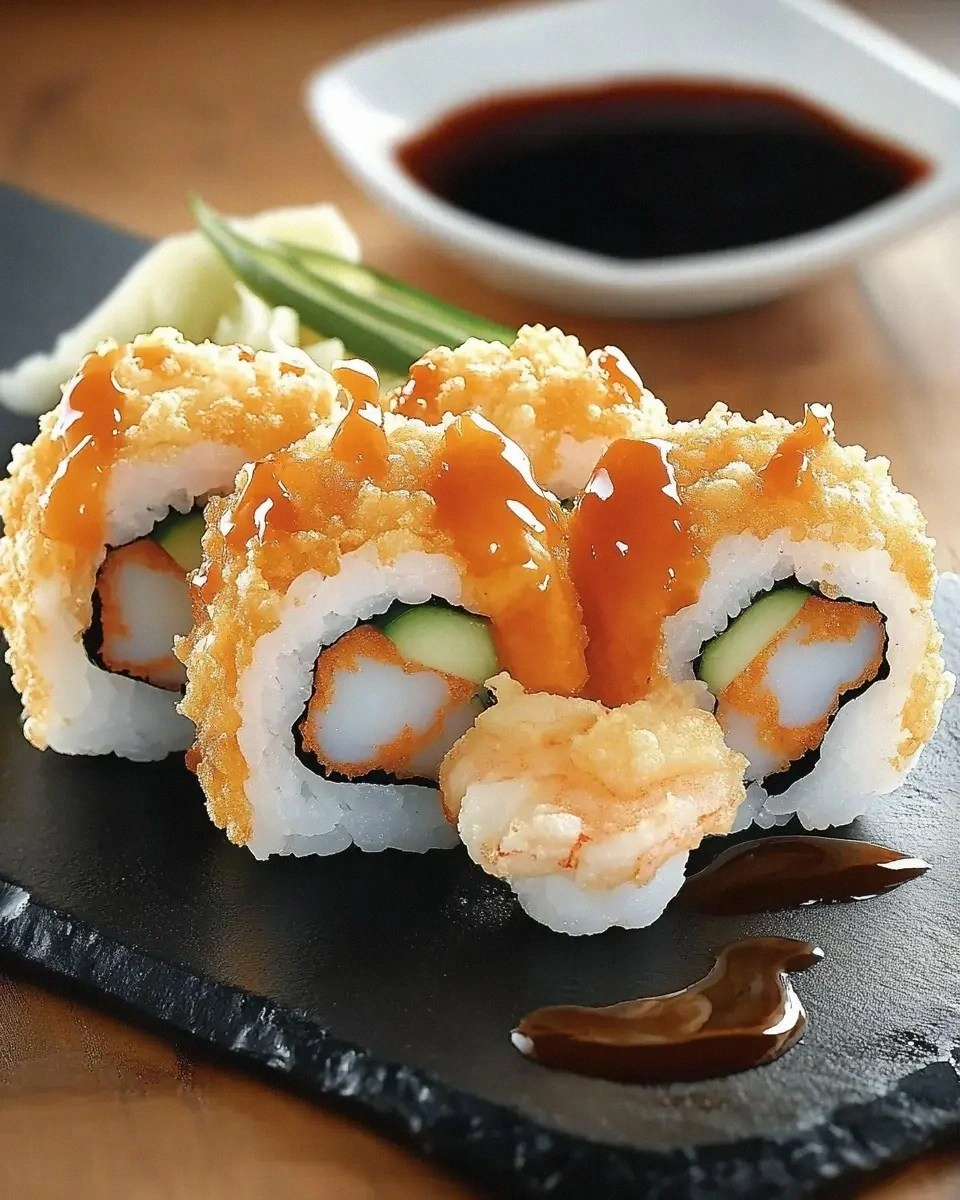
I was standing in my tiny kitchen, the kind where the countertop doubles as a dance floor, when my roommate shouted, “You’ve got to try my new sushi place tonight!” I laughed, but inside my brain a storm was brewing—what if I could out‑shine that place with something I could make at home? The thought of a crunchy, golden shrimp tempura roll dancing on a plate was enough to make my heart race faster than a sushi chef’s knife. I grabbed a bag of frozen shrimp, a bottle of rice vinegar, and a daring idea: why not wrap the whole thing in nori and give it the ultimate crunch? The first attempt was a disaster—soggy rice, limp shrimp, and a roll that fell apart like a bad joke. But I didn’t quit; I tweaked, I tasted, I dared myself to keep going until the result was nothing short of a revelation.
Picture this: the moment you slice into the roll, the scent of toasted nori mingles with a faint whisper of sea breeze, while the avocado’s buttery green glistens like polished jade. The shrimp, cloaked in a light tempura veil, crackles under your teeth with a texture that shatters like thin ice, yet remains tender enough to melt on your tongue. The cucumber adds a crisp snap that reminds you of a fresh garden after rain, and the soy sauce, wasabi, and pickled ginger provide a punchy finish that makes your taste buds do a happy jig. It’s a full‑sensory experience, a rollercoaster of flavors that makes you want to shout, “I dare you to taste this and not go back for seconds!”
Most recipes get the tempura part completely wrong—either they fry the shrimp straight out of the freezer, resulting in soggy batter, or they over‑batter, masking the shrimp’s natural sweetness. Here’s what actually works: a light, airy batter made with ice‑cold water, a quick fry at the perfect temperature, and a rice that’s seasoned just right to hold everything together without turning gummy. The secret ingredient? A splash of rice vinegar that brightens the rice and balances the richness of the avocado. I’ll be honest—I ate half the batch before anyone else got to try it, and that’s a confession I’m not ashamed of.
Okay, ready for the game‑changer? This recipe uses a simple sushi rice technique that guarantees fluffy grains, a tempura batter that stays crisp even after a minute, and a rolling method that even a beginner can master. The result? Hands down the best version you’ll ever make at home, and it will make you the star of any gathering, from casual movie nights to upscale dinner parties. Let me walk you through every single step — by the end, you’ll wonder how you ever made it any other way.
What Makes This Version Stand Out
- Crunch Factor: The tempura batter is chilled to near‑freezing, creating a crackling crust that shatters like thin ice with each bite.
- Flavor Balance: A precise blend of rice vinegar, sugar, and salt gives the rice a bright, tangy backdrop that lifts the shrimp’s sweetness.
- Simplicity: No fancy equipment required—just a pot, a skillet, and a bamboo mat, making it accessible for anyone.
- Ingredient Quality: Fresh shrimp and ripe avocado are the heroes; their natural flavors shine through without being overpowered.
- Crowd Reaction: Guests invariably ask for the recipe, and you’ll watch them line up for seconds—trust me, it’s a showstopper.
- Make‑Ahead Potential: The rice and shrimp can be prepared ahead, and the roll holds up beautifully for a few hours before serving.
- Versatility: Swap in crab, tuna, or even sweet potato for a different twist without losing the core magic.
- Visual Appeal: The vibrant green avocado, ruby‑red shrimp, and jet‑black nori create a picture‑perfect plate that’s Instagram‑ready.
Inside the Ingredient List
The Flavor Base
Sushi rice is the silent hero of any roll. Using 1 cup of short‑grain rice gives you that sticky, cohesive texture that holds the roll together without turning mushy. The 1 ¼ cups of water are measured precisely to achieve the perfect grain‑to‑water ratio; too much water, and you get a soggy mess, too little and the rice stays hard. Adding 2 tablespoons of rice vinegar, 1 tablespoon of sugar, and ½ teaspoon of salt creates a subtle sweet‑sour glaze that brightens every bite, making the shrimp’s flavor pop like fireworks. If you skip the vinegar, you’ll lose that bright lift, and the roll will feel flat and heavy.
The Texture Crew
The star of the show is the shrimp, and we’re using a full pound of it—about 12‑15 medium‑sized pieces. Fresh, peeled, and deveined shrimp give you that clean ocean taste; frozen shrimp can work, but be sure to thaw them completely and pat them dry, or you’ll end up with a soggy batter. The tempura batter mix (1 cup) combined with 1 cup of ice‑cold water creates a whisper‑thin coating that fries up crisp in seconds. Vegetable oil is essential for deep frying; use a neutral oil with a high smoke point like canola or grapeseed to avoid any off‑flavors.
The Unexpected Star
Avocado brings a buttery richness that balances the crunch, while cucumber adds a refreshing snap that cuts through the richness. Choose a ripe but firm avocado—if it’s too soft, it will turn the roll mushy; too hard, and it won’t blend well. A single cucumber, sliced into thin strips, provides that garden‑fresh crunch that keeps the palate from feeling overloaded. These two ingredients are the secret weapons that turn a good roll into a great one.
The Final Flourish
Soy sauce, wasabi, and pickled ginger are the classic accompaniments that bring the whole experience together. Soy sauce offers a salty umami base, wasabi adds a sinus‑clearing heat, and the ginger provides a palate‑cleansing zing. While you could serve these on the side, a light drizzle of soy sauce over the roll right before serving adds a glossy finish that makes the dish look restaurant‑level polished. Remember, the goal is balance—none of these should overpower the delicate flavors inside.
Everything's prepped? Good. Let's get into the real action…
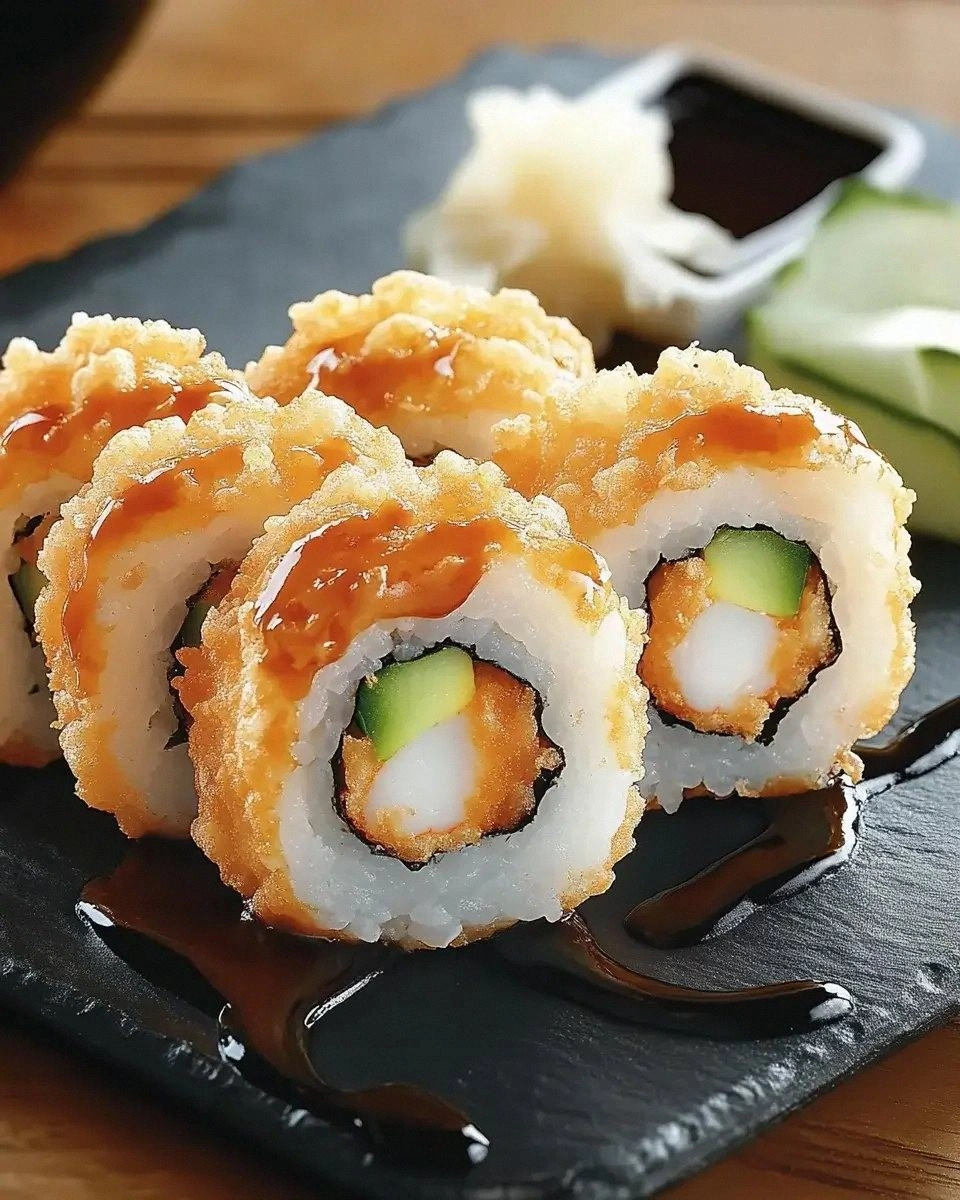
The Method — Step by Step
Start by rinsing the sushi rice under cold water until the water runs clear. This removes excess starch that would otherwise make the rice gummy. Transfer the rice and 1 ¼ cups of water to a saucepan, bring to a boil, then cover and simmer on low for 15 minutes. Once done, let it sit off the heat for another 10 minutes. Tip: The rice should be fluffy and each grain distinct—like tiny pearls ready to be seasoned.
While the rice cooks, mix the seasoning: combine 2 tablespoons rice vinegar, 1 tablespoon sugar, and ½ teaspoon salt in a small bowl. Stir until dissolved, then gently fold the mixture into the warm rice. Use a wooden spatula and a cutting motion to avoid crushing the grains. The rice will turn a delicate pink‑gold hue and emit a fragrant aroma that makes you feel like you’re already at a sushi bar.
Prepare the shrimp: peel, devein, and pat them dry with paper towels. This step is crucial—any moisture will cause the batter to steam rather than fry, resulting in a soggy coating. Watch Out: If the shrimp are not completely dry, the batter will clump and lose its airy crunch.
Make the tempura batter: in a bowl, whisk 1 cup tempura batter mix with 1 cup ice‑cold water until just combined. A few lumps are okay; over‑mixing will develop gluten and make the coating heavy. Keep the bowl on a bed of ice to maintain that frosty temperature, which is the secret to a light, airy crust.
Heat vegetable oil in a deep skillet or wok to 350°F (175°C). Use enough oil to submerge the shrimp fully—about 2 inches deep. To test, drop a tiny spoonful of batter into the oil; it should sizzle and rise to the surface within 2 seconds. That sizzle when it hits the pan? Absolute perfection.
Dip each shrimp into the batter, letting excess drip off, then carefully lower them into the hot oil. Fry for 1‑2 minutes, turning once, until the coating turns a pale golden‑brown and feels crisp to the touch. Remove with a slotted spoon and place on a paper‑towel‑lined plate to drain. Watch Out: Over‑frying will make the shrimp tough and the batter overly dark.
While the shrimp cool slightly, slice the avocado in half, remove the pit, and scoop out the flesh. Slice into thin strips lengthwise. Do the same with the cucumber—remove seeds if they’re large, then cut into match‑stick sized pieces. These will add crunch and a fresh counterpoint to the fried shrimp.
Lay a sheet of nori shiny‑side down on a bamboo sushi mat. With wet hands (to prevent sticking), spread a thin, even layer of seasoned rice over the nori, leaving a ½‑inch border at the top edge. The rice layer should be about ¼‑inch thick—enough to hold the fillings but not so thick that it overpowers them.
Arrange 2‑3 pieces of tempura shrimp along the bottom edge of the rice, then add avocado and cucumber strips. Drizzle a tiny splash of soy sauce over the fillings for an extra umami boost. Using the bamboo mat, gently roll the nori over the fillings, applying even pressure to create a tight cylinder. Seal the roll by moistening the top border of nori and pressing gently.
Using a sharp, wet knife, slice the roll into 6‑8 bite‑size pieces. Wipe the knife between cuts to keep the slices clean. Arrange the pieces on a serving platter, garnish with pickled ginger and a dab of wasabi on the side, and serve with soy sauce for dipping. This next part? Pure magic. The moment you bite into that first piece, the crunch, the creaminess, the tang—all collide in perfect harmony.
That's it — you did it. But hold on, I've got a few more tricks that'll take this to another level. Stay with me here — this is worth it.
Insider Tricks for Flawless Results
The Temperature Rule Nobody Follows
Keeping the oil at a steady 350°F is the golden rule. If the temperature fluctuates, the batter will either absorb oil (if too low) or burn (if too high). Use a deep‑fat thermometer and adjust the heat in small increments. I once tried to eyeball the temperature and ended up with a greasy, limp roll—lesson learned. Maintaining that steady heat gives you that airy, crisp crust that shatters delightfully.
Why Your Nose Knows Best
Your sense of smell is a secret weapon. When the oil reaches the right temperature, you’ll notice a faint nutty aroma—this is the moment to start frying. If you smell a faint “fry” scent before adding the batter, the oil is ready. Trust that nose; it’s more reliable than any thermometer after a few tries.
The 5‑Minute Rest That Changes Everything
After frying, let the shrimp rest on a cooling rack for exactly five minutes. This brief pause allows excess oil to drip away and the crust to set, preserving its crunch. Skipping this step often results in a soggy exterior that loses its snap. I once served shrimp immediately after frying and the roll turned into a mushy mess—never again.
Rice Handling Like a Pro
When mixing the vinegar seasoning into the rice, use a wooden spatula and a cutting motion rather than stirring. This prevents the grains from breaking and keeps the texture light. Over‑mixing creates a mushy base that can’t hold the roll together. The gentle fold also helps the rice cool faster, which is essential for a firm roll.
The Soy Sauce Drizzle Secret
Instead of dunking the roll, lightly drizzle soy sauce over the top just before serving. Use a squeeze bottle for control, and aim for a thin veil that adds shine and umami without drowning the flavors. This technique makes the roll look restaurant‑polished and ensures each bite gets a balanced salty hit.
Creative Twists and Variations
This recipe is a playground. Here are some of my favorite ways to switch things up:
Spicy Mayo Explosion
Mix Japanese mayo with sriracha and a dash of lime juice, then drizzle inside the roll before adding the shrimp. The heat from the mayo pairs beautifully with the cool avocado, creating a contrast that makes your mouth dance.
Tropical Twist
Swap cucumber for thin slices of mango and add a few strips of fresh pineapple. The sweet‑tart fruit complements the shrimp’s savory crunch, turning the roll into a beach‑side snack.
Veggie‑Only Delight
Replace shrimp with tempura sweet potato or zucchini for a vegetarian version. The sweet potato’s caramelized edges add depth, while the zucchini keeps it light.
Crunchy Nutty Layer
Add a thin layer of toasted sesame seeds or crushed peanuts inside the roll for an extra nutty crunch that elevates the texture profile.
Umami Boost
Incorporate a strip of marinated shiitake mushroom alongside the shrimp. The earthy mushroom deepens the umami, making the roll even more satisfying for seasoned palates.
Storing and Bringing It Back to Life
Fridge Storage
Wrap the roll tightly in plastic wrap and store in an airtight container for up to 24 hours. The rice may firm up, but a quick 30‑second steam in the microwave (covered with a damp paper towel) revives its softness.
Freezer Friendly
Individually wrap each piece in parchment, then place in a freezer‑safe bag. They’ll keep for up to 2 weeks. To reheat, thaw in the fridge overnight, then steam for 2 minutes; the tempura crust will regain its crunch.
Best Reheating Method
Add a tiny splash of water to the bottom of a skillet, cover, and heat over low for 2 minutes. The steam will soften the rice while the bottom of the roll crisps up, preserving that coveted crunch. Avoid microwaving alone—it makes the tempura soggy.