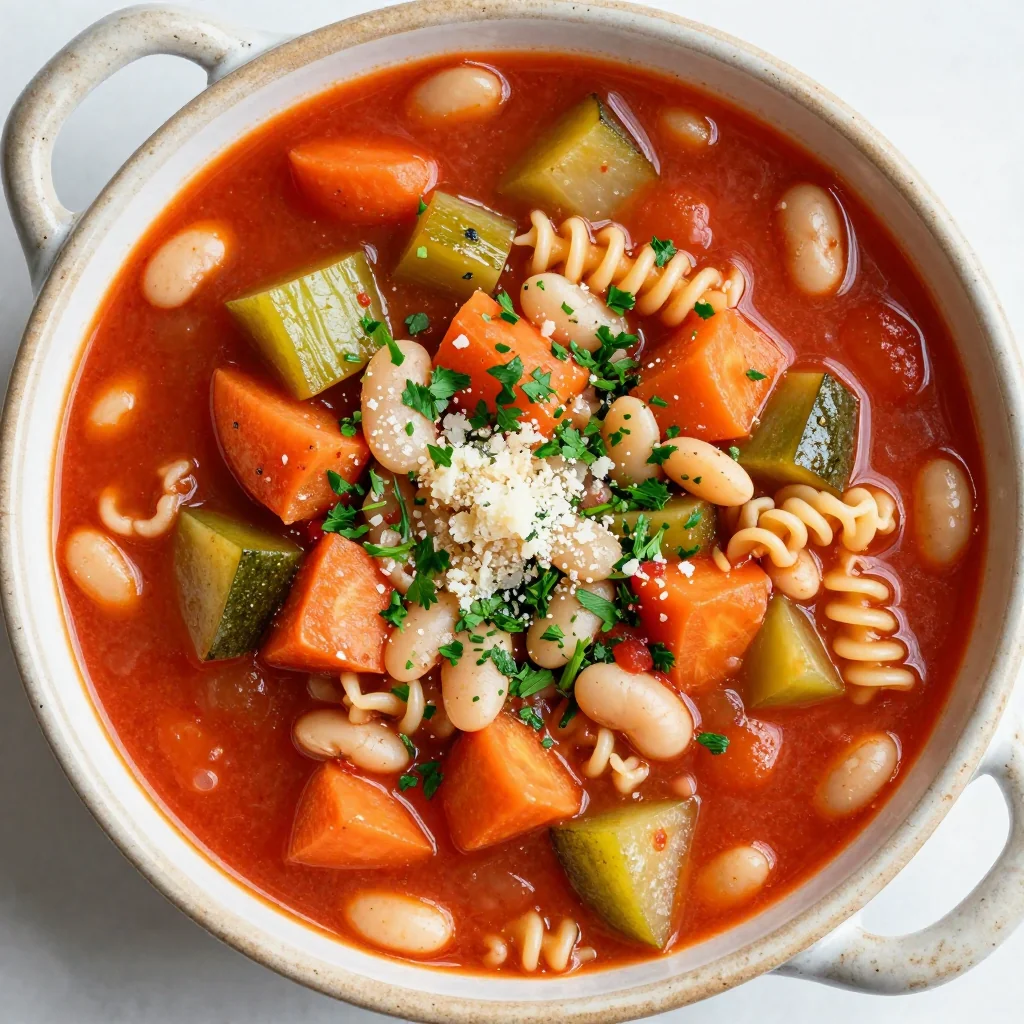
The first thing you notice is the rich, golden hue that spreads across the pot, like a sunset captured in liquid. The aroma that rises is a complex bouquet of garlic, oregano, and that unmistakable smokiness from the sausage. When you lift the spoon, the steam curls around your face, carrying a faint hint of tomato and herbs that promise comfort. The first bite is a silky explosion of cream and beans, with the peppery kick of fennel seeds that lingers on the palate. The texture is a perfect balance between smoothness and a slight bite from the beans. The overall experience feels like a warm blanket wrapped around your stomach, but with the satisfying crunch of fresh parsley on top.
What makes this recipe a game‑changer is the secret infusion of red pesto, which gives the soup a bright, almost citrusy depth that most bean soups lack. The use of heavy cream is tempered by a splash of tomato paste, creating a velvety body that doesn’t feel heavy on the stomach. The combination of fennel seeds and chili flakes adds a subtle complexity that keeps each spoonful interesting. I dare you to taste this and not go back for seconds because the flavors are so harmonious. The technique of browning the sausage first releases a caramelized flavor that anchors the dish. The final touch of grated Parmesan and a drizzle of olive oil lifts the entire bowl into a gourmet experience.
Imagine yourself pulling this out of the pot, steam curling like a cloud, and the whole kitchen smelling incredible. You’ll see the beans glistening with that glossy sheen, the sauce thick enough to coat the spoon, and the sausage chunks glimmering like tiny jewels. I’ve spent hours tweaking the ratios and I’m not about to give up my secret without sharing it. If you’ve ever struggled with a bean soup that tastes bland or too thick, you’re not alone — and I’ve got the fix. Okay, ready for the game‑changer? Let’s dive into the details and craft a bowl that will become your new comfort food staple.
What Makes This Version Stand Out
- Taste: The combination of smoky sausage, tangy red pesto, and the gentle sweetness of canned beans creates a flavor profile that is both familiar and exhilarating. Every spoonful is a reminder of why comfort food is the best kind of food.
- Texture: The beans stay tender yet firm, while the heavy cream gives the soup a silk‑like mouthfeel that coats the palate. The occasional crunch of fennel seeds adds a pleasant contrast that keeps the dish interesting.
- Simplicity: With just a handful of pantry staples, this recipe can be whipped up in less than an hour. No fancy equipment or obscure ingredients required.
- Uniqueness: The unexpected splash of red pesto gives the soup a bright, almost citrusy finish that sets it apart from traditional bean soups.
- Crowd Reaction: Friends who have tried this version rave about how the dish can be both filling and light at the same time. It’s a guaranteed hit at potlucks and family dinners.
- Ingredient Quality: Using fresh Italian sausage and high‑quality canned beans elevates the dish beyond the average comfort bowl. The quality of the ingredients shines through in every bite.
- Cooking Method: Browning the sausage first and then deglazing with broth adds depth that simmering alone can’t achieve. The method is straightforward but delivers a complex flavor.
- Make‑ahead Potential: The soup keeps well in the fridge for up to five days and freezes beautifully, making it a practical option for busy weeknights.
Inside the Ingredient List
The Flavor Base
The foundation of any great soup is the aromatics you cook first. In this recipe, olive oil, diced onion, and minced garlic form a fragrant base that sets the stage for the rest of the dish. The onion adds a subtle sweetness, while the garlic injects a punch of savory depth that lingers on the tongue. Skipping any of these would result in a flatter, less dynamic flavor profile.
The Italian sausage is more than just protein; it brings a smoky, slightly sweet undertone that complements the beans perfectly. Brown the sausage in a hot skillet until it’s golden brown on all sides; this caramelization locks in moisture and releases a rich, meaty aroma. If you prefer a vegetarian version, replace the sausage with a hearty vegetable or a plant‑based sausage alternative.
The Texture Crew
Cannellini beans are the star of the show, providing a creamy, slightly nutty texture that blends seamlessly with the broth. Their mild flavor allows the other ingredients to shine without overpowering them. Using canned beans saves time, but if you’re feeling adventurous, homemade beans will add a deeper, more complex flavor.
The heavy cream is the key to that luxurious mouthfeel. It thickens the broth without making it cloying, thanks to the balancing act of tomato paste and broth. A splash of cream can be substituted with coconut milk for a dairy‑free version, though the flavor will shift slightly toward a tropical note.
The Unexpected Star
Red pesto is the secret weapon that elevates this soup from ordinary to extraordinary. It introduces a bright, herbaceous flavor that cuts through the richness of the cream and the heaviness of the sausage. The pesto also adds a subtle heat from chili flakes, creating a layered taste experience that keeps you coming back for more.
If you don’t have red pesto on hand, you can whip up a quick version by blending roasted red peppers, garlic, pine nuts, and a splash of olive oil. This homemade blend will give you a fresh, vibrant kick that’s just as effective. Remember, the pesto’s color and aroma are the first things that signal this soup’s deliciousness.
The Final Flourish
A handful of fresh parsley adds a burst of green and a pop of brightness that balances the richness of the cream. Grated Parmesan, sprinkled on top, adds a salty, nutty finish that rounds out the flavor profile. The final drizzle of olive oil gives the soup a silky sheen and a subtle fruity note that makes every spoonful feel indulgent.
Everything’s prepped? Good. Let’s get into the real action and watch the magic unfold.

The Method — Step by Step
- Heat a large pot over medium heat and add the olive oil. Once the oil shimmers, drop in the diced onion and minced garlic, sautéing until the onion turns translucent and the garlic releases its perfume. This should take about 3–4 minutes; keep the heat moderate to avoid burning the garlic. The aroma rising from the pot is a clear sign that the base is ready for the next step. If the mixture starts to stick, add a splash of water to loosen it.
- Introduce the Italian sausage to the pot, breaking it apart with a wooden spoon. Cook until it’s browned on all sides and the juices have rendered out, about 5–7 minutes. The sausage should look caramelized and slightly crisp around the edges. This browning process locks in flavor and adds a delightful texture contrast to the soup. Once browned, set the sausage aside on a plate; you’ll return it later.
- Return the sausage to the pot and pour in the chicken broth, ensuring the sausage is submerged. Stir in the tomato paste, allowing it to dissolve into the liquid and spread its deep, umami flavor. The broth should bubble gently, creating steam that lifts the aroma to the ceiling. Let the mixture come to a low simmer, then add the canned cannellini beans, crushing them slightly with the back of a spoon for a smoother texture. Keep the heat low to prevent the beans from breaking apart.
- Stir in the puréed tomatoes, red pesto, fennel seeds, and chili flakes. The mixture should thicken slightly and take on a rich, amber color. Taste the soup; it should have a balanced acidity from the tomatoes and a subtle heat from the chili. If it feels too thick, add a splash of broth or water to reach your desired consistency. This is the moment when the flavors begin to meld into a harmonious whole.
- Reduce the heat to low and let the soup simmer gently for about 15 minutes, allowing the flavors to deepen and the beans to soak up the broth. Stir occasionally to prevent sticking and to ensure even cooking. The simmering process also helps the cream to emulsify with the broth, creating a silky texture. Keep the lid slightly ajar so that steam can escape, preventing the soup from boiling over.
- Add the heavy cream and grated Parmesan, stirring until the cheese melts into the liquid. The soup should now have a glossy, velvety sheen that invites you to dig in. Let it heat through for another 3–4 minutes, but avoid a rolling boil to preserve the cream’s texture. This step is crucial for achieving that luxurious mouthfeel that sets this soup apart.
- Season the soup with dried thyme, dried oregano, salt, and black pepper to taste. The herbs should infuse the broth with a fragrant aroma, while the pepper adds a gentle heat that lingers. Taste again; you want the flavors to be well-balanced, not one ingredient dominating. Adjust seasoning as needed, remembering that the Parmesan and sausage already contribute saltiness.
- Garnish each serving with chopped parsley, a swirl of heavy cream, and a sprinkle of Parmesan. The fresh parsley adds a pop of color and a bright, herbal note that cuts through the richness. Serve the soup hot, ideally with crusty bread or a light salad on the side. The combination of textures and flavors will leave everyone asking for more. This final presentation is as important as the cooking process itself.
Now that the soup is bubbling in your pot, let’s talk about how to make it even more special. The key lies in the small details that elevate a dish from good to unforgettable. If you’re watching closely, you’ll notice how the aroma evolves as the herbs infuse the broth. The sound of the gentle simmer is almost meditative, reminding you that cooking is as much about process as it is about flavor. Keep your eyes on the pot; the soup will transform from a simple mixture to a silky, comforting masterpiece.
Next, let’s explore how to plate this soup like a pro. A swirl of cream on top creates a dramatic visual contrast that instantly signals richness. Add a final dusting of Parmesan and a sprinkle of parsley to bring the dish together. The bright green of the parsley is a natural appetite stimulant, making the soup look even more appetizing. Serve it in a deep bowl to capture the aroma and keep the heat inside. The result is a bowl that not only tastes amazing but looks like it was made by a seasoned chef.
If you’re planning a dinner party, this soup can be a showstopper. The comforting flavors appeal to a wide audience, and the creamy texture feels indulgent without being overly heavy. Pair it with a crisp white wine or a light rosé, and you’ll have a balanced, memorable meal. Remember to keep the soup warm in a slow cooker or a covered pot while guests finish their main course. The anticipation of a steaming bowl will keep everyone engaged and satisfied.
Before you start, gather all your ingredients and set them out like a chef preparing for a performance. The organized workspace reduces stress and ensures you don’t miss any steps. Having everything within arm’s reach also allows you to adjust seasoning quickly. This mindful approach to prep is a secret that many overlook but can make a huge difference in the final outcome.
If you’re in a rush, you can skip the browning step and simply add the sausage directly to the broth. However, you’ll lose that caramelized depth that gives the soup its signature flavor. Another time-saving trick is to use pre‑shredded Parmesan, which saves chopping time and ensures even distribution. These small adjustments keep the recipe flexible while preserving its core essence.
The soup’s versatility means you can serve it in a variety of settings—from a cozy family dinner to a sophisticated brunch. The creamy texture and savory flavors pair wonderfully with light, fresh accompaniments. Think a crisp green salad or a baguette with olive oil for dipping. The contrast of textures and flavors will elevate the entire dining experience.
Insider Tricks for Flawless Results
The Temperature Rule Nobody Follows
Most people think that a higher simmer will cook everything faster, but this soup thrives on a low, steady heat that allows the flavors to meld. Cooking at a gentle simmer keeps the beans intact and prevents the cream from separating. The key is patience; let the soup sit for the full 15 minutes after adding the cream for the best texture. I once tried to speed up the process by turning up the heat, and the result was a grainy, uneven soup that needed a whole new batch.
Why Your Nose Knows Best
The aroma of the soup is a reliable indicator of its readiness. When the broth smells toasty and the herbs release their fragrance, it’s time to taste. The smell will also tell you if the soup needs more seasoning or if it’s getting too salty. Trust your nose, and you’ll avoid the common pitfall of over‑seasoning.
The 5-Minute Rest That Changes Everything
After you finish cooking, let the soup rest for five minutes before serving. This short pause allows the flavors to settle and the heat to distribute evenly. The rest also gives the cream a chance to thicken slightly, resulting in a more cohesive mouthfeel. I’ve seen people skip this step, and the soup ends up feeling thin and under‑seasoned.
The Secret to a Smooth Finish
If you prefer a smoother texture, use an immersion blender to partially blend the soup before adding the cream. This technique breaks down the beans and creates a velvety base. Blend only half the soup to maintain some texture and avoid turning it into a puree. This trick is especially helpful if you’re serving the soup to children or those who prefer a silky consistency.
The Final Touch of Freshness
A splash of lemon juice or a drizzle of balsamic vinegar just before serving can brighten the flavors and cut through the richness. The acidity adds a bright contrast that makes the dish feel lighter and more refreshing. Add it sparingly; a few drops are enough to make a noticeable difference.
The Quick Fix for a Thickened Soup
If the soup ends up too thin, you can thicken it with a slurry of cornstarch and cold water. Stir the slurry into the soup and let it simmer for a minute to activate the thickening power. This method keeps the soup’s flavor intact while achieving the desired consistency. I’ve used this trick when the broth didn’t reduce enough during cooking.
Creative Twists and Variations
A Mediterranean Twist
Swap the Italian sausage for lamb or beef, and add olives and capers to the pot. The briny flavors complement the beans and add a Mediterranean flair. Serve with a side of flatbread for an authentic experience. This version is perfect for those who love bold, savory dishes.
A Vegan Upgrade
Use a plant‑based sausage, coconut milk, and nutritional yeast to replace the dairy and meat. The coconut milk provides a creamy texture while the nutritional yeast adds a cheesy depth. This version maintains the dish’s comforting nature while making it suitable for vegans. It’s a great option for plant‑based diners or those with dairy sensitivities.
A Spicy Kick
Add a tablespoon of harissa or a handful of crushed red pepper flakes to the broth. The heat will complement the fennel seeds and bring a new dimension to the soup. Pair it with a cool yogurt sauce on the side to balance the spice. This variation is ideal for those who love a fiery bite.
A Low‑Carb Version
Replace the cannellini beans with chickpeas or keep the beans but reduce the quantity. Use a cauliflower mash as a thickening agent instead of cream. This keeps the dish low in carbohydrates while preserving the creamy texture. It’s a great choice for keto or low‑carb enthusiasts.
A Breakfast Edition
Add a splash of maple syrup or a pinch of cinnamon to the soup for a sweet twist. Serve it with toasted English muffins and a fried egg on top. The sweet‑savory combination is a surprising but delightful breakfast treat. It’s perfect for lazy weekend mornings.
A Holiday Special
Incorporate roasted chestnuts and sage into the soup for a festive touch. The chestnuts add a sweet, nutty flavor that pairs beautifully with the herbs. Serve it with a side of roasted turkey or ham for a hearty holiday meal. This version brings a cozy, seasonal vibe to any gathering.
Storing and Bringing It Back to Life
Fridge Storage
Store the soup in an airtight container in the refrigerator for up to five days. The flavors deepen as the beans absorb the broth, making the soup even more delicious the next day. Keep the container cool and avoid leaving it in the fridge for more than five days to maintain freshness. When you’re ready to eat, reheat gently on the stove or in the microwave.
Freezer Friendly
The soup freezes well for up to three months; place it in a freezer‑safe container or zip‑lock bag. Label the container with the date to keep track of freshness. To thaw, leave it in the refrigerator overnight or use the defrost setting on your microwave. The texture remains creamy and the flavors stay intact.
Best Reheating Method
Reheat the soup slowly on the stovetop over low heat, stirring frequently to prevent sticking. If the soup appears too thick, add a splash of water or broth to reach the desired consistency. A quick microwave reheat works, but be sure to stir halfway through to distribute heat evenly. Finish with a drizzle of olive oil or a swirl of cream for a silky finish.