I still remember the night the kitchen became a battleground. A neighbor’s birthday party turned into a frantic scramble for a cake that would wow everyone, and I was the only one with a recipe that promised to turn a simple idea into a show‑stopper. I had tried countless cake recipes before—some that tasted like cardboard, others that were a textural disaster—but nothing quite captured that airy, sparkling sensation that only Prosecco can deliver. That night, I dared myself to experiment, mixing the effervescence of sparkling wine with the gentle sweetness of butter and sugar, and the result was a cake that felt like a sunrise in a bowl.
Picture this: the kitchen lights dim, a glass of chilled Prosecco sits on the counter, and the air is thick with anticipation. I whisked the batter until it was silky and glossy, the aroma of vanilla and buttery sweetness rising like a warm hug. The batter poured into the pan, and as it baked, the oven filled with a caramelized fragrance that made the whole house feel like a bakery. When I finally pulled the cake out, the golden crust was crisp, the interior tender, and the faint fizz of Prosecco lingered on the surface like a secret whisper.
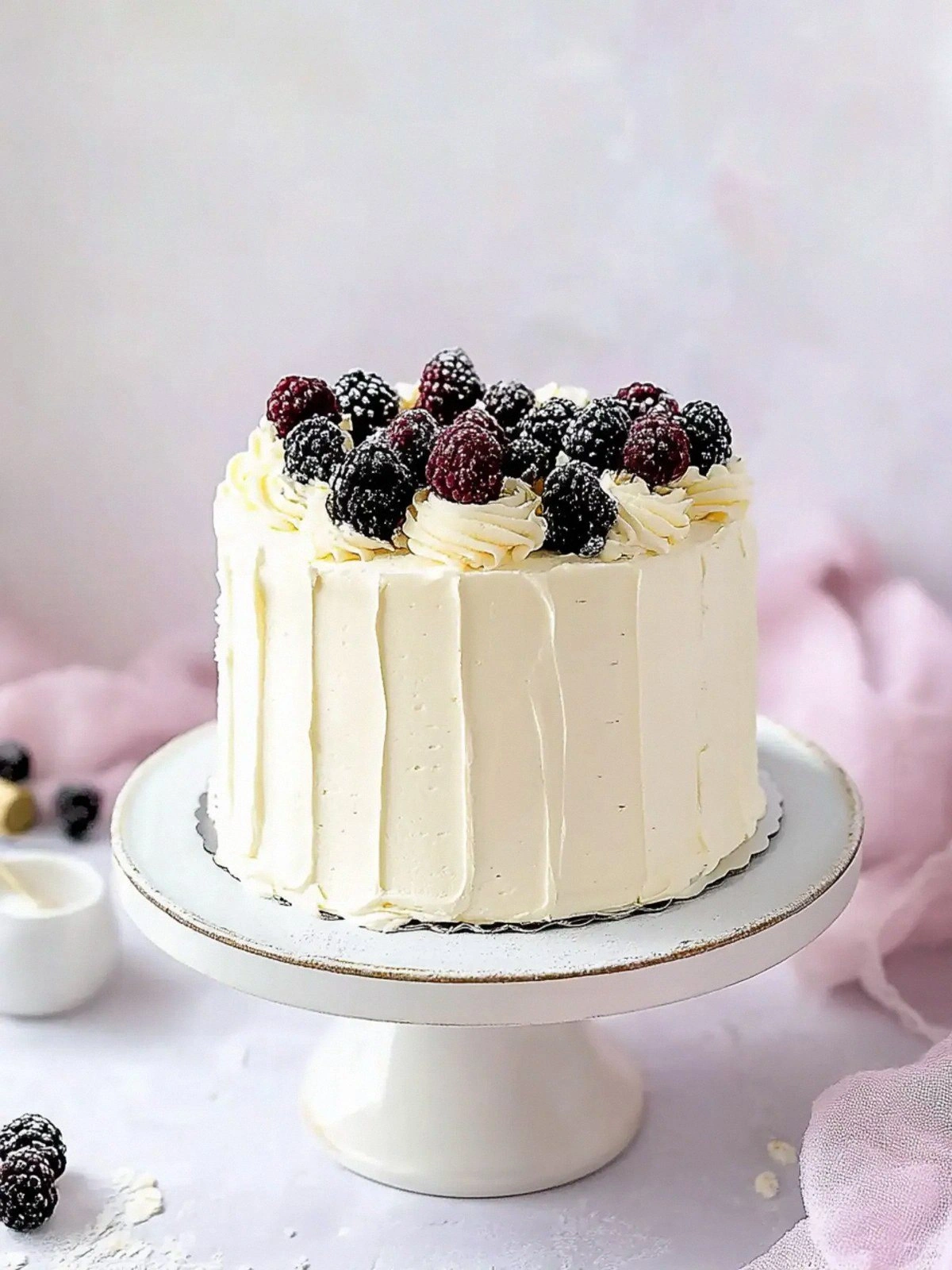
What makes this version stand out is not just the ingredients—though the Prosecco and sparkling wine do a double dance of bubbles—but the way each element is balanced. The batter is light enough to float on a spoon, yet dense enough to hold the frosting without collapsing. The frosting, a dreamy blend of butter, powdered sugar, and a splash of sparkling wine, coats the cake like velvet, giving it a glossy finish that glints under any light. And the best part? The cake can be prepared a day ahead, allowing the flavors to mingle and the texture to settle into something truly unforgettable.
I dare you to taste this and not go back for seconds. This is hands down the best version you'll ever make at home. If you've ever struggled with a cake that turns out dense or dry, you're not alone—and I've got the fix. Most recipes get this completely wrong, but here's what actually works: a precise balance of leavening, the right amount of liquid, and a touch of acidity from the Prosecco to lift the batter. Picture yourself pulling this out of the oven, the whole kitchen smelling incredible, and knowing that every bite will be a celebration. Okay, ready for the game‑changer? Let me walk you through every single step—by the end, you'll wonder how you ever made it any other way.
What Makes This Version Stand Out
- Lightness: The combination of baking soda and baking powder creates tiny pockets of air that make the cake feather‑light. This is what allows it to rise beautifully without a dense crumb. The result is a cake that melts in your mouth like a cloud.
- Flavor Complexity: Prosecco’s subtle citrus notes mingle with vanilla and butter to give the cake a layered taste profile. Each bite carries a hint of sparkle that surprises the palate. This depth sets it apart from plain vanilla cakes.
- Texture Balance: The sour cream adds moisture and a slight tang that prevents the cake from becoming too dry. The frosting’s buttery base keeps the exterior soft while the powdered sugar gives a delicate crunch. Together they create a harmonious mouthfeel.
- Versatility: Whether you’re serving it at a brunch, a wedding, or a casual get‑together, this cake adapts effortlessly. Its neutral flavor allows you to dress it up with fresh berries or a dusting of cocoa. It’s a blank canvas ready for your creativity.
- Make‑Ahead Friendly: The cake can be baked and cooled, then frosted and refrigerated for up to three days. The Prosecco in the frosting keeps it moist and adds a lingering sparkle. This makes it ideal for busy hosts who need to prep in advance.
- Visual Appeal: The glossy frosting reflects light, creating an almost liquid look. When sliced, the layers reveal a subtle gradient of golden tones. It’s a cake that looks as good as it tastes.
- Ingredient Quality: Using unsalted butter and high‑quality Prosecco elevates the flavor. The butter’s richness balances the acidity of the wine, while the Prosecco’s bubbles give the cake an elegant lift. The result is a refined, gourmet dessert.
Alright, let's break down exactly what goes into this masterpiece...
Inside the Ingredient List
The Flavor Base
At the heart of this cake lies the buttery foundation. 12 tablespoons of unsalted butter, melted and cooled, form the base that carries the other flavors. The butter’s fat content ensures a moist crumb and a rich mouthfeel. If you skip this, the cake will feel lifeless, like a plain sponge with no soul.
Next comes 1.33 cups of granulated sugar, which not only sweetens but also aids in browning. The sugar caramelizes during baking, giving the crust a golden hue. Too little sugar and the cake will taste flat; too much and it becomes overly sweet.
The Texture Crew
Three large eggs are the glue that holds everything together. They provide structure, moisture, and lift. Whisk them until pale and airy before adding them to the butter mixture to maximize the batter’s volume.
A quarter cup of sour cream introduces acidity, which reacts with the baking soda and powder to create that airy lift. It also adds a subtle tang that balances the sweetness. If you don’t have sour cream, a tablespoon of yogurt or buttermilk can serve as a substitute.
The flour—2.25 cups of all‑purpose—forms the skeleton of the cake. Sift it to remove lumps and aerate it, ensuring a tender crumb. Avoid over‑mixing once the flour is added; otherwise, the gluten will tighten and the cake will become dense.
The Unexpected Star
Prosecco, at 0.75 cups, is the secret weapon. Its bubbles lighten the batter, and the citrus notes add brightness. If you prefer a more pronounced wine flavor, swap Prosecco for sparkling wine; the result is a slightly different but equally delightful twist.
Vanilla extract—just one teaspoon—anchors the flavors. It brings warmth and depth, tying the butter, sugar, and wine together. A higher quality vanilla, like Madagascar, will elevate the aroma.
The Final Flourish
The frosting is where the magic happens. One pound of unsalted butter, softened, is creamed with 6-7 cups of sifted powdered sugar and a splash of sparkling wine. This mixture becomes silky, glossy, and wonderfully moist. The wine not only flavors the frosting but also adds a subtle effervescence that mirrors the cake’s interior.
A pinch of salt is added to the frosting to heighten the sweetness and balance the butter’s richness. If you prefer a sweeter frosting, reduce the salt slightly; if you want a more pronounced flavor, increase it a touch.
Everything's prepped? Good. Let's get into the real action...
The Method — Step by Step
- Preheat your oven to 350°F (175°C) and grease a 9‑inch springform pan with butter or non‑stick spray. Line the bottom with parchment for easy release. The pan should be ready before the batter starts to rise; timing is everything. This step ensures a clean release and a uniform rise.
- Melt 12 tablespoons of unsalted butter in a small saucepan over low heat. Let it cool to lukewarm; if it’s too hot, it can cook the eggs prematurely. Once cooled, pour it into a large mixing bowl, creating a smooth base for the batter. The butter’s fat will help the cake stay moist.
- In a separate bowl, whisk the 3 eggs and 1.33 cups of granulated sugar until pale and fluffy. This process incorporates air, essential for a light crumb. Keep whisking until the mixture triples in volume. The sugar’s crystals dissolve, preventing a gritty texture.
- Add the cooled butter to the egg‑sugar mixture and stir until fully blended. The batter should be silky with no streaks of butter. This step is the moment where the foundation of the cake takes shape, and the texture starts to feel like a velvet ribbon.
- Sift 2.25 cups of all‑purpose flour, 1.5 teaspoons baking powder, 0.5 teaspoon kosher salt, and 0.5 teaspoon baking soda together. Gently fold the dry mixture into the wet batter, using a spatula to preserve air pockets. Over‑mixing can tighten the gluten, so stop as soon as the flour is incorporated.
- Fold in 0.25 cups of sour cream and 0.75 cups of Prosecco, ensuring the mixture is smooth. The sour cream adds acidity, while the Prosecco lightens the batter. This is the moment when the cake’s signature sparkle begins to form.
- Pour the batter into the prepared pan and tap gently on the counter to release any large air bubbles. The batter should settle evenly, creating a level surface. Bake for 30 minutes, or until a toothpick inserted in the center comes out clean. Keep an eye on the edges; they should pull away slightly when done.
- Remove the cake from the oven and let it cool in the pan for 10 minutes. Then turn it out onto a wire rack to cool completely. This cooling period allows the structure to set, preventing a soggy bottom.
- While the cake cools, prepare the frosting: beat 1 pound of softened unsalted butter until creamy. Gradually add 6-7 cups of sifted powdered sugar, alternating with 0.75 cups of sparkling wine. Beat until light and fluffy, then add a pinch of salt to taste. The result is a silky, glossy frosting that coats the cake like velvet.
- Once the cake is fully cooled, spread the frosting evenly across the top and sides. Use a spatula to create a smooth finish, or swirl for a decorative touch. Let the frosting set for 15 minutes before serving, so it holds its shape.
That’s it— you did it. But hold on, I've got a few more tricks that'll take this to another level. The frosting can be flavored with citrus zest or a splash of liqueur, and the cake can be topped with candied citrus or fresh berries for a burst of color. The key is to keep the cake moist and the frosting silky; that’s how you keep guests coming back for more.
Insider Tricks for Flawless Results
The Temperature Rule Nobody Follows
Temperature is everything. If your butter is too warm, it will melt into the batter and ruin the rise. If it’s too cold, it won’t blend smoothly, leaving a greasy texture. Use a kitchen thermometer to keep it around 80°F. This small step guarantees a buttery, airy cake every time.
Why Your Nose Knows Best
Trust your nose during baking. The aroma of a golden crust signals readiness, and a faint citrus scent from the Prosecco indicates that the bubbles are still alive. A dull smell means the cake might be over‑baked. I’ve learned to rely on scent more than a timer.
The 5‑Minute Rest That Changes Everything
After removing the cake from the oven, let it rest for 5 minutes before turning it out. This pause allows the steam to settle, preventing the cake from collapsing. The result? A cake that stands tall and proud, ready for frosting.
Frosting Consistency Matters
When adding powdered sugar to the butter, alternate between sugar and sparkling wine. This technique creates a light, airy frosting that won’t be too heavy. If the frosting is too stiff, add a tablespoon of milk to loosen it.
Don’t Rush the Cooling
Cooling the cake in the pan for 10 minutes before transferring to a wire rack is essential. This prevents the cake from cracking on the sides. I’ve had cakes split in half because I rushed the cooling process—don’t make that mistake.
Storage Secrets
Store the frosted cake in an airtight container at room temperature for up to two days. For longer storage, refrigerate it for up to a week. When you’re ready to serve, let it come to room temperature for 30 minutes to restore its softness.
Creative Twists and Variations
This recipe is a playground. Here are some of my favorite ways to switch things up:
Berry Burst
Swirl fresh blueberries or raspberries into the batter before baking. After frosting, top the cake with a generous handful of fresh berries. The fruit’s acidity cuts through the richness, creating a balanced flavor.
Chocolate Truffle
Add 1/4 cup of cocoa powder to the dry mix for a mocha twist. Replace the vanilla with chocolate extract for deeper flavor. Finish with a dusting of cocoa powder for a sophisticated look.
Minty Fresh
Add a teaspoon of fresh mint extract to the batter and a few drops of mint oil to the frosting. Garnish with chopped mint leaves. The mint gives a cool contrast to the sweet, bubbly cake.
Caramelized Citrus
Fold in 1 cup of candied citrus peel before baking. Use a citrus zest in the frosting for extra aroma. The caramelized sugar adds a buttery sweetness that pairs well with the Prosecco.
Spiced Delight
Add 1/2 teaspoon of ground cinnamon and a pinch of nutmeg to the dry mix. Incorporate a splash of orange liqueur into the frosting. The spices add warmth, making the cake perfect for cooler evenings.
Nutty Crunch
Fold in 1/2 cup of chopped toasted almonds or walnuts into the batter. Sprinkle chopped nuts on top of the frosting before it sets. The crunch adds a delightful texture contrast.
Each variation offers a new flavor profile while keeping the core of the Prosecco cake intact. Feel free to experiment and make it your own.
Storing and Bringing It Back to Life
Fridge Storage
Place the frosted cake in a shallow airtight container. Keep it in the refrigerator for up to two days. The cold environment preserves moisture and keeps the frosting firm. When ready to serve, let it sit at room temperature for 15 minutes.
Freezer Friendly
Wrap the cake tightly in plastic wrap and then in foil to prevent freezer burn. Store in the freezer for up to three weeks. Thaw in the refrigerator overnight, then bring to room temperature before serving. The texture remains soft and the frosting stays glossy.
Best Reheating Method
If the cake has become a bit dry, lightly mist it with water before warming in a 300°F oven for 5 minutes. The steam restores moisture without melting the frosting. Always monitor closely to avoid overheating.