It all began with a kitchen catastrophe that still haunts my memory like a bad dream. I was in a rush to whip up a dessert for a surprise party, and the batter I poured into the pan turned out soggy and flat—an unholy mess that made the oven look like a swamp. I stared at the batter, feeling the sting of disappointment, and whispered, “I need a cake that screams confidence.” That moment turned into a personal mission: to create a lemon pistachio cake that is moist, buttery, and utterly unforgettable.
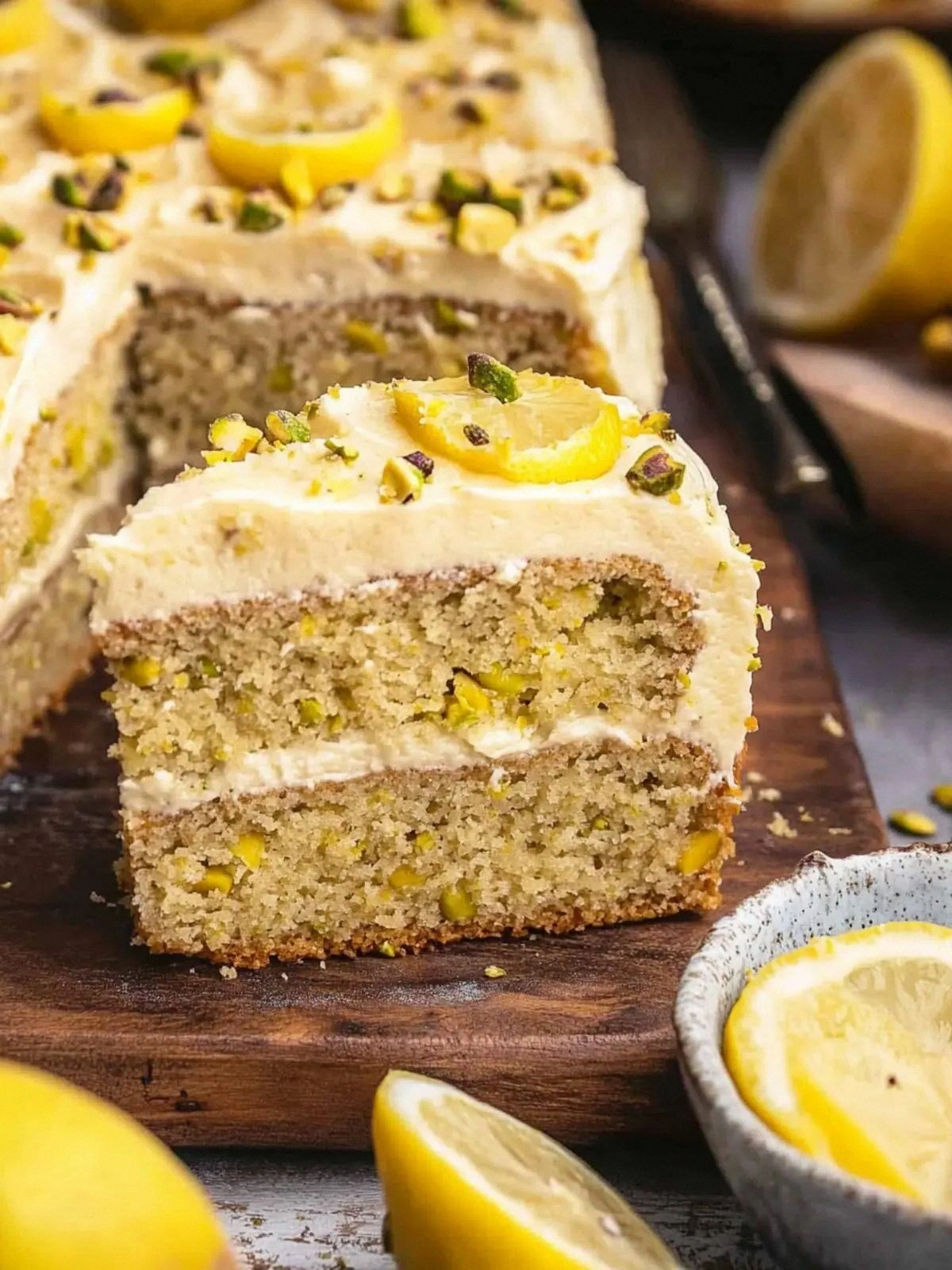
Picture this: the first bite melts your tongue, the citrus zest explodes like a tiny fireworks show, and the pistachios add a satisfying crunch that echoes the sound of a crisp autumn leaf. The aroma of butter and lemon wafts through the kitchen, mingling with the faint sweetness of condensed milk. You hear the gentle pop of bubbles as the batter rises, and the texture is a silky, airy cloud that feels like a cloud of sunshine on your palate. The visual is a golden crust with a subtle, glossy sheen that invites you to dig deeper.
What makes this version stand out is not just the combination of flavors but the meticulous balance of ingredients that elevate every bite. The batter is packed with a secret blend of pistachio milk and sweetened condensed milk that locks in moisture, while a generous splash of lemon curd provides a tart punch that cuts through the richness. The frosting, a luscious blend of cream cheese, powdered sugar, and lemon zest, coats the cake like velvet, creating a contrast that makes each forkful a revelation. I dare you to taste this and not go back for seconds.
I’ll be honest—this cake is hands down the best version you'll ever make at home. Most recipes get this completely wrong by overbaking or under seasoning; here, the batter stays moist, the texture is airy, and the flavor profile is perfectly balanced. Picture yourself pulling this out of the oven, the whole kitchen smelling incredible, and sharing a slice that leaves your guests begging for the recipe. Let me walk you through every single step—by the end, you'll wonder how you ever made it any other way.
What Makes This Version Stand Out
- Moisture: The addition of pistachio milk and condensed milk keeps the cake tender and prevents it from drying out, even after a few days.
- Flavor: A generous amount of lemon zest and a swirl of lemon curd create a bright, citrusy punch that cuts through the richness of butter.
- Texture: The pistachios are finely chopped and folded in, giving a subtle crunch that contrasts the cake’s airy crumb.
- Visual Appeal: The golden crust and glossy finish make this cake Instagram-ready, while the pistachio garnish adds a pop of color.
- Ease: The batter is simple to whisk—no need for a stand mixer, just a whisk and a bowl.
- Make‑ahead: The cake can be assembled and frozen, then baked later without sacrificing quality.
Alright, let's break down exactly what goes into this masterpiece...
Inside the Ingredient List
The Flavor Base
All-purpose flour provides the structure that holds the cake together; it’s the canvas for every other component. Baking powder and baking soda are the leavening agents that give the cake its lightness—without them, the batter would collapse into a dense slab. Salt, though only half a teaspoon, balances the sweetness and brings out the lemon’s bright notes. Granulated sugar is the sweetener that caramelizes slightly during baking, adding a subtle depth to the flavor.
Lemon zest is the star that delivers that citrusy brightness; it’s the first thing you notice when you bite into the cake. Unsalted butter, in two stages—ten tablespoons for the batter and one cup for the frosting—provides richness and helps create a tender crumb. Eggs act as the binder, keeping everything together, while vanilla adds a warm, aromatic undertone that complements the lemon.
Buttermilk is the secret to that soft, tender texture; its acidity reacts with the leavening agents to create a delicate rise. Together, these ingredients form a harmonious base that sets the stage for the rest of the cake.
The Texture Crew
Pistachios are the crunch factor; they’re toasted to bring out their nutty flavor before being folded into the batter. The pistachio milk, made by blending pistachios with water and straining, adds a subtle nutty undertone and helps lock in moisture. Sweetened condensed milk is the sweet, creamy element that balances the tartness of the lemon and keeps the cake from drying out.
If you’re looking for a dairy-free alternative, try coconut milk with a splash of maple syrup; it will give a similar creamy texture and a hint of caramel flavor. Remember, the key to a moist cake is to avoid overmixing once the flour is added—mix just until combined.
The Unexpected Star
Lemon curd is the unexpected star that gives the cake its signature zing. Made from lemon juice, zest, sugar, and egg yolks, it’s thick, buttery, and intensely tart. When folded into the batter, it creates pockets of citrus that burst with every bite. The cream cheese in the frosting adds a silky, tangy contrast that balances the sweetness.
Powdered sugar gives the frosting its smooth, silky texture and a touch of sweetness. The final lemon zest in the frosting ties everything together, ensuring that each bite is a burst of citrus. If you’re feeling adventurous, add a pinch of sea salt to the frosting to accentuate the flavors.
The Final Flourish
The frosting’s unsalted butter is melted to create a glossy finish that makes the cake look as good as it tastes. The remaining pistachios are finely chopped and sprinkled on top, giving the cake a crunchy finish that contrasts beautifully with the soft crumb. The final touch is a light dusting of powdered sugar, which adds a hint of sweetness and a subtle sheen.
Everything's prepped? Good. Let's get into the real action...
The Method — Step by Step
- Preheat your oven to 350°F (175°C). Line a 9-inch springform pan with parchment paper and lightly grease the sides. This ensures a clean release and a perfect shape. The first step sets the foundation—don't skip it.
- In a large bowl, whisk together 2 ¼ cups flour, 1 ½ tsp baking powder, ¼ tsp baking soda, and ½ tsp salt. Sift the dry ingredients to remove lumps; this step guarantees an airy crumb. The mixture should feel like fine sand when you touch it.
- In a separate bowl, beat 10 tbsp unsalted butter with 1 ½ cups granulated sugar until pale and fluffy. This process incorporates air, which contributes to the cake’s lightness. The butter should be at room temperature so it mixes smoothly.
- Add 3 eggs, one at a time, to the butter mixture, beating well after each addition. The eggs act as binders and add structure. Once the mixture is smooth, stir in 1 tbsp vanilla and 3 tbsp lemon zest, allowing the citrus aroma to permeate the batter.
- Fold in the dry ingredients in two batches, alternating with 1 cup buttermilk and ½ cup pistachio milk. The alternating method prevents the batter from becoming too thick and keeps the crumb light. Keep mixing just until combined; overmixing will result in a tough cake.
- Fold in 1 ½ cups sweetened condensed milk and ½ cup chopped pistachios, making sure the nuts are evenly distributed. The pistachios add crunch and a subtle nutty flavor that pairs perfectly with the lemon.
- Pour the batter into the prepared pan, smoothing the top with a spatula. Tap the pan gently on the counter to release any air pockets. The batter should have a glossy sheen when you finish.
- Bake for 30–35 minutes, or until a toothpick inserted in the center comes out clean. The cake should have a golden crust and a slight give. Watch the edges; they should pull away from the pan, indicating doneness.
- Let the cake cool in the pan for 10 minutes, then transfer to a wire rack to cool completely. This step allows the steam to escape, preventing sogginess. The cake should feel firm to the touch.
- While the cake cools, prepare the frosting: beat 8 oz cream cheese with 1 cup unsalted butter until smooth. Add 2 cups powdered sugar, ½ tbsp lemon zest, and ½ cup lemon curd, mixing until silky. The frosting should be thick enough to spread but still pourable.
- Spread the frosting over the cooled cake, smoothing the top. Sprinkle the remaining ½ cup pistachios on top, pressing them lightly into the frosting. Dust with a light layer of powdered sugar for a finishing touch.
That's it — you did it. But hold on, I've got a few more tricks that'll take this to another level...
Insider Tricks for Flawless Results
The Temperature Rule Nobody Follows
Keep your oven calibrated; a 25°F variance can cause the cake to bake unevenly. Use an oven thermometer to verify the temperature before baking. Many people rely on the oven dial, which can be misleading due to internal heat distribution.
Why Your Nose Knows Best
Before you take the cake out, sniff the batter; it should smell buttery and citrusy. If it smells overly sweet or metallic, the batter may be overmixed or the eggs too old. Trust your nose—cooking is as much about senses as it is about measurements.
The 5-Minute Rest That Changes Everything
Let the cake rest in the pan for exactly 5 minutes after baking. This pause allows the steam to redistribute, preventing a hollow center. A friend once rushed the cake out of the oven, and the result was a soggy middle that ruined the experience.
Keep the Butter at Room Temperature
Butter that’s too cold will create lumps in the batter, while butter that’s too warm can cause the cake to be greasy. Aim for a soft, but not melted, consistency. If you’re short on time, microwave the butter in 5-second bursts to soften it quickly.
The Final Chill
After frosting, chill the cake in the fridge for 20 minutes before slicing. This firm-up step ensures clean cuts and a polished presentation. If you’re serving immediately, slice carefully with a serrated knife to avoid crushing the layers.
Creative Twists and Variations
This recipe is a playground. Here are some of my favorite ways to switch things up:
Chocolate Pistachio Dream
Swap the lemon zest for 2 tbsp cocoa powder and add ½ cup chocolate chips to the batter. The chocolate pairs beautifully with pistachios, creating a decadent dessert. The frosting can be replaced with a chocolate ganache for an extra indulgence.
Salted Caramel Citrus
Incorporate ½ cup caramel sauce into the batter and add a pinch of sea salt to the frosting. The caramel sweetens the lemon’s tartness, while the salt enhances the overall flavor profile. This version is perfect for a sophisticated brunch.
Almond‑Lemon Swirl
Use almond flour instead of all-purpose flour for a nutty base. Fold in 1 cup sliced almonds and swirl a thin layer of almond butter through the batter before baking. The almond butter adds a silky texture that complements the lemon.
Berry‑Infused Delight
Add 1 cup fresh blueberries or raspberries to the batter, folding them gently to avoid crushing. The berries add a burst of natural sweetness and a pop of color. Serve with a dollop of whipped cream for a refreshing finish.
Spiced Citrus Surprise
Add ½ tsp ground ginger and a pinch of cinnamon to the batter. The spices add warmth that balances the lemon’s brightness. The frosting can be topped with a dusting of nutmeg for an extra aromatic touch.
Vegan Version
Replace butter with coconut oil, use flax eggs (1 tbsp ground flaxseed + 3 tbsp water) instead of chicken eggs, and substitute the dairy cream cheese with a plant-based cream cheese. The cake will still be moist, but with a subtle coconut undertone. This version is great for those with dietary restrictions.
Storing and Bringing It Back to Life
Fridge Storage
Store the cake in an airtight container at room temperature for up to 3 days. The frosting will firm slightly, so let it sit at room temperature for 10 minutes before serving. Keep the cake away from strong-smelling foods to preserve the lemon aroma.
Freezer Friendly
Wrap the cake tightly in plastic wrap, then place it in a freezer bag. It will keep for up to 2 months. Thaw in the refrigerator overnight and let it sit at room temperature for 30 minutes before serving. The texture remains moist and tender.
Best Reheating Method
To revive a frozen cake, bake it at 300°F (150°C) for 15–20 minutes, or until warm. Add a tiny splash of water to the baking dish before heating; the steam will keep the cake from drying out. Let it cool slightly before frosting to avoid melting the glaze.