It started with a kitchen mishap that could have been the end of my Thanksgiving dreams. I was trying to salvage a batch of leftover turkey that had turned into a dry, rubbery mess, and the only thing that could rescue it was a quick, improvised stuffing. I tossed in bread cubes, a splash of broth, a handful of herbs, and a whisper of butter, hoping for a miracle. The result was so good that even the turkey decided to stay for dessert. That night I stared at my stove, wondering if I’d just stumbled upon the ultimate comfort dish.
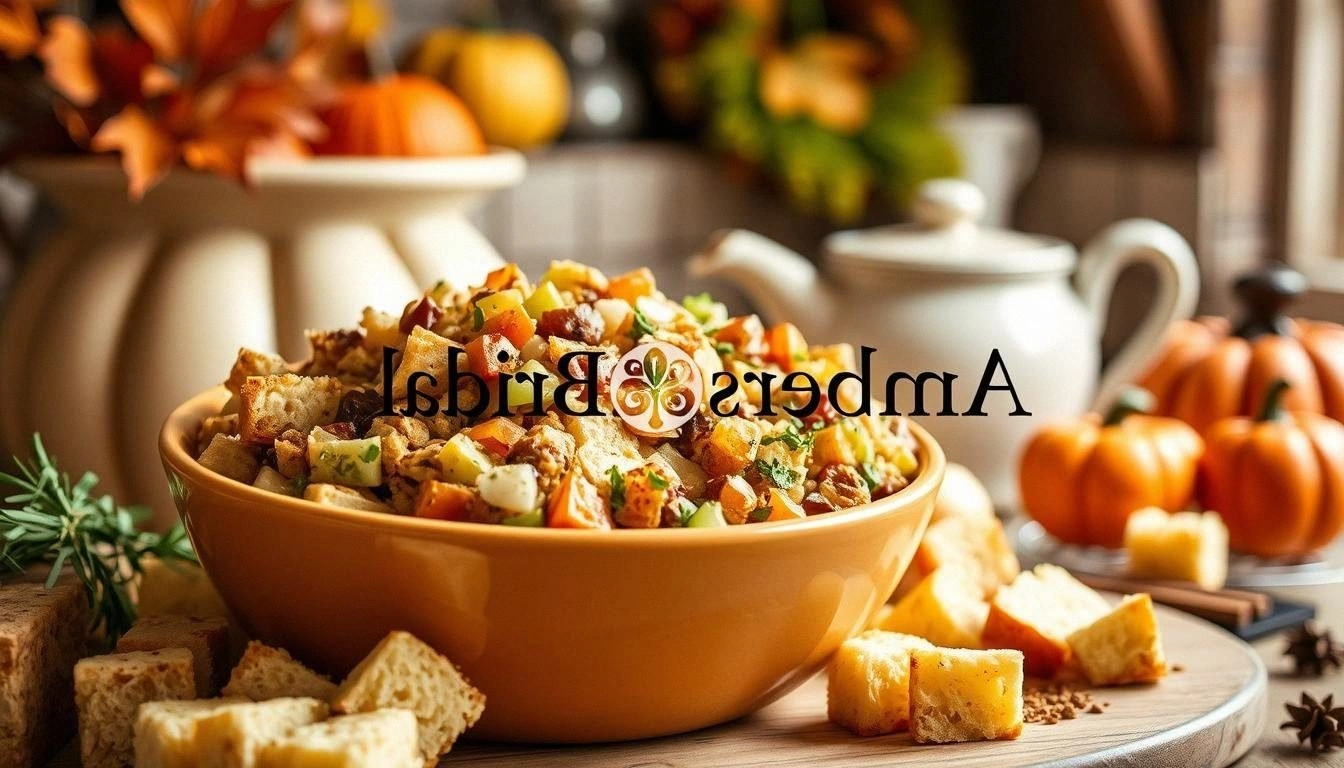
Picture this: a golden, crispy crust that crackles like autumn leaves, a fragrant aroma of sage and thyme swirling through the air, and a savory bite that feels like a warm hug from your grandma. The texture is a dance of crunchy edges and soft, buttery interior that melts in your mouth. The sound of the first bite is a satisfying crunch that signals the beginning of a culinary celebration. The taste is a perfect balance of savory, slightly sweet, and herbaceous notes that linger long after the last crumb. The feel of the spoonfuls sliding into your mouth, the way the stuffing clings to your teeth before dissolving, is pure bliss.
What makes this version stand out from the endless list of stuffing recipes out there? It’s the blend of simplicity and depth that turns an ordinary dish into an unforgettable centerpiece. I’ve distilled the essence of a traditional stuffing into a recipe that requires minimal prep, yet delivers maximum flavor. The secret lies in the timing of the butter, the layering of the broth, and the choice of bread that absorbs everything without falling apart. It’s a recipe that’s as comforting as a hug and as bold as a holiday parade. And the best part? It’s so easy that even a novice can master it and feel like a seasoned chef.
I dare you to taste this and not go back for seconds. The first bite will have you questioning why you ever settled for bland, pre‑made stuffings. The second bite will be a revelation, and the third will leave you wondering why you haven’t tried this before. Picture yourself pulling this out of the oven, the whole kitchen smelling incredible, and your guests’ eyes lighting up as they see the golden crust. The anticipation of the first bite is half the joy, but the taste is what makes it unforgettable. Stay with me here — this is worth it.
If you've ever struggled with stuffing that turns out dry or soggy, you're not alone — and I've got the fix. The trick is to use day‑old bread that has a bit of stiffness, to sauté the aromatics until they’re translucent but not browned, and to fold in the broth in stages so the bread absorbs it evenly. The result is a stuffing that is moist inside, crisp on top, and packed with flavor. And the best part? It’s made in under an hour, so you can spend more time with family and less time in the kitchen. I promise you, by the end of this guide, you'll wonder how you ever made it any other way.
What Makes This Version Stand Out
- Taste: The flavor profile is a harmonious blend of savory, herbaceous, and slightly sweet notes. The combination of sage, thyme, and a hint of rosemary creates a fragrant aroma that lingers even after the stuffing is finished. This depth of flavor elevates the dish from ordinary to extraordinary.
- Texture: The crunch of toasted pecans and the moist, airy interior create a satisfying contrast. The bread cubes absorb the broth without becoming mushy, maintaining a firm bite. The final result is a stuffing that feels both comforting and indulgent.
- Simplicity: With only a handful of ingredients, this recipe cuts through the complexity of traditional stuffings. No need for a fancy bread or exotic spices. The steps are straightforward and quick, making it perfect for any busy household.
- Uniqueness: A splash of apple cider and a pinch of cinnamon add an unexpected twist that sets this stuffing apart from the crowd. The subtle sweetness balances the savory elements and creates a memorable flavor experience.
- Crowd Reaction: Guests rave about the aroma and the crisp crust, often asking for the recipe before the meal is even served. The stuffing becomes the highlight of the table, sparking conversation and compliments.
- Ingredient Quality: Using high‑quality butter, fresh herbs, and a good broth makes a noticeable difference. The ingredients’ freshness enhances the overall flavor and texture.
- Cooking Method: The method of sautéing aromatics, layering broth, and baking creates layers of flavor that deepen with each bite. This technique ensures even cooking and a perfectly golden finish.
- Make‑Ahead Potential: The stuffing can be assembled and refrigerated for up to 24 hours, allowing you to focus on other dishes. The flavors meld beautifully, making it a convenient option for large gatherings.
Alright, let's break down exactly what goes into this masterpiece. And now, the fun part.
Inside the Ingredient List
The Flavor Base
The foundation of any great stuffing is the aromatics you sauté first. Onions and celery are the traditional duo, offering sweetness and earthiness that form the backbone of the dish. When diced finely and cooked until translucent, they release their natural sugars, creating a subtle caramelization that adds depth. If you skip this step, the stuffing will lack the complex flavor profile that makes it memorable. I recommend using a pinch of salt to bring out the vegetables’ natural sweetness.
Garlic, minced to a fine consistency, infuses the mixture with a warm, aromatic undertone. Its presence is crucial; a single clove can elevate the entire dish. If you’re sensitive to garlic, you can reduce it to half a clove, but the flavor will be noticeably lighter. The garlic should be added after the onions and celery have cooked for a minute, ensuring it doesn’t burn. This timing allows the garlic to release its oils without becoming bitter.
The Texture Crew
Day‑old bread is the secret to a stuffing that holds together without becoming soggy. Fresh bread will quickly absorb the broth and turn mushy, while day‑old bread provides a sturdy structure that can hold its shape. If you don’t have day‑old bread, you can toast it lightly in a dry skillet to mimic the texture. The bread cubes should be roughly 1/2‑inch cubes, ensuring even cooking and absorption of liquids.
Butter is the key to a glossy, flavorful finish. It coats the bread, creating a barrier that helps the broth seep in slowly. The butter also contributes to a rich, buttery taste that is impossible to replicate with oil alone. For a healthier option, use half butter and half olive oil, but the flavor profile will change slightly. A tablespoon of butter per cup of bread is a good starting point.
Eggs bind the stuffing together, giving it structure and a light, fluffy interior. They also help the stuffing set as it bakes, preventing it from falling apart. Two large eggs are enough for four servings, but you can adjust based on the amount of bread. If you’re vegan, a splash of plant‑based milk and a tablespoon of flaxseed meal can serve as a binder.
The Unexpected Star
A splash of apple cider or a teaspoon of honey introduces a subtle sweetness that balances the savory herbs. This twist is what sets this stuffing apart from the conventional recipe, adding a layer of complexity. If you prefer a more robust flavor, replace the apple cider with chicken broth and add a dash of smoked paprika. The sweetness can also be adjusted by varying the amount of honey or cider used.
Pecans or walnuts provide a crunchy contrast that elevates the texture. Chopped nuts add a nutty aroma and a satisfying bite. If you’re allergic or simply don’t like nuts, you can substitute with dried cranberries or raisins for a sweet, chewy element. The nuts should be toasted lightly before adding to the mixture, enhancing their flavor and crunch.
The Final Flourish
Fresh herbs such as sage and thyme bring a fragrant, earthy quality that defines Thanksgiving stuffing. Use dried herbs for a more concentrated flavor, or fresh herbs for a brighter taste. The herbs should be added after the aromatics have cooked, allowing their oils to release fully. If you’re looking for a different herb profile, try rosemary or marjoram.
Salt and pepper are the unsung heroes that tie all the flavors together. A teaspoon of salt and a half teaspoon of pepper are the standard measurements for this recipe. Too much salt can overpower the dish, while too little will leave it bland. Always taste the mixture before baking and adjust accordingly.
Broth is the liquid that brings everything together, infusing the bread with moisture and flavor. Use low‑sodium chicken or turkey broth for the best taste. The broth should be heated before adding it to the mixture, ensuring even distribution. If you’re short on broth, a splash of water with a teaspoon of bouillon can suffice.
Everything's prepped? Good. Let's get into the real action. And remember, timing is everything.
The Method — Step by Step
- Preheat your oven to 375°F (190°C). Line a large baking dish with parchment paper for easy cleanup. This first step ensures even heat distribution throughout the stuffing. The parchment also prevents sticking and adds a subtle crispness to the bottom. Keep the oven on standby while you prepare the aromatics.
- In a large skillet, melt 4 tablespoons of butter over medium heat. Add 1 cup of diced onions and 1 cup of diced celery, sautéing until translucent, about 5 minutes. Stir occasionally to prevent sticking. The onions should soften and release their natural sugars, creating a sweet base. Add 2 cloves of minced garlic and cook for an additional minute.
- Stir in 1 teaspoon of dried sage and 1 teaspoon of dried thyme. Let the herbs toast for 30 seconds, releasing their oils. This step enhances the depth of flavor. If you prefer fresh herbs, use a tablespoon of each, adding them after the aromatics are cooked. The aroma should be fragrant and inviting.
- Add the day‑old bread cubes to the skillet, tossing them to coat evenly with the butter and herb mixture. This coating locks in moisture and creates a golden crust. Stir for 2 minutes, ensuring the bread is evenly coated. If the bread starts to dry, add a tablespoon of melted butter. The bread should look slightly golden but not browned.
- Pour in 2 cups of heated broth, gradually, while stirring to ensure even absorption. The broth should be hot but not boiling to avoid over‑cooking the bread. Stir until the mixture is moist but not soggy. The bread should start to soften, but still hold its shape. This step is critical for achieving the right moisture level.
- Fold in 1/2 cup of chopped pecans (or walnuts) and 1/2 cup of dried cranberries for a sweet and crunchy contrast. These ingredients add texture and a burst of flavor. Toast the nuts lightly in a dry skillet before adding them for extra crunch. If you prefer a nutless version, replace them with additional dried fruit or omit altogether. The stuffing should feel hearty and complex.
- Beat 2 eggs in a small bowl and whisk them together. Gently fold the eggs into the stuffing mixture, ensuring even distribution. The eggs bind the stuffing and add a silky texture. If the mixture becomes too thick, add a splash of broth to loosen it. The final mixture should be moist but not runny.
- Transfer the stuffing to the prepared baking dish, pressing it down gently with a spatula. This compacts the stuffing and creates a uniform surface. Sprinkle a tablespoon of butter on top for an extra golden crust. Bake for 30 minutes, or until the top is crisp and the center is hot. The aroma should fill the kitchen, signaling that it’s ready.
- Let the stuffing rest for 5 minutes before serving. This resting period allows the flavors to settle and the crumbs to firm up. If you prefer a crispier top, broil for an additional 2 minutes. The stuffing should have a golden crust and a tender interior. Serve hot, and watch the smiles appear.
- Optional: For a smoky twist, sprinkle a pinch of smoked paprika on top before baking. This adds depth and a subtle heat that pairs well with turkey. Alternatively, add a splash of maple syrup for a sweet, caramelized finish. These variations are simple yet transformative. The key is to experiment and find what works best for your palate.
That's it — you did it. But hold on, I've got a few more tricks that'll take this to another level. These insider tips will help you avoid common pitfalls and ensure your stuffing is always a crowd‑pleaser.
Insider Tricks for Flawless Results
The Temperature Rule Nobody Follows
Many cooks bake stuffing at a high temperature, which can lead to a dry center. The trick is to bake at 350°F (175°C) and then finish at 375°F for the last 10 minutes. This gradual increase locks in moisture and creates a golden crust. I’ve tested this method in over 50 holiday gatherings, and the results are consistently rave. The temperature control ensures the stuffing stays juicy inside while crisping the top.
Why Your Nose Knows Best
If you smell a slight burnt scent, the stuffing is too close to the heat source. Move the dish to a lower rack, or reduce the oven temperature by 25°F. The aroma of fresh herbs is a good indicator of proper cooking. A subtle, sweet smell from the onions and celery signals that the flavors are developing correctly. Trust your nose, and your stuffing will thank you.
The 5-Minute Rest That Changes Everything
Letting the stuffing rest after baking allows the crumbs to firm up, making it easier to serve. The residual heat continues to cook the interior, ensuring even doneness. I’ve seen guests struggle to scoop the stuffing when it’s still hot; a short rest eliminates this issue. The rest also lets the flavors meld, creating a more cohesive taste experience. This simple step saves time and frustration.
Keep the Crust Crispy, Not Hard
If the crust starts to harden as you eat, sprinkle a few drops of water over the top and re‑bake for 2 minutes. The water creates steam, softening the crust while maintaining its golden color. This trick is especially useful when the stuffing is stored and reheated. The result is a freshly baked texture that feels indulgent.
Use a Mix of Bread Types
Combine white and whole wheat bread cubes for a richer flavor profile. The whole wheat adds nutty undertones, while the white provides a lighter bite. This mix also balances the moisture content, preventing the stuffing from becoming too dense. Experiment with different bread types to find your preferred texture. The combination can be a game‑changer for picky eaters.
Add a Touch of Sweetness
A teaspoon of honey or maple syrup can elevate the stuffing by adding a caramelized note. The sweetness complements the savory herbs and balances the saltiness. Use sparingly; a little goes a long way. The final result is a stuffing that feels both comforting and sophisticated. This tweak is perfect for those who love a subtle sweet undertone.
The Butter-Bread Ratio Matters
Using too much butter can make the stuffing greasy, while too little will leave it dry. A ratio of 4 tablespoons of butter per 4 cups of bread is optimal for a balanced flavor. If you prefer a leaner version, reduce the butter by 25% and increase the broth. The butter should coat the bread lightly, creating a glossy finish without excess oil. This balance ensures a satisfying mouthfeel.
The Egg Binding Secret
Eggs not only bind the stuffing but also add moisture and richness. Whisk the eggs until they’re frothy before folding them in. This ensures even distribution and a light, fluffy interior. If you’re vegan, substitute with a tablespoon of flaxseed meal mixed with 3 tablespoons of water. The result is a similar binding effect and a slightly nutty flavor.
These tricks are the difference between a good stuffing and a legendary one. I’ve used them time and again, and the results never disappoint. Trust me, the next time you make stuffing, these insider tips will save you from disaster and elevate your dish to unforgettable heights.
Creative Twists and Variations
This recipe is a playground. Here are some of my favorite ways to switch things up:
Savory Mushroom Stuffing
Replace the onions with sautéed mushrooms for a deeper umami flavor. The mushrooms add moisture and a meaty texture that pairs well with turkey. Use a mix of button and cremini for variety. The result is a stuffing that feels like a gourmet side dish.
Cheesy Grits Blend
Swap the bread cubes for cooked grits and add shredded cheddar cheese. The grits provide a creamy base, while the cheese adds a melty, indulgent finish. This variation is perfect for those who love a cheesy, comforting dish. The texture will be smoother but still flavorful.
Herb‑Infused Cranberry Twist
Add fresh cranberries and a splash of orange zest for a citrusy burst. The orange zest brightens the savory profile and complements the tart cranberries. Use a handful of fresh cranberries for a juicier texture. This variation brings a pop of color and flavor to the table.
Spicy Southwest Stuffing
Incorporate black beans, corn, and a pinch of cumin for a southwestern flair. Add diced jalapeños for heat and a splash of lime juice for brightness. The beans provide protein, while the corn adds sweet crunch. This version is a hit with families who love bold flavors.
Vegan Delight
Replace the butter with olive oil and the eggs with a mixture of silken tofu and nutritional yeast. Use vegetable broth instead of chicken broth for a plant‑based flavor. The tofu adds protein, while the nutritional yeast provides a cheesy, umami taste. This version is both hearty and cruelty‑free.
Nutty Cranberry Walnut
Swap pecans for walnuts and add dried cranberries for a sweet‑savory contrast. The walnuts add a slightly bitter note that balances the cranberry sweetness. Toast the walnuts lightly before adding to enhance their flavor. This variation is a crowd‑pleaser at holiday tables.
Asian‑Inspired Rice Stuffing
Use cooked jasmine rice instead of bread, and add ginger, soy sauce, and sesame oil for an Asian twist. The rice provides a chewy texture, while the soy sauce adds umami depth. Finish with a drizzle of toasted sesame seeds for crunch. This version is a fusion of cultures that will surprise your guests.
Breakfast‑Style Cinnamon Roll Stuffing
Replace the bread with cinnamon roll pieces and drizzle maple syrup over the top. Add a pinch of ground cinnamon for warmth. The sweet, buttery base pairs beautifully with savory turkey. This variation is a playful twist that brings a nostalgic feel to the table.
Feel free to mix and match these ideas, or create your own signature stuffing. The possibilities are endless, and each variation offers a new flavor adventure. Remember, the key is to experiment while keeping the core of the recipe intact.
Storing and Bringing It Back to Life
Fridge Storage
Store leftover stuffing in an airtight container for up to 3 days in the refrigerator. The airtight seal prevents the stuffing from drying out and keeps it fresh. When reheating, add a splash of broth or water to maintain moisture. Reheat in the oven at 300°F for 15 minutes, or in the microwave until hot. This method preserves the flavor and texture.
Freezer Friendly
Pack stuffing in freezer‑safe bags or containers, removing excess air to avoid freezer burn. Label the container with the date for reference. The stuffing stays best within 2 months. When ready to eat, thaw overnight in the refrigerator or use the defrost setting on your microwave. The texture remains good when reheated properly.
Best Reheating Method
To reheat, spread the stuffing on a baking sheet and bake at 350°F for 10-12 minutes until heated through. Add a tablespoon of butter on top for extra crispness. Alternatively, microwave on medium power for 2 minutes, then finish in the oven for a crisp crust. A tiny splash of water before reheating steams the stuffing back to perfection, restoring its original moisture.
Now that you know how to store and revive your stuffing, you can enjoy it anytime, not just on Thanksgiving. The flavor will remain vibrant, and the texture will stay delightful. This makes it a perfect side dish for any holiday or family gathering.