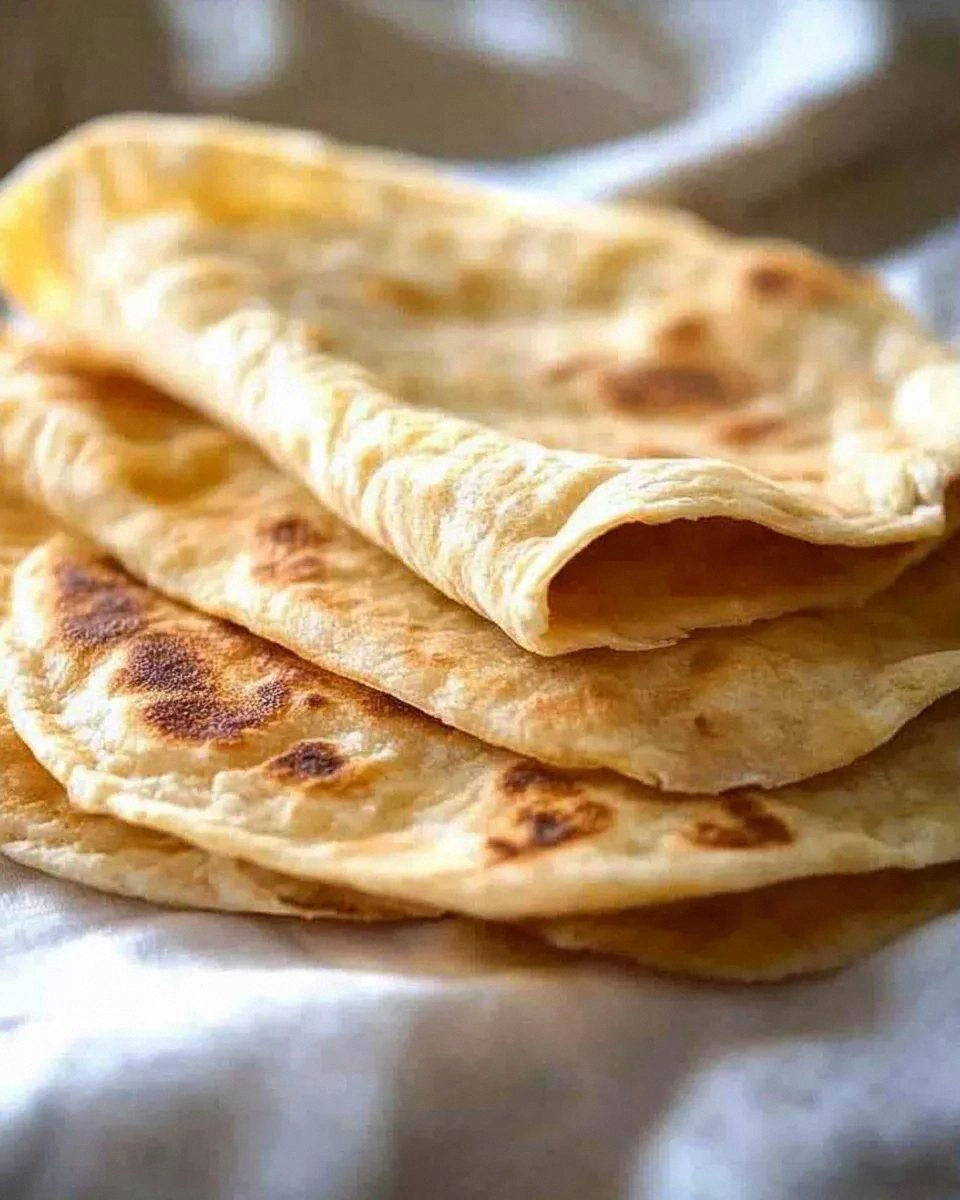
I still remember the day I swore off store-bought flatbreads forever. It wasn't some grand epiphany in a Michelin-starred kitchen — it was a Tuesday night, I was in my pajamas, and I tried to warm up a sad, crackly disk that tasted like cardboard with aspirations. The edges shattered like thin ice, the center stayed stubbornly cold, and my chicken shawarma dreams collapsed into a pile of crumbs on the countertop. That's when I declared war on mediocre bread and started hunting for a recipe that would deliver softness, stretch, and that fresh-from-the-oven sigh that makes you close your eyes without asking permission. After three dozen trials, a near-miss with a smoke alarm, and one very patient neighbor who taste-tested every batch, I landed on the formula I'm about to share. Spoiler: it's stupidly simple, wildly forgiving, and produces flatbreads so plush you'll want to use them as pillows.
Picture this: the yeasty perfume of warm dough curling through your kitchen, a gentle puff of steam escaping as you flip a bronzed round in the skillet, and that first tear — watch how the bread stretches like edible velvet before the edge raggedly breaks. That soft pull is the hallmark of a flatbread done right, and once you taste it, every supermarket imposter will taste like dusty regret. I dare you to taste this and not go back for seconds; I double-dare you to stop at using just one as a vehicle for hummus. I'll be honest — I ate half the batch before anyone else got to try it, standing over the stove in socked feet, swiping torn wedges through olive oil like I was training for a carb Olympics.
Most recipes get this completely wrong by overcomplicating the ingredient list or insisting you need a tandoor, a pizza stone, and the patience of a Jedi. Here's what actually works: flour, water, a splash of yogurt for tenderness, and a glug of good olive oil for attitude. The magic is in the ratios and the relaxed technique. No kneading until your wrists mutiny, no waiting overnight while your stomach stages a protest, no fancy gear gathering dust next to that spiralizer you used once in 2016. Future pacing moment: imagine pulling these off the skillet, stacking them under a tea towel, and feeling the cloth rise as the breads exhale their steamy sighs — the whole kitchen smells like a Mediterranean bakery, and you're the hero who made that happen.
Stay with me here — this is worth it. Let me walk you through every single step — by the end, you'll wonder how you ever made it any other way.
What Makes This Version Stand Out
Feather-Soft Texture: Thanks to a whisper of baking powder and a generous splash of yogurt, these flatbreads stay pliable for hours, not minutes. They fold without cracking, roll without tearing, and reheat like they were born yesterday.
Lightning Speed: From pantry to plate in under 45 minutes, including a 15-minute rest that you can spend sipping wine and dancing to whatever guilty-pleasure playlist keeps your spatula moving.
No Yeast Drama: Skip the blooming, the waiting, the hoping. This recipe relies on baking powder for lift, so you avoid the heartbreak of dead yeast and the agony of watching a clock when you're already hangry.
One-Bowl Wonder: Everything happens in a single mixing bowl, meaning fewer dishes and more dignity. Your future self doing dishes just high-fived you.
Pantry Staples Only: Flour, yogurt, olive oil, salt, water, baking powder. That's it. No buttermilk you'll use once, no obscure Middle Eastern flour you have to special-order and then forget in the cupboard.
Freezer BFF: Stack cooled flatbreads with parchment, slide into a bag, and freeze. When midnight cravings strike, flash one in a dry skillet for 60 seconds and it's as good as fresh — midnight shawarma salvation achieved.
Universal Crowd-Pleaser: Kids treat them like edible blankets, grown-ups turn them into gourmet wraps, and your gluten-loving cousin will still ask for the recipe even after you mention yogurt.
Endless Shape-Shifter: Use them as naan with curry, as tortillas for quesadillas, as a base for quick personal pizzas, or simply swipe through tzatziki while you contemplate life on the porch.
Alright, let's break down exactly what goes into this masterpiece...
Inside the Ingredient List
The Flavor Base
All-purpose flour is the reliable best friend who never complains and always shows up on time. It gives the flatbread structure without turning it into a Frisbee. If you try swapping in whole wheat right off the bat, you'll get denser results and a slightly nutty undertone — tasty, but not the pillowy magic we're chasing. Start with AP flour for your first rodeo, then experiment once you've nailed the technique.
The Texture Crew
Plain yogurt is the stealth moisturizer here. Its natural acids tenderize the gluten strands, creating that soft pull you dream about. Greek yogurt works in a pinch, but thin it down with a tablespoon of water since its lower moisture can make the dough stiff. Skip the flavored stuff unless you want vanilla-kissed flatbreads — which, hey, might be your next dessert quesadilla.
Extra-virgin olive oil brings richness and helps the dough stay supple. Don't cheap out here; a grassy, peppery oil leaves a subtle perfume that store-breads can only envy. If you're in a bind, melted butter works but adds a faint shortbread note — delicious with cinnamon-sugar, odd with garlic dip.
The Unexpected Star
Baking powder might seem like an odd guest at a flatbread party, but it's the secret handshake that gets you puff without yeast. It reacts twice — once when wet, again when heat hits — giving those signature air pockets. Make sure yours is less than a year old; stale baking powder is like a defunct party popper, all show and no puff.
The Final Flourish
Warm water wakes everything up and starts the gluten network. Aim for bath-water temperature, not hot-tub scalding. Too hot and you'll tighten the proteins, creating rubbery chew. Too cold and the dough sulks, refusing to relax. And salt — don't forget the salt. It seasons from within, turning bland disks into crave-worthy bread that needs no topping.
Everything's prepped? Good. Let's get into the real action...
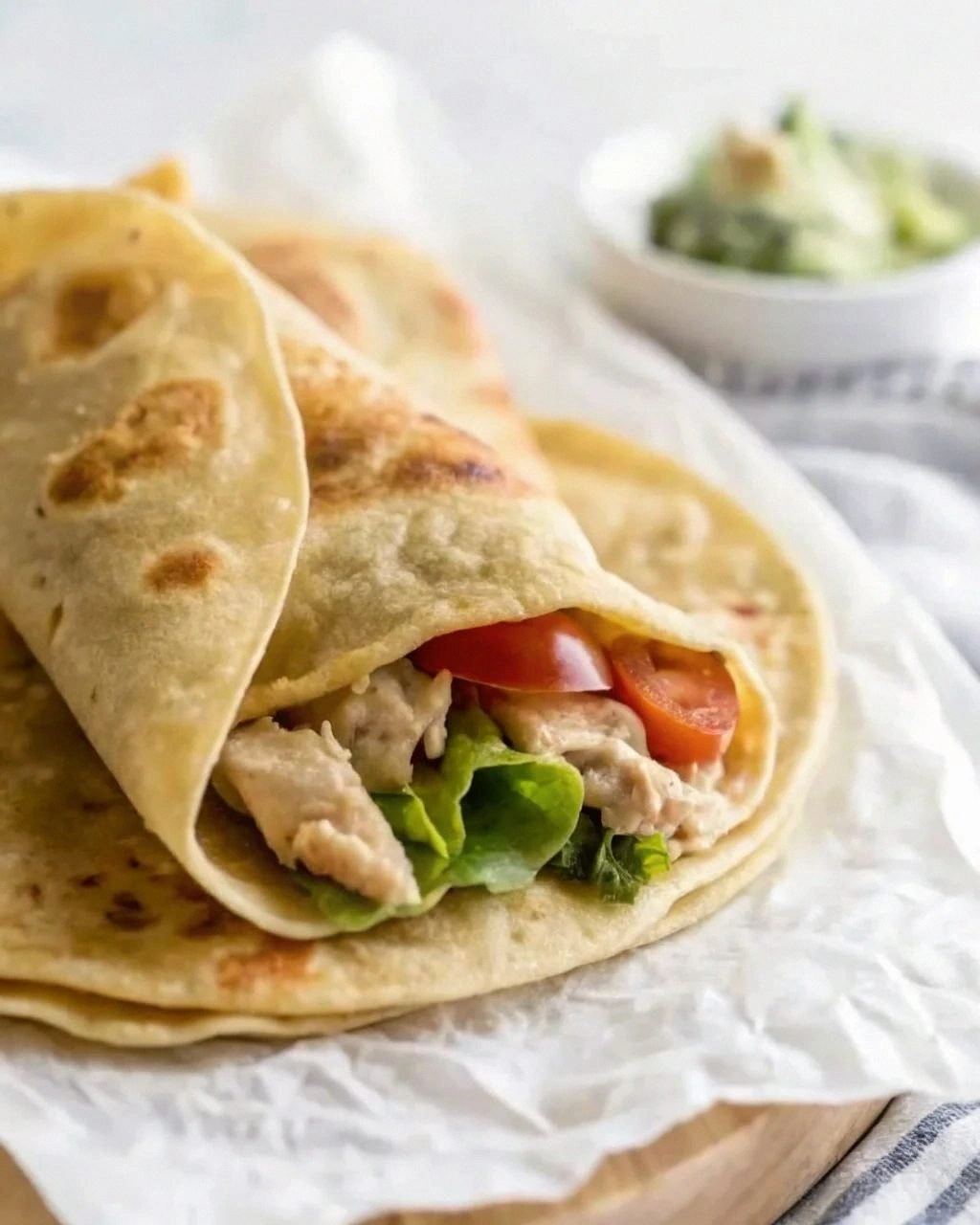
The Method — Step by Step
- Whisk together 2 cups all-purpose flour, 1 teaspoon salt, and 1½ teaspoons baking powder in a roomy bowl. Make a well in the center; think of it as a floury volcano crater. This well prevents splashy chaos when liquids arrive and earns you instant kitchen-cred for looking like you know what you're doing.
- Stir in ¾ cup plain yogurt and 2 tablespoons olive oil until shaggy clumps form. The dough will look like a failed biscuit experiment — embrace the mess. Use a fork first to save your fingers, then switch to hands when it starts coming together. If you've ever struggled with doughs that refuse to cooperate, you're not alone — and I've got the fix.
- Drizzle in ¼ cup warm water, a tablespoon at a time, working it in with your fingers. You want a soft, slightly tacky dough that feels like a stress ball wearing a silk scarf. Add water sparingly; humidity, flour brand, and yogurt thickness all play diva roles. Okay, ready for the game-changer?
- Knead the dough directly in the bowl for 30 seconds — yes, seconds, not minutes. Fold the edges over, push down with your knuckles, rotate. You're just encouraging the gluten to introduce themselves, not propose marriage. Over-kneading develops tough strands, and we're after tender, not tennis-racket chewy.
- Cover the bowl with a damp tea towel and let the dough nap for 15 minutes. This rest lets the flour hydrate fully and relaxes gluten so rolling becomes a zen activity, not arm-wrestling. Use the downtime to prep fillings, set the table, or practice your victory dance — because you're about to look very talented.
- Divide the rested dough into 6 equal pieces. Roll each into a ball, then flatten into disks between your palms. Keep them covered so they don't form a crusty skin — nobody wants desert-dry edges. Think of them as shy performers waiting backstage; they need darkness and moisture to shine.
- Heat a heavy skillet over medium-high until a drop of water sizzles enthusiastically. Cast iron is ideal, but any thick pan works. No oil needed — dry heat creates those beautiful char blisters that taste like summer campfires. That sizzle when it hits the pan? Absolute perfection.
- Roll one disk into a thin round about 8 inches wide, lifting and turning to keep it even. Toss it onto the hot skillet and cook 60-90 seconds until bubbles form and the bottom has golden leopard spots. Flip and cook another 45-60 seconds. The bread should puff like a proud frog — press gently with a spatula to encourage big air pockets.
- Transfer to a plate and immediately brush with olive oil and a pinch of flaky salt if you're feeling fancy. Cover with a towel while you repeat. Stack them as you go; the trapped steam keeps everything supple and warm. And now the fun part.
That's it — you did it. But hold on, I've got a few more tricks that'll take this to another level...
Insider Tricks for Flawless Results
The Temperature Rule Nobody Follows
Keep the skillet at a steady medium-high. Too hot and the outside carbonizes before the inside cooks, leaving you with doughy centers and bitter edges. Too low and the bread dries out, turning stiff within minutes. Think Goldilocks: you want vigorous sizzle, not volcanic eruption. If the breads brown faster than you can say "flip," dial it down and keep marching.
Why Your Nose Knows Best
Trust the aroma. When the floury smell turns to toasty popcorn, your first side is done. Flip immediately and wait for the same perfume on round two. This scent-signal is more reliable than watching a clock because pan thickness, burner BTU, and dough thickness all vary. A friend tried skipping this step once — let's just say it didn't end well.
The 5-Minute Rest That Changes Everything
After cooking, let the stack rest under a slightly vented towel for five minutes. The gentle steam finish equalizes moisture, so the surfaces stay pliant rather than crisping into crackers. This micro-spa treatment means your flatbreads remain rollable even hours later — perfect for lunchboxes or late-night snacking missions.
Roll Thin, Win Big
Aim for tortilla-level thinness. Thick dough balloons like a pita, then collapses into chewiness. Thin dough cooks quickly, puffs dramatically, and stays tender. If you see translucent spots as you roll, that's your green light. Channel your inner Italian nonna and show that rolling pin who's boss.
Freeze on the Flip Side
Cool completely, separate with parchment, and freeze in zip bags. To reheat, pop a frozen round into a dry hot skillet for 60 seconds per side. They emerge tasting bakery-fresh, saving you from 3 a.m. delivery fees and sad pita packages. Midnight shawarma is now a 90-second reality.
Creative Twists and Variations
This recipe is a playground. Here are some of my favorite ways to switch things up:
Garlic-Herb Paradise
Mix 1 teaspoon each dried oregano and minced garlic into the dry ingredients. Brush finished breads with garlic butter and shower with parsley. They smell like a pizzeria and taste like you hired an Italian grandma as your sous-chef.
Spicy Chili Swirl
Stir ½ teaspoon smoked paprika and a pinch of cayenne into the flour for a sunset-orange hue and gentle heat. Perfect for breakfast burritos that need a wake-up call without the runny-yolk mess.
Everything-Bagel Energy
Sprinkle sesame, poppy, onion flakes, and a whisper of sea salt on the raw side right before the first flip. The spices toast into the surface, turning each round into an everything-bagel doppelganger minus the boiling step.
Sweet Cinnamon Sugar Cloud
Swap salt for a pinch and brush cooked breads with melted butter, then dust with cinnamon sugar. Roll them up like cigars and watch them disappear faster than you can say "dessert quesadilla."
Cheese-Stuffed Dream
Roll a disk, scatter 2 tablespoons shredded mozzarella in the center, fold edges to seal, reroll gently, and cook. The cheese melts into stretchy lava — a quesadilla without the frilly edges.
Whole-Wheat Hippie
Replace half the AP flour with whole-wheat and add an extra tablespoon of water. The result is nutty, sturdy, and virtuous enough to balance the lamb gyro you're about to overfill.
Storing and Bringing It Back to Life
Fridge Storage
Stack completely cooled flatbreads in a zip bag with parchment between. They'll hang out happily for 4 days without turning into cardboard. Warm gently in a skillet or wrap in foil and heat at 350°F for 5 minutes. Add a tiny splash of water before reheating — it steams back to perfection.
Freezer Friendly
Flash-freeze individual rounds on a tray for 30 minutes, then transfer to freezer bags. They keep 2 months without freezer burn, though good luck letting them last that long. Thaw 10 minutes at room temp or go straight from freezer to skillet.
Best Reheating Method
Dry skillet over medium heat for 45 seconds per side beats microwaves every time. Microwaves turn them rubbery; skillet revives the toasty notes and supple bend. If you're feeding a crowd, wrap a stack in foil and warm at 325°F for 10 minutes — they emerge communal-oven soft and ready for the feast.