I still remember the first time I tried making focaccia—I ended up with a dense, sad slab that could've doubled as a doorstop. My Italian nonna would have wept. But after years of obsessive testing, flour-dusted notebooks, and more failed loaves than I care to admit, I've cracked the code to the most ethereal, cloud-soft focaccia that'll transport you straight to a sun-drenched trattoria in Liguria.
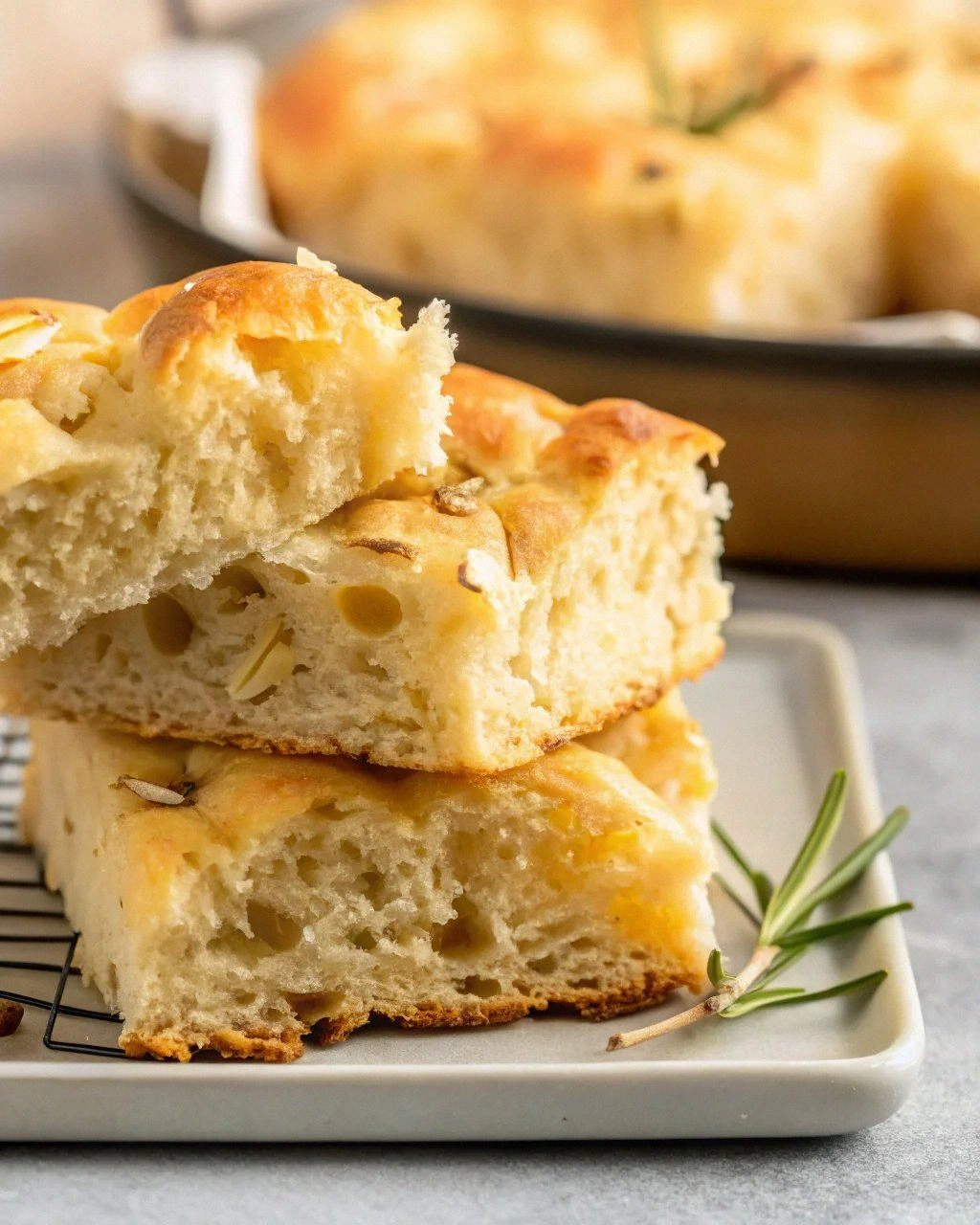
Picture this: golden dimples catching pools of herb-infused olive oil, the crust singing with a satisfying crunch before giving way to an interior so fluffy it practically sighs when you tear into it. The aroma—oh, that aroma—of rosemary, garlic, and yeasty bread wafting through your kitchen like a warm hug from an Italian grandmother. This isn't just bread; it's a masterpiece that'll make you the hero of every dinner party, potluck, or Tuesday night when you need something extraordinary.
Here's the thing: most focaccia recipes get it completely wrong. They treat it like pizza dough's cousin, overworking the gluten and skimping on the olive oil bath that makes it legendary. But not today, my friend. Today we're making focaccia that'll have your neighbors knocking down your door, that'll ruin all other bread for you forever, that you'll find yourself making at midnight because you simply can't live another day without it.
Let me walk you through every single step — by the end, you'll wonder how you ever made it any other way.
What Makes This Version Stand Out
Taste Explosion: We're talking about a flavor profile so complex, so deeply satisfying, that plain dinner rolls will taste like cardboard in comparison. The combination of slow fermentation, herb-infused oil, and that perfect salt crust creates layers of taste that unfold like a symphony on your palate.
Texture Perfection: Most focaccia falls into two traps—either it's dense and heavy like a brick, or so airy it collapses into nothing. This version achieves the holy grail: a crispy, olive oil-kissed exterior that shatters delicately under your teeth, revealing an interior so light and pillowy it practically floats off the baking sheet.
Foolproof Simplicity: Despite sounding fancy, this recipe uses techniques so straightforward you'll memorize them after one go. No stand mixer required, no complicated folding schedules, no mystical Italian grandmother secrets—just a bowl, your hands, and some patience while the magic happens.
Unique Technique: Here's where we depart from tradition in the best way possible. Instead of a quick rise, we're using a cold fermentation that develops flavor like you wouldn't believe. The dough rests in your fridge for 24-48 hours, transforming humble ingredients into something transcendent.
Crowd Reaction: I dare you to bring this to a gathering and watch what happens. Within minutes, you'll have people hovering around the bread basket like vultures, asking for the recipe, proposing marriage, or offering to name their firstborn after you. I've seen it happen.
Ingredient Quality: This recipe celebrates simplicity, which means every ingredient needs to shine. We're not hiding anything under layers of sauce or cheese—each component must pull its weight, from the fruity olive oil to the flaky sea salt that crackles on top.
Make-Ahead Magic: Here's the beautiful secret: this focaccia actually improves with age. Make the dough today, bake it tomorrow, and it'll taste even better. It's like having a party trick up your sleeve that you can deploy at a moment's notice.
Alright, let's break down exactly what goes into this masterpiece...
Inside the Ingredient List
The Flavor Base
Bread Flour: This is non-negotiable, folks. All-purpose flour simply doesn't have enough protein to create the chewy, structured crumb we're after. Bread flour's higher gluten content gives us those beautiful, stretchy air pockets that make focaccia look like a golden landscape of delicious hills and valleys. If you absolutely must substitute, add two tablespoons of vital wheat gluten per cup of all-purpose, but trust me—spring for the good stuff.
Instant Yeast: We're using instant yeast because it dissolves directly into the dough without proofing, and it's more reliable than those sad packets that have been sitting in your pantry since 2019. The yeast is what creates those gorgeous air bubbles—think of it as thousands of tiny balloons inflating your dough into a fluffy cloud of carb heaven.
Sea Salt: Not table salt, not kosher salt—sea salt. The mineral complexity adds subtle flavors that wake up every other ingredient like a splash of cold water to the face. Plus, those flaky crystals on top provide little bursts of salinity that make each bite interesting rather than just uniformly salty.
The Texture Crew
Extra Virgin Olive Oil: This isn't just for greasing the pan—we're talking about a quarter cup of the good stuff, the liquid gold that makes Mediterranean diet devotees weep with joy. The oil creates a protective barrier that keeps the crumb tender while developing that characteristic crispy bottom that'll have you fighting over the corner pieces. Don't you dare use "light" olive oil or some neutral cooking oil—this is where the magic happens.
Warm Water: The temperature matters more than you'd think. Too hot and you'll murder your yeast in cold blood; too cold and they'll work so slowly you'll be staring at your dough like it's watching paint dry. Aim for bath-water warm—comfortable to touch but not steaming. Your yeast will throw a party and multiply like crazy, which is exactly what we want.
The Unexpected Star
Honey: This is my secret weapon that separates good focaccia from legendary focaccia. Just a tablespoon feeds the yeast extra sugars, helping them produce more carbon dioxide for extra lift, while adding subtle floral notes that make people ask, "What IS that amazing flavor?" It's not enough to make the bread taste sweet—just enough to add complexity and help with browning.
The Final Flourish
Fresh Rosemary: Dried rosemary has no place here—it tastes like pine needles and disappointment. Fresh rosemary releases aromatic oils that perfume the entire loaf, creating little pockets of woodsy, herbal essence that transport you to an Italian hillside. Strip those needles from the stem and scatter them like green confetti across your dough.
Coarse Sea Salt for Topping: This isn't just any salt—we're talking about those chunky crystals that provide pops of salinity and satisfying crunch. Maldon flakes are my go-to, but any coarse sea salt will do. Sprinkle it on just before baking so it doesn't dissolve into oblivion.
Everything's prepped? Good. Let's get into the real action...
The Method — Step by Step
- Mix your dry ingredients in a large bowl—flour, salt, and yeast get whisked together like you're conducting a tiny orchestra. Make a well in the center and pour in your warm water, olive oil, and honey. Here's where most people panic: the dough will look shaggy and rough, like it could never become anything beautiful. Resist the urge to add more flour—this is exactly what we want. Cover it with plastic wrap and let it sit for 20 minutes; this autolyse period allows the flour to fully hydrate and starts developing gluten without any effort.
- Now comes the fun part—no kneading required! Simply grab one edge of the dough, pull it up and fold it over itself. Rotate the bowl a quarter turn and repeat this three more times. That's it. The dough will still look loose and sticky, but trust the process. Cover it again and let it rise at room temperature for 30 minutes while you clean up and marvel at how easy this is compared to every other bread recipe you've attempted.
- Repeat this fold every 30 minutes for a total of four times. Each fold strengthens the gluten network, transforming your shaggy mess into a smooth, elastic dough that jiggles like a happy bowl of potential. By the fourth fold, you'll notice it holds its shape better and feels alive under your hands. Don't worry if it still seems loose—focaccia is supposed to be a high-hydration dough that flows like lava.
- Now for the game-changer: cover the bowl tightly with plastic wrap and stash it in your refrigerator for at least 24 hours, up to 72 hours. This cold fermentation is where the flavor magic happens—the yeast works slowly, developing complex, nutty, slightly tangy flavors that make commercial focaccia taste like cardboard. If you've ever struggled with timing bread baking around your schedule, you're not alone—and I've got the fix. This dough waits patiently in your fridge until you're ready.
- When you're ready to bake, grab a 9x13 inch baking pan and pour in 3 tablespoons of olive oil—don't be shy here. The oil should pool in the bottom; this isn't a light coating, it's a luxurious bath. Transfer your cold dough to the pan and flip it once to coat both sides in oil. Use your fingertips to gently press and stretch the dough toward the edges. It will resist like a stubborn teenager, so let it rest for 15 minutes and try again. The gluten needs time to relax before it cooperates.
- Once the dough fills the pan (or gets close), cover it with plastic wrap and let it proof at room temperature for 2-3 hours. This is where patience pays off—the dough will puff up dramatically, becoming a billowy cloud studded with air bubbles. You'll know it's ready when it looks like it's about to overflow the pan and jiggles like a waterbed when you shake it gently. Picture yourself pulling this out of the oven, the whole kitchen smelling incredible...
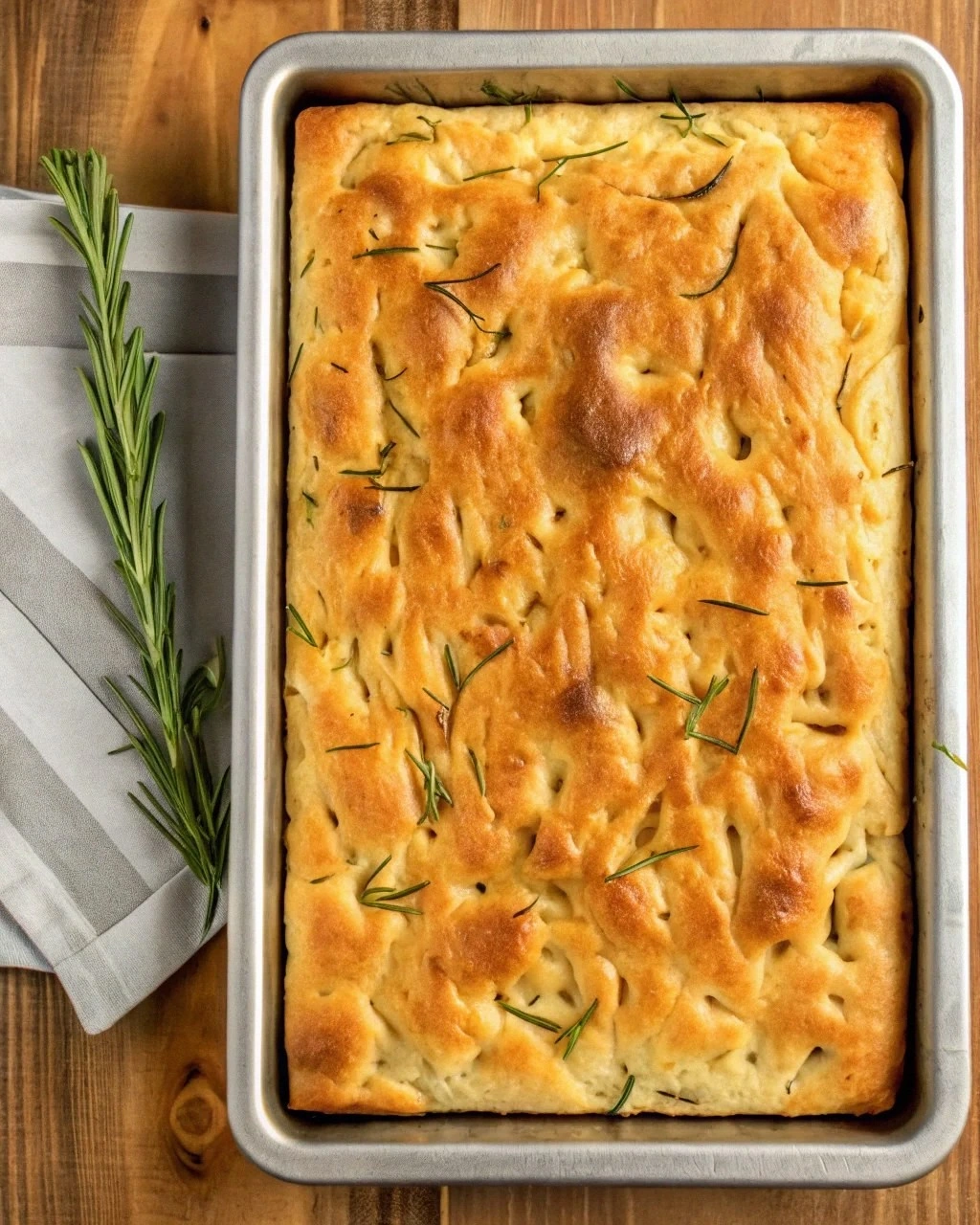
- Preheat your oven to 450°F—the high heat creates that characteristic crispy bottom while keeping the interior tender. Just before baking, use oiled fingertips to dimple the dough all over, pressing straight down until you feel the pan bottom. These dimples aren't just for looks—they create little pools of olive oil that season the bread and create textural contrast. Scatter fresh rosemary leaves and coarse sea salt across the top, then drizzle with another tablespoon of oil.
- Bake for 20-25 minutes until the top is golden brown and the edges are pulling away from the pan. That sizzle when it hits the hot oven? Absolute perfection. Rotate the pan halfway through baking for even browning. The focaccia is done when it's deeply golden on top and the bottom sounds hollow when tapped. If you want extra crispy edges, run it under the broiler for the last 2 minutes—but watch it like a hawk because it goes from perfect to burnt faster than you can say "mamma mia."
- Let it cool in the pan for 5 minutes—if you can wait that long—then transfer to a wire rack. Brush with more olive oil while it's still hot, because there's no such thing as too much oil in focaccia. Slice it into squares and serve warm, or let it cool completely and store for later. I'll be honest—I ate half the batch before anyone else got to try it, standing in my kitchen tearing off pieces with my hands like a carb-crazed maniac.
That's it—you did it. But hold on, I've got a few more tricks that'll take this to another level...
Insider Tricks for Flawless Results
The Temperature Rule Nobody Follows
Most recipes gloss over temperature like it's no big deal, but here's what actually works: your ingredients should be at the right temp from the start. Water too hot kills yeast, too cold slows fermentation to a crawl. Room temperature olive oil blends better than cold oil straight from the pantry. Even your flour matters—cold flour from a chilly pantry will slow everything down. I keep my flour in a sealed container at room temperature and warm my olive oil bottle in a bowl of warm water for 5 minutes before measuring. A friend tried skipping this step once—let's just say it didn't end well, and she ended up with a dough that took 6 hours to rise instead of 2.
Why Your Nose Knows Best
Forget timers—your nose is the most reliable tool in your kitchen. When focaccia is perfectly proofed, it smells slightly yeasty and sweet, like beer and honey had a baby. During baking, it should fill your house with aromas of toasted grain and herbs. If you smell something sour or off, your dough over-proofed. If you don't smell much at all, it needs more time. This sensory awareness takes practice, but once you develop it, you'll be the Jedi master of bread baking in your neighborhood.
The 5-Minute Rest That Changes Everything
After mixing your dough, that 20-minute rest isn't just for kicks—it's called autolyse, and it's pure magic. During this pause, enzymes in the flour start breaking down starches into simple sugars that feed the yeast later. Gluten begins developing without any effort from you, creating a more extensible dough that's easier to work with. Skipping this step results in tougher, less flavorful bread. Use this time to prep your pan, measure your oil, or just sip some wine and pretend you're in Italy.
The Oil Quality Make-or-Break
This recipe demands excellent olive oil—cheap stuff will taste flat and greasy, while quality oil adds fruity, peppery notes that make people close their eyes in bliss when they taste it. Look for oils labeled "extra virgin" from a single origin, preferably within 18 months of harvest. Taste it straight—good oil should taste green, fresh, slightly bitter, and make your throat tingle slightly. That tingle comes from polyphenols, antioxidants that indicate freshness and quality. My go-to is a Ligurian oil that's grassy and bright, but any high-quality oil will elevate your focaccia from good to unforgettable.
Storage Secrets for Maximum Freshness
Here's where most people go wrong: they wrap focaccia in plastic wrap, which traps moisture and ruins the crispy crust. Instead, store cooled focaccia in a paper bag at room temperature for up to 2 days. For longer storage, wrap tightly in foil and freeze for up to 3 months. To revive day-old focaccia, spritz with water and warm in a 350°F oven for 5-7 minutes. It emerges almost as good as fresh, with a revived crust and soft interior. Okay, ready for the game-changer?
Creative Twists and Variations
This recipe is a playground. Here are some of my favorite ways to switch things up:
The Mediterranean Vacation
Replace the rosemary with a mixture of chopped kalamata olives, sun-dried tomatoes, and crumbled feta cheese pressed into the dough before baking. The briny olives and sweet tomatoes create little flavor bombs, while the feta adds creamy pockets of saltiness. Finish with a sprinkle of dried oregano and a squeeze of lemon juice right when it comes out of the oven. This version pairs perfectly with a crisp white wine and makes you feel like you're dining on a Greek island, even if you're actually in a studio apartment in January.
The Everything Bagel Focaccia
Brush the top with an egg wash instead of plain oil, then sprinkle generously with everything bagel seasoning before baking. The egg helps the seasoning adhere while creating a glossy, bakery-worthy finish. The combination of sesame, poppy seeds, garlic, and onion turns this into the best everything bagel you've ever had, minus the boiling step. Slice it horizontally and use it for the most epic breakfast sandwich of your life—trust me on this one.
The Sweet-Savory Paradox
Add 2 tablespoons of honey to the dough and replace the rosemary with fresh thyme and thin pear slices fanned across the top. The pears caramelize in the oven, creating jammy pockets of sweetness that contrast beautifully with the salty, herby bread. A drizzle of honey right when it comes out of the oven makes this absolutely irresistible. Serve it with sharp cheese and watch sophisticated adults revert to finger-food-eating children.
The Roasted Garlic Cloud
Roast an entire head of garlic until it's caramelized and sweet, then mash it into the olive oil before adding to the pan. The roasted garlic melts into the dough, creating subtle sweetness and depth that makes regular garlic bread taste like a disappointment. Add some fresh thyme and cracked black pepper on top. This version is so good, I dare you to taste this and not go back for seconds—actually, thirds.
The Truffle Shuffle
Replace 2 tablespoons of olive oil with white truffle oil, but don't go overboard—truffle oil is potent stuff. Add some caramelized onions and gruyere cheese on top for a version that's sophisticated enough for a dinner party but approachable enough that everyone will want the recipe. The earthy truffle pairs beautifully with the sweet onions and nutty cheese. Just be prepared for people to ask if you went to culinary school.
The Spicy Surprise
Add 1 teaspoon of Calabrian chili paste to the dough and top with thinly sliced jalapeños and a sprinkle of smoked paprika. The heat builds slowly, creating a warm glow rather than overwhelming fire. A final sprinkle of honey when serving creates that magical sweet-heat combination that keeps you coming back for more. This one's perfect for game day or any time you want to wake up your taste buds.
The Breakfast Champion
Press cooked breakfast sausage and sharp cheddar cheese into the dough before the final proof. When it bakes, the cheese creates crispy, lacy edges while the sausage adds smoky, savory notes. Serve squares of this with maple syrup for dipping, and you've essentially created the world's most portable breakfast sandwich. Future pacing: picture yourself serving this at brunch and becoming a legend among your friends.
Storing and Bringing It Back to Life
Fridge Storage
While focaccia keeps at room temperature for 2 days, sometimes you need longer storage. Wrap cooled focaccia tightly in plastic wrap, then in foil, and refrigerate for up to 5 days. The cold temperature will stale the bread faster, but it's better than wasting this masterpiece. Bring it back to life by unwrapping and letting it come to room temperature, then warming in a 350°F oven for 7-10 minutes until heated through and crispy again. Add a tiny splash of water before reheating—it steams back to perfection, reviving the interior while recrisping the exterior.
Freezer Friendly
Focaccia freezes beautifully, making it perfect for meal prep or emergency carb cravings. After cooling completely, cut into individual portions and wrap each piece in plastic wrap, then in foil. Label with the date and freeze for up to 3 months. To thaw, remove from foil but keep the plastic wrap on, and let it sit at room temperature for 2-3 hours. Warm in a 375°F oven for 5-8 minutes until heated through. Pro tip: freeze some pieces before they're completely cool—the residual heat creates a slight steam effect that helps maintain moisture during freezing.
Best Reheating Method
The microwave is your enemy here—it'll turn your beautiful focaccia into a rubbery mess faster than you can say "carb emergency." Instead, use a dry skillet over medium heat for 2-3 minutes per side, which revives the crust while warming the interior. For larger portions, wrap in foil and warm in a 350°F oven for 10-12 minutes. For the ultimate revival, split and toast under the broiler for 1-2 minutes until edges are crispy, then brush with fresh olive oil. It'll taste almost as good as fresh, and nobody will know it wasn't baked that day.