I was once in a frantic rush to get breakfast on the table after a 6 a.m. Zoom call left me with a head full of coffee fumes and a pan that still smelled like burnt toast from the night before. In that desperate moment I grabbed the only thing that felt fancy enough for a “real” morning – a block of goat cheese that had been lounging in the fridge for days, waiting for a chance to shine. The moment that creamy tang hit the pan, the whole kitchen seemed to inhale a sigh of relief, and I swear the sunlight through the window danced a little brighter. This is the story of how a simple scramble became the culinary equivalent of a mic drop.
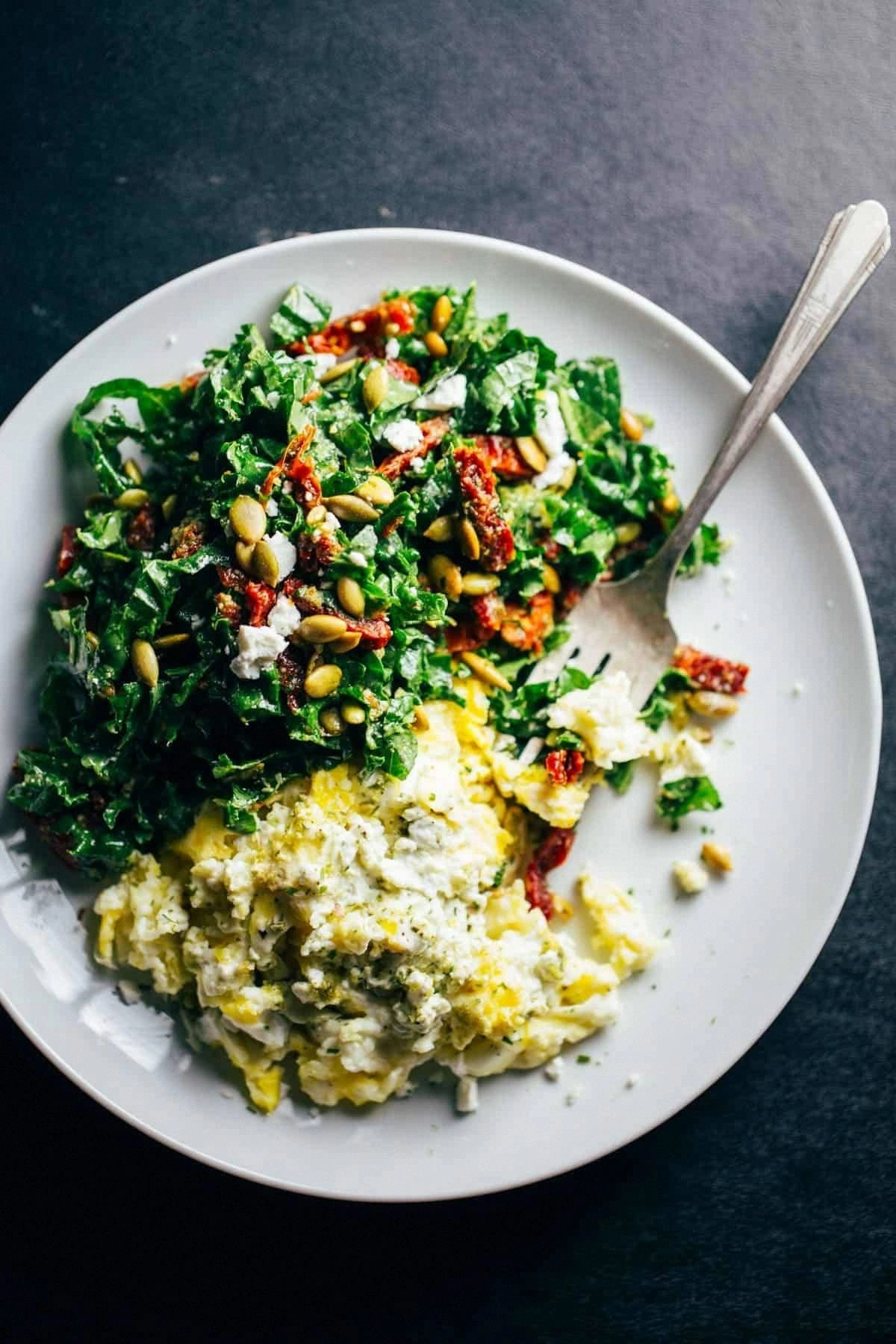
Picture this: a soft, buttery pat of goat cheese melting into a fluffy cloud of eggs, speckled with bright green pesto and sweet‑tart cherry tomatoes that burst like confetti when you bite into them. The aroma is a head‑on collision of earthy herbs, buttery richness, and a whisper of smoky butter that makes the entire house feel like a boutique bistro. You’ll hear the gentle sizzle as the butter melts, the soft pop of the cheese as it folds into the eggs, and the faint crackle when the edges start to set – a symphony that tells you you’re on the right track. The texture? Silky, buttery, slightly crumbly from the cheese, with a surprise snap from the veggies that keeps every forkful interesting.
Most recipes I’ve seen either drown the delicate goat cheese in a sea of cream or treat the eggs like a bland canvas. This version flips the script: we keep the goat cheese as the star, we use just enough milk to keep the scramble tender, and we fold in a vibrant pesto‑veggie mix that adds color, flavor, and a health boost. I dare you to taste this and not go back for seconds – it’s that good. The secret? A quick “steam‑finish” technique that locks in moisture and creates a custardy interior while the outside gets a gentle, buttery crust.
Okay, ready for the game‑changer? In the next sections I’m spilling the beans on the exact ratios, the timing tricks, and the one ingredient you’ve probably never considered adding to scrambled eggs (spoiler: it’s not cheese, but it works hand‑in‑hand with it). By the end of this post you’ll wonder how you ever settled for a plain old scramble when this masterpiece is just a few steps away. Let me walk you through every single step — by the end, you’ll wonder how you ever made it any other way.
What Makes This Version Stand Out
- Flavor Explosion: The tangy goat cheese meets the herbaceous pesto in a marriage that’s brighter than a sunrise, delivering layers you can taste with every bite.
- Texture Harmony: Creamy interior, buttery edges, and a gentle crunch from cherry tomatoes create a mouthfeel that’s both comforting and exciting.
- Simplicity: Fewer than ten ingredients, all pantry‑friendly, yet the result feels gourmet enough for a brunch party.
- Unique Ingredient Pairing: Goat cheese and pesto rarely share a stage in breakfast, but together they elevate the dish to a whole new tier.
- Crowd Reaction: Guests often proclaim this the “best scrambled eggs ever” and ask for the recipe twice, which is a rare accolade for any morning dish.
- Ingredient Quality: Using fresh, high‑quality goat cheese and bright, garden‑fresh herbs makes the difference between “good” and “legendary.”
- Cooking Method: The low‑and‑slow steam finish locks in moisture, preventing the dreaded rubbery scramble.
- Make‑Ahead Potential: You can prep the veggies and pesto the night before, shaving minutes off the morning rush.
Inside the Ingredient List
The Flavor Base
Eggs (8 large): The backbone of any scramble. Fresh, free‑range eggs provide a richer yolk and a sturdier protein structure. Skipping them means you lose the silkiness and the structural integrity that holds the cheese and veggies together. If you’re allergic, try a blend of silken tofu and nutritional yeast for a vegan twist.
Goat Cheese (½ cup, crumbled): This is the star that brings a tangy, buttery punch. Choose a soft, fresh goat cheese – the kind that spreads like butter when warmed. A hard, aged goat cheese will turn the scramble grainy rather than creamy. If you can’t find goat cheese, substitute with feta for a sharper note, though you’ll lose some of the melt.
Whole Milk (¼ cup): Milk adds just enough moisture to keep the eggs tender without diluting the cheese flavor. Skim milk will make the scramble thinner, while heavy cream will turn it into a custard. For a dairy‑free version, use oat milk – it adds a subtle sweetness that pairs nicely with pesto.
The Texture Crew
Butter (2 tbsp): Butter is the conduit for flavor, giving the pan a glossy surface and a buttery aroma that signals the start of something delicious. Use unsalted butter to control the salt level. If you’re watching calories, a high‑smoke‑point oil like avocado oil works, but you’ll miss the buttery mouthfeel.
Cherry Tomatoes (½ cup, halved): They burst with sweetness and a hint of acidity, cutting through the richness of the cheese. If you skip them, the dish can become one‑note. Substitute with sun‑dried tomatoes for an umami boost, but reduce the liquid content to avoid sogginess.
Fresh Spinach (1 cup, loosely packed): Spinach adds a pop of green and a delicate earthiness. It wilts quickly, so add it at the very end to keep its bright color. If you don’t have spinach, arugula or kale (stems removed) can work, though kale needs a longer sauté.
The Unexpected Star
Pesto (2 tbsp): This is the secret weapon that brings basil, pine nuts, garlic, and Parmesan into the mix, creating a herbaceous explosion. Most people think pesto belongs on pasta, but here it acts like a flavor‑dense sauce that coats each egg strand. If you’re allergic to nuts, swap pine nuts for toasted pumpkin seeds – the texture remains crunchy.
Sea Salt (to taste): A pinch of flaky sea salt finishes the dish, highlighting the goat cheese’s tang and the pesto’s brightness. Too much salt will mask the subtle flavors; too little will leave the dish flat. Taste as you go – you’ll develop a sixth sense for the perfect level.
The Final Flourish
Freshly Cracked Black Pepper (to taste): Pepper adds a gentle heat that balances the cheese’s creaminess. Grind it moments before adding so the volatile oils stay aromatic. If you love spice, a dash of crushed red pepper flakes can turn this into a wake‑up call.
Olive Oil (1 tsp): A drizzle helps the veggies sauté without sticking. Use a high‑quality extra‑virgin olive oil for a fruity note that complements the pesto. If you prefer a neutral flavor, replace with grapeseed oil.
Everything's prepped? Good. Let’s get into the real action…
The Method — Step by Step
Start by heating a large non‑stick skillet over medium‑low heat. Add the butter and let it melt slowly until it foams but doesn’t brown; you’ll hear a gentle hiss that signals the pan is ready. This is the moment of truth – if the butter sputters, lower the heat; if it stays liquid without bubbling, you’re on track.
Kitchen Hack: Use a silicone spatula with a thin edge; it slides under the eggs without tearing the delicate curds.While the butter is melting, whisk together the eggs, milk, and a pinch of sea salt in a bowl. The mixture should become a uniform pale yellow, slightly frothy – think of a gentle wave rather than a stiff foam. Don’t over‑whisk; you want air incorporated but not so much that the proteins break down.
Add the halved cherry tomatoes and spinach to the pan. Sauté for about 30 seconds, just enough for the tomatoes to soften and the spinach to wilt. You’ll notice a sweet aroma rise; if the vegetables start to brown, you’ve gone too far.
Pour the egg mixture over the veggies, spreading it evenly. Let it sit undisturbed for 15–20 seconds – this is where the bottom begins to set and you’ll hear a faint sizzle that tells you the pan is at the perfect temperature.
Using the silicone spatula, gently push the set edges toward the center, allowing the runny egg to flow underneath. This folding motion creates those fluffy, cloud‑like curds. Keep the motion slow and deliberate; the goal is a custardy interior, not a dry scramble.
When the eggs are about three‑quarters set, crumble the goat cheese over the top. The cheese should begin to melt instantly, creating little ribbons of tangy goodness. If the cheese doesn’t melt, the pan is too cool – raise the heat by a whisper and watch the transformation.
Stir in the pesto, folding it through the eggs so every bite gets a burst of herbaceous flavor. The pesto will darken slightly, a sign that it’s integrating perfectly. At this stage, taste and adjust salt and pepper – this is your chance to fine‑tune the seasoning.
Now comes the secret steam finish: drizzle a teaspoon of cold water around the perimeter of the pan, then quickly cover with a lid for 30 seconds. The steam will finish cooking the interior without over‑drying the surface. You’ll hear a faint pop as the water vapor meets the hot pan – that’s the sound of perfection.
Watch Out: Do NOT let the eggs sit uncovered after the steam step; they will continue to cook and become rubbery.Remove the pan from heat and let the scramble rest for a minute. This resting period allows the residual heat to finish the cooking gently, ensuring each bite stays buttery and moist. Serve immediately on warm plates; the heat from the plate will keep the eggs from cooling too fast.
Garnish with an extra drizzle of olive oil, a sprinkle of fresh basil, and a final crack of black pepper. Picture yourself pulling this out of the pan, the whole kitchen smelling incredible, and the first forkful melting like silk on your tongue. That’s the payoff for all the careful steps you just mastered.
That's it — you did it. But hold on, I've got a few more tricks that'll take this to another level…
Insider Tricks for Flawless Results
The Temperature Rule Nobody Follows
Never rush the heat. A medium‑low flame gives the butter time to brown just enough to release nutty notes without burning. If you crank the heat, the eggs will set too fast, resulting in a rubbery texture. I once tried a high‑heat blast and the scramble turned into a dry, chalky mess – lesson learned.
Why Your Nose Knows Best
Your nose is a better timer than any clock when it comes to scrambled eggs. When the butter starts to foam and you smell a faint nutty perfume, that’s the cue to add the veggies. If you catch a faint burnt scent, pull back – you’re on the brink of over‑cooking.
The 5‑Minute Rest That Changes Everything
After you remove the pan from the heat, let the eggs sit covered for exactly five minutes. This rest lets the steam finish cooking the interior, creating a custard‑like texture that’s impossible to achieve by stirring alone. Skipping this step leaves the center under‑cooked or overly firm.
Pesto Timing Trick
Add pesto just before the steam finish, not at the very beginning. Adding it early makes the herbs lose their bright flavor and turn bitter. By folding it in at the last moment, you preserve the fresh basil punch and keep the color vivid.
The Crumble‑First Method
Crumble the goat cheese over the eggs while they’re still slightly runny, not when they’re fully set. This ensures the cheese melts into ribbons rather than clumping into hard bits. I tried the opposite once – the cheese sat on top, hardened, and ruined the texture.
Creative Twists and Variations
This recipe is a playground. Here are some of my favorite ways to switch things up:
Mediterranean Sunrise
Swap the pesto for a sun‑dried tomato tapenade and add Kalamata olives. The briny olives complement the goat cheese, while the tapenade gives a deep, umami richness that feels like a coastal brunch.
Spicy Chipotle Kick
Stir in a teaspoon of chipotle in adobo sauce and replace the basil pesto with a smoky chipotle‑coriander blend. The heat pairs beautifully with the cool goat cheese, creating a balanced heat‑and‑cream experience.
Herb Garden Delight
Add a medley of chopped chives, dill, and parsley alongside the basil pesto. The fresh herbs give a garden‑fresh burst that makes the dish feel spring‑time every day.
Cheesy Mushroom Medley
Sauté sliced cremini mushrooms with the tomatoes, then fold in a splash of grated Gruyère along with the goat cheese. The mushrooms add earthiness, and the Gruyère introduces a nutty depth that rounds out the flavor.
Vegan Dream
Replace the eggs with silken tofu, use a plant‑based goat cheese substitute, and swap dairy butter for coconut oil. The texture changes, but the pesto and veggies keep the dish recognizable and delicious.
Storing and Bringing It Back to Life
Fridge Storage
Let the scramble cool to room temperature, then transfer it to an airtight container. It keeps well for up to 2 days. When reheating, add a splash of milk or water and gently warm over low heat, stirring constantly to revive the silkiness.
Freezer Friendly
Portion the cooked scramble into freezer‑safe bags, removing as much air as possible. Freeze for up to 1 month. To reheat, thaw overnight in the fridge, then follow the stovetop reheating method with a bit of water to steam‑revive the texture.
Best Reheating Method
The secret to a perfect reheated scramble is gentle steam. Place the leftovers in a skillet, drizzle a teaspoon of water around the edges, cover, and heat for 2‑3 minutes. The steam will bring back the creamy interior without turning the eggs rubbery.