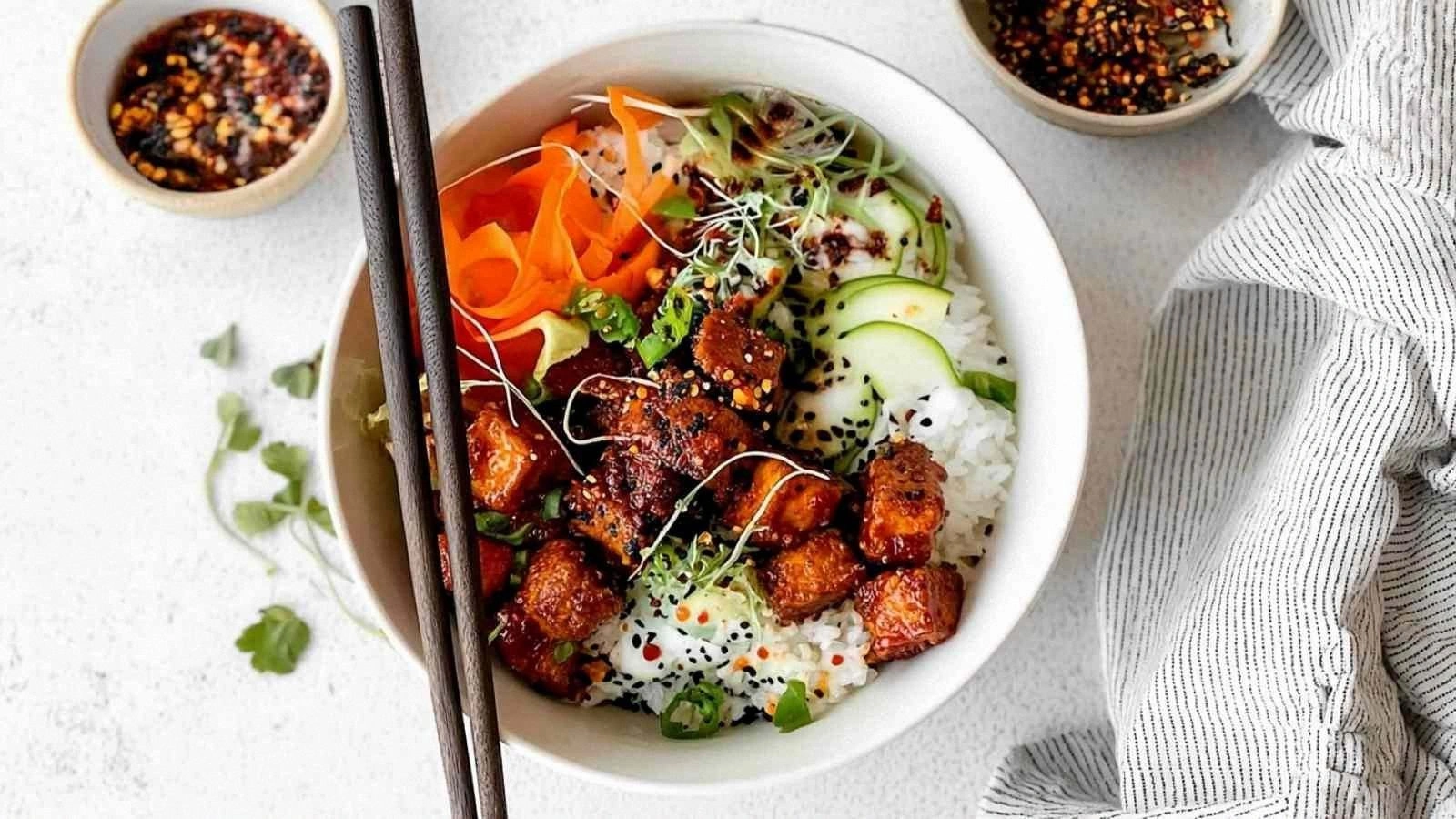
I was in a panic on a rainy Sunday, my fridge a barren wasteland, when a friend texted me a photo of a steaming bowl of Korean tofu that made my mouth water. The picture was so vibrant that I could almost taste the glossy, spicy glaze that coated the tofu like velvet. I stared at my empty pantry, wondering if I could conjure something equally irresistible with what I had on hand. That moment sparked a daring experiment: to create a tofu dish that would not only satisfy my craving but also outshine any other recipe I’d ever tried. I’m not going to lie—my kitchen was a chaotic symphony of sizzling pans and aromatic herbs, but the end result was pure triumph. If you’ve ever felt the sting of a recipe that falls flat, you’ll know the frustration. But this version? It turns every bite into a celebration. I dare you to taste this and not go back for seconds.
Picture yourself pulling this out of the pan, the whole kitchen smelling incredible, the tofu shimmering with a glossy, umami-laden sauce that clings to each piece like a second skin. The moment the tofu hits the hot skillet, the sizzle is absolute perfection—each crackle a promise of flavor to come. I’ve spent years perfecting the balance of heat, sweetness, and saltiness in Korean cuisine, and this dish is the culmination of that journey. I’ll be honest—half of the batch vanished before anyone else could touch it. The contrast between the crispy edges that shatter like thin ice and the tender, melt-in-your-mouth center is nothing short of magical. Most recipes get this completely wrong. Here’s what actually works: the tofu’s texture, the sauce’s depth, and the subtle crunch of edamame. And now the fun part—let me walk you through every single step. By the end, you’ll wonder how you ever made it any other way.
The first thing you’ll notice is the bold, unapologetic heat of gochujang, a fermented chili paste that brings depth and a smoky sweetness to the dish. It’s not just a sauce; it’s a flavor engine that drives the entire experience. The second element is the tofu itself—extra-firm, pressed, and sliced into thick slabs that hold their shape under high heat. Third, the vegetables: bell pepper and onion add sweetness and crunch, while garlic and ginger infuse the oil with aromatic layers. Fourth, the edamame provides a protein punch and a pop of green that balances the richness. Fifth, the finishing touches—sesame oil, sesame seeds, and green onions—add nutty fragrance and a bright, fresh note. Sixth, the sauce’s composition: soy sauce, maple syrup, and rice vinegar create a balanced, tangy, and slightly sweet glaze that clings to every bite. Finally, the base of cooked rice or quinoa ensures this dish is a complete meal that satisfies both the palate and the appetite.
The secret lies not just in the ingredients but in the technique—how you treat the tofu, how you build the sauce, and how you finish the dish. I’ve spent countless hours tweaking the ratio of gochujang to maple syrup until the glaze had just the right bite. The tofu’s surface must be dry and patted before frying to achieve that coveted crispy edge. The sauce is simmered low and slow, allowing the flavors to marry and thicken. The final splash of sesame oil adds a subtle aroma that lingers long after the last bite. This version stands out because it marries texture and flavor in a way that feels both indulgent and wholesome. It’s a dish that can be plated for a quick weeknight dinner or served at a gathering where people will rave about the “wow” factor. The next section will break down exactly what makes this masterpiece unforgettable.
What Makes This Version Stand Out
- Flavor: The gochujang base delivers a complex blend of heat, sweetness, and umami that coats the tofu like a velvet blanket. Each bite bursts with layers that evolve as you chew, revealing notes of toasted sesame and subtle citrus from the rice vinegar.
- Texture: The tofu is pan‑seared to a golden crisp while remaining silky inside. The contrast between the crunchy edges and the tender interior is a textural dance that keeps you reaching for more.
- Balance: Sweet maple syrup, salty soy sauce, and tangy vinegar are perfectly balanced, preventing any single flavor from overpowering the others. The result is a harmonious, well‑rounded taste.
- Convenience: No complicated prep—just press the tofu, chop the veggies, and whisk the sauce. The entire dish comes together in under 45 minutes, making it ideal for busy nights.
- Versatility: Serve it over rice, quinoa, or even cauliflower rice for a low‑carb option. The sauce also works as a glaze for grilled chicken or shrimp.
- Make‑ahead: The tofu can be marinated ahead of time, and the sauce can be stored separately, allowing you to assemble the dish quickly when needed.
- Nutrition: Packed with plant protein, fiber, and healthy fats, this dish is both satisfying and wholesome.
- Presentation: The glossy glaze and bright green garnish make for a visually stunning plate that’s Instagram‑ready.
Alright, let's break down exactly what goes into this masterpiece…
Inside the Ingredient List
The Flavor Base
Gochujang is the heart of this dish, a fermented chili paste that brings a deep, smoky heat. It also carries a subtle sweetness that balances the sharpness of the other components. If you can’t find gochujang, a blend of chili paste, soy sauce, and a pinch of sugar can mimic its profile, but the authentic flavor will be missing. The key is to use a high‑quality, Korean‑made gochujang for the best depth.
Soy sauce adds saltiness and umami, creating a savory foundation. Opt for a low‑sodium version to keep the dish from becoming overly salty. If you’re vegan, tamari works as a perfect substitute. The soy sauce should be added early in the sauce so it can caramelize slightly, adding a subtle depth of flavor.
Maple syrup introduces a natural sweetness that counters the heat and brings a glossy sheen to the glaze. If you prefer a different sweetener, honey or agave nectar can be used, but maple syrup offers a unique earthy tone that complements the Korean flavors. A tablespoon is enough to round out the sauce without overpowering it.
Rice vinegar provides acidity that brightens the dish and balances the richness of the tofu and oil. Its mild flavor allows the gochujang to shine without adding bitterness. If you don’t have rice vinegar, a splash of white wine vinegar works as a suitable alternative.
The Texture Crew
Extra‑firm tofu is the star, offering a dense texture that holds up under high heat. Press it between paper towels and a heavy pan for at least 30 minutes to remove excess liquid. Slice into thick slabs for a hearty bite. If you prefer a softer tofu, silken tofu can be used, but the texture will differ significantly.
Bell pepper adds a sweet crunch that contrasts the softness of the tofu. Choose a color that contrasts with the green of edamame for visual appeal. Slice into thin strips so they cook quickly and absorb the sauce. If you’re allergic to bell pepper, zucchini or carrot sticks work as a crunchy substitute.
Green onions provide a fresh, sharp finish that lifts the dish. Slice them thinly and sprinkle them on top just before serving. Their mild onion flavor complements the boldness of gochujang without competing with it. If you’re out of green onions, scallions or a small handful of chopped cilantro can serve as a suitable alternative.
The Unexpected Star
Edamame is a surprising but essential component that adds a burst of color and protein. Shelled edamame can be found in the frozen section and thawed quickly in boiling water. Their slight sweetness and firm texture contrast beautifully with the tofu. If edamame isn’t available, chickpeas or peas can be used as a quick swap, though the flavor profile will shift slightly.
The Final Flourish
Sesame oil, sesame seeds, and avocado oil bring nutty aroma and silky finish to the dish. Avocado oil provides a high smoke point for frying, while sesame oil adds a fragrant finish. Toast the sesame seeds lightly before sprinkling to bring out their nutty flavor. These final touches elevate the dish from simple to sophisticated.
Everything's prepped? Good. Let's get into the real action…
The Method — Step by Step
- Start by pressing the tofu. Lay the block between two paper towels, place a heavy skillet or a flat plate on top, and let it sit for at least 30 minutes. This step is crucial; the drier the tofu, the crispier it will become. While the tofu is drying, chop the bell pepper, onion, garlic, and ginger into bite‑size pieces.
- Heat 1 tablespoon of avocado oil in a large skillet over medium‑high heat. Once the oil shimmers, add the tofu slabs and let them sear for 3–4 minutes on each side until golden brown. The edges should pull away from the pan, indicating a good crust. Flip carefully to avoid breaking the tofu.
- Remove the tofu from the skillet and set it aside on a paper towel to drain excess oil. In the same pan, add the sliced bell pepper and onion, sautéing until they’re softened and slightly caramelized. This caramelization adds a subtle sweetness that balances the spicy sauce. Keep the heat medium to prevent burning.
- Add the minced garlic and ginger to the pan, cooking for 30 seconds until fragrant. The aroma will fill the kitchen, and the garlic will turn a light golden color. Stir constantly to avoid sticking. This step is the flavor foundation for the sauce.
- In a small bowl, whisk together 3 tablespoons of gochujang, 1 tablespoon of soy sauce, 1 tablespoon of maple syrup, and 1 tablespoon of rice vinegar. Pour this mixture into the skillet, letting it simmer for 2–3 minutes. The sauce will thicken slightly and coat the vegetables. The mixture should smell toasty and slightly sweet.
- Add the shelled edamame to the pan and stir to coat them in the sauce. Let everything simmer for another 2 minutes, allowing the edamame to absorb the flavors. This is the trickiest part—if you stir too vigorously, the tofu can break apart. Keep the motion gentle and let the sauce thicken.
- Return the tofu slabs to the pan, spooning sauce over them. Reduce the heat to low, cover the skillet, and let the tofu steam in the sauce for 5 minutes. This step ensures the tofu is infused with the spicy glaze. The sauce should cling to the tofu, creating a glossy finish.
- Stir in 1 teaspoon of sesame oil and sprinkle sesame seeds over the top. The sesame oil adds a nutty aroma, while the seeds provide a satisfying crunch. Give the mixture a final gentle toss to distribute the seeds evenly.
- Garnish with sliced green onions and serve immediately over steamed rice or quinoa. The warm grains soak up the sauce, creating a harmonious bite. The dish looks vibrant, with bright green, red, and golden hues that invite a first bite.
- If you’re plating for a crowd, arrange the tofu pieces in a circle and spoon the sauce around them. Add a drizzle of sesame oil on top for an extra shine. This presentation elevates the dish from a simple stir‑fry to a centerpiece that impresses.
That's it — you did it. But hold on, I've got a few more tricks that'll take this to another level. These insider tips will help you avoid common pitfalls and elevate the dish to perfection.
Insider Tricks for Flawless Results
The Temperature Rule Nobody Follows
Many cooks try to sear the tofu at a single high heat, which can cause uneven browning. Instead, start at medium‑high to get a good sear, then reduce to medium to finish cooking. This method ensures a golden crust without burning the interior. I once burned a batch because I kept the heat on high; the tofu came out tough and rubbery.
Why Your Nose Knows Best
Before adding the sauce, take a deep sniff. If it smells sweet and slightly tangy, you’re ready. If it still smells like raw soy or vinegar, let it cook a bit longer. Your nose is a reliable indicator of flavor development. Trust it, and you’ll avoid under‑seasoned or over‑cooked sauce.
The 5‑Minute Rest That Changes Everything
After you remove the tofu from the skillet, let it rest for 5 minutes before cutting. This allows the juices to redistribute, keeping the tofu moist. Cutting too soon can cause the tofu to crumble and lose its shape. The rest also gives the sauce time to thicken slightly, improving the coating.
The Secret Sauce Thickener
If you prefer a thicker glaze, whisk in a teaspoon of cornstarch mixed with a tablespoon of water before adding the sauce. The cornstarch will gelatinize and give the sauce a glossy sheen. I love this trick when I want a more substantial bite. Just make sure to stir constantly to avoid clumps.
The Quick Edamame Prep
To thaw frozen edamame quickly, boil them for 2 minutes and then shock them in ice water. This preserves their bright green color and firm texture. I’ve used this trick to keep the edamame from turning mushy. It also reduces cooking time, keeping the overall dish under 45 minutes.
The Green Onion Finale
Sauté the green onions for 30 seconds before adding them to the dish. This brief cooking softens them just enough to release their flavor without making them soggy. I’ve found that this small step adds a subtle depth that rounds out the dish. The result is a harmonious balance of sharpness and sweetness.
The Rice Pairing Hack
Cook the rice with a splash of sesame oil or a pinch of salt to add flavor before serving. The toasted aroma of the rice complements the tofu’s glaze. If you’re using quinoa, rinse it thoroughly to remove bitterness. The grain choice can subtly change the dish’s texture profile.
Creative Twists and Variations
This recipe is a playground. Here are some of my favorite ways to switch things up:
Spicy Peanut Fusion
Swap the sesame oil for peanut butter and add a tablespoon of sriracha for extra heat. The creamy peanut flavor balances the gochujang, creating a new dimension. Serve over rice noodles for a Thai‑inspired twist. The dish becomes a crowd‑pleaser at parties.
Citrus Brightness
Add a squeeze of fresh lime juice and sprinkle chopped cilantro before serving. The citrus cuts through the richness, giving the dish a refreshing lift. This variation is perfect for summer gatherings and pairs well with grilled fish.
Miso Twist
Incorporate a tablespoon of white miso into the sauce for umami depth. Miso adds a subtle saltiness that complements the sweet maple syrup. The result is a richer, more complex glaze. This version works well with soba noodles.
Vegetarian Power Bowl
Add a handful of roasted chickpeas and a drizzle of tahini for extra protein. The chickpeas bring a hearty texture, while tahini adds a creamy finish. Serve over a bed of kale or spinach for a nutrient‑dense meal. It’s a wholesome option for busy weekdays.
Low‑Carb Keto Edition
Replace the rice or quinoa with cauliflower rice to keep the carb count low. The cauliflower will absorb the sauce beautifully, offering a similar mouthfeel. Add a few slices of avocado for healthy fats. This version satisfies keto cravings without compromising flavor.
Breakfast Brunch
Serve the tofu over a bowl of fluffy scrambled eggs and toast. The spicy sauce pairs wonderfully with eggs, creating a savory breakfast. Sprinkle extra sesame seeds for crunch. This brunch idea is a game‑changer for lazy Sunday mornings.
Gluten‑Free Delight
Ensure the soy sauce is gluten‑free and use a gluten‑free tamari. This keeps the dish safe for those with celiac disease. The flavor remains authentic and robust. Pair with a side of sautéed spinach for a complete meal.
Storing and Bringing It Back to Life
Fridge Storage
Cool the tofu and sauce completely before refrigerating. Store in an airtight container for up to 3 days. When reheating, add a splash of water to keep the tofu from drying out. Use a microwave or a skillet over low heat to warm it gently. The sauce will thicken slightly, so stir before serving.
Freezer Friendly
Pack the tofu and sauce separately in freezer bags. Freeze for up to 2 weeks. Thaw overnight in the fridge before reheating. Reheat in a skillet with a drizzle of water or oil to restore moisture. The texture remains firm and flavorful.
Best Reheating Method
The ideal way to reheat is in a non‑stick skillet over medium heat. Add a tablespoon of water or broth to create steam, then cover for a minute. This technique prevents the tofu from becoming rubbery. The sauce will re‑emulsify, giving you a fresh, glossy finish. Serve immediately over hot rice for maximum enjoyment.