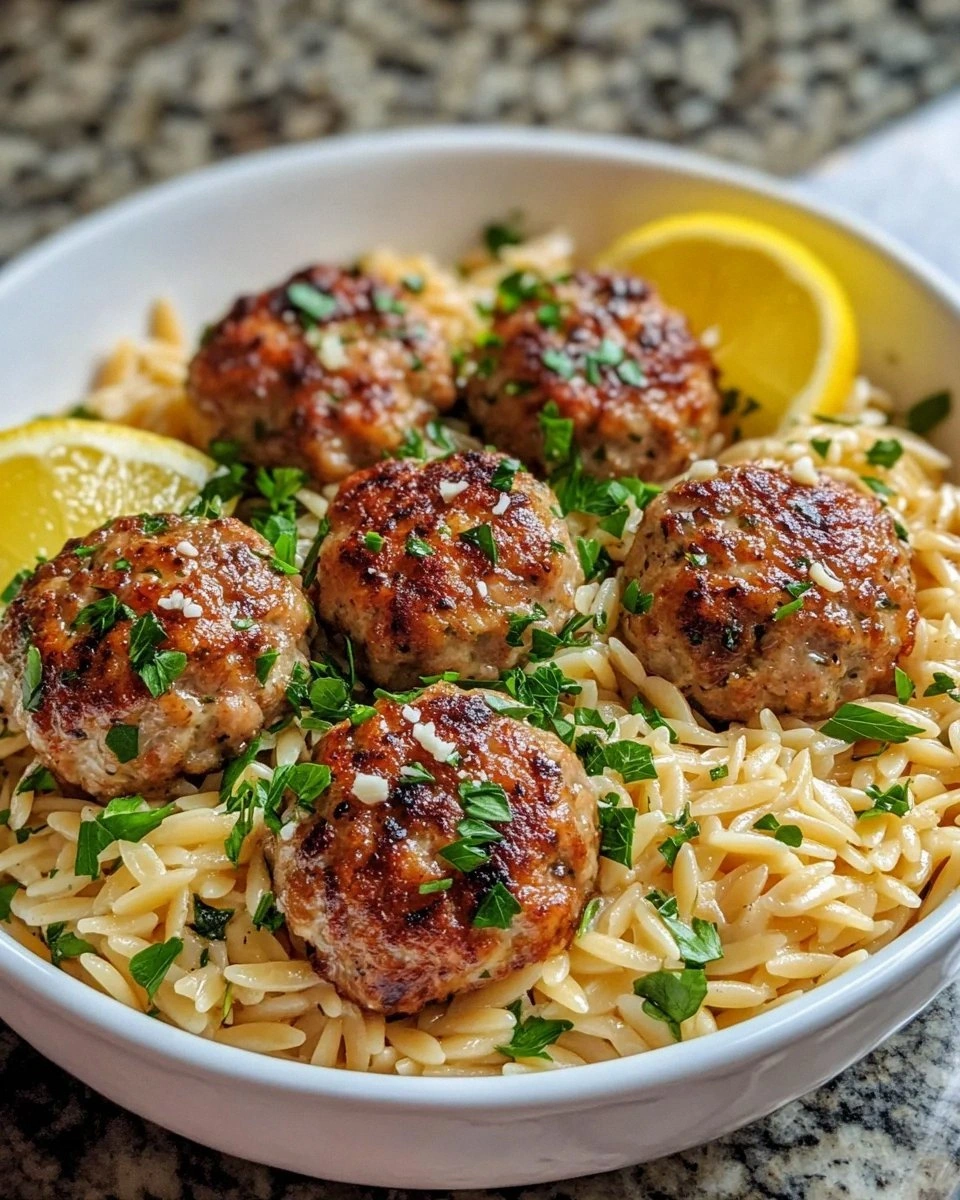
Picture this: It's a balmy Tuesday evening, the kind where the sun refuses to set early enough and your stomach is staging a full-blown protest against another sad salad. You're scrolling through dinner ideas, eyes glazing over the same old stir-fries and sheet-pan chicken, when suddenly you remember that tiny Greek taverna from your last vacation — the one where the owner's grandmother hand-rolled meatballs so tender they practically sang lullabies to your taste buds. My friend, that memory is about to become your Tuesday night reality, and trust me when I say these Greek chicken meatballs will ruin you for all other meatballs forever. I know this because I made them on a whim three weeks ago, and now my family greets me at the door asking if "the good meatballs" are happening again. The lemon orzo? That's just the supporting actor that somehow steals every scene.
Here's the thing — most Greek meatball recipes I've tried over the years have been perfectly fine, perfectly forgettable little orbs of seasoned meat that taste like they could come from anywhere. They lack soul, that certain Mediterranean swagger that makes you close your eyes and imagine whitewashed buildings against an azure sea. The difference lies in the details most recipes gloss over: the ratio of herbs that makes your kitchen smell like a Cretan hillside, the way lemon zest dances with garlic until they become something greater than themselves, and the secret weapon of almond flour that creates a texture so delicate you'll wonder why anyone ever used breadcrumbs. This isn't just dinner — it's a transportation device disguised as comfort food.
I discovered this particular combination during what I like to call my "desperate Tuesday experiment," when the fridge held exactly one pound of ground chicken, a sad little block of feta, and a lemon that was starting to give me the eye. Twenty-five minutes later, I was standing over the stove, sneaking hot meatballs straight from the pan like a criminal, completely ignoring the orzo bubbling away beside them. The first bite stopped me mid-chew — not because it was good, but because it was the kind of good that makes you immediately want to call your best friend and describe every single flavor note like you're some sort of possessed food critic. My cat stared at me like I'd lost my mind as I did a little victory dance with a meatball on my fork.
What you're about to make isn't just another weeknight dinner — it's the recipe that'll get requested at potlucks, the one your neighbors smell wafting through open windows and casually drop by to investigate. The lemon orzo acts like a bright, springy mattress for these herb-packed meatballs, soaking up all the pan juices and becoming something that defies its humble pasta status. Let me walk you through every single step — by the end, you'll wonder how you ever made it any other way.
What Makes This Version Stand Out
Herb Balance: Most recipes treat herbs like an afterthought, but here they're the main event. The combination of fresh parsley and dill creates this incredible green, almost grassy backbone that makes the meatballs taste like they were rolled in a Mediterranean garden. The dried oregano adds that unmistakable Greek identity, while the fresh lemon zest makes everything taste like sunshine captured in food form.
Texture Revolution: Forget everything you know about meatball texture. The almond flour (or ground nuts if you're feeling wild) creates this impossibly tender structure that melts in your mouth while still maintaining enough integrity to hold together in the pan. It's like the difference between a cloud and a cotton ball — both soft, but one belongs in the heavens.
Feta Distribution: Instead of mixing the feta throughout (which can make the meatballs gummy), we're going for strategic pockets of creamy tang. Each meatball contains tiny treasure troves of melted feta that burst with salty, tangy flavor when you bite through the tender chicken exterior. It's like a flavor lottery in every bite.
One-Pan Wonder: Everything happens in a single skillet, including the orzo that cooks directly in the same pan after the meatballs finish. Those browned bits at the bottom? That's pure flavor gold that transforms ordinary pasta into something that tastes like it came from a restaurant where they don't reveal their secrets.
Make-Ahead Magic: These meatballs actually improve overnight as the flavors meld and deepen. Make a double batch on Sunday, and you've got dinner for Tuesday covered, plus enough to freeze for that inevitable Wednesday when cooking feels like climbing Everest in flip-flops.
Crowd Psychology: I've served these to picky toddlers, skeptical teenagers, and that one friend who claims to hate healthy food. Every single person has asked for the recipe within three bites. There's something about the familiar comfort of meatballs combined with the bright, herby flavors that makes even the most resistant eater convert.
Alright, let's break down exactly what goes into this masterpiece...
Inside the Ingredient List
The Flavor Base
The ground chicken is your canvas, and here's where most people trip up — they grab the super-lean breast-only stuff and wonder why their meatballs taste like cardboard's sad cousin. I always go for a mix of white and dark meat because the dark meat brings this luscious richness that keeps everything moist and flavorful. If your grocery store only carries the lean stuff, don't panic — just add an extra tablespoon of olive oil to the mix, and you'll achieve similar results. The real game-changer is letting your chicken come to room temperature before mixing; cold meat refuses to bind properly, and you'll end up with meatballs that crumble like your resolve during late-night snacking.
Garlic in this recipe isn't just a background note — it's a co-star. Three cloves might sound excessive, but trust me, we're building layers of flavor here. I mince mine so fine it almost becomes a paste, because nothing ruins a perfect meatball bite like crunching into a chunk of raw garlic. If you're feeling fancy, smash the cloves with the flat of your knife first — it releases more of those aromatic oils that make your kitchen smell like you've been transported to a Greek island.
The Texture Crew
Almond flour sounds like a hipster ingredient your yoga instructor would use, but it's actually the secret to the most tender meatballs you've ever encountered. It absorbs moisture differently than breadcrumbs, creating this delicate structure that practically dissolves on your tongue. If you're out of almond flour, ground walnuts or pecans work beautifully — they add this subtle nuttiness that plays incredibly well with the herbs. Just pulse them in a food processor until they're the consistency of coarse sand, not powder.
The egg acts as the great unifier, binding everything together while adding richness. But here's what most recipes don't tell you — beat your egg separately before adding it. This ensures even distribution, preventing those weird eggy pockets that can ruin the texture. And please, for the love of all things delicious, don't overmix once the egg goes in. Treat it like you're folding clouds together, not wrestling dough.
The Unexpected Star
Feta cheese in meatballs is controversial in some circles, but those people are missing out on one of life's greatest pleasures. The key is using good quality feta — none of that pre-crumbled, dry stuff that tastes like salty sawdust. Buy a block and crumble it yourself; the difference is like comparing a fresh garden tomato to one of those mealy supermarket imposters. The feta creates these little pockets of creamy, tangy surprise that make each bite a small adventure.
Lemon zest might seem like a minor player, but it's actually the ingredient that ties everything together. The oils in the zest contain all the bright, aromatic compounds that make lemon taste like sunshine. Microplane is your friend here — you want the finest possible shavings that will distribute evenly throughout the meat. And don't even think about skipping it; the zest is what makes these taste definitively Greek rather than generically herby.
The Final Flourish
Fresh herbs make all the difference between good and transcendent. Dried parsley is basically green confetti — it adds color but no flavor. Fresh parsley brings this bright, almost peppery note that wakes up all the other ingredients. The same goes for dill — dried dill tastes like disappointment, but fresh dill adds this incredible grassy, slightly anise note that makes the meatballs taste like they were rolled in a spring meadow.
The onion powder might seem redundant when you already have garlic and fresh herbs, but it's actually providing a different kind of savoriness — that deep, sweet onion flavor that permeates everything without adding moisture or texture. If you're out, a finely minced scallion works too, but the powder distributes more evenly and doesn't risk creating little onion bombs in your meatballs.
Everything's prepped? Good. Let's get into the real action...
The Method — Step by Step
- Start by creating your flavor base — and this is where most recipes rush and ruin everything. In a large bowl, combine your room-temperature ground chicken with the almond flour, but don't just dump everything in like you're making concrete. Use your fingers to lightly fluff the almond flour through the chicken, almost like you're giving it a gentle massage. This distributes the flour evenly without compacting the meat, which is crucial for tender meatballs. The mixture should feel like cool, slightly damp clay — not sticky, not dry, just perfectly workable.
- Now comes the aromatics dance — add your minced garlic, chopped parsley, and dill all at once, but here's the key: use a folding motion rather than stirring. Think of it like you're incorporating clouds into your mixture. Overworking the meat is the fastest way to tough, dense meatballs that could double as paperweights. The herbs should look like confetti throughout the mixture, not like green streaks where you overmixed one section. Take your time here — this is where the flavor foundation gets built.
- Time for the flavor bombs — sprinkle in your crumbled feta, but resist the urge to mix it in completely. You want little pockets of feta, not feta distributed so evenly that it disappears into the background. Use your fingers to gently tuck the feta pieces throughout, like you're hiding treasure in a sandbox. The lemon zest goes in now too, and here's a pro tip: zest directly over the bowl so those precious citrus oils land right in the mixture instead of on your cutting board.
- Seasoning is where most home cooks get timid, but these meatballs can handle — and need — assertive seasoning. Add your salt, pepper, oregano, cumin, and onion powder, but before you mix, pause for a second. Taste a tiny bit of the mixture raw (I know, but professional chefs do this all the time — just a pinprick-sized piece). This gives you a baseline for how much salt you actually need. Ground chicken is notoriously bland, so don't be shy here.
- Now for the moment of truth — rolling technique matters more than you'd think. Scoop up about two tablespoons of mixture (a small cookie scoop works perfectly if you have one) and roll it gently between your palms. Don't compress it like you're making a snowball — think more like you're coaxing it into a sphere. The goal is to eliminate air pockets without turning it into a meat rock. Place each meatball on a parchment-lined plate as you go, and don't worry if they're not perfectly uniform — rustic is charming.
- Heat your olive oil in a large skillet over medium-high heat, and here's where patience pays off. The oil should shimmer but not smoke — if it's too hot, the outside will burn before the inside cooks through. Carefully place your meatballs in the pan, leaving space between each one. That sizzle when they hit the pan? That's the sound of the Maillard reaction starting, creating those gorgeous brown crusts that hold all the flavor. Don't crowd the pan — work in batches if necessary.
- This is the step where you absolutely cannot walk away. Let the meatballs cook undisturbed for about 3-4 minutes until they're beautifully browned underneath. The temptation to poke and prod is strong, but resist — moving them too early causes them to stick and fall apart. When they're ready to turn, they'll release easily from the pan. Use tongs to gently rotate them, browning on at least two sides. The goal isn't to cook them through completely here, just to develop that gorgeous crust.
- Once your meatballs are browned on the outside but still slightly pink inside, remove them to a plate. This is where the magic happens — add your orzo directly to the same pan, letting it toast in all those gorgeous browned bits and meat juices. Stir it constantly for about two minutes until it starts to smell nutty and take on golden color. This toasting step is what transforms ordinary pasta into something that tastes like it came from a restaurant where the chef has strong opinions about everything.
- Add your liquid (chicken stock works beautifully here, or water with a bouillon cube), scraping up all those fond bits from the bottom of the pan. Return the meatballs to the pan, nestling them into the orzo. Cover and simmer gently for about 12-15 minutes, until the orzo is tender and has absorbed most of the liquid. The orzo will release starch as it cooks, creating this luscious sauce that coats everything like velvet. Give it a gentle stir halfway through to prevent sticking, but don't go crazy — you want those meatballs to stay intact.
- The final flourish is what elevates this from good to restaurant-quality. Once everything is cooked through, remove from heat and let it rest for exactly five minutes. I know you're starving, but this rest allows the orzo to absorb the last bits of liquid and the meatballs to relax. Squeeze fresh lemon juice over everything, add a final sprinkle of fresh herbs, and prepare for the compliments to roll in. I dare you to taste this and not go back for seconds — it's physically impossible.
That's it — you did it. But hold on, I've got a few more tricks that'll take this to another level...
Insider Tricks for Flawless Results
The Temperature Rule Nobody Follows
Here's the thing about ground chicken — it's sneaky. It looks done way before it actually is, and by the time you realize it's still pink inside, your outside is tough as leather. The sweet spot is cooking it to exactly 165°F internally, but who has time to thermometer every meatball? Instead, use the press test: gently press the center of your largest meatball with your finger. It should feel firm but with a slight give, like a tennis ball rather than a rock. If it feels squishy, keep cooking. If it feels hard as a hockey puck, you've gone too far and learned a valuable lesson about patience.
Why Your Nose Knows Best
Your sense of smell is actually the most reliable indicator of when these meatballs are perfectly cooked. When the raw garlic smell transforms into something mellow and nutty, when the oregano releases its essential oils and fills your kitchen with that unmistakable Mediterranean aroma, you're getting close. That moment when the scent changes from "raw ingredients" to "something magical is happening" — that's when you start checking for doneness. A friend tried skipping this step once — let's just say it didn't end well, and her cat still won't come in the kitchen when she's cooking.
The 5-Minute Rest That Changes Everything
I know you're hungry. I know the smell is driving you crazy. But those five minutes of resting time aren't just chef nonsense — they're the difference between good meatballs and meatballs that make people close their eyes and make involuntary happy noises. During the rest, the proteins relax and reabsorb their juices, the feta redistributes slightly, and the whole thing transforms from a collection of ingredients into a unified dish. Set a timer and walk away if you have to. Check Instagram, call your mom, do some deep breathing — whatever it takes to keep your fork out of the pan.
The Lemon Timing Secret
Adding lemon juice while cooking seems logical, but heat destroys those bright, volatile compounds that make lemon taste like sunshine. Instead, cook everything with just the zest for that deep lemon essence, then hit it with fresh juice right at the end. This gives you two layers of lemon flavor — the cooked zest that permeates everything, and the fresh juice that adds that bright pop that makes your taste buds sit up and pay attention. It's like lemon flavor in surround sound instead of mono.
Creative Twists and Variations
This recipe is a playground. Here are some of my favorite ways to switch things up:
Spicy Greek Heat Wave
Add a minced fresh chili (jalapeño for mild, serrano for medium, habanero if you're feeling brave) and swap the regular feta for a pepper-infused variety. The heat plays beautifully against the cool herbs, and the lemon orzo becomes this refreshing counterpoint that keeps you going back for more. If you've ever struggled with spicy food that overpowers everything else, you're not alone — and I've got the fix. The key is adding the heat to the meatballs while keeping the orzo cooling and bright.
Vegetarian Victory
Replace the chicken with a mixture of finely chopped mushrooms and cooked green lentils. The mushrooms provide that umami depth while the lentils give you the texture you need. Use the same seasonings but add a tablespoon of tomato paste for richness. The cooking time stays the same, and honestly, some meat-eaters prefer these to the original. Picture yourself pulling this out of the oven, the whole kitchen smelling incredible, and watching even the most devoted carnivores go back for thirds.
Mediterranean Mash-Up
Add some sun-dried tomatoes (the oil-packed kind, not those leathery dry ones) and swap the dill for fresh basil. The tomatoes bring this intense umami sweetness that plays against the salty feta like a beautiful flavor duet. Use the oil from the sun-dried tomato jar instead of regular olive oil for cooking — it's like liquid gold that carries all that concentrated tomato flavor right into your meatballs.
Low-Carb Cloud Nine
Serve these over cauliflower rice that's been sautéed with garlic and lemon zest instead of orzo. The cauliflower provides the same textural base but keeps it low-carb friendly. Add some toasted pine nuts for crunch and extra richness. Okay, ready for the game-changer? Mix some of the cauliflower rice right into the meatball mixture — it keeps them incredibly moist while adding vegetable power.
Party-Size Pleaser
Make them tiny — like, one-bite tiny — and serve them as appetizers with toothpicks and a yogurt-dill dipping sauce. They cook faster (about 6-8 minutes total) and disappear at parties like magic. The lemon orzo becomes a warm salad that you can serve room temperature alongside. This next part? Pure magic — make them even smaller and float them in soup for the most luxurious chicken soup you've ever encountered.
Breakfast-for-Dinner Twist
Add some fresh spinach to the orzo and crack a few eggs right into the pan during the last few minutes of cooking. Cover and let the eggs poach in the lemony broth. The runny yolks create this incredible sauce that ties everything together. It's like shakshuka met Greek meatballs and they decided to have a beautiful baby together.
Storing and Bringing It Back to Life
Fridge Storage
These keep beautifully in the fridge for up to four days, but here's the key — store the meatballs and orzo separately if possible. The orzo will continue to absorb liquid and can become mushy if left together too long. In airtight containers, the meatballs stay tender and the flavors actually deepen and improve. If you must store them together (I get it, we all have those days), add a splash of broth or water before reheating to bring back that luscious sauciness.
Freezer Friendly
The meatballs freeze like champions for up to three months. Let them cool completely, then freeze them on a baking sheet before transferring to a freezer bag — this prevents them from becoming a single meatball iceberg. The orzo doesn't freeze as well (it gets weirdly grainy), so make that fresh when you're ready to serve. Frozen meatballs thaw overnight in the fridge or can go straight from freezer to sauce with just a few extra minutes of cooking time.
Best Reheating Method
Microwave works in a pinch, but for the best results, reheat gently in a covered skillet with a splash of chicken broth or water over medium-low heat. This creates a steam environment that brings everything back to life without drying it out. Add a tiny splash of water before reheating — it steams back to perfection. The stovetop method takes about 8-10 minutes and tastes almost as good as the first night. If you're feeling fancy, add a fresh squeeze of lemon and some chopped herbs right at the end to wake everything up.