Love this? Pin it for later! 📌
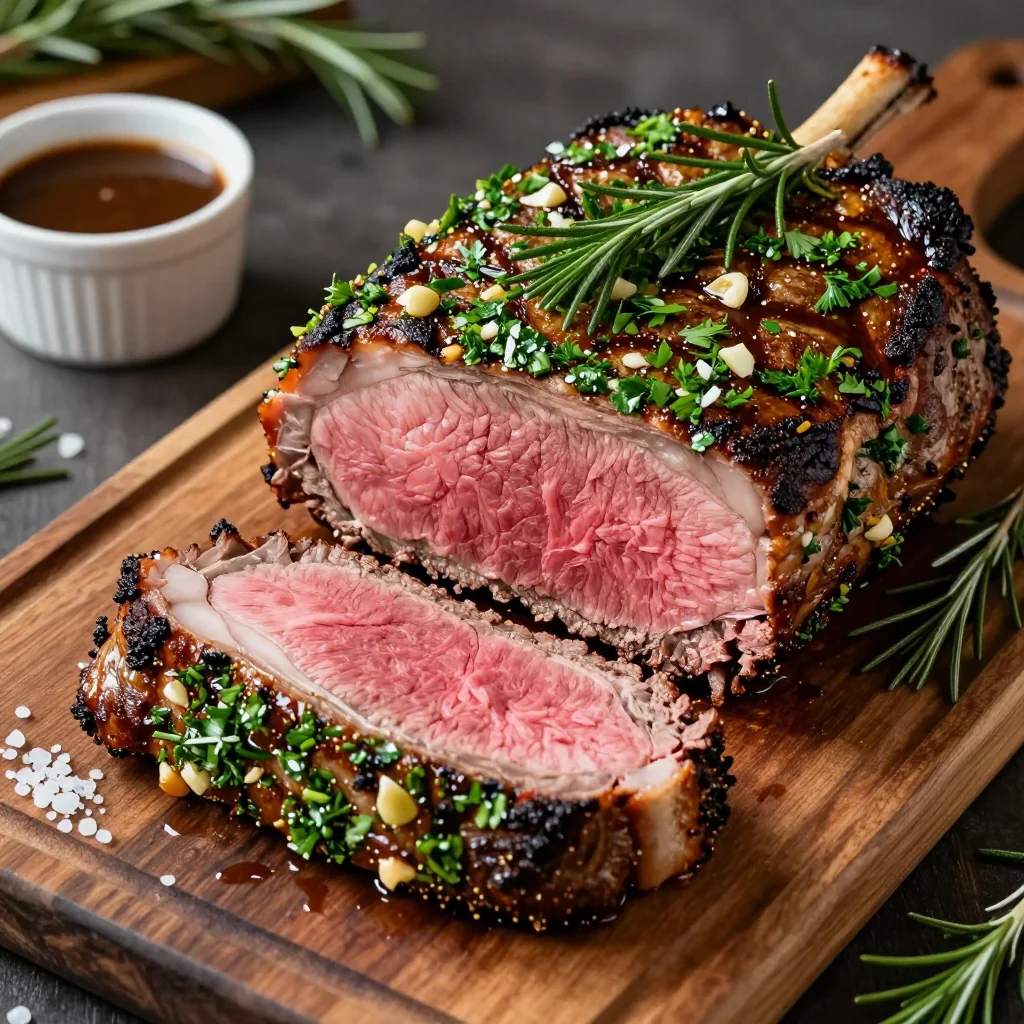
Ring in the New Year with a show-stopping centerpiece that will have your guests talking until next December. This herb-crusted prime rib isn't just dinner—it's a celebration on a platter.
Every New Year's Day, my family gathers around the dining table, still buzzing from the night before, ready to start the year with a meal that feels like a warm hug and a promise of good things to come. For the past decade, this herb-crusted prime rib has been our tradition, and let me tell you, there's something magical about watching your loved ones' eyes light up when you carry this magnificent roast to the table.
The first time I made prime rib, I was terrified. Such an expensive cut of meat, so many opinions about the "right" way to cook it, and the pressure of New Year's Day dinner hanging over my head. But here's what I learned: prime rib is actually forgiving when you treat it with respect. The herb crust I'm sharing today isn't just about flavor—it's about creating an aromatic armor that locks in juices while forming the most incredible crust you've ever tasted.
What makes this recipe special isn't just the technique (though we'll cover every detail). It's the way the herbs perfume your kitchen for hours, how the meat stays tender and pink from edge to center, and how the leftovers (if you're lucky enough to have any) make the most incredible sandwiches the next day. This isn't just a recipe; it's your new tradition waiting to happen.
Why This Recipe Works
- Reverse-sear method: Slow-roasting first ensures perfectly even cooking from edge to edge, eliminating the dreaded gray ring
- Herb paste, not rub: Fresh herbs blended with olive oil create a paste that adheres perfectly and doesn't fall off during cooking
- Salt therapy: Overnight salting seasons the meat deeply and helps create the ultimate crust
- Temperature precision: Using a probe thermometer takes the guesswork out of timing
- Resting ritual: A full 30-minute rest allows juices to redistribute, ensuring every slice is succulent
- Make-ahead friendly: Most prep happens the day before, leaving you free to enjoy New Year's morning
Ingredients You'll Need
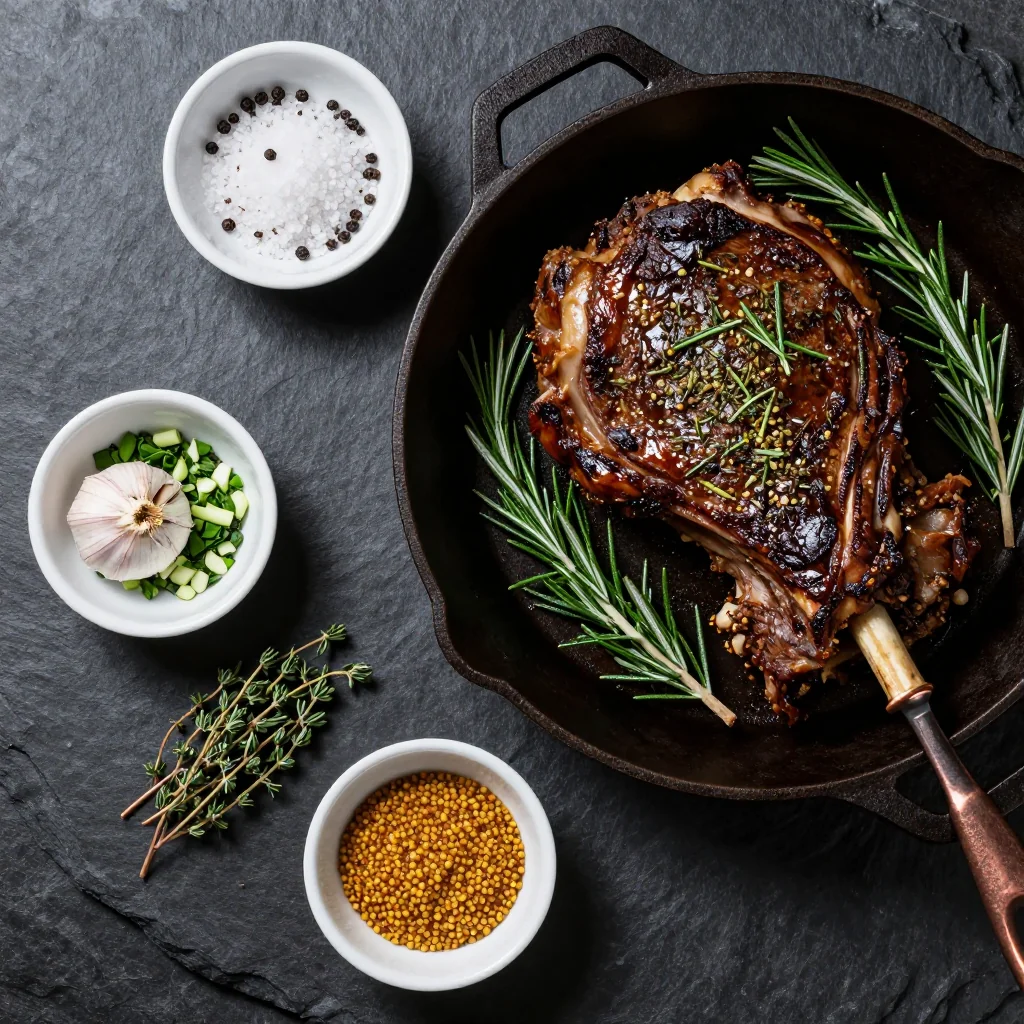
Quality matters when you're working with prime rib. This isn't the time to skimp—after all, we're celebrating a fresh start! Here's everything you need to create this masterpiece, along with why each ingredient matters and how to choose the best.
The Star: Prime Rib Roast
Look for a bone-in prime rib roast (also called standing rib roast) weighing 6-8 pounds. The bone adds incredible flavor and acts as a natural roasting rack. Ask your butcher for the "first cut" from the small end of the rib section—it's more tender and has better fat distribution. The meat should be bright red with creamy white fat marbled throughout. Plan on 1 pound per person (which sounds like a lot, but remember, the bone accounts for about 2 pounds).
The Herb Garden: Fresh is Non-Negotiable
Rosemary brings piney, resinous notes that pair beautifully with beef. Choose firm sprigs with no black spots.
Thyme adds earthy complexity. Look for vibrant green leaves, avoiding any yellowing.
Sage contributes subtle bitterness that balances the rich meat. Fresh sage should be fuzzy and aromatic.
Parsley isn't just garnish here—it adds bright, fresh notes that wake up the other herbs.
The Flavor Builders
Garlic goes in everything, right? Use fresh cloves, not the pre-minced stuff. You'll need 8-10 cloves.
Olive oil carries the herb flavors and helps create that crust. Use good quality extra-virgin.
Kosher salt is essential for the overnight dry brine. Avoid table salt—it'll make the roast taste metallic.
Black pepper should be freshly cracked. Those pre-ground tins won't cut it here.
The Unexpected Heroes
Anchovy paste might seem odd, but it melts into the herb mixture, adding incredible umami depth without any fishy taste.
Lemon zest brightens everything and helps cut through the richness.
Dijon mustard helps the herb paste adhere and adds subtle tang.
How to Make Herb Crusted Prime Rib for New Year's Day Dinner
Prep the Roast (24 Hours Before)
Remove your prime rib from the refrigerator 3 hours before you plan to season it—this takes the chill off and ensures even cooking. Pat it completely dry with paper towels. Score the fat cap in a crosshatch pattern, cutting just through the fat layer without touching the meat. This helps the fat render and creates more surface area for our herb crust. Season generously with kosher salt, using about 1 tablespoon per 4 pounds of meat. Really massage it in, making sure to get the sides and ends. Place on a wire rack set over a rimmed baking sheet and refrigerate uncovered overnight. This dry-brining technique seasons the meat deeply while the surface dries out, creating the ultimate crust foundation.
Create the Herb Paste
In a food processor, combine 1 cup fresh rosemary leaves, 1/2 cup fresh thyme leaves, 1/4 cup fresh sage leaves, 1 cup fresh parsley, 8 garlic cloves, 3 tablespoons Dijon mustard, 2 teaspoons anchovy paste, zest of 2 lemons, 2 tablespoons olive oil, 2 teaspoons kosher salt, and 2 teaspoons freshly cracked black pepper. Pulse until a rough paste forms, scraping down sides as needed. You're looking for the texture of pesto—not completely smooth but no large herb pieces remaining. Taste and adjust seasoning; it should be boldly flavored since it'll season the entire roast. This can be made up to 3 days ahead and stored covered in the refrigerator.
Apply the Herb Crust
Remove the salted roast from the refrigerator 2 hours before cooking. This brings it to room temperature, ensuring even cooking. Pat away any accumulated moisture with paper towels. Using your hands (food-safe gloves recommended), slather the entire roast with the herb paste, really working it into every nook and cranny. Don't forget the ends and the underside! The paste should be about 1/4-inch thick all over. If you have extra, don't skimp—pile it on top. Insert a probe thermometer into the center of the roast, making sure it's not touching bone. Let the herb-crusted roast sit at room temperature while you preheat the oven.
The Reverse Sear Method
Preheat your oven to 200°F (yes, that low!). Place the roast bone-side down on a rack in a roasting pan. The low temperature might seem strange, but this is the secret to edge-to-edge pink meat. Roast until the internal temperature reaches 120°F for rare, 125°F for medium-rare (about 3-4 hours for a 6-8 pound roast). Don't open the oven door frequently—use the probe thermometer to monitor. Once it hits target temperature, remove from oven and tent loosely with foil. Increase oven temperature to 500°F. When oven reaches temperature, remove foil and return roast to oven for 8-10 minutes to create that incredible crust. Watch it carefully—this is not the time to check Instagram!
The Crucial Rest
Remove the roast and transfer to a cutting board. Tent loosely with foil and let rest for 30 minutes. I know, I know—your guests are hovering and the smell is driving everyone crazy. But this rest is non-negotiable. During this time, the juices redistribute throughout the meat. If you cut too early, they'll flood the board instead of staying in the meat where they belong. Use this time to finish your sides, open wine, or just bask in the admiration of your guests. The internal temperature will rise another 5-10 degrees during this rest, bringing it to perfect serving temperature.
Carving Like a Pro
Remove the strings if your butcher tied the roast. Using a sharp carving knife, slice along the bones to separate them from the meat (if bone-in). Save these for the most incredible soup stock later. Slice the meat across the grain into 1/2-inch thick slices. The ends will be more done for those who prefer medium, while the center will be perfectly pink. Arrange slices on a warm platter, spooning over any accumulated juices. Don't forget to scrape up those crusty bits from the pan—they're pure gold!
Expert Tips
Temperature Trumps Time
Forget timing charts—invest in a good probe thermometer. Prime rib thickness varies, and your oven might run hot or cold. Cook to temperature, not time. Target 120°F for rare, 125°F for medium-rare. The meat will continue cooking during the rest.
The Salt Sweet Spot
Don't be shy with the salt during the dry brine. You're seasoning a massive piece of meat. The rule of thumb is 1/2 teaspoon kosher salt per pound, but I go up to 3/4 teaspoon for the best flavor penetration.
Hot Oven, Cold Meat
For the final sear, your oven needs to be screaming hot—500°F minimum. But here's the key: the meat should be cold from the low-temperature cook. This temperature shock creates the most incredible crust.
Save the Drippings
Those crusty bits in the pan? Pure flavor gold. Deglaze with red wine or beef stock for the world's easiest and most incredible sauce. No need for complicated gravies when you have these concentrated flavors.
Room Temperature Rest
Letting the seasoned roast sit at room temperature for 2 hours before cooking isn't food safety issue at this size—it ensures even cooking. A cold center means overdone edges by the time the middle reaches temperature.
Sharp Knife Essential
A dull knife will shred this beautiful meat. Sharpen your carving knife before you start. Better yet, use a long slicing knife or electric knife for picture-perfect slices that will make your Instagram followers weep with joy.
Variations to Try
Garlic Lover's Dream
Double the garlic in the herb paste and add 2 tablespoons of roasted garlic paste for deeper, sweeter garlic flavor that permeates every bite.
Horseradish Crust
Add 3 tablespoons prepared horseradish to the herb paste. The heat cuts through the richness beautifully, especially if you're serving with creamy horseradish sauce.
Mediterranean Twist
Replace rosemary with fresh oregano, add sun-dried tomatoes to the paste, and finish with a squeeze of fresh lemon juice before serving.
Smoky Southwest
Replace herbs with a mix of chipotle powder, smoked paprika, cumin, and cilantro. Serve with chimichurri instead of traditional au jus.
Storage Tips
Leftover prime rib is a beautiful problem to have. Here's how to handle it like a pro:
Short Term (3-4 Days)
Wrap leftover slices tightly in plastic wrap, then aluminum foil. Store in the coldest part of your refrigerator. For best results, keep slices in a single layer with parchment paper between layers. Reheat gently in a 250°F oven with a splash of beef stock, covered with foil. Never microwave—it'll turn your beautiful prime rib into shoe leather.
Long Term (Up to 3 Months)
Slice the cooled prime rib and wrap individual portions in plastic wrap, then foil. Place in freezer bags, removing as much air as possible. Label with the date—future you will thank present you. Thaw overnight in the refrigerator and reheat as above. While the texture won't be quite the same as fresh, it's still miles ahead of any supermarket roast beef.
The Ultimate Leftovers
Cold prime rib makes incredible sandwiches. Try it on crusty bread with horseradish cream and arugula. Or dice it up for the world's most luxurious beef stew. The bones make incredible stock—roast them first for deeper flavor, then simmer with aromatics for 4-6 hours.
Frequently Asked Questions
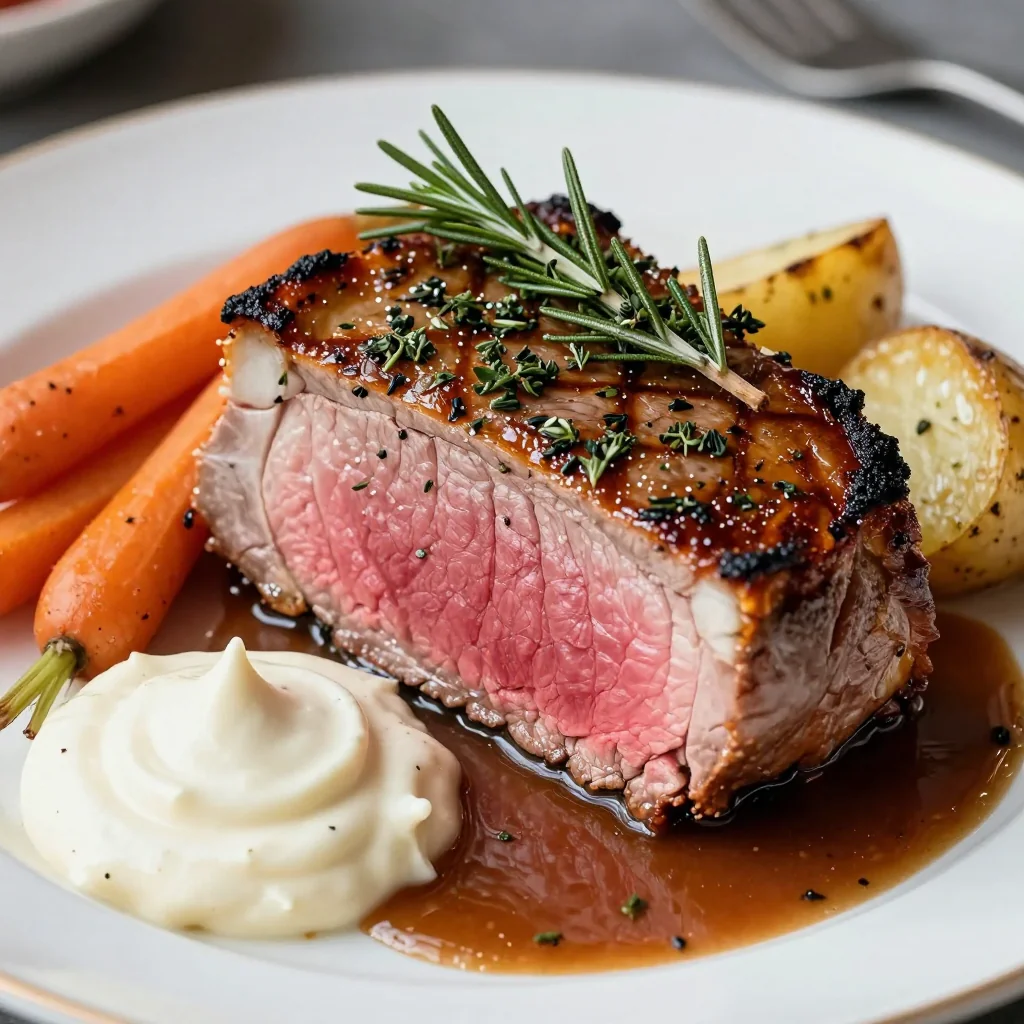
Herb Crusted Prime Rib for New Year's Day Dinner
Ingredients
Instructions
- Salt and dry: Season roast with kosher salt and refrigerate uncovered overnight.
- Make herb paste: Blend all herbs, garlic, mustard, anchovy paste, lemon zest, oil, salt, and pepper until paste forms.
- Apply crust: Slather herb paste all over roast, covering completely.
- Low and slow: Roast at 200°F until internal temperature reaches 125°F (3-4 hours).
- Reverse sear: Rest 30 minutes, then sear at 500°F for 8-10 minutes to crust.
- Rest and serve: Let rest 30 minutes before carving into magnificent slices.
Recipe Notes
The reverse-sear method ensures perfect doneness edge-to-edge. Don't skip the overnight dry brine—it's crucial for flavor and crust development. Serve with horseradish cream and au jus made from pan drippings.