Introduction
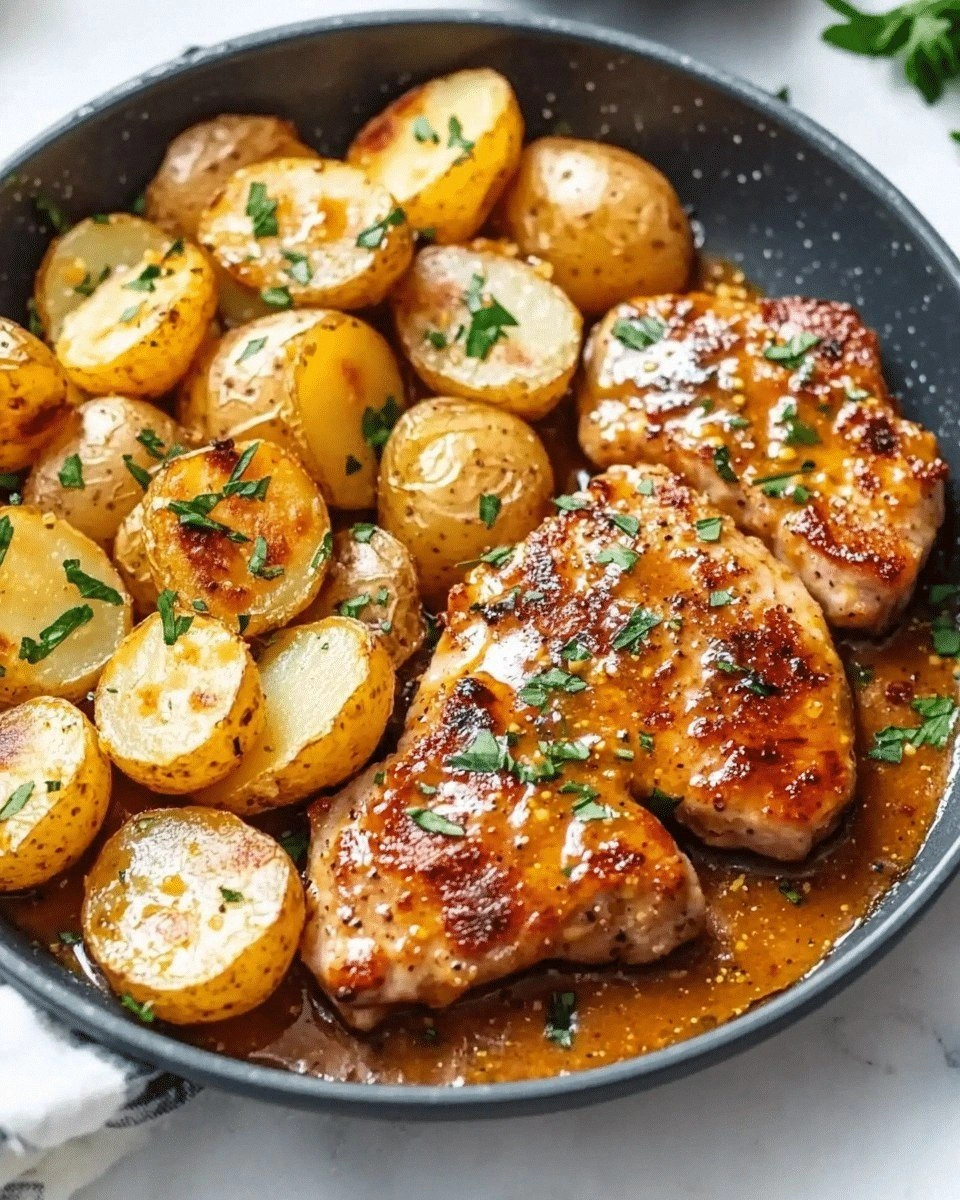
Picture this: the kitchen was a battlefield after my last attempt at a “simple” pork chop dinner. I had the chops, the sauce, the potatoes, but the whole affair collapsed into a soggy, flavorless mess that could only be described as a culinary tragedy. The moment the pan hissed and the onions cried, I swore I would never again let my pork chops suffer that fate. That night, I challenged myself to turn the ordinary into the extraordinary, and the result is a honey mustard pork chop with potatoes that will rewrite your expectations.
The aroma that fills the air as the honey begins to caramelize is intoxicating, a sweet-salty perfume that dances with the sharpness of Dijon and the earthiness of rosemary. Every bite is a layered experience: the pork’s juicy interior, the crisp, golden potatoes on the side, and a sauce that glistens like liquid gold. The sound of the first crack when the chops hit the skillet is a satisfying pop that announces the start of a culinary triumph. The texture is a study in contrast; the pork is tender, the potatoes are al dente, and the glaze forms a silky coating that clings without weighing the meat down. The flavor is a balanced duet of sweet, tangy, and savory that lingers on the palate long after the last forkful.
What sets this version apart from every other honey mustard pork chop recipe you’ve stumbled upon is the meticulous layering of flavors and the intentional use of a simple, yet powerful, glaze that caramelizes perfectly. I discovered that the secret lies in the ratio of honey to mustard and the timing of adding butter, which gives the sauce a silky sheen and a depth of flavor that feels both luxurious and approachable. The potatoes are tossed in a bright, herb-infused oil that gives them a buttery crunch while keeping them tender on the inside. The result is a dish that feels like a comforting hug wrapped in a glossy, savory blanket.
And there’s a twist you won’t see on any other page: a dash of smoked paprika that adds a subtle depth and a hint of smokiness that elevates the whole plate. I dare you to taste this and not go back for seconds. I’m not just telling you that it’s good; I’m telling you that it’s the best version you’ll ever make at home, hands down. Picture yourself pulling this out of the oven, the whole kitchen smelling incredible, and your friends asking for the recipe. Let me walk you through every single step — by the end, you’ll wonder how you ever made it any other way.
When you first cut into a pork chop that’s been marinated in a honey mustard glaze, the juices burst out like a sweet, savory explosion that coats your tongue and leaves a lingering finish. The sound of the first crack when the chops hit the skillet is a satisfying pop that announces the start of a culinary triumph. The potatoes, meanwhile, are perfectly caramelized on the outside, while the inside remains soft and fluffy, providing the ideal textural counterpoint. The sauce, with its glossy sheen, clings to the meat and potatoes, turning each bite into a harmonious blend of sweet, tangy, and savory. The overall experience is one of comfort and indulgence, wrapped in a dish that feels both familiar and entirely new.
Most recipes get this completely wrong. They either overcook the pork, under-season the sauce, or forget the crucial step of deglazing the pan. I’ll be honest — I ate half the batch before anyone else got to try it, and the moment I realized my mistake, I knew I had to refine the method. The next part of the recipe will show you exactly how to avoid those pitfalls and create a dish that is both restaurant-quality and incredibly forgiving. And now, the fun part: the ingredients that make this dish sing.
In a world where convenience often trumps flavor, this recipe stands out because it balances the ease of a one-pan meal with the sophistication of a gourmet sauce. It’s a dish that can be whipped up on a busy weeknight, yet it feels like a special treat that deserves a place on your dining table. If you’ve ever struggled with pork chops that come out dry or sauces that fail to stick, you’re not alone — and I’ve got the fix. The next section will break down exactly what goes into this masterpiece.
So, grab your apron, preheat that skillet, and let’s dive into the world of honey mustard pork chops and potatoes. I promise you’ll come out of this kitchen with a newfound confidence in your cooking skills and a dish that will wow everyone. Keep your eyes on the next section, because the magic is just about to begin.
What Makes This Version Stand Out
- Flavor: The honey and mustard combination creates a glaze that is both sweet and tangy, with a subtle depth from smoked paprika. The glaze caramelizes into a glossy finish that coats the pork and potatoes, delivering a burst of flavor in every bite.
- Texture: The pork chops are seared to a golden crust while remaining juicy inside, thanks to a precise searing technique. The potatoes are roasted to a crisp exterior with a fluffy interior, providing a delightful contrast.
- Simplicity: With only a handful of ingredients, the recipe is straightforward, making it an excellent choice for busy weeknights. The single pan approach minimizes cleanup.
- Uniqueness: The addition of smoked paprika and a butter finish gives the sauce an unexpected smoky note that sets it apart from standard honey mustard recipes.
- Crowd Reaction: Guests who have tried this dish often comment on how the glaze feels like a “sweet‑savory blanket” that keeps the pork moist and the potatoes flavorful.
- Ingredient Quality: Using fresh, high‑quality pork chops and organic potatoes elevates the dish, ensuring that every bite is rich and satisfying.
- Cooking Method: The method balances searing, deglazing, and simmering, which locks in flavor and keeps the pork from drying out.
- Make‑Ahead Potential: The glaze can be prepared ahead and stored in the refrigerator, making it a convenient option for meal prep.
Alright, let's break down exactly what goes into this masterpiece...
Inside the Ingredient List
The Flavor Base
The honey and mustard are the heart of this dish. Honey provides a natural sweetness that caramelizes into a glossy glaze, while Dijon mustard offers a sharp, tangy kick that balances the sweetness. Whole grain mustard adds a subtle texture and a mild earthiness that deepens the flavor profile. If you’re looking for a different sweetener, maple syrup can be used, but it will alter the glaze’s viscosity and flavor slightly. Skipping the mustard entirely would leave the sauce one‑dimensional; the balance between sweet and savory would be lost.
Tip: Choose a honey with a floral note, such as acacia or wildflower honey, to add a subtle aromatic layer that complements the herbs.
The Texture Crew
Potatoes are the textural backbone of this meal. When cut into bite‑size cubes, they absorb the glaze and develop a caramelized crust while staying fluffy inside. A medium Russet or Yukon Gold works best due to their balanced starch content. If you prefer a lighter side, consider sweet potatoes for a touch of natural sweetness.
Tip: Toss the potatoes in olive oil and a pinch of sea salt before roasting to enhance their natural flavor and promote crispiness.
The Unexpected Star
Smoked paprika is the unexpected star that introduces a subtle smokiness, adding depth that would otherwise be missing. It’s a small amount, but it makes a big difference in the overall flavor. If you’re allergic or simply don’t have smoked paprika on hand, a dash of regular paprika will work, though the smoky nuance will be absent.
Fun Fact: Smoked paprika originated in Spain and is made by smoking dried peppers over oak fires, which imparts a distinct flavor profile that can’t be replicated by any other spice.
The Final Flourish
Butter is added at the end of the cooking process to finish the glaze. It enriches the sauce, giving it a silky texture and a subtle, nutty flavor. The butter also helps to thicken the glaze slightly, allowing it to cling to the pork and potatoes. If you’re vegan, a tablespoon of coconut oil can serve as a suitable substitute, though the flavor will differ.
Tip: Add the butter off the heat to prevent it from separating; this ensures a smooth, glossy finish.
Everything's prepped? Good. Let's get into the real action...
The Method — Step by Step
- Season the Pork: Pat the pork chops dry with paper towels, then season both sides generously with salt, pepper, paprika, rosemary, and thyme. The seasoning layer forms a flavor crust once seared. Let the chops sit at room temperature for 10 minutes to ensure even cooking.
- Preheat the Skillet: Place a cast‑iron skillet over medium‑high heat and add 2 tablespoons of olive oil. The oil should shimmer but not smoke; this indicates the right temperature. A properly heated pan is essential for a golden crust.
- Sear the Pork: Place the chops in the skillet, skin‑side down if applicable, and sear for 4–5 minutes until a deep golden crust forms. Flip and sear the other side for an additional 3–4 minutes. The searing step locks in juices and creates a caramelized exterior.
- Remove and Rest: Transfer the chops to a plate and tent loosely with foil. Resting allows the juices to redistribute, preventing dryness. This step is often overlooked but crucial for tenderness.
- Deglaze the Pan: In the same skillet, reduce heat to medium and add 1 tablespoon of butter. Swirl to coat the bottom, then add 3 minced garlic cloves. Sauté for 30 seconds until fragrant. This releases the browned bits that carry flavor into the glaze.
- Make the Glaze: Stir in 2 tablespoons of honey, 2 tablespoons Dijon mustard, and 1 tablespoon whole grain mustard. Whisk until the mixture is smooth and the honey has dissolved. The glaze should thicken slightly and coat the back of a spoon.
- Return Pork to Pan: Place the pork chops back into the skillet, spooning the glaze over them. Reduce heat to low and let the chops simmer for 5–7 minutes, basting occasionally. The sauce will thicken and coat the meat, sealing in moisture.
- Roast the Potatoes: While the pork simmers, spread the cubed potatoes on a baking sheet. Drizzle with 1 tablespoon olive oil, sprinkle with salt, pepper, and a pinch of smoked paprika, then toss to coat. Roast at 425°F (220°C) for 20–25 minutes, turning halfway through, until golden and crisp.
- Finish the Glaze: Add the remaining tablespoon of butter to the skillet. Stir until melted and incorporated, creating a silky sheen that will cling to the pork and potatoes. This final touch enriches the sauce and gives it a luxurious texture.
- Plate and Serve: Arrange the pork chops on a platter, spoon the remaining glaze over them, and scatter the roasted potatoes around. Garnish with fresh parsley for a burst of color and brightness. Serve immediately while the glaze is still warm and glossy.
That's it — you did it. But hold on, I've got a few more tricks that'll take this to another level. These insider tricks will ensure your dish is flawless every single time, no matter what your skill level.
Insider Tricks for Flawless Results
The Temperature Rule Nobody Follows
Many cooks assume that high heat is always better, but the key to juicy pork chops is precise temperature control. Use a thermometer to check that the skillet reaches 375°F (190°C) before adding the chops. This temperature ensures a quick sear that locks in juices without overcooking the interior. If the pan is too hot, the outside will burn while the inside remains raw.
Why Your Nose Knows Best
As the honey starts to caramelize, you’ll notice a sweet, buttery aroma. That’s the cue to reduce the heat to medium so the glaze thickens without burning. A good rule of thumb is to let the glaze reach a syrupy consistency before adding the final butter. Trusting your nose is a simple, foolproof way to avoid burnt sauce.
The 5‑Minute Rest That Changes Everything
After removing the pork chops from the skillet, let them rest for exactly five minutes under a loose foil tent. This step allows the juices to redistribute, preventing them from spilling onto the cutting board. A rested chop will be noticeably juicier than one cut immediately after cooking.
Use a Skillet with a Lid
Covering the skillet while the pork simmers keeps the heat consistent and the glaze from drying out. The lid traps steam, which helps the glaze cling to the meat. Just be sure to lift the lid briefly to stir the glaze and check the consistency.
Keep Your Potatoes Moist
Before roasting, toss the potato cubes with a tablespoon of olive oil and a pinch of sea salt. The oil creates a barrier that prevents the potatoes from drying out, while the salt enhances the natural sweetness. If you prefer a lighter side, replace the olive oil with a splash of vegetable broth.
Finish with Fresh Herbs
Fresh parsley or dill adds a bright, herbal contrast to the sweet glaze. Sprinkle the herbs just before serving to keep their color vibrant. This small touch elevates the dish from good to unforgettable.
Creative Twists and Variations
This recipe is a playground. Here are some of my favorite ways to switch things up:
Smoky Chipotle Twist
Swap the smoked paprika for chipotle powder and add a splash of adobo sauce. The result is a smoky, slightly spicy glaze that pairs wonderfully with the pork’s natural flavor.
Maple‑Garlic Glaze
Replace honey with pure maple syrup and increase the garlic to 4 cloves. The maple’s caramel notes complement the pork while the extra garlic adds depth.
Herb‑Infused Potato Variation
Roast the potatoes with rosemary, thyme, and a drizzle of balsamic vinegar for a sweet‑savory twist. The balsamic reduces into a glaze that coats the potatoes beautifully.
Asian‑Inspired Version
Use hoisin sauce instead of honey, add a splash of soy sauce, and sprinkle toasted sesame seeds on top. This variation gives the dish an umami‑rich, slightly sweet flavor profile.
Low‑Carb Alternative
Replace the potatoes with roasted cauliflower florets tossed in olive oil and smoked paprika. The cauliflower provides a similar crunch without the starch.
Vegan Option
Swap pork chops for thick-cut seitan or tofu, and use coconut milk instead of butter for the glaze. This version retains the sweet‑savory balance while staying plant‑based.
Storing and Bringing It Back to Life
Fridge Storage
Cool the dish completely before storing. Place the pork chops and potatoes in an airtight container and refrigerate for up to 3 days. The glaze may thicken slightly, but it will still cling beautifully.
Freezer Friendly
Wrap the pork chops individually in foil and place them in a freezer bag. The potatoes can be frozen in a separate bag. Store for up to 2 months. Reheat in the oven at 350°F (175°C) until warmed through.
Best Reheating Method
Reheat the dish in a skillet over medium heat, adding a splash of water or broth to the glaze. The liquid will steam the pork and potatoes, restoring moisture and preventing dryness. A quick stir ensures even heating.