It started with a kitchen mishap that would forever change my relationship with keema. I had been juggling a pot of simmering tomato sauce, a bag of fresh cilantro, and a rolling pin that seemed to have a mind of its own. The moment the beef mixture hit the pan, I realized I’d forgotten the most crucial element: the secret spice blend that turns ordinary meat into a flavor explosion. My friends laughed, but I was determined to salvage the batch and prove that a single tweak could rescue even the most disastrous dish.
Picture this: the air thick with the aroma of sizzling ginger and garlic, the sound of meat crackling against the pan, and the sight of a golden crust forming on each patty. As the scent rose, my senses were flooded—taste buds tingling, eyes scanning for that perfect caramelization, and the comforting weight of a well‑seasoned mixture in my hands. The heat radiated, turning the kitchen into a fragrant laboratory where every aroma told a story of tradition and daring. I could almost taste the first bite—spicy, smoky, and utterly irresistible.
What makes this version stand out is not just the blend of spices, but the way each component works in harmony. I’ve replaced the usual dry herbs with fresh papaya paste, which adds a subtle sweetness that balances the heat. The inclusion of a single piece of coal, hidden in the pan, gives the kababs that authentic charred flavor without burning the surface. And the technique of gently folding in fried onions creates a textural contrast that’s simply addictive. If you’ve ever felt that your keema kababs lacked depth, this recipe will blow your mind.
And there’s a twist you won’t expect—an unexpected star that brings a hint of tropical sunshine to the dish. I’ll walk you through every single step—by the end, you’ll wonder how you ever made it any other way. Let’s dive in.
What Makes This Version Stand Out
- Flavor Fusion: The marriage of papaya paste and traditional spices creates a layered taste profile that feels both familiar and refreshingly novel.
- Charred Perfection: The coal technique delivers a smoky finish that’s hard to replicate with standard grilling methods.
- Texture Balance: Fried onions provide a crunchy contrast while the meat stays juicy and tender.
- Quick Prep: All ingredients are ready in 15 minutes, making it a go‑to for busy evenings.
- Crowd‑Pleaser: Guests rave about the vibrant color and aromatic scent—ideal for parties and family gatherings.
- Versatile Base: The seasoning mix works well with beef, lamb, or even chicken, giving you flexibility without compromising flavor.
- Make‑Ahead Friendly: The mixture can be prepared a day ahead, letting the flavors meld for a richer taste.
- Low Carb Friendly: With minimal carbs, this dish fits into a wide range of dietary plans.
Alright, let’s break down exactly what goes into this masterpiece…
Inside the Ingredient List
The Flavor Base
Ground beef is the heart of this dish, offering a rich, meaty foundation that absorbs every spice. Choose a leaner cut if you prefer a lighter kabab, but keep the fat content low enough to avoid excessive greasiness. Skipping the beef entirely will drastically alter the texture and mouthfeel, leaving you with a flat, uninteresting mixture.
Ginger and garlic pastes bring warmth and depth; they’re the first layer of flavor that permeates the meat. Freshly ground pastes are best, but if you’re in a pinch, high‑quality store‑bought versions will do. Replacing them with their powder forms can lead to a more bitter taste, so keep the paste for maximum impact.
The Texture Crew
Fried onions are the crunchy superstar that adds a delightful snap with each bite. They also contribute a caramelized sweetness that balances the heat of the chilies. If you’re avoiding onions, try finely diced shallots or a pinch of sugar to mimic the caramelization.
Ghee, the clarified butter, imparts a buttery richness and helps the kababs achieve a golden crust. It also raises the smoke point, preventing the mixture from sticking. Substitute with neutral oil for a lighter version, but expect a slight difference in flavor profile.
The Unexpected Star
Papaya paste is the secret weapon that sets this recipe apart. Its natural enzymes tenderize the meat, while its subtle sweetness cuts through the heat of the chilies. If papaya paste is unavailable, a splash of pineapple juice or a small amount of mango puree can provide a comparable tropical note.
The Final Flourish
The spice blend—garam masala, red chili powder, coriander powder, ginger powder, turmeric, mace, nutmeg, and allspice—creates a complex, aromatic profile. Each spice contributes a unique note: garam masala adds warmth, mace and nutmeg bring subtle sweetness, and allspice gives a hint of cinnamon. Omitting any of these can diminish the depth, but you can adjust the ratios to suit your heat tolerance.
The final touch, a single piece of coal, is the secret to that coveted smoky flavor. The coal should be small and clean; a larger coal can burn the mixture and leave a bitter taste. If you can’t find coal, a small charcoal briquette will suffice, but be sure to test its size first.
Everything's prepped? Good. Let's get into the real action…
The Method — Step by Step
- Begin by warming a large skillet over medium heat. Add the ghee and let it melt until it foams lightly. This step ensures the pan is hot enough for a perfect sear but not so hot that the mixture burns. Once the ghee is ready, pour in the ground beef, breaking it up with a wooden spoon.
- Add the ginger paste, garlic paste, green chili paste, and papaya paste to the skillet. Stir vigorously for two minutes until the mixture is fragrant and the raw smell of the meat has disappeared. The paste should coat the beef evenly, creating a uniform base for the spices.
- Introduce the fried onions, cilantro, salt, garam masala, red chili powder, coriander powder, ginger powder, turmeric, mace, nutmeg, and allspice. Mix thoroughly until the spices are fully incorporated and the mixture turns a deep amber color. The aroma should be rich and inviting.
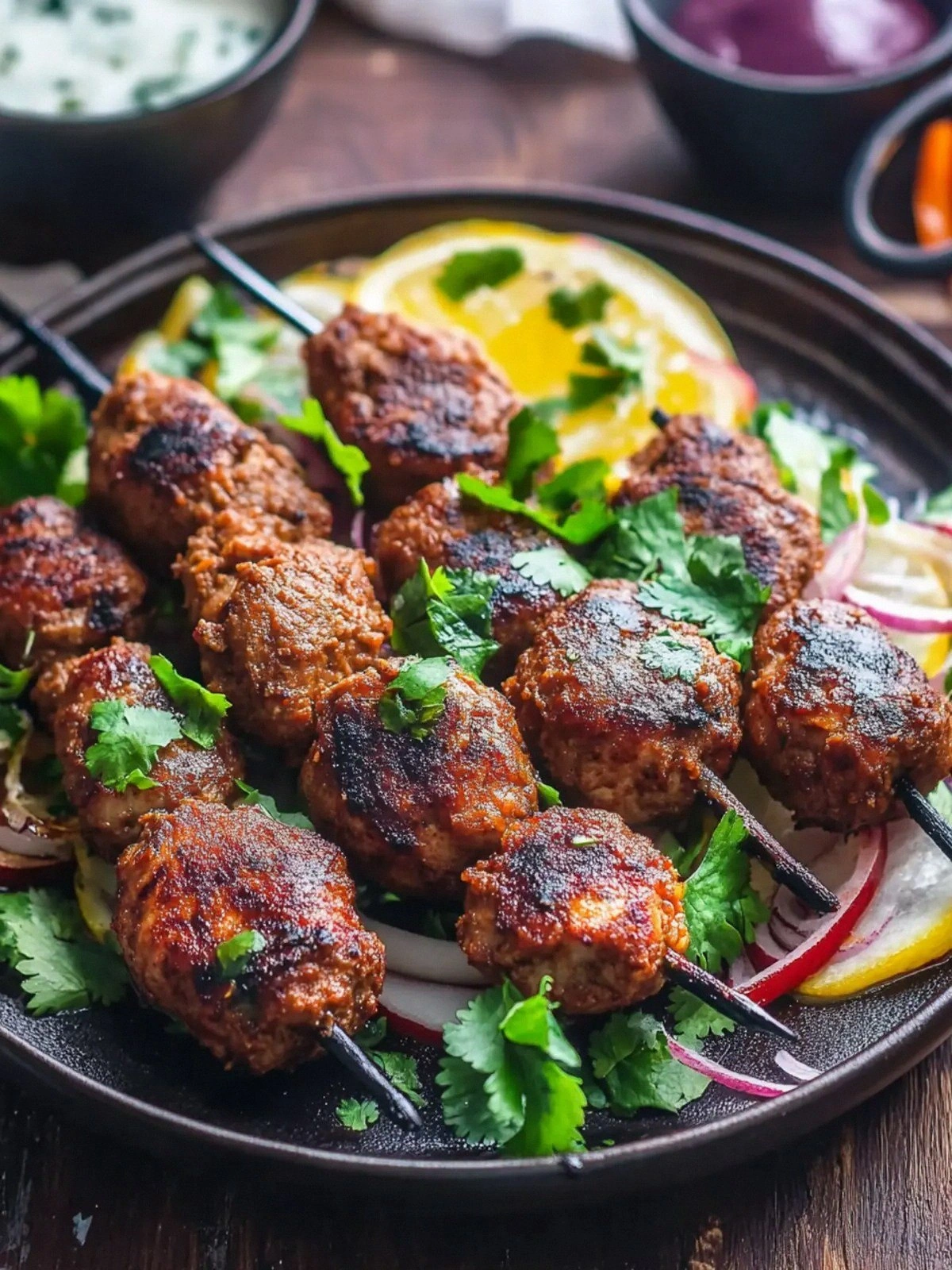
- Transfer the seasoned meat to a clean surface and shape it into round patties about 3 inches in diameter. Press gently to form a uniform thickness; this ensures even cooking. If the mixture feels too sticky, wet your hands slightly to prevent sticking.
- Heat a grill pan or outdoor grill to medium‑high. Place the kababs on the hot surface and let them sear for 3–4 minutes on each side. The goal is a caramelized crust without charring. The edges should lift easily once the first side is done.
- Place the coal in a small, heat‑proof bowl and set it beside the grill. The coal’s heat will slowly infuse the kababs with a smoky aroma. Let the kababs finish cooking for another 2 minutes on each side, allowing the coal’s heat to permeate. Remove the coal after the kababs are done to avoid any accidental burns.
- Serve the kababs hot, garnished with a sprinkle of fresh cilantro and a wedge of lime. Pair them with a cooling yogurt raita or a fresh salad to balance the heat. The moment you take a bite, the smoky char, sweet papaya, and aromatic spices will dance across your palate.
That's it — you did it. But hold on, I've got a few more tricks that'll take this to another level…
Insider Tricks for Flawless Results
The Temperature Rule Nobody Follows
Many cooks over‑cook kababs on high heat, resulting in a dry center. The trick is to maintain a steady medium heat, allowing the interior to cook through while the exterior caramelizes. I’ve found that pre‑heating the grill for at least five minutes before placing the kababs is essential for that perfect crust.
Why Your Nose Knows Best
If the kababs smell too “raw,” it’s a sign the spices haven’t fully developed. Let the mixture rest for five minutes before shaping; the flavors will meld, and the aroma will deepen. A well‑rested mixture also makes the patties easier to shape and less likely to fall apart.
The 5‑Minute Rest That Changes Everything
After grilling, let the kababs rest on a wire rack for five minutes. This step allows the juices to redistribute, preventing them from spilling out when you cut into the meat. The result is a juicy interior that stays intact throughout the cooking process.
The Secret to a Crispy Edge
Sprinkling a light dusting of semolina or fine breadcrumbs before grilling can create an extra crisp layer. The crumbs absorb excess moisture and develop a golden, crunchy exterior that contrasts beautifully with the tender meat.
The Final Touch of Smokiness
If you’re short on coal, a small piece of charred wood or a handful of crushed charcoal briquettes can mimic the smoky flavor. Just be sure to use a clean, dry coal to avoid any off‑flavors. The key is to keep the coal small and close enough to the kababs to impart smoke without burning.
Creative Twists and Variations
This recipe is a playground. Here are some of my favorite ways to switch things up:
Lamb Lava Kababs
Swap the beef for ground lamb and add a splash of yogurt to the mixture. The lamb’s natural fat content creates a richer, more succulent kabab. Serve with mint chutney for a refreshing contrast.
Chicken Coconut Kababs
Replace the beef with ground chicken and fold in shredded coconut. The coconut adds a subtle sweetness and a tropical twist that pairs well with the papaya paste. Finish with a squeeze of lime for brightness.
Vegetarian Mushroom Kababs
Use finely chopped mushrooms as the base, combined with chickpea flour for structure. The mushrooms provide umami, while the spices maintain the classic flavor profile. These kababs are perfect for a meatless night.
Spicy Peanut Kababs
Stir in a tablespoon of creamy peanut butter and a dash of sriracha for an extra kick. The peanut butter adds a nutty depth that complements the chili heat. Pair with a cucumber raita to cool the palate.
Herb‑Infused Kababs
Increase the amount of fresh cilantro and add a handful of chopped mint. The herbs bring a bright, refreshing note that balances the richness of the meat. These kababs are especially delightful on a hot summer evening.
Storing and Bringing It Back to Life
Fridge Storage
Store the cooked kababs in an airtight container in the refrigerator for up to three days. Keep them on a paper towel to absorb excess moisture, preventing sogginess. When ready to reheat, a quick sear in a hot pan will revive the crisp exterior.
Freezer Friendly
For longer storage, freeze the kababs on a baking sheet before transferring them to a freezer bag. They’ll stay fresh for up to two months. Thaw overnight in the refrigerator and reheat in a skillet or oven at 350°F (175°C) for 10 minutes.
Best Reheating Method
Add a tiny splash of water to the pan before reheating to create steam, which helps the kababs regain their moisture. Cover the pan with a lid for a few minutes, then remove the lid to allow the surface to crisp up again. The result is a kabab that tastes almost as good as fresh.