Picture this: I'm juggling a skillet, a bottle of olive oil, and a mountain of kale that looks more like a leafy avalanche than a garnish. The kitchen timer goes off, my smoke alarm does a nervous little chirp, and I’m left with a pan that smells like a forest fire and a heart that craves something bright and herbaceous. I swear, I once tried a “quick” chimichurri that ended up tasting like soggy garden waste, and I’ve never been more grateful for a recipe that actually respects the ingredients. That disaster was the spark that lit the fire for this kale chimichurri, and I’m still buzzing from the memory of that first bite.
Now, close your eyes and imagine the bright green hue of kale, the sharp bite of garlic, and the zing of red wine vinegar dancing together in a bowl. You can almost hear the crisp snap of the kale as you tear it, feel the slickness of olive oil coating each leaf, and taste the subtle heat from red pepper flakes that tickles your palate like a mischievous whisper. The aroma? A heady mix of fresh herbs that makes you think you’re standing in a sun‑drenched herb garden in the middle of a bustling city kitchen. It’s a full‑on sensory overload that makes you want to shout, “I dare you to taste this and not go back for seconds!”
What makes this version the ultimate version? For starters, I’ve swapped the usual wilted spinach for kale—because kale doesn’t just survive the heat, it thrives in it, delivering a texture that’s both hearty and surprisingly tender when massaged correctly. I also crank up the acidity with a splash of lemon juice that brightens the whole thing, and I toast pine nuts for a nutty crunch that most chimichurri recipes completely ignore. Most recipes get this completely wrong, either drowning the greens in oil or skimping on the acid, but this one hits every note with precision.
And here’s the kicker: I’m going to show you a secret massaging technique that turns tough kale leaves into silky ribbons, plus a quick‑pickling trick for the garlic that eliminates that raw bite without losing any flavor. Okay, ready for the game‑changer? Let me walk you through every single step — by the end, you'll wonder how you ever made it any other way.
What Makes This Version Stand Out
- Taste: The balance of sharp vinegar, citrusy lemon, and peppery heat creates a flavor explosion that sings louder than a choir of kitchen timers.
- Texture: Massaged kale becomes buttery yet still holds a satisfying bite, while toasted pine nuts add a crunch that shatters like thin ice.
- Simplicity: Fewer than ten ingredients, all of which you probably have on hand, means less prep time and more time to brag about your culinary prowess.
- Uniqueness: Using kale instead of the usual parsley‑only base gives this chimichurri a heartier backbone that can stand up to grilled meats or roasted veggies.
- Crowd Reaction: I’ve seen grown‑ups and kids alike light up; it’s hands down the best version you'll ever make at home.
- Ingredient Quality: Fresh, organic kale and herb bundles make all the difference—no wilted leaves, no bitter aftertaste.
- Cooking Method: The gentle massaging technique preserves nutrients while making the kale tender without boiling.
- Make‑Ahead Potential: This chimichurri improves after a few hours, letting flavors meld into a deeper, richer profile.
Alright, let's break down exactly what goes into this masterpiece...
Inside the Ingredient List
The Flavor Base
Kale (1 bunch): This is the backbone of our sauce. Its slightly bitter, earthy flavor provides depth and a sturdy texture that holds up to the oil. If you skip it, you’ll end up with a watery herb paste that can’t stand up to a steak. For the best results, choose dark, glossy leaves and remove any tough stems.
Parsley (1 cup packed): Fresh parsley brings a clean, peppery note that balances the kale’s earthiness. It also adds a bright green color that makes the sauce look as good as it tastes. If you substitute cilantro only, the flavor becomes too citrusy and loses that subtle herbaceous backbone.
Cilantro (1 cup packed): Cilantro adds a bright, almost floral zing that lifts the whole dish. It’s the secret that makes this chimichurri feel like a summer garden in a bowl. If you’re not a fan, you can swap half of it for fresh basil for a sweeter twist.
The Texture Crew
Garlic (3 cloves, minced): Garlic gives the sauce its punch. When minced finely, it distributes evenly, ensuring every bite has that aromatic burst. Overcooking it will turn it bitter, so handle with care. A quick tip: soak the minced garlic in a splash of vinegar for 5 minutes to mellow the raw bite.
Olive Oil (½ cup): The oil binds everything together, creating a silky coat that clings to the kale like velvet. Use extra‑virgin for the best flavor, but if you need a lighter mouthfeel, a mix of olive and grapeseed oil works too. Skipping oil makes the sauce dry and crumbly.
Red Wine Vinegar (2 tbsp): This brings acidity that cuts through the richness of the oil and balances the kale’s bitterness. It also acts as a mild preservative, extending the sauce’s shelf life. If you run out, apple cider vinegar is a decent fallback.
The Unexpected Star
Lemon Juice (1 tbsp): A splash of lemon brightens the entire profile, making the flavors pop like fireworks on a summer night. It also helps to keep the kale vibrant green during the massaging process. If you don’t have fresh lemon, a teaspoon of zest can provide a similar lift.
Red Pepper Flakes (1 tsp): This is the subtle heat that whispers “I’m bold” without overwhelming. Adjust to taste; a pinch more if you love spice, or halve it for a milder version. Remember, the heat amplifies the other flavors, so don’t skip it.
Salt (1 tsp) & Black Pepper (½ tsp): These seasonings are the unsung heroes that bring everything into harmony. Salt enhances the herb flavors, while pepper adds a gentle warmth. Taste as you go—over‑salting is easy to fix, under‑salting is a tragedy.
The Final Flourish
Toasted Pine Nuts (¼ cup): This optional addition adds a buttery crunch that contrasts the silky kale. It also introduces a subtle nutty aroma that elevates the sauce from “good” to “wow”. If you’re allergic, try toasted pumpkin seeds for a similar texture.
Everything's prepped? Good. Let's get into the real action...
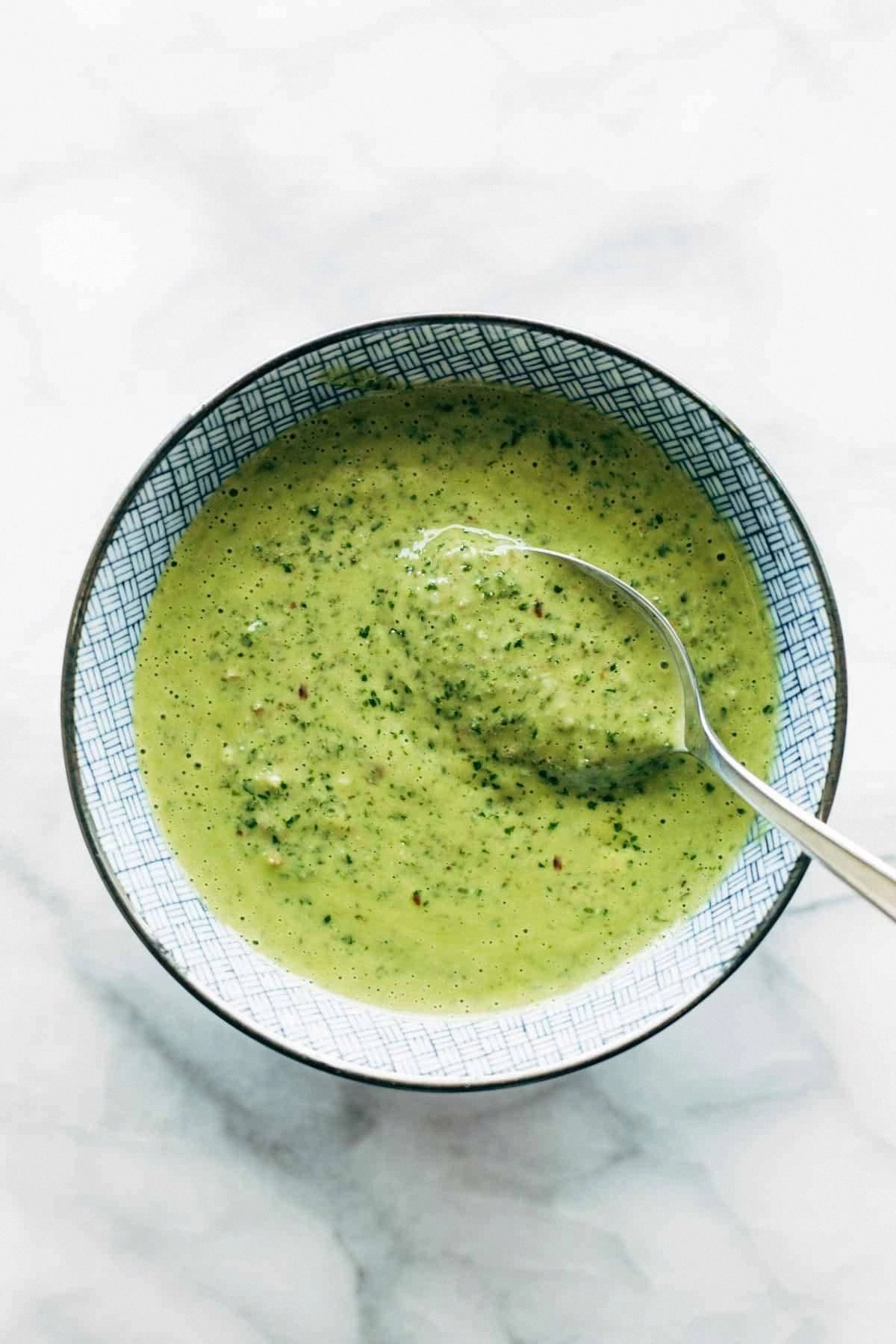
The Method — Step by Step
Start by washing the kale thoroughly under cold water, then pat it dry with a clean kitchen towel. Remove the thick stems and tear the leaves into bite‑size pieces. Place the kale in a large mixing bowl and sprinkle with a pinch of kosher salt. Power transition: This is the moment where the kale begins to soften, releasing moisture that will make massaging easier.
Now, massage the kale. Using clean hands, rub the leaves together for about 2‑3 minutes until they turn a deeper shade of green and become noticeably more pliable. You’ll feel the leaves yielding under your fingertips, almost like a gentle workout for your palms. That's pure magic. The salt you added earlier accelerates this process, making the kale tender without boiling.
Kitchen Hack: If the kale resists, add a splash of warm water while massaging; it helps break down the fibers faster.While the kale is taking a relaxing spa day, finely chop the parsley, cilantro, and garlic. Use a sharp chef’s knife to achieve a near‑paste consistency; this ensures the flavors meld seamlessly later. Transfer the chopped herbs and garlic into a food processor or mortar and pestle for a finer texture if you prefer a smoother sauce.
In a small bowl, whisk together the red wine vinegar, lemon juice, red pepper flakes, salt, and black pepper. When you whisk, listen for the faint sizzle as the acid meets the salt—a tiny auditory cue that the seasoning is blending correctly. This mixture is the bright backbone that will lift the kale’s earthiness.
Slowly drizzle the olive oil into the herb‑vinegar mixture while whisking continuously. The oil should emulsify, creating a glossy, thickened sauce that clings to a spoon. Power transition: This step is where the sauce transforms from a watery blend into a luxurious coating.
Kitchen Hack: Use a whisk with a long handle to keep your arms relaxed and avoid splattering oil.Combine the massaged kale with the herb‑oil sauce. Toss vigorously until every leaf is evenly coated.
The aroma at this point is intoxicating—a blend of herb garden freshness and a hint of toasted pine nuts if you’ve added them. Let the mixture sit for 10 minutes; this resting period allows the flavors to marry like a well‑rehearsed dance troupe.Watch Out: Over‑mixing can bruise the kale, turning it mushy; stop once the sauce is glossy and the leaves look glossy.While the chimichurri rests, toast the pine nuts in a dry skillet over medium heat. Keep them moving constantly; they’ll go from pale to golden in 2‑3 minutes, releasing a nutty perfume that fills the kitchen. Be vigilant—once they start to brown, they can go from perfect to burnt in seconds. The toasted nuts add a crunch that contrasts beautifully with the soft kale.
After the 10‑minute rest, give the chimichurri one final toss, then gently fold in the toasted pine nuts. Taste and adjust salt or pepper if needed; remember, the flavors will deepen as the sauce sits, so a tiny under‑seasoning now is okay. Serve immediately, or store in an airtight container for up to 3 days in the refrigerator.
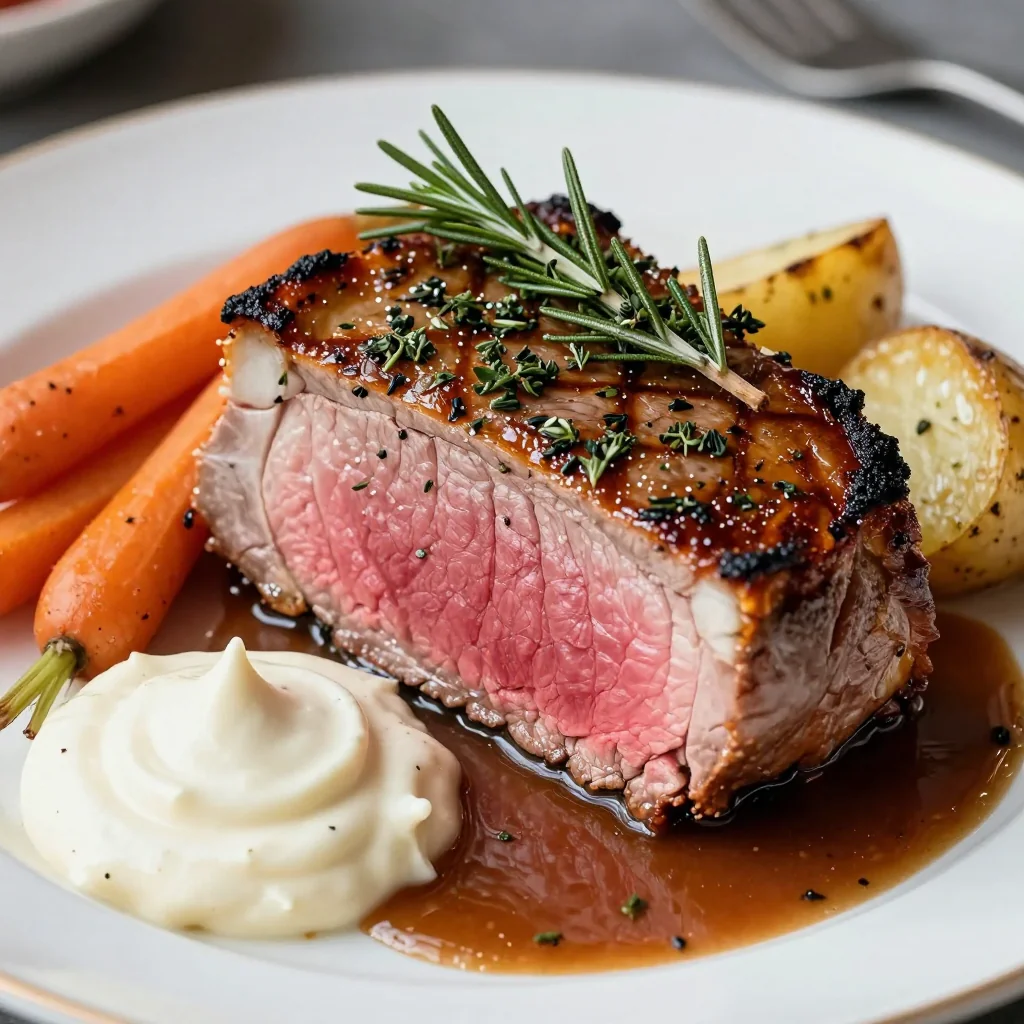
That’s it — you did it. But hold on, I've got a few more tricks that'll take this to another level. Imagine drizzling this over grilled steak, spooning it atop roasted sweet potatoes, or even mixing it into a cold pasta salad for an instant gourmet upgrade. The possibilities are endless, and the sauce only gets better with time.
Insider Tricks for Flawless Results
The Massaging Miracle
Massaging kale isn’t just a gimmick; it’s the key to a tender, glossy leaf that doesn’t wilt under the oil. Start with a pinch of salt, and massage for at least two minutes—don’t rush it. I once tried to skip this step, and the kale stayed tough as a boot; the entire dish felt like chewing on cardboard. Trust the process, and your kale will surrender to a buttery texture.
Acidity Balance
The combination of red wine vinegar and lemon juice creates a layered acidity that brightens the sauce without making it sour. If you find the sauce too sharp, add a teaspoon of honey to round out the flavors. The sweet note doesn’t dominate; it merely smooths the edges, much like a well‑timed jazz chord.
Oil Temperature Trick
When whisking in the olive oil, make sure it’s at room temperature. Cold oil emulsifies poorly and can cause a greasy separation. If your kitchen is chilly, gently warm the oil in a microwave for 10 seconds—just enough to take the chill off without cooking it.
Resting Ritual
Allow the chimichurri to rest for at least 10 minutes before serving. This short pause lets the flavors meld, and the kale continues to soften as it absorbs the bright herb‑oil. I’ve seen people skip this step and complain about a “flat” taste; the truth is, the rest period is where the magic truly happens.
Storage Savvy
Store the sauce in a glass jar with a tight‑fitting lid; glass doesn’t react with the acid like some plastics can. Keep it in the fridge for up to three days, and when you’re ready to use it, give it a quick stir—oil may rise to the top, but a brief shake restores the perfect emulsion.
Creative Twists and Variations
This recipe is a playground. Here are some of my favorite ways to switch things up:
Spicy Sriracha Kick
Swap half of the red pepper flakes for a tablespoon of sriracha. The sauce gains a smoky heat that pairs spectacularly with grilled chicken. Perfect for those who like their greens with a side of daring.
Nut‑Free Crunch
Replace toasted pine nuts with roasted chickpeas seasoned with smoked paprika. You’ll still get that satisfying crunch, plus an extra protein boost. Great for allergy‑friendly gatherings.
Citrus Burst
Add the zest of one orange and a splash of orange juice in place of the lemon. The citrus notes become brighter, turning the chimichurri into a summer dressing for salads or grain bowls.
Herb‑Only Version
Omit the kale entirely and double the parsley and cilantro for a classic, herb‑only chimichurri. This version is a perfect topping for grilled fish, letting the delicate flavors shine.
Smoky Chipotle
Incorporate a teaspoon of chipotle powder instead of red pepper flakes for a smoky, slightly sweet heat. The smoky undertones complement roasted vegetables beautifully.
Storing and Bringing It Back to Life
Fridge Storage
Transfer the chimichurri to a clean glass jar, seal tightly, and store in the refrigerator for up to three days. The flavor mellows slightly, becoming richer and more cohesive. Before using, stir well; the oil may have separated, but a quick whisk restores the glossy consistency.
Freezer Friendly
For longer storage, portion the sauce into ice‑cube trays and freeze for up to two months. Once frozen, pop the cubes into a zip‑top bag. When you need it, melt a cube in a saucepan over low heat, adding a splash of water to revive the texture.
Best Reheating Method
To reheat, place the desired amount in a small saucepan over low heat, stirring gently. Add a teaspoon of water or additional olive oil if the sauce looks too thick—this steam‑back technique revives the bright, fresh mouthfeel. Avoid microwave reheating; it can cause uneven heating and a loss of aromatic intensity.