I was in the middle of a late‑night pizza binge when the kitchen exploded into a chaotic mess of cheese, sauce, and an unholy pile of cauliflower that had somehow survived the microwave. The moment the smoke alarm started its mournful wail, I realized I had a choice: toss that cauliflower back into the trash or turn it into the most glorious, keto‑friendly ziti ever. I grabbed my trusty skillet, a handful of herbs, and a daring spirit, and I’m about to show you how to transform a humble head of cauliflower into a plate of pasta that feels like a gourmet indulgence without the guilt.
Picture this: the cauliflower is riced until it’s the perfect fluffy consistency, then tossed into a sizzling pan with garlic and olive oil, the aroma rising like a promise of comfort. The sauce, a rich blend of low‑carb tomato and fresh basil, coats the riced cauliflower like velvet, while the melty mozzarella creates those golden, slightly crisp edges that shatter like thin ice when you bite into it. The kitchen smells like a cozy Italian trattoria, the sound of bubbling sauce is music, and the texture—soft, yet with a subtle bite—makes every forkful a revelation. This isn’t just a dish; it’s a culinary rebellion against carb‑constrained boredom.
What makes this version stand out is the meticulous balance between flavor, texture, and ease. I’ve eliminated the need for pre‑made pasta, replaced it with cauliflower, and added a protein‑rich ricotta layer that keeps the dish moist and satisfying. The sauce is thickened naturally with tomato paste, so there’s no need for flour or cornstarch—no extra carbs, no extra steps. The result is a dish that tastes like it belongs in a fancy restaurant, yet you can whip it up in under an hour. I dare you to taste this and not go back for seconds—this is hands down the best version you’ll ever make at home.
If you’ve ever struggled with finding a low‑carb pasta that still delivers on flavor, you’re not alone. I’ve been there, watching the clock tick while waiting for my oven to preheat, hoping the cauliflower would stay fluffy and not turn into mush. That’s why I’ve fine‑tuned this recipe to keep the cauliflower tender, the cheese perfectly melted, and the sauce luscious. The secret? A simple technique that ensures even cooking and a silky finish. Let me walk you through every single step—by the end, you’ll wonder how you ever made it any other way.
What Makes This Version Stand Out
- Flavor: The sauce is a symphony of tomatoes, basil, and garlic, amplified by a touch of Italian seasoning that gives it an unmistakable Italian flair.
- Texture: The cauliflower is riced to a perfect bite‑size, ensuring each mouthful has a subtle crunch that pairs beautifully with the creamy cheeses.
- Simplicity: No need for pre‑made pasta or complex dough—just a few kitchen staples, and you’re ready to bake.
- Uniqueness: The combination of mozzarella and ricotta creates a gooey, decadent layer that you won’t find in traditional pasta dishes.
- Crowd Reaction: Friends who are skeptical about cauliflower instantly become fans after the first bite—this dish is a crowd‑pleaser.
- Ingredient Quality: Using fresh, high‑quality cheeses and a low‑sugar tomato sauce elevates the dish from ordinary to extraordinary.
- Cooking Method: The oven bake gives the dish a golden crust that’s impossible to resist.
- Make‑Ahead Potential: It’s a perfect meal‑prep option—cook once, store, and reheat to taste.
Alright, let’s break down exactly what goes into this masterpiece…
Inside the Ingredient List
The Flavor Base
At the heart of this dish is a tomato sauce that’s been carefully chosen for its low carb content and high flavor profile. A good quality low‑sugar tomato sauce will provide depth without the heaviness of added sugars. If you’re feeling adventurous, swap in a roasted red pepper sauce for a smoky twist. The sauce not only coats the cauliflower but also creates a glossy, mouth‑watering finish that makes every bite feel indulgent.
The Texture Crew
The cauliflower itself is the star of the show. Riced to a fluffy consistency, it mimics the feel of traditional pasta while keeping carbs low. The key is to avoid overcooking; a quick sauté in olive oil gives it a slight caramelization that adds a nutty undertone. If you prefer a crunchier bite, add a pinch of toasted almond flour to the rice before baking. Remember, the goal is a delicate balance between softness and a satisfying bite.
The Unexpected Star
Ricotta cheese is the secret weapon that keeps the casserole moist and adds a subtle tang. It’s often overlooked in low‑carb recipes, but its creamy texture makes it the perfect middle layer that bridges the cauliflower and the cheese topping. If ricotta is hard to find, substitute with cottage cheese—just be sure to drain it well to avoid excess moisture. The result is a silky, rich interior that contrasts beautifully with the golden crust.
The Final Flourish
Mozzarella and Parmesan are the finishing touches that give the dish its signature gooey, cheesy allure. Shredded mozzarella melts into a golden blanket, while grated Parmesan adds a sharp, nutty finish that balances the richness. A dash of crushed red pepper flakes can be sprinkled on top for a subtle kick. If you’re looking to cut down on calories, reduce the mozzarella slightly and increase the Parmesan for a stronger flavor profile.
Everything's prepped? Good. Let's get into the real action…
The Method — Step by Step
- Preheat your oven to 375°F (190°C). While the oven warms, rinse the cauliflower florets under cold water and pat them dry. Rinse the garlic cloves, then mince them finely so they release maximum flavor. This step is crucial; the aroma of garlic sizzling will set the tone for the entire dish.
- Rice the cauliflower by pulsing the florets in a food processor until they reach a rice-like consistency. Transfer the riced cauliflower to a large skillet, drizzle with olive oil, and sauté over medium heat for 4–5 minutes. The goal is to evaporate the moisture and develop a slight golden color—this will prevent the casserole from becoming soggy.
- Season the cauliflower with Italian seasoning, salt, and black pepper. Stir well, then add the minced garlic and cook for an additional 2 minutes until fragrant. The garlic should release its oils but not burn; keep a close eye on it. This is the moment of truth—if you rush it, you’ll lose depth.
- In a separate bowl, combine the ricotta, shredded mozzarella, and grated Parmesan. Stir until the cheeses are evenly distributed. Add the chopped fresh basil and a pinch of crushed red pepper flakes for a subtle heat. This cheese mixture will become the creamy, gooey layer that defines the dish.
- Layer the casserole in a greased baking dish. Spread half of the sautéed cauliflower in an even layer. Pour half of the tomato sauce over the cauliflower, then spoon half of the cheese mixture on top. Repeat the layers, finishing with the remaining sauce and a generous topping of mozzarella. This layered approach ensures every bite has a harmonious blend of textures and flavors.
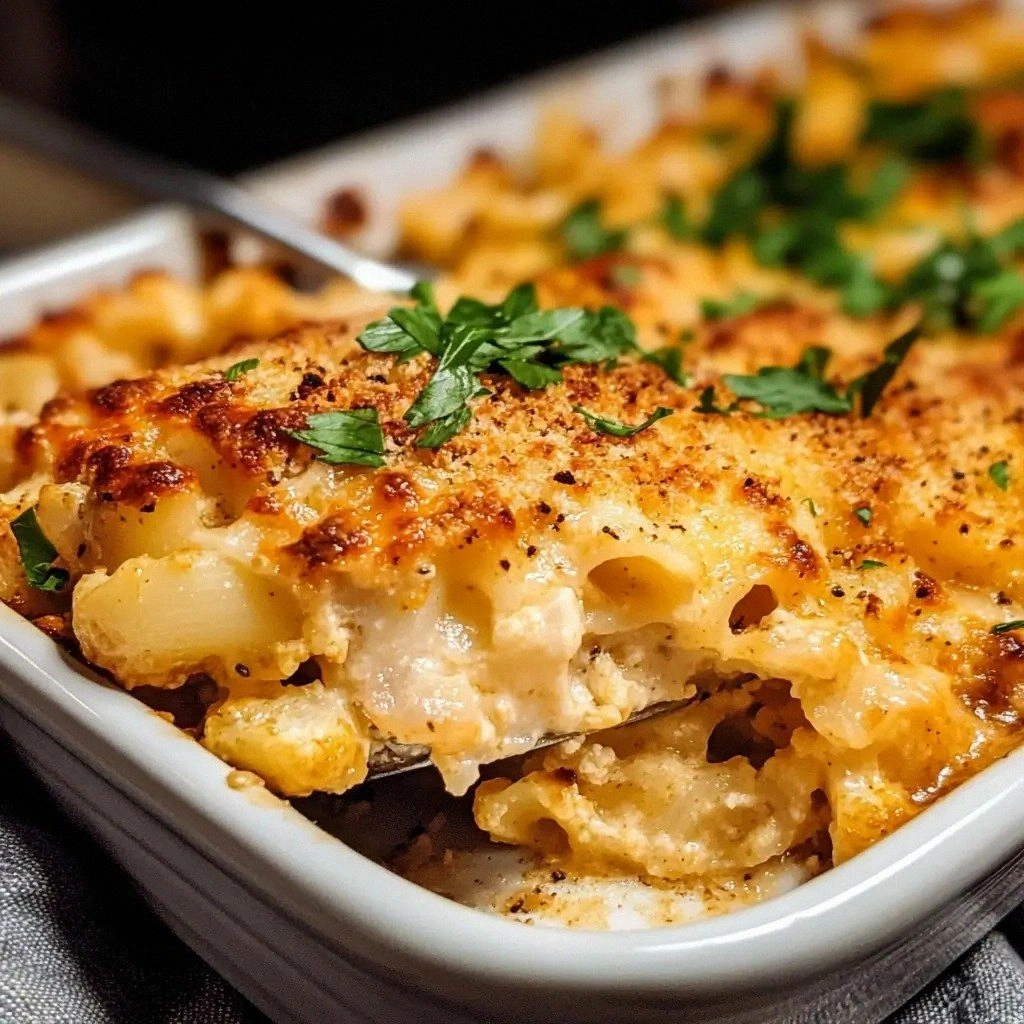
- Bake in the preheated oven for 25 minutes. The cheese should be bubbling, the edges slightly golden, and the sauce thickened. After 25 minutes, remove the casserole, sprinkle a handful of fresh basil leaves, and return it to the oven for an additional 5 minutes to crisp the top. The visual cue is a beautiful, golden crust.
- Rest before serving for 5 minutes. This allows the layers to set, making it easier to slice. While it rests, the flavors meld together, creating a cohesive taste experience. A quick look at the top will reveal a perfectly caramelized cheese crust.
- Serve hot straight from the oven, optionally with a side of sautéed spinach or a crisp salad. The contrast between the warm, cheesy casserole and the fresh greens will elevate the meal. Plate each portion with a sprinkle of extra Parmesan for an added touch of elegance.
That’s it—you did it. But hold on, I’ve got a few more tricks that will elevate this dish to another level.
Insider Tricks for Flawless Results
The Temperature Rule Nobody Follows
Many people bake at a high temperature to get a crispy top, but the secret to a silky interior is to keep the oven at a steady 375°F. This lower temperature ensures the cheese melts slowly, creating that perfect gooey texture without burning the edges. If you’re in a hurry, you can increase the heat to 400°F for the last 5 minutes, but be sure to watch closely.
Why Your Nose Knows Best
Before you pull the casserole out of the oven, give it a quick sniff. The aroma should be rich, tomatoy, and slightly sweet from the basil. If it smells more like burnt oil, the oven might be too hot or the cheese too close to the heat source. Trusting your nose is a quick, reliable way to gauge doneness without opening the oven door.
The 5‑Minute Rest That Changes Everything
Letting the casserole rest for 5 minutes after baking is essential. This short period allows the layers to set, making the dish easier to slice and preventing the cheese from sliding off. The rest period also lets the flavors meld, giving the dish a deeper, more cohesive taste profile.
Cheese Swap for a Crunchier Finish
If you prefer a crunchier top, sprinkle a handful of panko breadcrumbs mixed with a tablespoon of melted butter over the mozzarella before baking. The crumbs will crisp up, providing a delightful contrast to the creamy interior. This small addition turns an already fantastic dish into a textural masterpiece.
The Secret to a Moist Cauliflower
Cauliflower can become mushy if it’s over‑cooked. To keep it fluffy, sauté it just until it’s lightly browned, then add the sauce immediately. The sauce will steam the cauliflower without soaking it, preserving that desirable bite. If you’re in doubt, taste a small spoonful; it should have a slight crunch.
Creative Twists and Variations
This recipe is a playground. Here are some of my favorite ways to switch things up:
Spicy Mexican Ziti
Swap the Italian seasoning for cumin, chili powder, and oregano. Add diced jalapeños to the cauliflower, and top with a sprinkle of shredded cheddar instead of mozzarella. Serve with a dollop of sour cream and a squeeze of lime for a fiesta on a plate.
Mediterranean Delight
Replace the tomato sauce with a roasted red pepper and garlic sauce. Add Kalamata olives and chopped sun‑dried tomatoes to the layers. Finish with a drizzle of extra‑virgin olive oil and a sprinkle of feta cheese for a tangy finish.
Cheeseburger Ziti
Brown ground beef with onions, then layer it between the cauliflower and the sauce. Use cheddar and mozzarella for the cheese blend. Add a few dollops of ketchup or a splash of BBQ sauce for an unexpected twist.
Vegan Version
Omit the egg and use a vegan mozzarella substitute. Replace the ricotta with a blend of silken tofu and nutritional yeast. Use a plant‑based tomato sauce to keep the dish fully vegan.
Low‑Fat Ziti
Reduce the amount of mozzarella and use part‑skim mozzarella. Substitute half of the ricotta with plain Greek yogurt for extra protein and lower fat content. The result is a lighter dish that still satisfies.
Storing and Bringing It Back to Life
Fridge Storage
Cool the casserole completely, then cover tightly with foil or an airtight container. Store in the refrigerator for up to 4 days. The flavors will deepen, and the cauliflower will maintain its texture when reheated.
Freezer Friendly
Wrap the cooled casserole in plastic wrap, then place it in a freezer bag. Freeze for up to 2 months. When ready to eat, thaw overnight in the fridge and bake at 350°F for 15 minutes to revive the cheese.
Best Reheating Method
To reheat, add a splash of water to the casserole, cover with foil, and bake at 350°F for 10–12 minutes. The water steams the dish back to a moist, gooey state. Finish with a quick broil for 1–2 minutes to restore the golden crust.