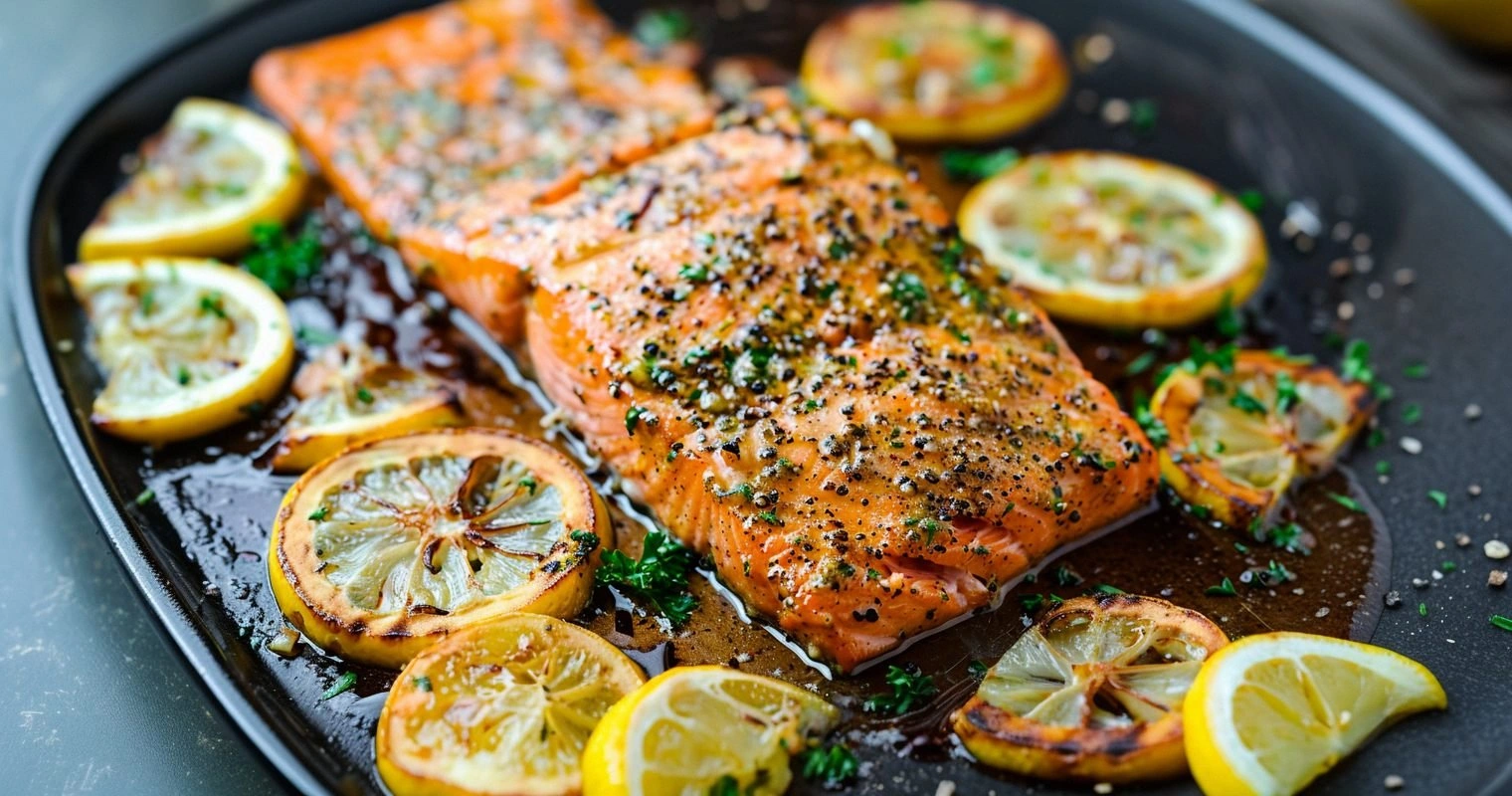
I burned three salmon fillets before I finally cracked the code to lemon pepper perfection. The first one stuck to the pan like it had commitment issues, the second emerged tasting like fishy lemon furniture polish, and the third—well, let's just say my smoke alarm and I are no longer on speaking terms. But that fourth fillet? Pure magic happened. The edges caramelized into crispy, peppery shards while the center stayed buttery and moist, the lemon bright but not bitter, the seasoning singing in perfect harmony instead of screaming for attention.
Picture this: it's Tuesday night, you're starving, and that beautiful salmon fillet is staring at you from the fridge like it's judging your life choices. Most recipes would have you drowning it in soy sauce or wrapping it in foil like a sad little fish present. Not here. We're about to create restaurant-quality salmon that costs a fraction of the price and takes exactly fifteen minutes from fridge to plate. The secret isn't some fancy technique or expensive gadget—it's understanding how lemon and pepper actually work together, and why most recipes get this completely backward.
I'm going to show you exactly how to achieve that golden crust that crackles under your fork, revealing flesh so tender it flakes at the mere suggestion of pressure. The lemon won't just sit on top like a garnish—it'll infuse every bite with bright, sunny flavor while the pepper provides warmth and depth without overwhelming the delicate fish. And here's the kicker: once you master this technique, you'll never need another salmon recipe again. This one adapts to whatever you have, however much time you've got, and whoever you're feeding.
Okay, ready for the game-changer? We're going to treat lemon pepper like a dry brine, let it work its magic for just a few minutes, then sear it in a screaming hot pan with a technique that creates the most incredible crust you've ever tasted. The whole kitchen will smell like a Mediterranean seaside restaurant, and you'll wonder why you ever settled for bland, dry salmon. Let me walk you through every single step—by the end, you'll wonder how you ever made it any other way.
What Makes This Version Stand Out
This isn't your average lemon pepper salmon that tastes like it came from a packet mix. This is the kind of dish that makes people close their eyes after the first bite, the kind that has your dinner guests asking for the recipe before they've even finished chewing. The difference lies in understanding how these simple ingredients can transform into something extraordinary when treated with respect and a little kitchen wisdom.
- Reverse Seasoning: Instead of sprinkling lemon pepper on at the end, we use it as a dry brine that draws out moisture and concentrates flavors. The salt in the seasoning penetrates the fish, seasoning it throughout rather than just on the surface. This technique, borrowed from professional kitchens, means every bite is perfectly seasoned, not just the edges.
- The Two-Zone Sear: Most recipes either burn the outside or leave the center raw. We start with a ripping hot pan to create that coveted crust, then drop the temperature to let the inside cook gently. The result is fish that's crispy-edged and tender-centered, never dry or rubbery. That sizzle when it hits the pan? Absolute perfection.
- Fresh Lemon Zest Magic: While the pre-mixed stuff works in a pinch, fresh lemon zest changes everything. The oils in the zest contain all the bright, aromatic compounds that disappear during processing. Combined with freshly cracked pepper, it creates a vibrancy that makes the packaged stuff taste like dusty cardboard in comparison.
- Butter Basting Brilliance: In the final minutes, we add butter to the pan and spoon it over the salmon. This creates a glossy, flavorful coating that makes restaurant chefs weep with joy. The butter picks up the caramelized bits from the pan, creating a sauce that's pure liquid gold.
- Rest and Glaze Technique: Here's where most home cooks mess up—they serve it straight from the pan. A brief rest lets the juices redistribute, while a final brush of lemon butter adds shine and an extra layer of flavor. This is the difference between good salmon and "holy cow, what did you do to this fish" salmon.
- Pan Sauce Simplicity: Those browned bits in your pan aren't garbage—they're flavor gold. A quick deglaze with lemon juice and a pat of butter creates a sauce that would make a French chef nod approvingly. It's like getting two dishes for the price of one, and it takes literally thirty seconds.
- Make-Ahead Marvel: The dry brine technique means you can season your fish up to 24 hours ahead. The flavors actually improve overnight, making this perfect for dinner parties or busy weeknights. Just pull it from the fridge and you're minutes away from perfection.
Alright, let's break down exactly what goes into this masterpiece...
Inside the Ingredient List
Every ingredient here pulls its weight, and understanding why each one matters will transform you from a recipe follower into a confident cook who can improvise with whatever's in the fridge. The magic isn't in expensive or exotic components—it's in understanding how these everyday items interact to create something greater than their sum.
The Foundation: Premium Salmon
Wild-caught salmon has a firmer texture and more pronounced flavor that stands up beautifully to bold seasoning. The fat content is perfectly distributed, meaning it stays moist during high-heat cooking. Look for fillets that are vibrant in color with no fishy smell—fresh salmon should smell like the ocean, not like fish. If you can only find farmed salmon, that's fine too—just adjust the cooking time down slightly since it tends to be fattier and cooks faster.
Skin-on or skin-off is your call, but I beg you to try it with the skin on at least once. When properly seared, the skin transforms into crispy, smoky perfection that tastes like salmon bacon. The key is making sure the skin is perfectly dry before it hits the pan—any moisture will steam instead of crisp. If you're one of those people who thinks they hate salmon skin, you've probably never had it properly cooked.
The Dynamic Duo: Lemon and Pepper
Fresh lemon zest contains over 100 volatile compounds that disappear within hours of zesting. This is why that bottle of lemon pepper in your spice cabinet tastes like disappointment. A fresh lemon gives you bright, floral notes that make the whole dish sing. Choose lemons that feel heavy for their size—they have more juice and zest—and always zest before juicing.
Black pepper isn't just black pepper. Tellicherry peppercorns have a more complex, fruity flavor that plays beautifully with fish. Freshly cracked is non-negotiable—pre-ground pepper tastes like dusty nothing. The cracking action releases piperine, the compound that gives pepper its heat and pungency. If you've been using pre-ground pepper, prepare for a revelation.
The Supporting Cast: Salt, Oil, and Butter
Kosher salt has larger flakes that distribute more evenly and don't contain the metallic additives found in table salt. The salt draws moisture from the surface of the fish, helping create that incredible crust. It also seasons the fish throughout when used as a dry brine. Don't be shy here—most home cooks under-salt, which is why restaurant food tastes better.
High smoke point oil like avocado or grapeseed is crucial for the initial sear. Olive oil burns at high temperatures, creating bitter compounds that will ruin your beautiful fish. You only need a thin film—too much oil and you'll fry instead of sear. The oil should shimmer but not smoke when the pan is ready.
Butter adds richness and helps create that gorgeous brown color through the Maillard reaction. The milk solids in butter brown beautifully, adding nutty complexity. Adding it toward the end prevents burning while still allowing it to contribute flavor. Use unsalted butter so you can control the seasoning.
The Secret Weapon: Garlic and Herbs
A single clove of garlic, smashed rather than minced, infuses the butter with flavor without overwhelming the delicate fish. The smashed clove releases its flavor more slowly, preventing that harsh raw garlic taste. Remove it before serving—it's done its job. This technique gives you garlic flavor without garlic breath.
Fresh thyme or dill complements the lemon pepper beautifully. Woodsy thyme adds earthiness that grounds the bright flavors, while dill brings a fresh, grassy note that screams springtime. Add these to the butter in the final minutes—they're too delicate for the high-heat sear. A single sprig is plenty; herbs should whisper, not shout.
Everything's prepped? Good. Let's get into the real action...
The Method — Step by Step
- Pat It Like You Mean It: Remove your salmon from the fridge 15 minutes before cooking—cold fish cooks unevenly. Place fillets on paper towels and press gently to remove surface moisture. Flip and repeat until the paper towel comes away almost dry. This step is crucial for achieving that golden crust; any moisture will steam the fish instead of searing it. Season both sides generously with salt and let it sit while you prep everything else.
- Create Your Lemon Pepper Magic: Zest one whole lemon onto a small plate—you should get about a tablespoon. Add two teaspoons of freshly cracked black pepper and mix with your fingers. The zest should be damp enough to hold the pepper. This is where the flavor bomb begins. Rub this mixture all over your salmon, pressing gently so it adheres. Don't forget the sides!
- Heat Your Pan Properly: Place a heavy-bottomed skillet (cast iron is ideal) over medium-high heat for 2-3 minutes. Add just enough oil to coat the bottom thinly—about a teaspoon. The oil should shimmer and move like water, but not smoke. Test by flicking in a drop of water—it should sizzle and evaporate immediately. This is the moment of truth for your crust.
- The Sear That Changes Everything: Gently lay your salmon presentation-side down in the pan. It should sizzle enthusiastically—if it doesn't, your pan isn't hot enough. Don't move it for 3-4 minutes; moving it too early tears the crust. You'll know it's ready when the edges turn opaque about halfway up the sides. The smell should be nutty and toasty, not fishy.
- Flip With Confidence: Use a thin metal spatula and slide it under the fish with authority. If it sticks, give it another 30 seconds—the crust will release when it's ready. Flip confidently in one smooth motion. The seared side should be golden brown with darker edges. Reduce heat to medium and let the second side cook for 2-3 minutes depending on thickness.
- Butter Basting Brilliance: Add a tablespoon of butter to the pan along with smashed garlic and herbs. As the butter melts and foams, tilt the pan and spoon the butter over the salmon repeatedly. This bastes the fish with flavored butter while helping it cook evenly. The butter will brown and take on a nutty aroma—this is exactly what you want.
- Check for Doneness: Press the thickest part gently with your finger—it should feel firm but still have some give, like the pad of your palm below your thumb. For accuracy, salmon is done at 125°F for medium or 135°F for well-done. Remember it will continue cooking from residual heat. The center should be slightly translucent but not raw-looking.
- The Rest That Makes Perfect: Transfer salmon to a warm plate and tent loosely with foil. Let it rest for 3-5 minutes—this allows juices to redistribute throughout the fish. Skip this step and you'll have dry salmon swimming in a puddle of its own juices. During this time, make your pan sauce if desired.
- Pan Sauce Magic: Return the pan to medium heat and add a squeeze of lemon juice. Scrape up the browned bits with a wooden spoon—they're pure flavor. Add another pat of butter and swirl until emulsified. The sauce should be glossy and coat the back of a spoon. Taste and adjust seasoning—sometimes it needs a pinch of salt, sometimes not.
- Final Flourish: Serve the salmon with the pan sauce drizzled over the top. Add a final sprinkle of fresh lemon zest and cracked pepper. The contrast between the crispy edges and tender center should be dramatic. Garnish with fresh herbs if you're feeling fancy, but honestly, it's perfect as-is.
That's it—you did it. But hold on, I've got a few more tricks that'll take this to another level...
Insider Tricks for Flawless Results
The Temperature Rule Nobody Follows
Room temperature salmon cooks more evenly than cold fish straight from the fridge. I know, I know—food safety, right? But 15 minutes on the counter won't kill you and will transform your cooking. Cold fish hits the hot pan and immediately seizes up, cooking unevenly and releasing proteins that make it stick. Room temperature fish relaxes into the heat, cooking gently and developing that gorgeous crust we all crave.
Here's the real secret: check the thickest part with your finger after it's been sitting out. It should feel cool but not cold, like a bottle of white wine that's been open for 20 minutes. If it's still fridge-cold, give it another 5-10 minutes. This single tip will eliminate 90% of salmon cooking problems, including the dreaded white albumin that leaks out when fish is shocked by heat.
Why Your Nose Knows Best
Your nose is the most underutilized cooking tool in your kitchen. When the salmon is searing properly, it should smell nutty and slightly sweet, like toasted bread with a hint of ocean breeze. If it smells fishy, your pan isn't hot enough or your fish isn't fresh. If it smells acrid or burnt, your heat is too high or your oil is breaking down.
I'll be honest—I've eaten half the batch before anyone else got to try it because the smell drives me absolutely wild. There's something about the combination of lemon, pepper, and caramelizing salmon that makes rational thought impossible. A friend tried skipping the proper searing step once—let's just say it didn't end well for the salmon or their dinner guests.
The 5-Minute Rest That Changes Everything
This is where most recipes get it completely wrong. They tell you to serve immediately, which results in dry, disappointing salmon that weeps juices all over the plate. A 5-minute rest allows the proteins to relax and reabsorb their juices, meaning every bite is succulent and flavorful. The internal temperature will rise another 5-10 degrees during this rest, so pull it slightly earlier than you think.
During this rest, something magical happens. The carryover cooking finishes the center gently, while the exterior crust sets up and becomes even crispier. It's like the difference between a steak that bleeds out on the plate versus one that stays juicy through the last bite. Cover it loosely with foil—tightly wrapping it will steam and soften that beautiful crust you worked so hard to achieve.
The Pepper Timing Secret
Most recipes tell you to season with pepper at the beginning, but pepper burns at high heat and turns bitter. Instead, mix most of your lemon-pepper blend into a paste with a touch of oil and apply it after the first flip. The residual heat will bloom the pepper's essential oils without burning them. Add a final crack of fresh pepper right before serving for that bright, spicy kick that makes your taste buds dance.
This technique gives you layers of pepper flavor: the subtle warmth from the initial seasoning, the developed complexity from the mid-cook addition, and the fresh punch at the end. It's like a pepper journey rather than a pepper punch in the face. I dare you to taste this and not go back for seconds—actually, thirds are more likely.
The Pan Choice That Makes or Breaks
Cast iron is king here, but not for the reason you think. Yes, it holds heat well, but more importantly, it develops a natural non-stick surface when properly seasoned. Stainless steel works too, but you'll need more oil and impeccable temperature control. Non-stick pans are the enemy of good salmon—they can't achieve the high heat necessary for proper searing, leaving you with pale, flabby fish that tastes steamed.
If using cast iron, make sure it's well-seasoned and hot before adding oil. The oil should shimmer immediately but not smoke. With stainless, heat the pan dry until a drop of water dances across the surface, then add oil. This creates a temporary non-stick surface through the Leidenfrost effect. Either way, don't crowd the pan—cook in batches if necessary. Overcrowding drops the temperature and steams instead of sears.
Creative Twists and Variations
This recipe is a playground. Here are some of my favorite ways to switch things up:
The Mediterranean Escape
Swap the lemon for orange zest and add a teaspoon of chopped fresh oregano to the pepper blend. Finish with a crumble of feta and a handful of chopped olives in the pan sauce. The orange provides a sweeter, more complex citrus note that pairs beautifully with the briny olives and tangy cheese. This version transports you straight to a Greek taverna, even if you're cooking in a studio apartment in the middle of winter.
The Asian Fusion Adventure
Replace half the black pepper with Sichuan peppercorns for a tingling, numbing heat. Add a tablespoon of soy sauce and a teaspoon of honey to the pan sauce, reducing until syrupy. Garnish with sliced scallions and toasted sesame seeds. The result is a sweet-savory-spicy combination that makes your mouth pleasantly confused in the best possible way.
The Smoky Mountain Version
Mix smoked paprika into your lemon-pepper blend and finish with a bourbon pan sauce. The smokiness complements the rich salmon while the bourbon adds depth and caramel notes. Add a pat of maple butter at the very end for a sweet-smoky finish that tastes like camping in the Appalachians, minus the bears and questionable bathroom facilities.
The Heat Seeker's Dream
Add a teaspoon of Aleppo pepper or Korean gochugaru to the lemon-pepper mix. These chilies provide heat with fruitiness rather than just pure burn. Finish with a squeeze of lime instead of lemon and garnish with fresh cilantro. It's bright, spicy, and addictive—picture yourself pulling this out of the oven, the whole kitchen smelling incredible, and knowing you're about to set your mouth on fire in the most delightful way.
The Herb Garden Fresh
Mix fresh chopped herbs—dill, parsley, chives—into softened butter, then chill until firm. Use this herb butter for basting instead of plain butter. The fresh herbs infuse the salmon with garden-fresh flavor, while the chilled butter creates beautiful layers as it melts. This version tastes like springtime on a plate, even in the dead of winter.
The Sweet Heat Surprise
Add a teaspoon of honey to your lemon-pepper blend and a pinch of cayenne. The honey helps the seasoning stick to the fish while creating a beautiful caramelized crust. The cayenne provides just enough heat to make things interesting without overwhelming the delicate fish. It's sweet, spicy, tangy, and completely addictive—fair warning, you'll want to put this blend on everything.
Storing and Bringing It Back to Life
Fridge Storage
Let the salmon cool completely before storing in an airtight container. It will keep for up to 3 days, but honestly, it's best within 48 hours. Store any pan sauce separately—reheating it with the fish will make everything soggy. If you've got leftover salmon, consider yourself lucky—cold salmon makes incredible salads, sandwiches, and pasta additions.
The key is avoiding the microwave, which turns beautiful salmon into rubbery disappointment. Instead, let it come to room temperature for 20 minutes before gently reheating. If you've ever struggled with leftover fish that tastes like cat food, you're not alone—and I've got the fix.
Freezer Friendly
Cooked salmon freezes surprisingly well if you do it right. Cool completely, then wrap tightly in plastic wrap and foil, or use a vacuum sealer if you have one. Freeze for up to 2 months, but use within 1 month for best quality. Thaw overnight in the fridge, never at room temperature. The texture will be slightly different but still delicious, especially if you're using it in salads or pasta dishes.
Here's the trick: freeze individual portions so you're not thawing more than you need. Add a tiny splash of water before reheating—it steams back to perfection and helps restore some of the original moisture. If you've overcooked your salmon initially, freezing and reheating actually helps—it seems counterintuitive, but the freezing process breaks down some of the proteins, making it seem more tender.
Best Reheating Method
Preheat your oven to 275°F and place the salmon on a wire rack over a baking sheet. Add a tablespoon of water to the pan and cover loosely with foil. Heat for 10-12 minutes until just warmed through. The gentle heat and steam will revive the salmon without drying it out. Alternatively, break it into chunks and warm it gently in pasta sauce or soup—it adds protein and flavor without needing to be perfectly reheated.
For quick meals, flake cold salmon over salads or mix with a little mayo, lemon juice, and herbs for an incredible salmon salad sandwich. The lemon pepper seasoning means it's flavorful enough to eat cold without any additional seasoning. Some nights, standing at the fridge eating cold salmon with your fingers is exactly what life calls for. I won't tell if you don't.