I remember the night I tried to impress my friends with a “simple” steak dinner and ended up with a kitchen that looked like a war zone. The steak had charred edges that tasted like burnt toast, the potatoes were soggy, and the bacon was a greasy mess. I stared at the stove, wondering if I had accidentally invented a new culinary disaster. That moment sparked a fire in my culinary soul, and I vowed to rewrite the recipe for a loaded baked potato with steak that would make even the most skeptical foodie swoon.
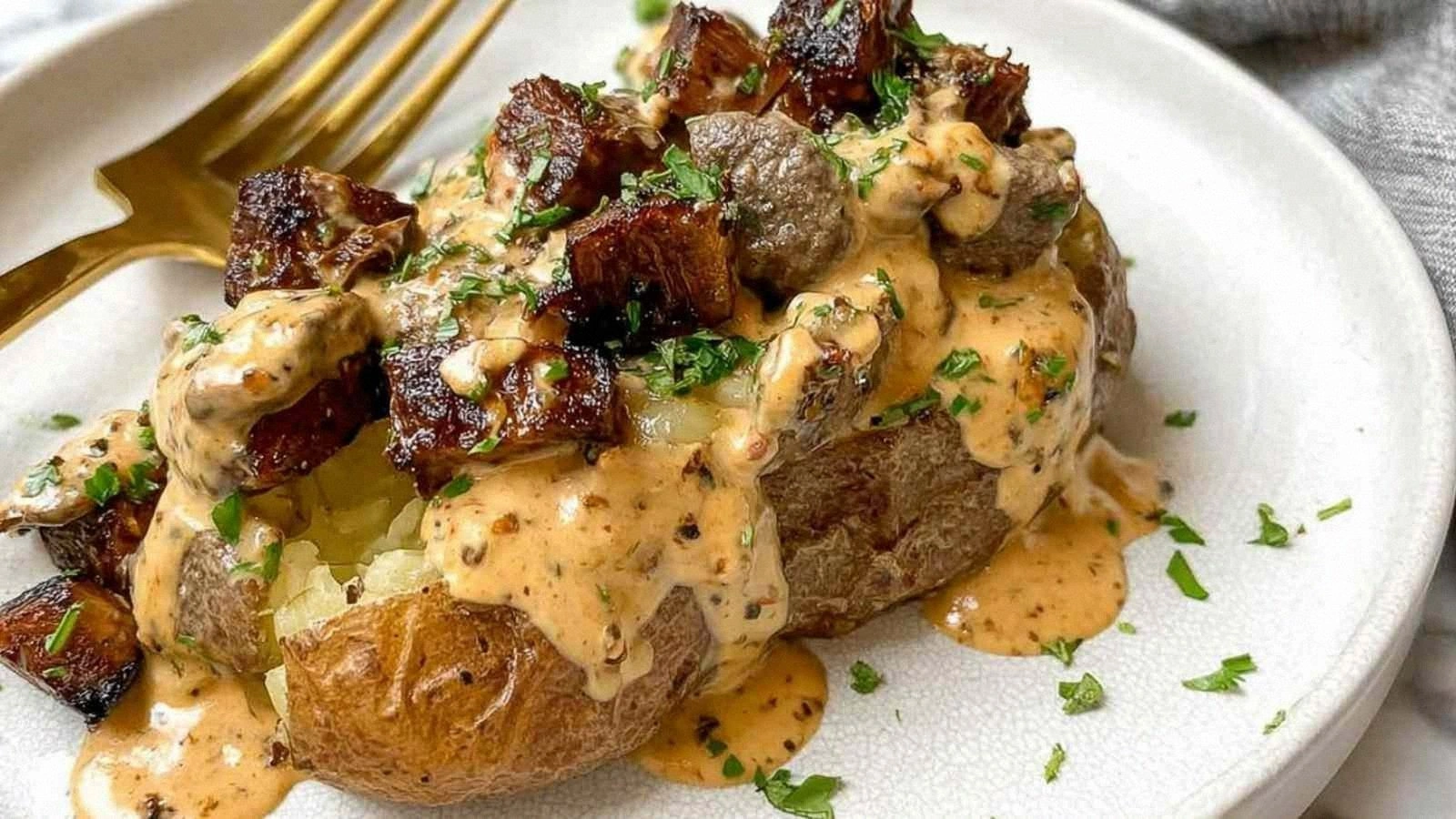
Picture the scene: a golden crust of potato skin crackling as you press the fork in, the aroma of sizzling steak mingling with the savory scent of melted cheddar, and the sound of bacon crunching in the pan. Your eyes catch the glossy sheen of olive oil drizzling over the steak, the steam rising like a gentle cloud of anticipation. The first bite delivers a burst of buttery potato, a smoky steak, a tangy sour cream drizzle, and a crunch that sings against your palate. You feel the warmth of the dish in your hands, the comforting heft of a hearty meal that feels like a hug in a bowl. Every element is a sensory symphony, from the crackle of bacon to the subtle snap of fresh green onions.
What sets this version apart is not just the combination of flavors, but the meticulous layering of textures and the strategic use of ingredients that elevate each bite. I’m talking about the perfectly crisp bacon that adds a savory crunch, the velvety cheddar that melts into every crevice, the creamy sour cream that balances the richness, and the bright snap of green onions that cuts through the heaviness. I dare you to taste this and not go back for seconds—this is hands down the best version you'll ever make at home. The secret lies in the timing, the seasoning, and the way each component is treated before it meets the others. It’s a culinary symphony that turns a simple potato into a showstopper.
If you've ever struggled to get the potato skin crisp or the steak perfectly cooked, you're not alone—and I've got the fix. Picture yourself pulling this out of the oven, the whole kitchen smelling incredible, and guests gathering around with anticipation. I’ll be honest— I ate half the batch before anyone else got to try it. This is a recipe that invites you to experiment, to tweak, and to own every bite. Let me walk you through every single step—by the end, you'll wonder how you ever made it any other way.
What Makes This Version Stand Out
- Texture: The potato skin is blistered to a crisp perfection that holds the creamy interior like a fortress. The steak offers a tender, juicy bite with a caramelized crust that gives way to a melt-in-your-mouth center. The bacon provides a satisfying crunch that contrasts beautifully with the softness of cheese and sour cream.
- Flavor: A balanced blend of savory steak seasoning, sharp cheddar, and tangy sour cream creates layers of taste that evolve with each bite. The green onions add a fresh, peppery note that lifts the richness of the dish. The olive oil coats the steak, allowing the seasoning to cling and intensify.
- Ease: Every step is designed to be straightforward, with no complicated techniques or exotic ingredients. The method works on a standard oven and a skillet, making it accessible for any kitchen. The recipe also scales beautifully, so you can serve a crowd without fuss.
- Visual Appeal: The golden cheddar, the glistening bacon, and the vibrant green onions create a dish that looks as impressive as it tastes. The contrast of colors draws the eye, making it a centerpiece for any dinner table.
- Versatility: While the classic version is delicious, the recipe invites creative twists—swap the steak for chicken or add a dash of smoky paprika. You can also adjust the level of salt and pepper to suit your taste. This flexibility ensures the dish can adapt to dietary preferences and ingredient availability.
- Time Efficiency: From prep to plate, the entire process takes less than 45 minutes. The potato can bake while you sear the steak, and the bacon crisps in the same pan, saving time and reducing cleanup.
Alright, let's break down exactly what goes into this masterpiece...
Inside the Ingredient List
The Flavor Base
The large russet potatoes are the backbone of this dish; they provide a fluffy interior that soaks up every drizzle of cheese and sour cream. Choosing russets is key—they have a high starch content that yields a light, airy texture once baked. Skipping them would result in a dense, heavy bite that feels like a side dish rather than a star. For the best results, pick potatoes that are firm and free of blemishes; a smooth, unblemished surface ensures even cooking.
Sirloin steak brings a robust, beefy flavor that anchors the dish. Its marbling offers a juicy bite that pairs beautifully with the creamy elements. If you prefer a leaner cut, flank or ribeye can work, but the sirloin’s balance of fat and flavor is irreplaceable. The steak should be at room temperature before cooking to ensure an even sear.
Olive oil is more than a cooking medium; it carries the steak seasoning and creates a glossy sheen on the steak’s surface. The oil also helps the bacon crisp evenly, preventing it from steaming. A high-quality extra virgin olive oil adds a subtle fruity note that complements the sharp cheddar. Using too little oil can lead to sticking, while too much can make the dish greasy.
The Texture Crew
Cheddar cheese melts into a silky, gooey layer that blankets the potato and steak. The sharpness of the cheddar cuts through the richness of the bacon and steak, adding a tangy bite that brightens each mouthful. If you’re not a cheddar fan, a blend of Monterey Jack and mozzarella offers a milder, creamier alternative. Remember, the cheese should be shredded finely so it melts evenly.
Bacon slices are the crunchy, savory counterpoint that adds a satisfying snap. They also contribute a smoky undertone that deepens the overall flavor profile. If you’re watching sodium, opt for a lower-sodium bacon or use turkey bacon for a leaner option. The bacon should be cooked until crisp before adding the other toppings to prevent excess grease.
Sour cream is the creamy, tangy element that cools the palate and balances the dish’s richness. It coats the potato’s interior, creating a velvety texture that contrasts with the crunchy edges. A dollop of Greek yogurt can be a healthier swap, offering a similar tang with less fat. Sour cream also helps to bind the toppings, keeping everything together.
The Unexpected Star
Green onions add a bright, peppery note that lifts the heaviness of the cheese and bacon. Their subtle crunch and fresh flavor provide a contrast that keeps each bite interesting. If you prefer a milder green onion, use only the white and light green parts; the darker green can be reserved for garnish. A sprinkle of fresh chives can also add a delicate onion flavor without overpowering the dish.
The Final Flourish
Salt and black pepper are the finishing touches that bring all the flavors together. Salt enhances the sweetness of the potatoes and the umami of the steak, while pepper adds a subtle heat that awakens the palate. A pinch of smoked paprika can introduce a smoky undertone, while a dash of cayenne can add a spicy kick. These seasonings should be added in moderation to avoid overpowering the dish.
Everything's prepped? Good. Let's get into the real action...
The Method — Step by Step
First, preheat your oven to 425°F (220°C). While the oven warms, pat the potatoes dry with a paper towel—this step is crucial for achieving that coveted crisp skin. Slice the potatoes into thick halves or wedges, depending on your preference for serving style. I dare you to taste this and not go back for seconds.
- Place the potato halves on a lightly oiled baking sheet, cut side down. The oil helps the skin blister and prevents sticking. Bake for 20 minutes, then flip to ensure even cooking on both sides. Watch the edges; they should start pulling away from the pan, signaling readiness.
- While the potatoes bake, season the steak generously with steak seasoning, salt, and pepper. Let the steak rest at room temperature for 15 minutes; this ensures an even sear. Heat a cast-iron skillet over high heat until it’s smoking hot.
- Add a splash of olive oil to the skillet and swirl to coat. Place the steak in the pan, letting it sizzle. Sear for 3-4 minutes on each side for medium-rare; adjust time for preferred doneness. The steak should develop a beautiful crust that locks in juices.
- Remove the steak and let it rest on a cutting board for 5 minutes—this step keeps the juices from escaping. Slice the steak into thin strips or bite-sized pieces. The resting steak will stay juicy and tender, perfect for layering on the potato.
- In the same skillet, add the bacon slices. Cook until crisp, then transfer to a paper towel-lined plate to drain excess grease. The bacon’s smoky flavor will elevate the entire dish.
- Once the potatoes are done, remove them from the oven and let them cool slightly. Cut a slit lengthwise on each potato, gently pressing the ends to open the interior. This creates a pocket for the toppings.
- Fill each potato with a generous scoop of shredded cheddar, then top with steak strips, bacon, a dollop of sour cream, and a sprinkle of green onions. The heat from the potato will melt the cheese, creating a luscious, molten center.
- Return the stuffed potatoes to the oven for an additional 5 minutes to allow the toppings to meld together. The final bake should produce a golden, bubbling surface. The aroma will have the whole kitchen smelling incredible.
- Serve immediately, accompanied by a side of fresh salad or steamed veggies if you like. This dish is so rich that a light accompaniment balances the flavors beautifully. And now the fun part: enjoy the first bite!
That's it — you did it. But hold on, I've got a few more tricks that'll take this to another level...
Insider Tricks for Flawless Results
The Temperature Rule Nobody Follows
Many cooks set the oven at 400°F, but 425°F gives the potato skin a blistered finish that’s impossible to resist. The higher temperature also speeds up the baking process, allowing you to move on to the steak while the potatoes finish their crisping dance. I’ve tried lower temperatures, and the potatoes never achieve that golden crunch.
Why Your Nose Knows Best
Before you even taste the dish, your nose will tell you if something’s off. A faint metallic tang usually signals overcooked steak, while a sour smell could mean the sour cream has gone bad. Trust your sense of smell; it’s a reliable guide to food safety.
The 5-Minute Rest That Changes Everything
Letting the steak rest for just 5 minutes after searing is a game-changer. It allows the juices to redistribute, ensuring each bite is juicy and tender. Skipping this step can leave the steak dry and chewy.
Bacon: Crisp or Chewy?
If you prefer a crisp bacon, cook it in a cold pan and let it slowly render fat. For a chewier texture, finish the bacon in the oven after pan-searing. The choice depends on your personal preference and the desired mouthfeel.
Cheese Melting Magic
Shred the cheddar finely so it melts evenly. If you’re worried about cheese clumping, sprinkle a tiny pinch of cornstarch before adding it to the potato; this helps it spread smoothly.
Creative Twists and Variations
This recipe is a playground. Here are some of my favorite ways to switch things up:
BBQ Steak Surprise
Swap the steak seasoning for a smoky BBQ rub. After searing, brush the steak with a homemade BBQ sauce and finish in the oven. The sweet, tangy sauce pairs beautifully with the creamy potato.
Vegan Edition
Replace the steak with marinated grilled portobello mushrooms, use coconut milk-based cheese, and swap bacon for tempeh bacon. The dish remains hearty and flavorful while staying plant-based.
Breakfast Bonanza
Use breakfast sausage instead of steak and top the potato with a fried egg. The runny yolk acts as a sauce, creating a breakfast version that’s both indulgent and satisfying.
Spicy Kick
Add a dash of sriracha or a sprinkle of crushed red pepper flakes to the steak before searing. The heat will contrast nicely with the creamy cheese and sour cream.
Herb Infusion
Fold fresh rosemary and thyme into the steak seasoning. The aromatic herbs elevate the dish, adding a fragrant layer of flavor that’s both rustic and refined.
Cheese Swap
Use pepper jack or smoked gouda for a different melt profile. The pepper jack adds a subtle heat, while smoked gouda provides a deeper smoky flavor.
Storing and Bringing It Back to Life
Fridge Storage
Cool the baked potatoes to room temperature before refrigerating. Store in an airtight container for up to 3 days. The potato will retain its texture if you reheat it in a toaster oven or microwave.
Freezer Friendly
Wrap each stuffed potato individually in foil and freeze for up to 2 months. When ready, thaw overnight in the refrigerator. Reheat in a preheated oven at 350°F until hot.
Best Reheating Method
To preserve the crisp skin, reheat in a preheated oven at 375°F for 10-12 minutes. Add a splash of water to the baking sheet to create steam, which keeps the potato moist inside. A quick broil at the end gives a fresh crisp finish.