I was standing in my kitchen, staring at a raw salmon fillet that looked like it had been on a long, lonely road, when the clock on the wall suddenly screamed 7:00 p.m. I had promised myself a quick, wholesome dinner, but the fillet felt like a promise that needed a little more love. I grabbed the ingredients, flipped the stove on, and the scent of garlic and ginger began to rise like a warm hug. That moment, I realized I was about to create a dish that would turn a simple dinner into a moment of triumph. This is not just any salmon recipe—it’s the one that turns a regular night into a celebration.
Picture yourself pulling this from the oven, the kitchen filling with a caramelized, citrusy aroma that makes every corner of the house feel like a Michelin‑level dining room. The fillets sit on a bed of crisp, toasted sesame seeds, the glaze shimmering like liquid gold. As you slice through the flesh, it releases a buttery, silky texture that feels like a secret handshake between the fish and your palate. I dare you to taste this and not go back for seconds, because once you’ve had it, the ordinary will never look the same. The sauce coats the salmon like velvet, and the final pop of lime brightens every bite.
What sets this version apart is that it’s built on layers of flavor, each one carefully balanced. The glaze isn’t just sweet; it’s a complex interplay of umami, acidity, and subtle heat that lifts the fish without overpowering it. The technique of searing the salmon before baking creates a caramelized crust that holds the sauce in place, giving you that satisfying bite that shatters like thin ice. Most recipes get this completely wrong by cooking the fish on high heat all the way through, which dries it out. Here, we use a gentle finish that preserves moisture and texture. If you’ve ever struggled to get salmon that’s both tender and flavorful, you’re not alone—and I’ve got the fix.
Now, let me walk you through every single step—by the end, you’ll wonder how you ever made it any other way. The process is a symphony of timing, temperature, and a few small tricks that make the difference between good and unforgettable. The result is a dish that’s hands down the best version you’ll ever make at home, with a finish that’s so silky and bright it feels like a secret handshake between your taste buds and the kitchen. So grab your apron, and let’s dive into the magic that’s about to unfold.
What Makes This Version Stand Out
- Flavor: The glaze layers sweet, salty, and tangy notes, creating a depth that feels like a well‑written novel. Each bite reveals a new facet, from honey’s caramel undertone to the bright zing of lime.
- Texture: A perfectly seared crust gives way to a melt‑in‑your‑mouth interior that feels almost buttery, while the sauce clings like a velvety coat.
- Simplicity: Five core ingredients plus a few pantry staples make this a quick, no‑fuss dinner that doesn’t sacrifice flavor.
- Uniqueness: The combination of sesame oil, toasted seeds, and a hint of ginger sets this apart from the typical soy‑honey salmon.
- Crowd Reaction: Friends who taste this will instantly ask for a second plate, and you’ll be the culinary hero of the evening.
- Ingredient Quality: Using fresh, high‑grade salmon and real ginger ensures that each component shines on its own.
- Cooking Method: Sear‑then‑bake technique locks in juices while allowing the glaze to caramelize, a method rarely seen in standard recipes.
- Make‑Ahead Potential: The glaze can be prepared a day ahead, letting you focus on the fish when dinner time rolls around.
Alright, let’s break down exactly what goes into this masterpiece. And before we dive into the ingredients, here’s a quick kitchen hack that will save you time and keep the flavors crisp.
Inside the Ingredient List
The Flavor Base
The heart of this dish is the glaze—a marriage of soy sauce, honey, and lime that creates a sweet‑salty, citrusy core. Soy sauce brings depth and umami, turning the salmon into a savory masterpiece. Honey adds a subtle caramel sweetness that balances the acidity of lime, ensuring the sauce doesn’t overpower the delicate fish. If you’re looking for a healthier version, swap honey for a splash of maple syrup or a low‑sugar alternative; the result will still be delicious, just a touch lighter.
The Texture Crew
To give the salmon that coveted buttery bite, we rely on a touch of butter and sesame oil. Butter adds a rich, velvety mouthfeel that melts into the flesh, while sesame oil introduces a nutty aroma that lingers. The combination of these fats ensures the fillets stay moist and tender, even after the glaze caramelizes on the surface. If you prefer a dairy‑free option, replace butter with coconut oil; the flavor profile shifts slightly but remains delightful.
The Unexpected Star
Fresh ginger and minced garlic are the unsung heroes that elevate the dish from ordinary to extraordinary. Ginger brings a warm, peppery bite that cuts through the sweetness, while garlic adds depth and a savory punch. These aromatics are essential; skipping them will leave the sauce feeling flat and one‑dimensional. For a milder version, reduce the ginger to half a tablespoon and use roasted garlic instead of raw.
The Final Flourish
The finishing touches—scallions, toasted sesame seeds, and a squeeze of lime—add brightness and crunch that lift the entire dish. Scallions provide a subtle oniony freshness that contrasts with the rich glaze. Toasted sesame seeds add a nutty crunch that’s both visual and textural. A final squeeze of lime right before serving brings a zesty lift, preventing the dish from feeling too heavy. If you’re feeling adventurous, sprinkle a pinch of crushed red pepper flakes for a gentle heat that pairs beautifully with the sweet glaze.
Everything's prepped? Good. Let's get into the real action.
The Method — Step by Step
- Step 1: Prepare the glaze. In a small bowl, whisk together soy sauce, honey, lime juice, minced garlic, and ginger. The mixture should be smooth and slightly thick—like a glossy glaze ready to coat. This is the flavor base that will make the salmon sing. While you whisk, keep the skillet warm; we’ll need it hot for the sear.
- Step 2: Season the salmon. Pat the fillets dry with paper towels to ensure a crisp crust. Lightly sprinkle salt and pepper on both sides. A dry surface is essential; moisture will steam the fish instead of searing it. If you like, add a pinch of smoked paprika for a subtle smokiness.
- Step 3: Sear the fillets. Heat a cast‑iron or heavy‑bottomed skillet over medium‑high heat. Add a splash of sesame oil—just enough to coat the bottom. Place the salmon skin‑side down (if it has skin) and let it sear for 2–3 minutes until the edges begin to turn golden. Flip once; the second side should also sear for 1–2 minutes. The goal is a caramelized crust that locks in juices.
- Step 4: Add butter. Reduce heat to medium, slide a tablespoon of butter into the skillet, and let it melt. Swirl the pan so the butter coats the fillets evenly. The butter adds richness and helps the glaze adhere. As it melts, you’ll hear a gentle sizzle—this is the sound of flavor building.
- Step 5: Brush the glaze. Using a pastry brush, generously coat each fillet with the prepared glaze. The glaze should cling like a glossy coat. Don’t be shy—more glaze means more flavor. This step is crucial; a thin layer will result in a dry finish.
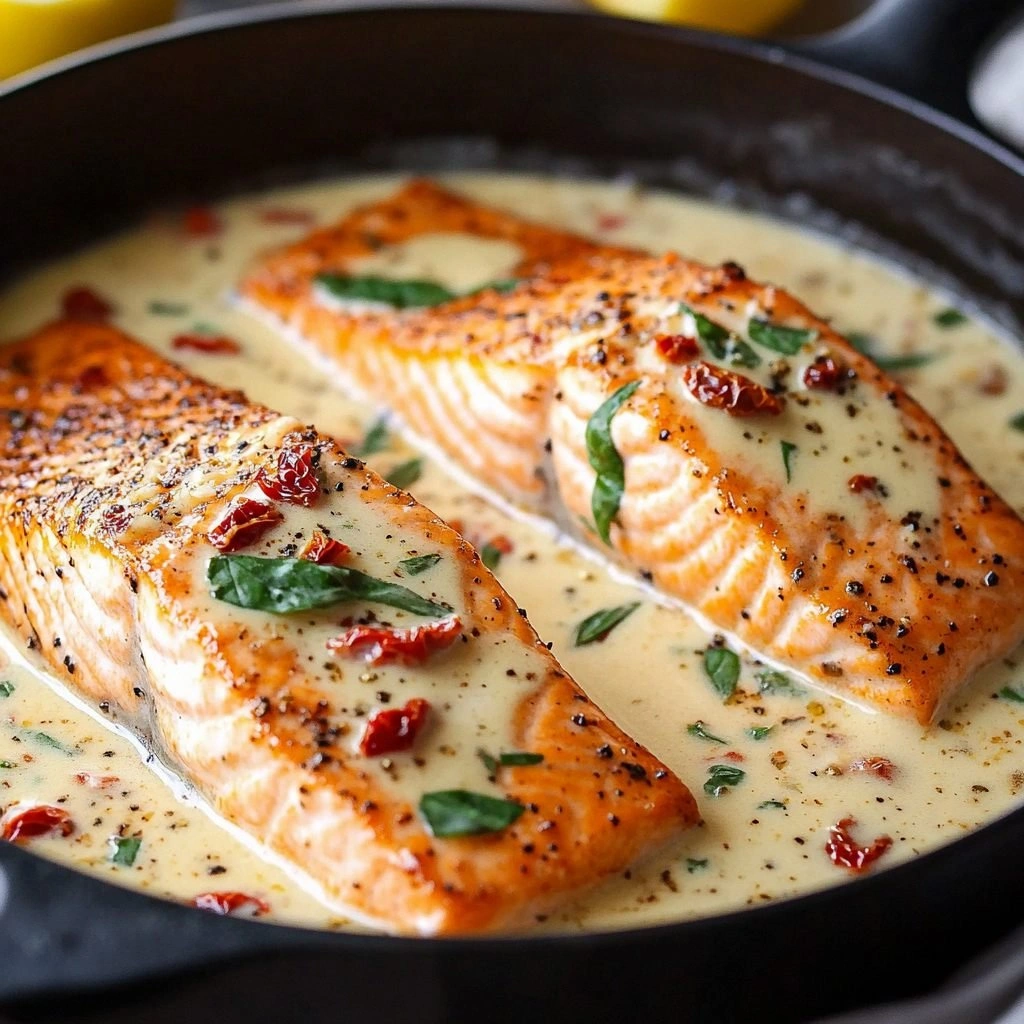
- Step 6: Bake to perfection. Preheat your oven to 400°F (200°C). Transfer the skillet to the oven (or slide the fillets onto a baking sheet if your skillet isn’t oven‑safe). Bake for 8–10 minutes, or until the salmon flakes easily with a fork. The glaze will caramelize, forming a slightly sticky, shiny finish. Watch the edges—they should pull away from the skillet, signaling readiness.
- Step 7: Final glaze. Remove the skillet from the oven and brush the fillets again with the remaining glaze. This double glazing ensures a deep, caramelized coating. Let the fillets rest for a minute; this allows the juices to redistribute.
- Step 8: Garnish and serve. Sprinkle sliced scallions and toasted sesame seeds over the fillets. Squeeze a fresh lime wedge across the top for brightness. Plate the salmon on a warmed platter, ensuring the glaze stays glossy. Serve immediately, and watch as the aroma fills the room.
- Step 9: Plate with confidence. Arrange the salmon fillets with a side of steamed rice or a light salad. The rice will soak up the remaining glaze, while the salad provides a fresh counterpoint. This plate feels balanced, both in flavor and nutrition.
- Step 10: Enjoy the moment. Take a bite and let the flavors unfold. The sweet glaze, buttery texture, and citrus brightness should harmonize like a well‑orchestrated symphony. Remember to breathe in the aroma—this is the moment that makes cooking a celebration.
That’s it — you did it. But hold on, I've got a few more tricks that'll take this to another level. These insider tips will ensure every bite is flawless, even if you’re new to salmon or an experienced chef looking for that extra edge.
Insider Tricks for Flawless Results
The Temperature Rule Nobody Follows
Many cooks rely on a blanket rule of 400°F for all fish, but salmon reacts differently to heat. The key is to start high for the sear, then lower to finish. A quick sear at 425°F locks in juices, while a finish at 375°F allows the glaze to caramelize without burning. If you’re using a broiler, keep a close eye—just a minute or two can make all the difference.
Why Your Nose Knows Best
Before you flip the fillet, pause and sniff the surface. A fragrant, caramelized scent indicates the crust is ready. If it still smells raw, give it another minute. Your nose is a reliable guide, especially when you’re juggling multiple dishes.
The 5‑Minute Rest That Changes Everything
Letting the salmon rest for five minutes after baking allows the juices to redistribute. During this brief pause, the glaze sets, preventing it from sliding off when you plate. This simple step ensures every bite stays moist and flavorful.
Use a Thermometer for Precision
Invest in a digital instant‑read thermometer. Insert it into the thickest part of the fillet; once it reads 125°F, you’re golden. This guarantees the salmon is perfectly cooked without guessing or over‑cooking.
Keep the Pan Clean
Residual glaze can burn and create bitterness. After searing, wipe the pan clean with a paper towel before adding the next fillet. A clean surface ensures a crisp crust each time.
Make the Glaze Ahead
The glaze can be prepared up to 24 hours ahead and stored in the refrigerator. When you’re ready to cook, let it sit at room temperature for 15 minutes to bring out the flavors. This pre‑prep saves time on busy nights.
Creative Twists and Variations
This recipe is a playground. Here are some of my favorite ways to switch things up:
Smoky Chipotle Marry Me
Replace the lime juice with chipotle‑infused adobo sauce for a smoky, spicy kick. Add a pinch of cumin to deepen the earthiness. The result is a salmon that feels like a campfire dinner, complete with a smoky glaze that lingers on the tongue.
Asian Fusion with Miso
Swap half of the soy sauce for white miso paste. Add a splash of rice wine and a few drops of sesame oil. This variation gives the sauce a savory depth reminiscent of Japanese ramen, while keeping the sweet‑salty balance intact.
Herb‑Infused Citrus
Introduce a handful of fresh thyme or rosemary to the glaze. The herbaceous aroma pairs beautifully with the citrus, creating a Mediterranean twist. Serve with a side of grilled vegetables for a balanced plate.
Breakfast‑Style Salmon
Serve the salmon over a bed of fluffy scrambled eggs and toast. The glaze becomes a sauce that coats the eggs, while the eggs provide a creamy backdrop. This variation turns dinner into a brunch‑worthy dish.
Vegan Swap
Use firm tofu or tempeh instead of salmon. Marinate the protein in the same glaze, then bake until crisp. The tofu absorbs the sweet‑salty flavor, offering a plant‑based version that still delivers the same wow factor.
Sweet and Smoky Pineapple
Add diced fresh pineapple to the glaze for a tropical twist. The pineapple’s natural sweetness balances the soy sauce, while the heat from the ginger and garlic provides a subtle kick. This variation feels like a beach vacation on a plate.
Storing and Bringing It Back to Life
Fridge Storage
Store the cooked salmon in an airtight container in the refrigerator for up to 3 days. Keep the glaze separate in a small bowl; it will thicken as it cools. When reheating, add a splash of water to the glaze to re‑hydrate it before pouring over the salmon.
Freezer Friendly
For longer storage, wrap the salmon tightly in plastic wrap and place it in a freezer bag. Freeze for up to 2 months. Thaw overnight in the refrigerator before reheating. The texture remains tender, and the glaze can be refreshed with a quick simmer.
Best Reheating Method
Reheat the salmon in a skillet over low heat with a small splash of water or broth. Add the glaze and stir until it coats the fish. Finish with a quick sear to revive the crust. This method preserves moisture and restores the glossy finish.