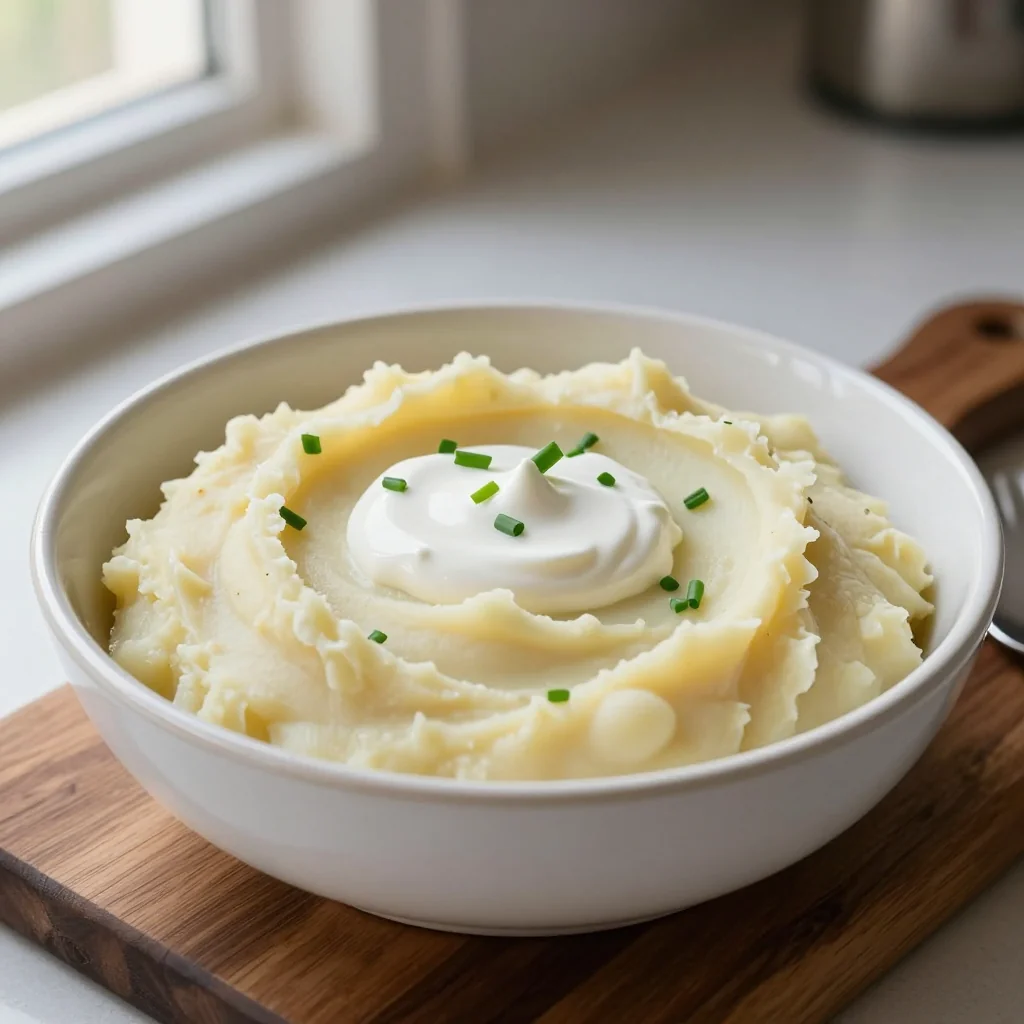
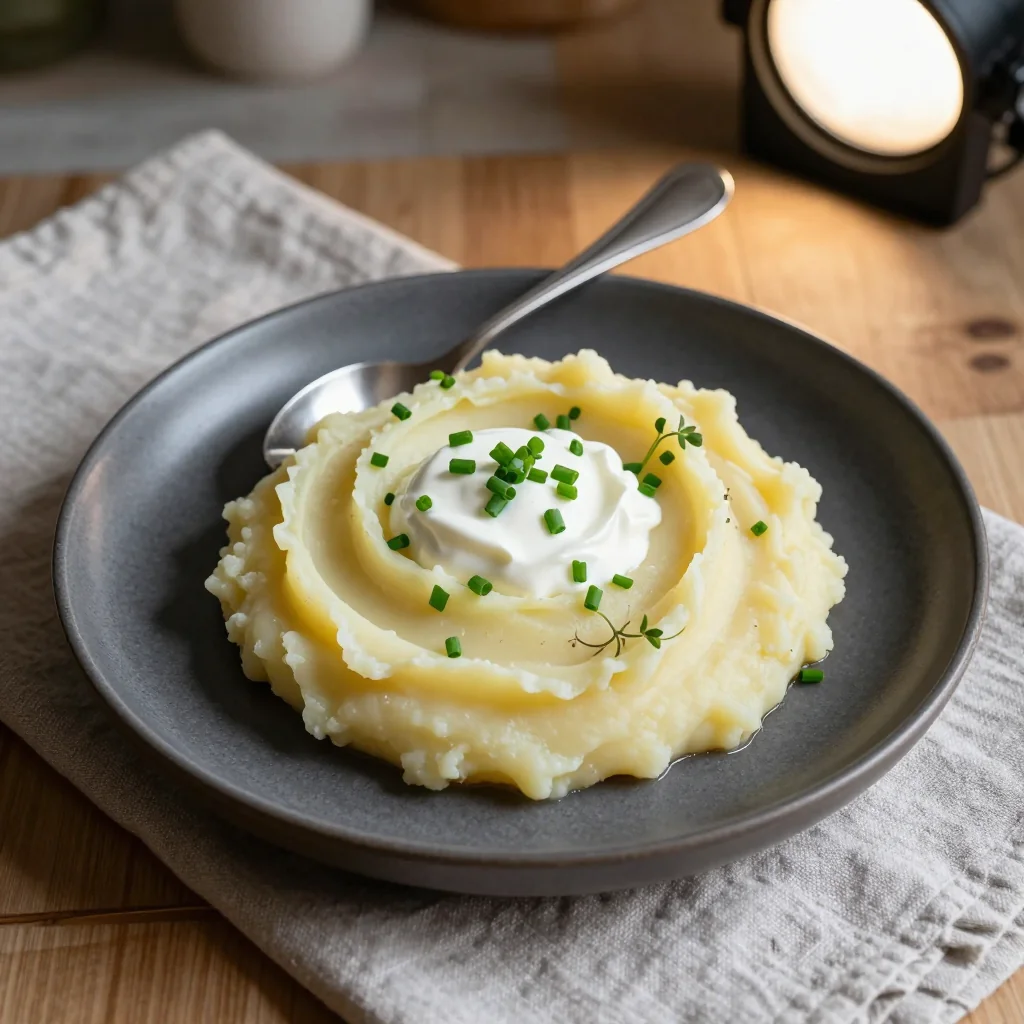
When I was a child, the smell of buttery potatoes simmering on the stove signaled the start of a family gathering. My grandmother would whisk in a dollop of sour cream, and the dish would transform from humble to heavenly in an instant. I still remember the first time I tasted her version – the creamy texture, the subtle tang, and the fresh burst of chives that made each bite feel like a warm hug.
Mashed potatoes are a cornerstone of many cuisines, but the French-inspired addition of sour cream and chives adds a luxurious depth while keeping the dish approachable. This recipe marries tradition with a modern twist, delivering a side that feels both familiar and elevated.
In this article, you’ll learn how to achieve perfectly smooth potatoes without overworking them, how to balance the tang of sour cream with the richness of butter, and why the final garnish of chives is essential for flavor and visual appeal. I’ll also share tips for scaling the recipe, storage tricks, and creative variations to keep things exciting.
Let’s dive in together and bring a touch of comfort and elegance to your next dinner table.
🌟 Why This Recipe Will Win Your Heart
Whether you’re cooking for a holiday feast or a simple weeknight, this mash delivers flavor, texture, and visual charm that impresses every palate.
- ✨ Ultra‑Creamy Texture: The combination of butter, milk, and sour cream creates a velvety mouthfeel that stays smooth even as it cools.
- ✨ Balanced Flavor Profile: A pinch of salt and pepper enhances the potatoes, while the tangy sour cream cuts through the richness for a harmonious bite.
- ✨ Fresh Herb Brightness: Fresh chives add a subtle oniony note and a pop of color that lifts the entire dish.
- ✨ Easy Scaling: The built‑in portion adjuster lets you double or halve the recipe without guessing measurements.
- ✨ Versatile Pairing: Works beautifully alongside roasted meats, grilled fish, or as a hearty vegetarian main when paired with a protein‑rich salad.
- ✨ Time‑Saving Technique: Using a potato ricer or food mill ensures a lump‑free mash in minutes, saving effort without sacrificing quality.
🥗 Ingredients
📝 Complete Ingredient List
For the mashed potatoes:
For the garnish:
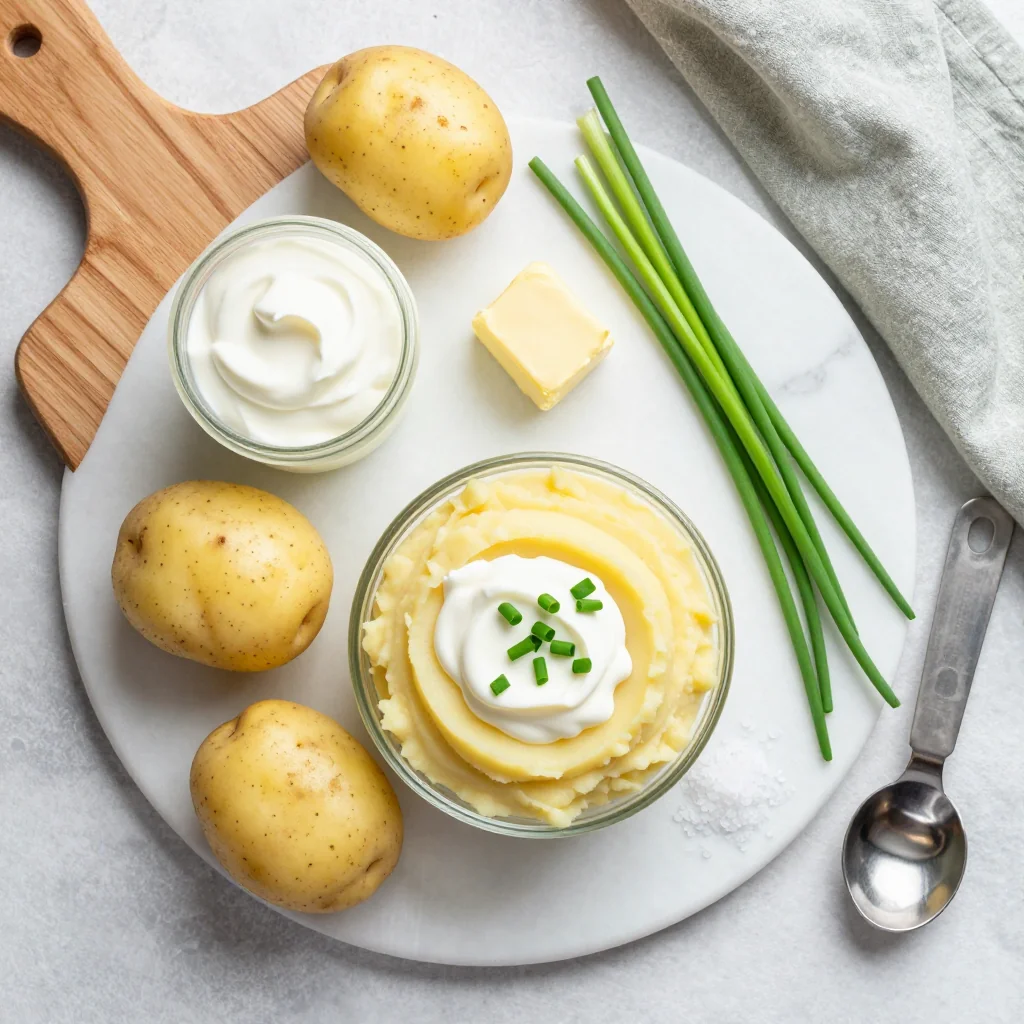
🔍 Focus on Key Ingredients
Yukon Gold Potatoes
Yukon Gold potatoes have a buttery flavor and a creamy texture that makes them ideal for mashing. Their medium starch content ensures the mash stays smooth without becoming gluey. When selecting, look for potatoes with a uniform golden skin and no green spots. For an even richer taste, you can also blend half Yukon Gold with Russet potatoes.
Full‑Fat Sour Cream
Sour cream adds a subtle tang that balances the richness of butter while keeping the mash light. Full‑fat varieties provide the best mouthfeel; low‑fat versions can become grainy. If you prefer a slightly sharper tang, let the sour cream sit at room temperature for 15 minutes before mixing.
Fresh Chives
Chives bring a gentle oniony aroma without overpowering the potatoes. Their bright green color also adds visual contrast. Cut them just before serving to preserve their fresh flavor and vibrant hue. For a deeper herb profile, consider mixing half chives with finely minced parsley.
🔄 Quick Substitutions
| If you don’t have... | Use instead... |
|---|---|
| Yukon Gold potatoes | Russet potatoes |
| Full‑fat sour cream | Greek yogurt (full‑fat) |
| Unsalted butter | Olive oil (for a lighter version) |
👨🍳 Step‑by‑Step Instructions
Follow these detailed steps to create a cloud‑like mash that holds its shape and bursts with flavor.
📋 Phase 1: Preparation & Mise en Place
Start by getting all ingredients measured, peeled, and ready to go.
Prep the potatoes
Peel the Yukon Gold potatoes and cut them into uniform 2‑cm cubes. Uniform pieces ensure even cooking, preventing some pieces from becoming mushy while others remain firm. Rinse the cubes under cold water to remove excess starch, then pat dry with a clean kitchen towel.
Warm the milk
In a small saucepan, gently heat the whole milk over low heat until it just begins to steam. Do not let it boil. Warm milk integrates more smoothly into the potatoes, preventing the mash from cooling down too quickly.
Measure butter and sour cream
Cube the unsalted butter and let it sit at room temperature for a few minutes. This will make it easier to incorporate later. Measure the sour cream and keep it chilled until the potatoes are ready.
🔥 Phase 2: Cooking & Assembly
Now we’ll cook the potatoes and blend everything into a silky mash.
Boil the potatoes
Place the cubed potatoes in a large pot and cover with cold water by 2‑3 cm. Add a pinch of salt. Bring to a gentle boil over medium‑high heat, then reduce to a simmer. Cook for 12‑15 minutes, or until a fork slides easily through the center.
Drain and dry
Once tender, drain the potatoes in a colander and return them to the hot pot. Allow them to sit for 1‑2 minutes, shaking the pot gently to let excess moisture evaporate. This step prevents a soggy final product.
Mash the potatoes
Using a potato ricer or food mill, pass the potatoes into a large mixing bowl. For a rustic texture, a masher works too, but avoid over‑mixing. The goal is a smooth base ready to absorb butter and dairy.
Incorporate butter, milk, and sour cream
While the potatoes are still hot, fold in the butter cubes first, allowing them to melt completely. Then gently stir in the warm milk, followed by the sour cream. Mix until the mash is glossy, creamy, and free of lumps. Season with sea salt and freshly ground black pepper.
✨ Phase 3: Finishing and Plating
Add the finishing touches that make this side unforgettable.
Check for seasoning
Taste the mash and adjust salt or pepper as needed. Remember that the sour cream already adds a slight tang, so a modest amount of salt often suffices.
Garnish
Transfer the mash to a serving bowl, create a shallow well in the center, and sprinkle the extra chopped chives and a pinch of coarse sea salt. The green specks create a beautiful contrast against the creamy base.
Serve immediately
Serve the mashed potatoes hot, alongside your favorite main course. They pair wonderfully with roasted chicken, grilled steak, or a hearty vegetable stew. If you need to hold them for a few minutes, keep the bowl covered with foil to retain heat.
💡 Expert Tips & Tricks
🛒 Choosing the Right Ingredients
When shopping for potatoes, prioritize Yukon Gold for their buttery flavor and smooth texture. Avoid green or sprouted potatoes, as they can impart a bitter taste. For the sour cream, select a full‑fat version; the higher fat content ensures a silkier mouthfeel and prevents the mash from becoming grainy. Fresh chives should be vibrant green with no yellowing; the brighter the color, the fresher the flavor.
🔪 Preparation Techniques
Cut potatoes into uniform cubes to guarantee even cooking. Rinse them briefly to remove excess starch, which can cause gummy mash. Using a potato ricer or food mill yields the smoothest texture with minimal effort. If you don’t have either, a fine‑mesh sieve combined with a wooden spoon works well.
🌡️ Mastering the Cooking Process
Start potatoes in cold water; this prevents the outer layers from overcooking while the interior remains firm. Keep the water just below a rolling boil to avoid breaking the potato cells, which can release excess starch. Warm the milk before adding it to the mash; this prevents the temperature shock that can make the mash seize.
🍽️ Presentation & Service
For a restaurant‑style look, pipe the mash into a shallow bowl using a large pastry bag fitted with a star tip. Finish with a drizzle of melted butter and a delicate sprinkle of chives. Serve on a warm plate to keep the mash at an ideal temperature throughout the meal.
🏆 Pro Tips
Elevate your mashed potatoes from good to gourmet with these professional insights.
- 🎯 Control Moisture Precisely: After draining, return the potatoes to the pot and let them sit off the heat for 2 minutes. This steam‑evaporation step reduces excess water, ensuring a denser, creamier mash.
- 🎯 Use a Double Boiler for Butter Integration: Melt butter gently over a double boiler before folding it in. This prevents the butter from separating and creates an emulsified, glossy texture.
- 🎯 Infuse Milk with Aromatics: Add a crushed garlic clove and a sprig of thyme to the milk as it warms. Strain before mixing; the subtle herbaceous note adds depth without overpowering the potatoes.
- 🎯 Finish with a Touch of Acid: A splash of freshly squeezed lemon juice (about ½ teaspoon) brightens the flavor and balances the richness of butter and sour cream.
- 🎯 Chill the Bowl Before Serving: Place the serving bowl in the fridge for 10 minutes, then fill with hot mash. The chilled surface helps maintain the mash’s temperature longer.
- 🎯 Create a Crunchy Topping: Toast breadcrumbs with a drizzle of melted butter and a pinch of paprika. Sprinkle over the garnish for a delightful contrast of textures.
"A great side dish can turn a simple meal into a celebration." — Thomas Keller
🔄 Variations & Adaptations
This mash is a versatile canvas. Below are several ways to tailor it to dietary needs or flavor cravings.
🥬 Vegetarian/Vegan Version
Replace butter with a plant‑based alternative such as vegan butter or olive oil, and swap full‑fat sour cream for a dairy‑free sour cream made from coconut or cashew. The texture remains creamy, while the flavor profile shifts slightly toward nuttiness.
- Use 60 g vegan butter instead of dairy butter.
- Replace 150 g sour cream with 150 g dairy‑free sour cream (coconut‑based works well).
🌶️ Flavor Variations
Explore global twists by adjusting herbs, spices, or additional ingredients.
Spicy Version:
Add ½ teaspoon of smoked paprika and a pinch of cayenne pepper to the mash. Finish with a drizzle of chili‑infused oil for an extra kick.
Mediterranean Version:
Stir in 2 tablespoons of crumbled feta cheese, 1 tablespoon of finely chopped sun‑dried tomatoes, and replace chives with fresh oregano. The salty feta complements the tang of sour cream beautifully.
Asian Version:
Replace sour cream with 2 tablespoons of miso paste and a splash of sesame oil. Garnish with thinly sliced scallions and toasted sesame seeds for an umami‑rich side.
⚠️ Dietary Adaptations
Gluten‑Free:
All ingredients are naturally gluten‑free. Ensure that any added toppings (e.g., breadcrumbs) are certified gluten‑free.
Lactose‑Free:
Use lactose‑free butter and a dairy‑free sour cream alternative. Lactose‑free milk works for the warm milk component.
Low‑Calorie:
Reduce butter to 30 g, substitute half the milk with low‑fat milk, and use Greek yogurt (non‑fat) instead of sour cream. This cuts calories while maintaining a creamy texture.
👶 Family/Kids Version
Kids often prefer milder flavors. Omit the black pepper and reduce the salt slightly. Add a pinch of grated Parmesan cheese for a cheesy twist that many children love.
📦 Storage & Reheating
🧊 Conservation
Refrigerator:
- Duration: 3 days
- Recommended container: airtight glass or BPA‑free plastic container
- Tip: Place a piece of parchment paper on top before sealing to prevent a skin from forming.
Freezer:
- Duration: 2 months
- Method: Portion into freezer‑safe bags, flatten, and label with date.
- Defrost: Transfer to refrigerator overnight or use the defrost setting on your microwave.
💡 For best texture, re‑heat only the portion you’ll serve; repeated heating can cause the mash to become watery.
♨️ Reheating
🔥 Oven (Recommended):
- Preheat to 180 °C (350 °F).
- Transfer mash to an oven‑safe dish, cover with foil.
- Heat for 15‑20 minutes, stirring halfway through.
- Remove foil, add a splash of milk if needed, and heat an additional 5 minutes to restore creaminess.
⚡ Microwave (Quick):
- Place mash in a microwave‑safe bowl, cover loosely.
- Heat on medium power for 2 minutes, stir.
- Continue heating in 30‑second bursts, stirring until hot.
🍳 Stovetop:
Reheat gently over low heat in a saucepan, adding a tablespoon of milk or broth and stirring continuously to prevent sticking.
🍷 Perfect Pairings
🥗 Side Dishes
- Roasted Garlic Green Beans: The crispness of green beans balances the creamy potatoes, while garlic echoes the subtle onion note of chives.
- Pan‑Seared Salmon with Lemon Butter: The richness of salmon pairs beautifully with the tangy mash, creating a harmonious mouthfeel.
- Herb‑Roasted Chicken Thighs: The savory depth of roasted chicken complements the buttery potatoes perfectly.
🍷 Wine & Beverage Pairings
- Chardonnay (oaked): Its buttery notes echo the mash while its acidity cuts through the richness.
- Pinot Noir: Light‑bodied red with soft tannins that won’t overwhelm the delicate flavors.
- Non‑Alcoholic: Sparkling apple cider provides a refreshing, slightly sweet counterpoint.
🍰 To Complete the Meal
Start with a light mixed‑green salad dressed in a lemon‑vinaigrette, follow the main course with a crisp apple crumble topped with a drizzle of caramel sauce, and finish with a cup of freshly brewed Earl Grey tea for a comforting finish.
❓ Frequently Asked Questions
Q: Can I use a different type of potato?
Yes, Russet potatoes work well if you prefer a fluffier mash, while red potatoes give a denser, creamier texture. Adjust the cooking time slightly if the potatoes are larger or smaller than the recommended 2‑cm cubes.
Q: How do I avoid a gummy mash?
Over‑mixing releases starch, leading to a gluey texture. Use a ricer or food mill and fold ingredients gently. Also, ensure the potatoes are drained well and the excess moisture evaporated before mashing.
Q: What if I don’t have sour cream?
You can substitute an equal amount of Greek yogurt (full‑fat) or crème fraîche. Both provide the necessary tang and creaminess. If you prefer a milder flavor, use plain yogurt mixed with a splash of lemon juice.
Q: Can I add cheese to the mash?
Absolutely! Adding ½ cup of grated Parmesan, Gruyère, or cheddar during step 7 creates a richer, more indulgent mash. Add cheese gradually to avoid over‑loading the texture.
Q: How far in advance can I prepare the mash?
You can fully prepare the mash up to 24 hours ahead, store it in the refrigerator, and gently reheat using the stovetop method with a splash of milk. The flavors actually meld together, making it taste even better.
Q: Is it possible to make this recipe dairy‑free?
Yes. Use plant‑based butter, dairy‑free sour cream (coconut or cashew‑based), and lactose‑free milk or oat milk. The texture remains creamy, though the flavor profile will shift slightly toward the chosen dairy alternatives.
🎉 Let’s Get Cooking!
This mashed potato recipe combines the comforting familiarity of a classic side with the bright, fresh lift of sour cream and chives. By mastering the technique of gentle cooking, precise seasoning, and thoughtful garnish, you’ll create a dish that shines at any gathering, from casual family dinners to festive holiday spreads. Remember, the secret lies in the balance of richness and tang, as well as the quality of your ingredients.
Give it a try, experiment with the suggested variations, and don’t be afraid to make it your own. I’d love to hear how your mash turned out—share your photos, ask questions, or leave a rating below. Your feedback helps the community grow and inspires new creations.
Have you tried this recipe?
Leave a comment and rating below! Share your photos on Instagram with #CreamyChiveMash to be featured on our site.
Mashed Potatoes with Sour Cream and Chives
Fluffy potatoes enriched with tangy sour cream and bright chives – a timeless comfort side.
📝 Ingredients
Mashed Potatoes
Garnish
👨🍳 Instructions
- 1 Peel and cube potatoes, then rinse and dry.
- 2 Boil potatoes in salted water until fork‑tender, about 12‑15 minutes.
- 3 Drain, return to pot, and let steam off for 2 minutes.
- 4 Rice or mash potatoes into a bowl.
- 5 Fold in butter, warm milk, and sour cream until smooth.
- 6 Season with salt and pepper, then stir in chopped chives.
- 7 Transfer to a serving dish, garnish with extra chives and a pinch of coarse salt.
- 8 Serve hot alongside your main course.
- 9 Optional: Add toasted breadcrumbs for crunch.
- 10 Enjoy and share with loved ones!
🥗 Nutritional Information (per serving)
*Values are approximate and based on standard ingredient brands.
📚 You Might Also Like
Garlic Roasted Potatoes
Creamy Spinach Gratin
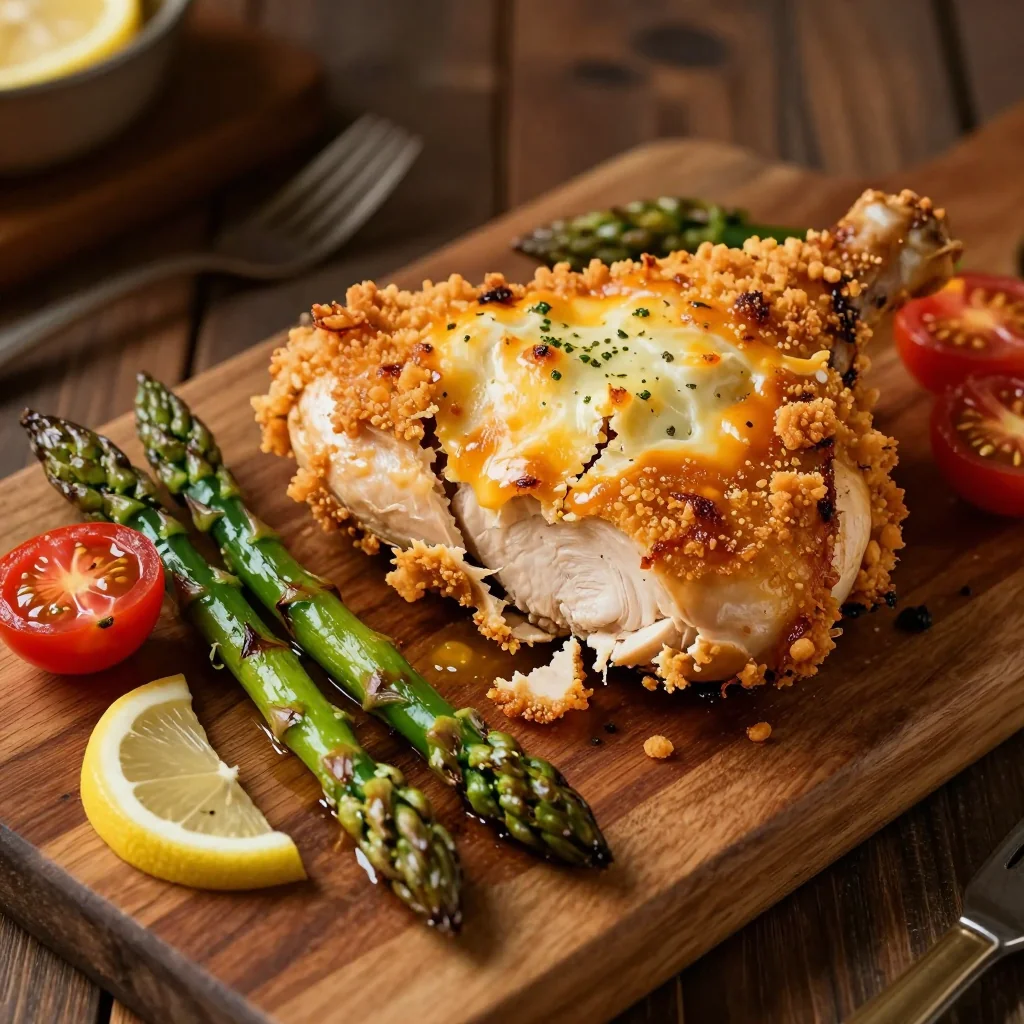
Herb‑Infused Roast Chicken






💬 Comments & Reviews
Leave a Comment
No comments yet. Be the first to share your thoughts!