Picture this: I was scrambling to salvage a half‑cooked pot of instant noodles, the timer ticking, and the kitchen smelling like burnt rice. My friend dared me to turn the disaster into a gourmet moment. I grabbed a handful of fresh egg noodles, a splash of soy, and a daring dash of sweet soy sauce. The result? A sizzling wok that sang with aroma and flavor. I knew right then that I had stumbled upon something special.
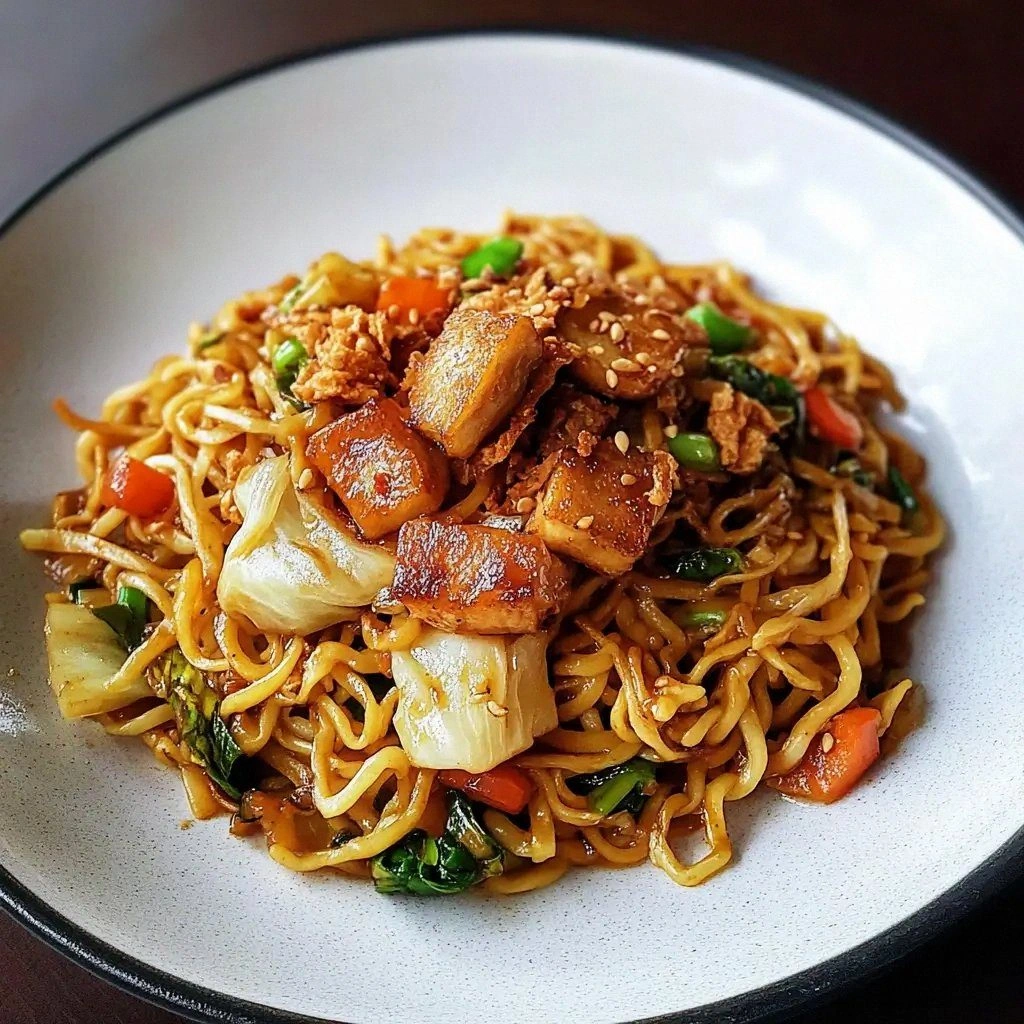
The first thing that hit me was the bright orange glow of the wok, the heat radiating like a summer day. As I tossed the garlic and shallot, their steam curled up, carrying hints of garlic and onion that made my eyes water. The noodles hit the pan with a satisfying sizzle, releasing a nutty aroma that mingled with the sweet soy sauce. Each bite delivered a harmonious blend of salty, sweet, and umami, with a subtle kick from chili paste. The texture was a dance of chewy noodles, crisp bean sprouts, and tender carrots, all wrapped in a glossy sauce that clung to every strand.
What sets this Mie Goreng apart is the meticulous layering of flavors, starting with a fragrant aromatics base that grounds the dish. I used a high‑quality sweet soy sauce that caramelizes just enough to give the sauce a velvety sheen. The addition of a splash of lime juice at the end brightens the dish, cutting through the richness like a fresh breeze. I also incorporated a quick stir‑fry of fresh bean sprouts and carrot julienne to add crunch and color. The result is a dish that feels both comforting and adventurous, a perfect balance that keeps you coming back for seconds.
But here’s the twist that most recipes overlook: a secret ingredient that turns the sauce into a silky glaze without the need for extra sugar or butter. I’ll show you exactly how to coax that glaze, how to keep the noodles from sticking, and how to finish the dish with a garnish that pops. I dare you to taste this and not go back for seconds. I promise, this is hands down the best version you’ll ever make at home. Let me walk you through every single step — by the end, you’ll wonder how you ever made it any other way.
What Makes This Version Stand Out
- Flavor Fusion: This recipe layers sweet, savory, and spicy elements for a complex taste profile. The combination of sweet soy sauce, chili paste, and lime creates a dynamic flavor that dances on your palate.
- Texture Contrast: Chewy noodles meet crisp veggies, creating a satisfying bite. The noodles stay firm while the vegetables provide a bright snap that balances the dish.
- Simplicity: Only 12 ingredients, most of which you probably already have. This makes it an ideal go‑to meal when time is short.
- Crowd‑Pleaser: It’s the kind of dish that impresses family and friends alike. The vibrant colors and bold flavors make it a showstopper at any gathering.
- Quick Prep: Prep takes 15 minutes, cooking 30, so you’re ready in 45. You can have a restaurant‑grade meal on the table in less than an hour.
- Make‑Ahead Friendly: You can cook ahead and reheat without losing flavor. The sauce holds up well, and the noodles can be refreshed with a quick stir.
- Nutritional Balance: Protein from eggs and noodles, vitamins from veggies, and healthy fats from oil. It’s a wholesome meal that satisfies both taste and nutrition.
Inside the Ingredient List
The Flavor Base
Garlic and shallot are the aromatic foundation that sets the tone for every bite. When they hit the hot oil, they release a fragrant steam that lingers in the air, preparing your palate for what’s to come. The sweet soy sauce provides a caramelized sweetness that balances the umami of the soy sauce, while the chili paste introduces a subtle heat that wakes up the senses. Shrimp paste, a staple in Indonesian cooking, offers a deep, savory depth that you’ll notice only after the first few bites.
Lime juice is the final brightening agent that cuts through the richness, giving the dish a fresh, citrusy lift. Salt and pepper are kept minimal to let the other flavors shine; they’re added to taste at the end, ensuring the seasoning stays balanced. Together, these ingredients form a symphony of sweet, salty, spicy, and citrusy notes that elevate the dish from ordinary to extraordinary.
The Texture Crew
Dry egg noodles are the star of the show, offering a chewy yet tender bite that holds up well to the sauce. Carrot julienne adds a subtle sweetness and a satisfying crunch that contrasts with the softer noodles. Bean sprouts contribute a bright green pop and a crisp snap, making each forkful lively and vibrant.
Eggs are lightly beaten and folded into the stir‑fry, creating soft curds that mingle with the aromatics. Spring onions and fresh coriander add a fresh, herbal brightness that cuts through the richness, while fried shallots provide a final crunch and a nutty aroma that lingers long after the first bite.
The Unexpected Star
Shrimp paste is often overlooked in Western kitchens, but it brings a depth of flavor that cannot be replicated by other seasonings. Its umami profile is intense, yet it balances beautifully with the sweetness of the sauce. If you’re new to shrimp paste, start with a small amount and taste as you go; it’s potent but rewarding.
The Final Flourish
Fried shallots are the finishing touch that gives the dish a textural contrast and a sweet, caramelized flavor. They’re sprinkled over the top just before serving, ensuring they remain crisp. The combination of fresh herbs and crunchy garnish transforms a simple stir‑fry into a multi‑sensory experience.
Everything's prepped? Good. Let's get into the real action.
The Method — Step by Step
- Heat the wok or large skillet over high heat until it shimmers like a calm lake. Add the vegetable oil and swirl it around to coat the surface evenly. Let the oil heat until it starts to smoke lightly, indicating it’s ready for the aromatics. This is the moment where the aroma will begin to build.
- Toss in the minced garlic and sliced shallot, stirring constantly to prevent burning. The garlic should turn a translucent amber before the shallot releases its sweet scent. Keep the heat high so that the aromatics caramelize quickly without becoming bitter. This step lays the flavor foundation for the dish.
- Add the fresh carrot julienne and bean sprouts, stirring for 30 seconds until they soften slightly but still retain a bright green crunch. The vegetables should not become mushy; they need to keep their vibrant color. This brief sauté gives the dish its signature snap and visual appeal. Be careful not to overcook, or you’ll lose the satisfying bite.
- Push the vegetables to one side of the pan, then pour in the beaten eggs. Scramble the eggs gently, letting them form soft curds that mix with the aromatics. Once the eggs are set, stir them in with the vegetables to create a uniform bed of protein. This gives the dish a silky texture that balances the noodles.
- Now it’s time to introduce the noodles. Break the dry egg noodles into smaller pieces and add them to the pan. Toss them with the vegetable and egg mixture, ensuring each strand is coated with the savory base. The noodles should sizzle as they hit the hot pan, releasing a nutty aroma. This is where the magic starts to happen.
- Pour in the sweet soy sauce and regular soy sauce, then drizzle the chili paste and shrimp paste over the top. Stir vigorously to distribute the sauces evenly, allowing the noodles to absorb the glossy glaze. The sauce should coat the noodles like a velvet coat, giving them a rich, caramelized sheen. Watch the color change from pale to deep amber as the sauce thickens.
- Add the lime juice and season with salt and pepper to taste. The acidity from the lime cuts through the sweetness, creating a balanced flavor profile that feels fresh and bright. Stir everything together until the sauce coats every noodle strand. This step is crucial for achieving that bright finish.
- Sprinkle the sliced spring onions, chopped coriander, and fried shallots over the top. Toss everything gently so the herbs and garnish distribute evenly. The fresh herbs add a pop of color and a fragrant finish, while the fried shallots bring a satisfying crunch. This final flourish turns a simple stir‑fry into a restaurant‑grade plate.
- Serve the Mie Goreng hot, accompanied by a wedge of lime for an extra zing if desired. The dish should be steaming, with noodles glistening in the sauce and herbs bright against the dark sauce. Enjoy the harmony of textures and flavors that dance on your palate. That’s it — you did it. But hold on, I've got a few more tricks that'll take this to another level.
Insider Tricks for Flawless Results
The Temperature Rule Nobody Follows
Many cooks underestimate the importance of wok temperature. Keeping the wok at a rolling heat ensures the noodles sear instantly, preventing them from becoming soggy. If the heat dips, the noodles absorb excess oil and steam instead of caramelizing. I always preheat the pan for a minute before adding oil to lock in that high temperature.
Why Your Nose Knows Best
Before you taste, let the dish rest for a minute. The aromas will intensify, giving you a better sense of flavor balance. A well‑seasoned dish will have a complex scent profile that signals it’s ready. If it still smells flat, add a splash of soy sauce or a pinch of sugar to lift it.
The 5‑Minute Rest That Changes Everything
After cooking, let the Mie Goreng sit covered for 5 minutes. This brief rest allows the sauce to thicken and the noodles to absorb the flavors fully. The result is a richer, more cohesive dish that feels like it was made in a professional kitchen.
Keep the Oil Hot
A hot pan is the secret to a crisp, caramelized sauce. If the oil cools, the noodles will steam and lose their desirable texture. Keep the heat high, but monitor the oil to avoid smoking.
Add a Splash of Water
If the sauce becomes too thick or the noodles clump together, add a splash of hot water. This will loosen the sauce and keep the noodles from sticking, while maintaining the dish’s integrity.
Use Fresh Noodles
Fresh noodles cook faster and hold their shape better than dried ones. If you have them on hand, use fresh egg noodles for an even more authentic experience. They also absorb sauces more evenly.
Creative Twists and Variations
This recipe is a playground. Here are some of my favorite ways to switch things up:
Chicken Mie Goreng
Swap the eggs for shredded cooked chicken or bite‑size chicken breast. The protein adds heartiness, and the chicken’s natural sweetness complements the sauce. It’s perfect for a family dinner that feels both comforting and exciting.
Shrimp Mie Goreng
Replace the shrimp paste with fresh shrimp or shrimp paste for a more pronounced seafood flavor. The shrimp’s briny bite pairs beautifully with the sweet and spicy sauce, creating a dish that feels like a seaside feast.
Vegetarian Mie Goreng
Omit the eggs and add tofu or tempeh for protein. Toss in extra vegetables like bell peppers and mushrooms for a colorful, nutrient‑dense plate. It’s a great way to keep the dish plant‑based while still delivering bold flavors.
Spicy Peanut Mie Goreng
Stir in a tablespoon of creamy peanut butter and a splash of coconut milk for a creamy, nutty twist. The peanut butter adds depth, while the coconut milk gives a subtle sweetness that balances the heat.
Breakfast Mie Goreng
Serve the dish with a fried egg on top, or use a small amount of scrambled eggs mixed in. The richness of the egg makes it a satisfying breakfast that’s both hearty and flavorful.
Keto Mie Goreng
Swap the noodles for shirataki noodles or zucchini noodles to keep it low‑carb. Keep the sauce simple, using only soy sauce and a touch of sweetener. This version keeps the flavor while fitting a keto lifestyle.
Storing and Bringing It Back to Life
Fridge Storage
Store the cooked Mie Goreng in an airtight container for up to 3 days. Keep the sauce separate if possible, then mix just before eating. This preserves the crunch and prevents the noodles from becoming soggy.
Freezer Friendly
Freeze the dish in a freezer‑safe container for up to 2 months. Reheat in a skillet with a splash of water or broth, stirring constantly until heated through. The noodles will retain their texture if you follow this method.
Best Reheating Method
Reheat on medium heat, adding a tiny splash of water to create steam. Stir frequently until the sauce is hot and the noodles are warmed through. This trick ensures the dish tastes as fresh as when it was first cooked.