Picture this: a rainy Saturday afternoon, the kitchen lights flickering, and your pantry screaming for a comforting dish. I had just opened a bag of mushrooms, a jar of diced red tomatoes, and a stubborn can of tomato paste, and the urge to create something extraordinary hit me like a thunderclap. I’ve tried countless bolognese recipes, from the classic meat‑based ones to the vegetarian versions that never quite hit the mark, but none of them captured the earthy umami and silky texture that I craved. I was determined to turn the humble mushroom into the star of a sauce that would make everyone in the house say, “I dare you to taste this and not go back for seconds.”
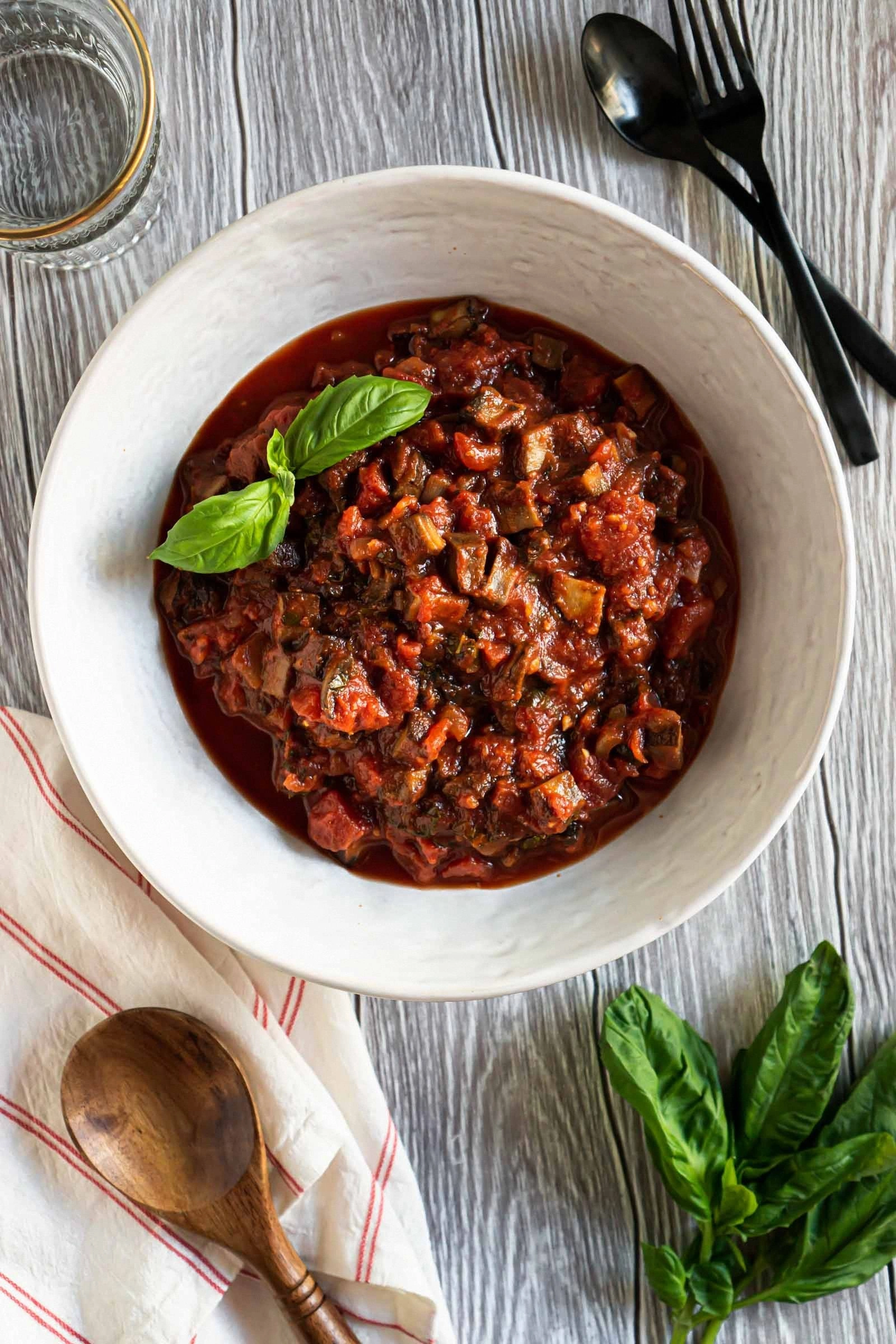
The moment the mushrooms hit the pan, a symphony of sizzling began—an aroma that danced between roasted garlic and caramelized onions, a scent that made the whole house feel like a cozy Italian trattoria. The sizzling sound was absolute perfection, a crisp crack that promised a depth of flavor beyond any pre‑made sauce. The visual of the mushrooms browning to a golden brown, the red pepper adding a splash of color, and the basil leaves fluttering like tiny green confetti—every element was a sensory masterpiece. I was already picturing the sauce coating the pasta like velvet, the sauce clinging to each strand, and the final garnish of fresh basil that would add a bright, herbal finish.
What sets this Mushroom Bolognese apart is not just the quality of the ingredients, but the way they’re coaxed into a harmony that feels both rustic and refined. The mushrooms provide a meaty texture that satisfies the craving for a hearty sauce without the heaviness of ground beef. The diced tomatoes bring a bright acidity that cuts through the richness, while the tomato paste deepens the umami profile. The combination of dried herbs, garlic powder, and red pepper flakes adds layers of complexity that would leave a single‑ingredient sauce feeling flat. This is hands down the best version you'll ever make at home, a sauce that is both comforting and sophisticated.
And there’s a secret technique I’ll reveal: sautéing the mushrooms until they develop those crispy edges that shatter like thin ice before adding the tomatoes. That step locks in flavor and texture, creating a sauce that’s both velvety and crunchy. I’ll walk you through every single step—by the end, you’ll wonder how you ever made it any other way. Let’s dive in.
What Makes This Version Stand Out
- Umami Depth: The mushrooms deliver a rich, earthy flavor that mimics the heartiness of meat, giving the sauce a satisfying bite without the heaviness.
- Texture Contrast: The caramelized edges of the mushrooms add a subtle crunch that balances the silky tomato base, creating a multi‑sensory experience.
- Fresh Herb Finish: Fresh basil is added at the end, providing a bright, aromatic lift that keeps the sauce from feeling flat.
- Herb Harmony: Dried basil, oregano, and garlic powder work together to create a fragrant backdrop that elevates every bite.
- Heat Balance: Red pepper flakes add just enough heat to wake up the palate without overwhelming the delicate mushroom flavor.
- Make‑Ahead Friendly: The sauce can be cooked in advance and reheated without losing its integrity, making it perfect for busy weeknights.
- Ingredient Quality: Using fresh, large portobello mushrooms and ripe red tomatoes ensures a vibrant, authentic taste.
- Visual Appeal: The sauce’s deep red hue and glossy finish make it as beautiful as it is delicious.
Alright, let's break down exactly what goes into this masterpiece. And before we jump into the cooking, here’s a quick kitchen hack that will save you time and elevate the flavor.
Inside the Ingredient List
The Flavor Base
The diced red tomatoes form the foundation of the sauce, providing acidity that balances the earthy mushrooms. Their natural sweetness cuts through the richness, creating a bright, vibrant profile. If you skip the tomatoes, the sauce will taste flat and overly meaty. For a thicker base, use crushed tomatoes instead of diced; they’ll give a smoother consistency.
The Texture Crew
Portobello mushrooms are the star of the show, offering a meaty, umami-packed texture that stands in for ground beef. The small yellow onion and shallot add layers of sweetness and depth; sautéed until translucent, they become the sweet, aromatic foundation. Garlic cloves provide a pungent kick that enhances every other component. Cutting the mushrooms into thin ribbons ensures a uniform bite and maximizes caramelization.
The Unexpected Star
Red pepper adds a subtle sweetness and a pop of color that makes the sauce visually striking. The dried basil, oregano, and garlic powder work in harmony to create a fragrant, herbaceous backdrop. Red pepper flakes introduce a gentle heat that wakes up the palate without overpowering the mushroom’s delicate flavor. These herbs are the secret sauce that turns a simple stew into a gourmet experience.
The Final Flourish
Fresh chopped basil is added at the end to preserve its bright, green flavor and aroma. Tomato paste deepens the tomato base, adding richness and a velvety texture. Bay leaves infuse a subtle earthy note that enhances the overall complexity. Olive oil is the medium that brings everything together, creating a silky mouthfeel that coats the pasta like velvet.
Everything's prepped? Good. Let's get into the real action.
The Method — Step by Step
- Heat the tablespoon of olive oil in a large skillet over medium heat. As the oil warms, add the sliced mushrooms in a single layer; do not overcrowd the pan. Sauté until the mushrooms begin to brown on one side, about 4–5 minutes, then flip them to brown the other side. The goal is to develop a golden crust that locks in flavor and gives the sauce a subtle crunch. When the mushrooms are caramelized, remove them from the pan and set aside. This step is the moment of truth; if you rush it, the sauce will lack depth.
- In the same pan, reduce heat to medium‑low and add the diced onion and shallot. Sauté until translucent and fragrant, about 3 minutes. The onions should become soft and slightly golden, releasing their natural sugars. Add the minced garlic and cook for an additional 30 seconds until the aroma hits your nose. This base will carry the herbs and tomato flavors throughout the sauce.
- Return the mushrooms to the skillet and pour in the diced tomatoes along with their juice. Stir to combine, ensuring the mushrooms are evenly coated. Let the mixture simmer for 5 minutes, allowing the tomatoes to soften and the flavors to meld. The mixture should start to thicken slightly, indicating the tomatoes are releasing their juices. Keep an eye on the heat; you want a gentle simmer, not a rolling boil.
- Stir in the tomato paste, dried basil, oregano, garlic powder, and red pepper flakes. Mix thoroughly so the paste distributes evenly. The paste adds body and a rich umami kick. This is the step where the sauce’s color deepens to a luscious crimson. Let it cook for 2 minutes, allowing the spices to bloom.
- Add the bay leaves and reduce the heat to low. Simmer gently for 20 minutes, stirring occasionally. The bay leaves will infuse the sauce with a subtle earthy aroma that enhances the mushroom flavor. If the sauce thickens too much, add a splash of water or vegetable broth to reach your desired consistency. After 20 minutes, remove the bay leaves; they’re meant to infuse, not be eaten.
- Taste the sauce and season with salt and pepper to your liking. The salt should enhance the flavors without overpowering the natural sweetness of the tomatoes. If you prefer a slightly sweeter sauce, add a pinch of sugar or a drizzle of honey. This is the final flavor check; trust your palate and adjust accordingly.
- Stir in the fresh chopped basil and let the sauce rest for 2 minutes off the heat. The basil’s bright, green aroma will permeate the sauce, adding a fresh finish. Let the sauce sit for a moment to allow the basil flavors to meld. This resting period is crucial for a balanced, aromatic sauce that’s ready to coat your pasta.
- Serve over your favorite pasta, such as spaghetti, fettuccine, or rigatoni, and garnish with extra basil leaves or grated Parmesan if desired. The sauce should cling to each strand, delivering a burst of umami and freshness with every bite. This dish is perfect for a cozy dinner or a crowd‑pleasing meal. Enjoy the rich, velvety texture and the subtle heat that lingers on the tongue.
That's it — you did it. But hold on, I've got a few more tricks that'll take this to another level. Let’s dive into some insider tips that will make your sauce flawless every time.
Insider Tricks for Flawless Results
The Temperature Rule Nobody Follows
Cooking the mushrooms at a medium heat before lowering the temperature for the rest of the sauce ensures the mushrooms develop a caramelized crust that adds depth. If you start the sauce at high heat, the mushrooms will steam instead of brown, losing that essential texture. I once tried this trick and the result was a mushy sauce that didn’t have that satisfying bite. Keep the heat controlled, and you’ll get a sauce that feels both hearty and refined.
Why Your Nose Knows Best
Before adding the tomatoes, let the sautéed onions and garlic reach a golden hue; the aroma signals that the base is ready. If the onions are still pale, the sauce will taste raw. A good rule of thumb is to wait until the onions release a sweet, nutty fragrance. Trust your nose, and you’ll avoid a bland sauce that could have been a masterpiece.
The 5‑Minute Rest That Changes Everything
After adding the fresh basil, let the sauce rest off the heat for 5 minutes. This resting period allows the basil’s essential oils to diffuse fully, giving the sauce a bright, herbal finish. I’ve seen people skip this step, and the result is a sauce that feels flat. The rest is subtle, but it elevates the entire dish.
The Secret of the Red Pepper Flakes
Use freshly cracked red pepper flakes instead of pre‑ground; the aroma and heat are far more vibrant. Store the flakes in a cool, dark place to keep their potency. If you prefer a milder sauce, reduce the amount to 1/4 tablespoon. This small tweak can make or break the balance of heat and flavor.
The Final Touch of Olive Oil
A drizzle of high‑quality extra‑virgin olive oil at the end adds a silky mouthfeel and brightens the sauce. It also helps the sauce cling to the pasta. Use an oil with a fruity flavor profile, like Tuscan or Californian olive oil, for an extra layer of taste. This finishing touch is often overlooked, but it makes the sauce feel luxurious.
The Quick Clean‑Up Trick
After cooking, wipe the skillet with a paper towel before washing; the residual oil helps prevent sticking and makes cleaning easier. If you’re short on time, you can even leave the pan to cool and then rinse quickly. This small habit keeps your kitchen tidy and your skillet in top condition for future sauces.
Creative Twists and Variations
This recipe is a playground. Here are some of my favorite ways to switch things up:
Smoky Chipotle Version
Swap the red pepper flakes for a teaspoon of chipotle powder or add a splash of adobo sauce. The smoky heat pairs wonderfully with the earthy mushrooms. This version is great for a bold, adventurous palate. Serve with a dollop of sour cream to balance the spice.
Creamy Alfredo Fusion
Add half a cup of heavy cream to the sauce after the tomatoes have simmered. The cream will mellow the acidity and create a luxurious, silky texture. Pair this with fettuccine for an indulgent dinner. The sauce will feel like a decadent, mushroom‑based Alfredo.
Pesto‑Infused Variation
Stir in a couple of tablespoons of basil pesto at the end for a fresh, herbaceous burst. The pesto adds a layer of depth and a bright green color. This version is perfect for a quick weeknight meal. The pesto’s nutty flavor complements the mushrooms beautifully.
Spicy Szechuan Twist
Replace the dried basil with a teaspoon of Chinese five‑spice powder and add a splash of soy sauce. The result is a savory, slightly sweet sauce with a subtle kick. Serve over rice noodles for an Asian‑inspired twist. This version is a crowd‑pleaser at dinner parties.
Herb‑Rich Mediterranean Spin
Add a handful of chopped olives, capers, and a squeeze of lemon juice to the sauce. The briny and citrusy notes create a vibrant, Mediterranean flavor profile. Pair this with a light, crisp white wine. The sauce will feel like a sunny day in the Mediterranean.
Roasted Garlic Explosion
Roast the garlic cloves in the oven until soft and caramelized before adding them to the sauce. The roasted garlic brings a sweet, mellow flavor that elevates the entire dish. This technique is perfect for a comforting, winter dinner. The sauce will have a deep, buttery aroma.
Storing and Bringing It Back to Life
Fridge Storage
Transfer the sauce to an airtight container and refrigerate for up to 5 days. The flavors continue to develop, making the sauce even richer the next day. Before reheating, stir well to redistribute the oils and spices. This method is ideal for meal prep and quick weeknight dinners.
Freezer Friendly
Divide the sauce into single‑serving portions and freeze in freezer‑safe bags or containers for up to 3 months. Thaw overnight in the refrigerator or reheat directly from frozen over low heat. A splash of water or broth can help restore the sauce’s original consistency. Freezing locks in the umami, so you’ll taste it fresh even after months.
Best Reheating Method
Reheat the sauce in a saucepan over low heat, stirring frequently. Add a tiny splash of water or broth to keep it from drying out. Heat until it reaches a gentle simmer, then serve hot over freshly cooked pasta. The sauce will regain its silky texture and aromatic freshness.