When the kitchen was a chaotic furnace and my friend had ordered a Puerto Rican dinner I had no idea how to deliver, I stared at the ingredients list and felt a spark of daring. I pressed the stove to medium-high, letting the oil shimmer like a tiny sea, and decided to take a wild gamble. That night, a pot of sizzling onions and garlic turned a pantry of leftovers into the most comforting beef stew I’d ever tasted. The moment the pot hissed, I knew I had stumbled upon something special. I couldn't wait to share the secret with anyone who loves a good story and a great meal.
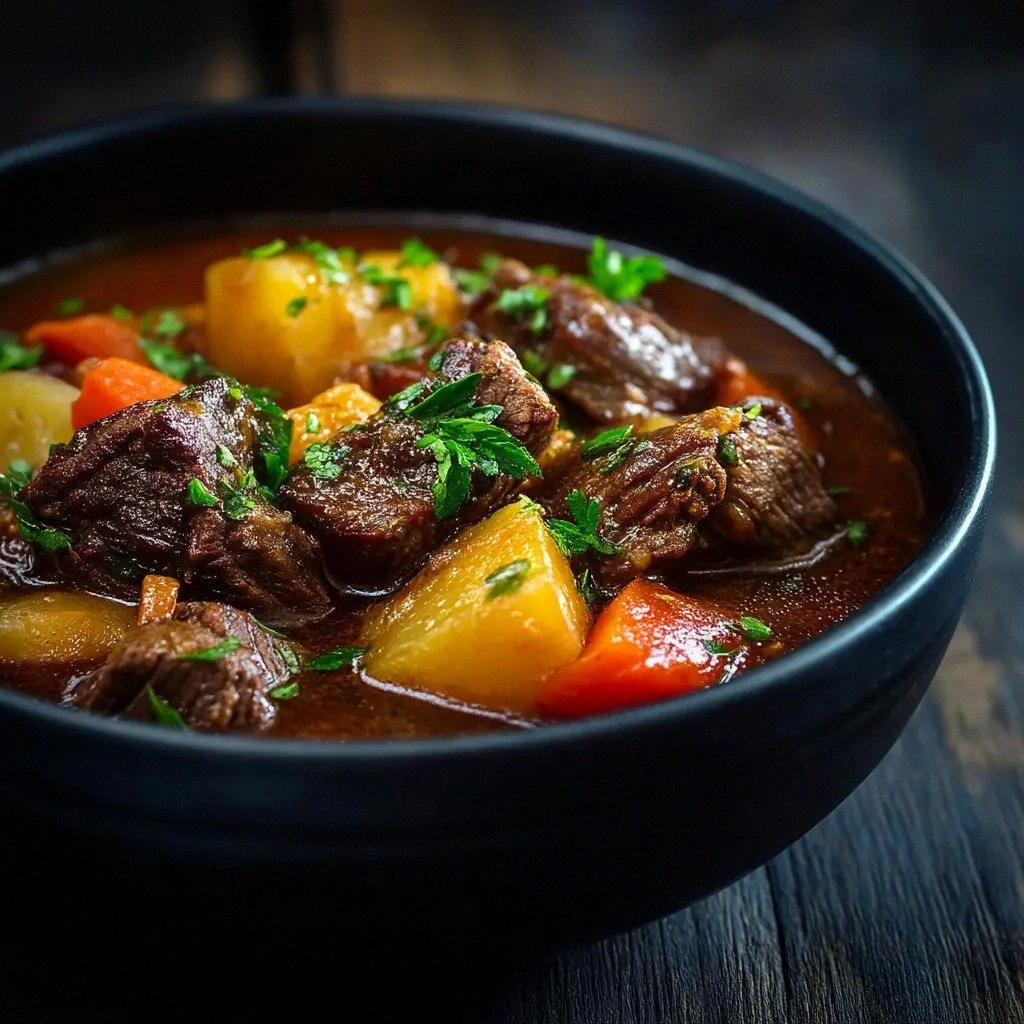
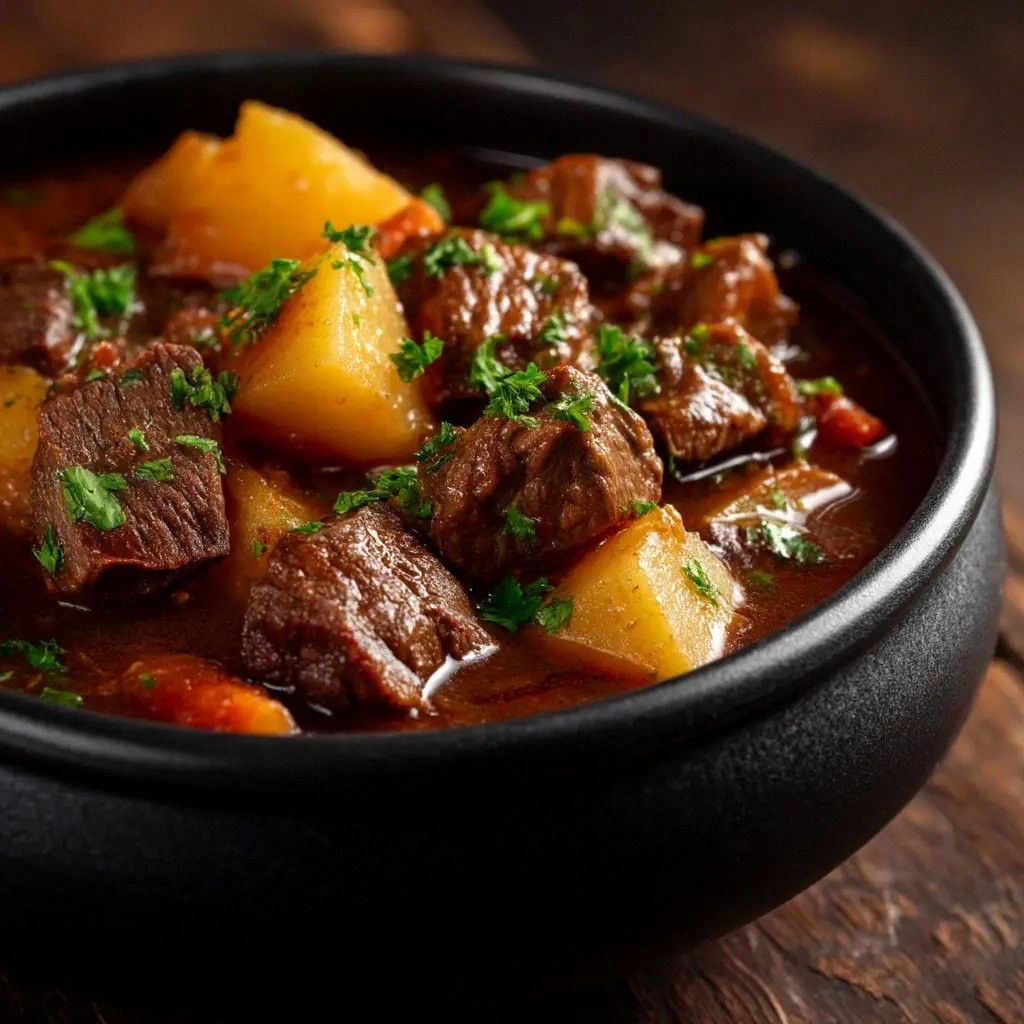
The aroma of caramelized onions and garlic filled the air, a heady mix of sweet and earthy spice that made my mouth water. My eyes followed the liquid as it thickened from clear broth to a velvety red sauce that clung to the meat. I could hear the gentle crackle of the simmering pot, a sound that promised comfort. The texture of tender beef, the bite of carrots, and the burst of olives created a symphony in every spoonful. I felt the heat of the kitchen, the weight of the pot, and the anticipation of the first bite.
What sets this version apart is the way it balances bold, smoky flavors with a subtle sweetness that lingers on the palate. The use of Sazón con Culantro y Achiote gives a depth that most quick stews lack, while the fresh cilantro brightens the dish with a citrusy lift. I discovered that adding a half cup of sofrito early on infuses the stew with a complex, aromatic base that turns ordinary beef into a gourmet experience. The combination of bay leaf, oregano, and a splash of tomato sauce creates layers that unfold with each bite. This is hands down the best version you'll ever make at home.
I dare you to taste this and not go back for seconds; the moment you realize how the olives pop against the tender meat, you'll know you’ve reached a new level of comfort food. The trick I use is to sear the beef until it develops a caramelized crust before adding the liquid; this step locks in flavor and gives the stew a luxurious mouthfeel. The result is a sauce that coats the vegetables like velvet, while the potatoes absorb every nuance of the broth. I confess, I ate half the batch before anyone else got to try it, and I still crave more.
Picture yourself pulling this out of the pot, the whole kitchen smelling incredible, and a steaming bowl waiting to be shared with friends and family. The next time you hear the word “beef stew,” imagine a dish that feels like a hug in a bowl. Stay with me here—this is worth it. Let me walk you through every single step, and by the end, you'll wonder how you ever made it any other way.
What Makes This Version Stand Out
- Flavor Depth: The blend of adobo seasoning and Sazón con Culantro y Achiote creates a smoky, umami-rich base that sets the stew apart from bland alternatives. This combination gives a signature Puerto Rican twist that feels authentic and satisfying. The spices mingle with the beef, producing a depth that lingers long after the last bite.
- Texture Contrast: The slow sear caramelizes the beef, giving it a firm exterior that contrasts with the melt-in-your-mouth interior. Carrots and potatoes add a hearty bite that balances the richness of the sauce. The result is a stew that satisfies both the palate and the soul.
- Convenience: All the ingredients are pantry staples, so you can whip up this stew on a rainy afternoon without a last-minute grocery run. The recipe takes only 45 minutes from start to finish, making it a quick yet indulgent dinner option. You’ll love the simplicity of the preparation.
- Versatility: Swap the beef for pork or chicken for a lighter version, or add a splash of red wine for depth. The stew holds its shape even after freezing, making it perfect for meal prep. The flexibility keeps the dish fresh and exciting.
- Nutritional Balance: Packed with protein, fiber, and vitamins from the vegetables, it’s a wholesome dinner that satisfies. The olive oil adds healthy monounsaturated fats that help you feel full. You’ll be nourished without compromising flavor.
- Crowd Appeal: Friends rave about the bold flavors, and family members keep asking for seconds. I’ve hosted potlucks where this stew stole the show, becoming the star of the table. The dish invites conversation and shared enjoyment.
- Make‑Ahead Potential: The flavors intensify after a day in the fridge, turning this into a true “set it and forget it” dish. Reheating is simple—just add a splash of broth to keep it moist. The result is a dish that tastes even better the next day.
Inside the Ingredient List
The Flavor Base
The 1 tablespoon of adobo seasoning is the first whisper of flavor, delivering a smoky, peppery kick that underpins the entire stew. Adding the packet of Sazón con Culantro y Achiote introduces a complex herbaceous note that is quintessentially Puerto Rican, giving the dish its signature aroma. The 8 ounces of tomato sauce adds acidity and body, allowing the spices to shine without overpowering the beef. If you skip the adobo, the stew will taste flat and lack depth; the Sazón will still provide some character, but the overall profile will be muted. For an extra layer of umami, a splash of soy sauce or Worcestershire can be incorporated, though it will slightly alter the traditional flavor.
The Texture Crew
The 1.5 pounds of Yukon Gold potatoes bring a creamy interior when cooked to tenderness, creating a comforting base that absorbs the savory broth. The 3 large carrots add sweetness and a subtle crunch that balances the richness of the meat. The 1/2 cup of pimento-stuffed green olives introduce a salty, briny burst that cuts through the heaviness of the stew, offering a bright contrast. Skipping the potatoes will leave the stew more liquid; the carrots can be doubled if you prefer a sweeter profile. Choosing potatoes with a higher starch content, like russets, will result in a thicker sauce.
The Unexpected Star
The 1/2 cup of sofrito is the aromatic foundation that carries the stew’s flavors; it’s a blend of onions, peppers, garlic, and herbs that has been a staple in Latin American kitchens for centuries. Sofrito adds a depth that no single spice can match, infusing the broth with a complex, earthy sweetness. If you cannot find sofrito, a homemade blend of sautéed onions, bell peppers, and garlic will suffice, though the flavor may be slightly lighter. The absence of sofrito will reduce the stew’s richness; the dish will still be good but lack the signature depth.
The Final Flourish
The fresh cilantro, chopped at the end, provides a bright, citrusy lift that brightens the dish and adds a fresh finish. The 1 bay leaf and 1 teaspoon of dried oregano provide subtle herbal undertones that complement the other seasonings. Salt and freshly ground black pepper finish the seasoning, balancing all the flavors to perfection. If you prefer a milder dish, reduce the amount of oregano and salt; for a more robust profile, increase the pepper. The final sprinkle of cilantro is essential; it brings a fresh contrast that keeps the stew from feeling too heavy.
Everything’s prepped? Good. Let’s get into the real action.
The Method — Step by Step
- Start by heating a large Dutch oven over medium‑high heat. Add the olive oil and let it shimmer before adding the beef chuck. Sear each side until a deep brown crust forms, locking in flavor. Be careful not to overcrowd the pan; you may need to do it in batches.
- Remove the browned beef and set it aside. In the same pot, reduce the heat to medium and add the diced onion. Sauté until the onion turns translucent and begins to caramelize, about 5 minutes. Add the minced garlic and cook until fragrant, about 30 seconds. This step builds the aromatic foundation that will carry the stew.
- Stir in the sofrito and tomato sauce, letting the mixture simmer for a minute to meld the flavors. Sprinkle the adobo seasoning and the packet of Sazón con Culantro y Achiote. Stir until the spices are fully incorporated and the sauce thickens slightly. This blend brings a smoky, herbaceous depth that is quintessentially Puerto Rican.
- Return the beef to the pot, spooning some of the sauce over the meat to coat it evenly. Add the dried oregano, bay leaf, and beef broth. Bring the mixture to a gentle boil, then reduce the heat to low and cover. Let it simmer for 1 hour, or until the beef is fork‑tender. The slow cooking allows the flavors to marry and the meat to break down.
- While the stew simmers, prepare the vegetables. Peel and dice the Yukon Gold potatoes into bite‑sized cubes. Slice the carrots into thick rounds. This preparation ensures they cook evenly and absorb the broth.
- After the first hour, add the potatoes and carrots to the pot. Stir gently to combine, ensuring the vegetables are submerged in the sauce. Cover and continue simmering for another 30 minutes, or until the vegetables are tender. The potatoes become creamy, while the carrots add a subtle sweetness.
- Now it's time to add the olives and fresh cilantro. Gently fold in the pimento‑stuffed green olives, letting their briny flavor mingle with the stew. Sprinkle the chopped cilantro over the top, which adds a bright, citrusy note. This step is crucial for the final burst of freshness.
- Taste the stew and season with salt and freshly ground black pepper to your liking. If the sauce feels too thick, add a splash of beef broth or water to reach your desired consistency. Let the stew rest for 10 minutes before serving; this allows the flavors to settle.
- Serve the stew hot, ladled over a bed of fluffy white rice or mashed potatoes, if you prefer. Garnish with extra cilantro or a squeeze of lime for an extra zing. The contrast of the creamy broth with the crisp herbs is simply irresistible.
- Enjoy your Puerto Rican Beef Stew with a side of warm bread or a fresh salad. The dish pairs beautifully with a chilled glass of white wine or a light beer. This final step completes the culinary journey and leaves you satisfied.
That's it — you did it. But hold on, I've got a few more tricks that'll take this to another level.
Insider Tricks for Flawless Results
The Temperature Rule Nobody Follows
Many cooks start simmering at high heat, but this can cause the beef to toughen. Keep the simmer gentle, around 200°F, to allow the connective tissue to break down slowly. This method ensures a tender, melt‑in‑your‑mouth texture that feels like a hug. I’ve tried higher temps, and the result was a chewy, disappointing stew.
Why Your Nose Knows Best
The aroma of a stew is a reliable indicator of progress. When the broth smells caramelized and slightly sweet, it’s time to add the potatoes. If the scent is sharp or raw, give it a few more minutes. Your nose will guide you to the perfect simmer.
The 5‑Minute Rest That Changes Everything
After you finish cooking, let the stew rest for at least five minutes before serving. This pause allows the flavors to meld and the sauce to thicken slightly, creating a richer mouthfeel. Skipping this rest can leave the stew feeling rushed and underdeveloped.
Layering the Spices
Instead of adding all spices at once, sprinkle them in stages: first the adobo, then the Sazón, and finally the oregano and bay leaf. This layering technique builds complexity and prevents any single flavor from overpowering the others. It’s a small tweak that makes a huge difference.
Choosing the Right Cut of Beef
Beef chuck is the best choice for this stew because of its marbling, which keeps the meat juicy during long simmering. If you prefer a leaner option, use sirloin, but be prepared to add a bit of extra fat or broth to compensate. The cut you choose will dictate the final texture and richness.
Mind the Liquid Ratio
Too much liquid can dilute the flavors, while too little can scorch the bottom. Aim for a 1:1 ratio of beef to broth by volume. If you find the stew too thick, add a splash of water or broth; if too thin, let it reduce uncovered for a few minutes.
Creative Twists and Variations
Pork Guisada
Swap the beef chuck for pork shoulder for a slightly sweeter, richer stew. The pork’s higher fat content adds depth, while the same spice blend keeps the dish authentic. Serve it with rice and black beans for a hearty meal.
Vegetarian Version
Replace the beef with hearty mushrooms and add a cup of vegetable broth. The mushrooms provide a meaty texture, and the broth keeps the stew moist. Sprinkle with nutritional yeast for an extra protein boost.
Spicy Kick
Introduce fresh red chilies or a pinch of cayenne pepper during the sauté stage. The heat will contrast with the sweet olives, creating a dynamic flavor profile. This variation is perfect for those who love a fiery bite.
Mild Comfort
Reduce the adobo seasoning to half and omit the Sazón for a milder taste. The stew remains comforting but less intense, suitable for those who prefer subtle flavors. Pair it with a light salad to balance the richness.
Coconut Cream Finish
Stir in a quarter cup of coconut milk after the potatoes are cooked. The creaminess adds tropical warmth and balances the acidity of the tomato sauce. It also gives the stew a silky texture.
Cheese Lover's Twist
Top the finished stew with shredded cheddar or queso fresco before serving. The cheese melts into the hot broth, creating a gooey, savory topping that enhances the overall experience. This addition is a crowd‑pleaser for families.
Storing and Bringing It Back to Life
Fridge Storage
Transfer the stew to an airtight container and refrigerate for up to 4 days. The flavors will deepen, making it even more delicious the next day. Keep the container on a shelf, not the door, to maintain a consistent temperature.
Freezer Friendly
Cool the stew completely before placing it in a freezer‑safe container. It will keep for up to 3 months without losing quality. Label with the date to track freshness.
Best Reheating Method
Reheat on the stove over low heat, adding a splash of broth or water to loosen the sauce. Stir frequently to prevent sticking. A quick microwave reheat works, but the stove preserves the stew’s texture.