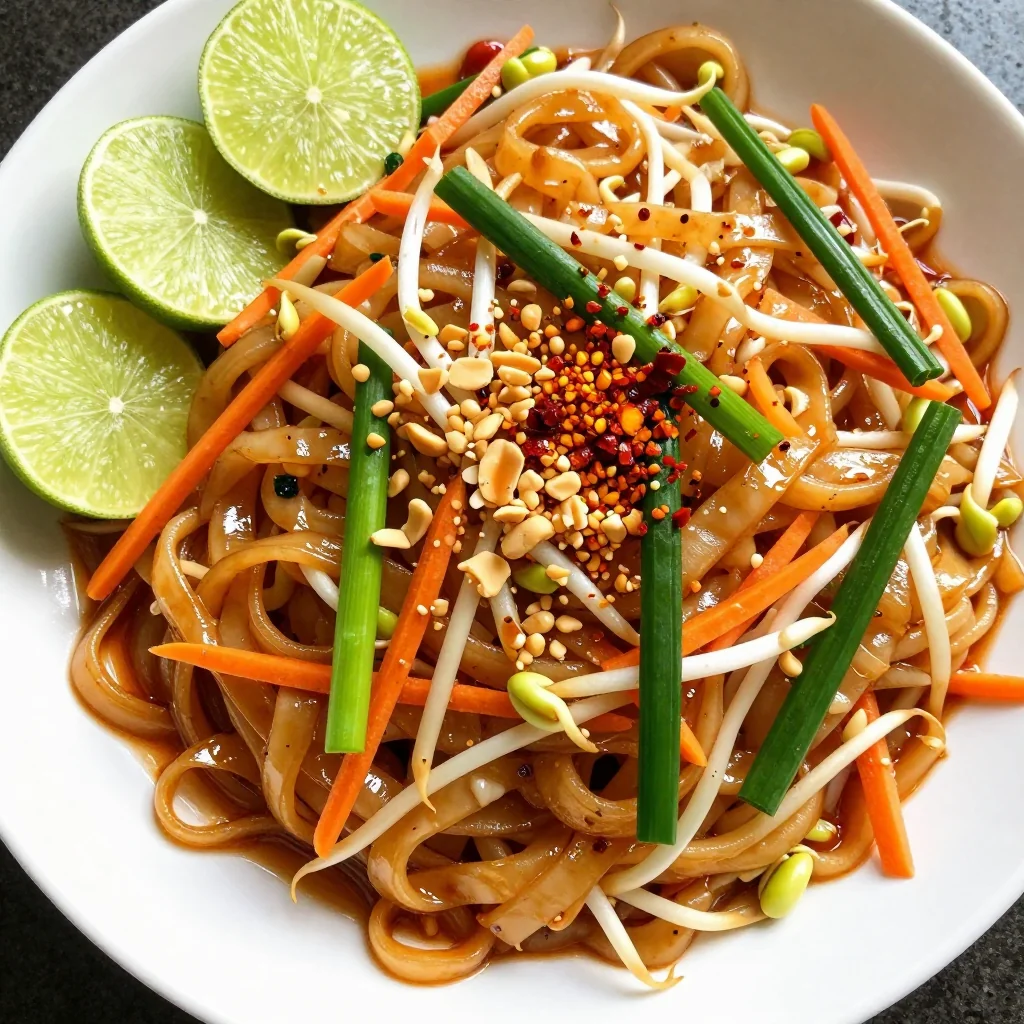
Love this? Pin it for later! 📌
My first trip to Bangkok was a revelation in a cardboard box. I’d chased the real pad Thai through humid alleyways, convinced the best version would be served on a plastic stool under flickering neon. Then I watched a vendor toss rice noodles with nothing more than a wok, a spoon, and a confidence that comes from 10 000 repeats. One bite—smoky, tangy, just sweet enough—and I realized the secret isn’t a 20-ingredient sauce or a restaurant-only burner. It’s knowing when to stop stirring, when to add the tamarind, and how to let the vegetables sing instead of wilt. Back home in my tiny Chicago kitchen, I spent months reverse-engineering that moment. The result is this lightning-fast, week-night-friendly veggie pad Thai that lands on the table in 22 minutes flat, costs a fraction of take-out, and (dare I say) tastes brighter, fresher, and more alive than the Styrofoam-box original. Make it once and you’ll understand why my neighbors hover by the hallway vent, and why my teenager now asks for “home Thai” instead of delivery.
Why This Recipe Works
- One pan, one spoon: No colander, no soaking noodles for hours—everything cooks in sequence in the same carbon-steel wok or 12-inch skillet.
- Shake-and-pour sauce: Whisk five staples while the oil heats; the balance of tamarind, lime, and coconut sugar tastes straight from Bangkok.
- Vegetables with crunch: Quick-flash carrots and bell pepper keep their snap, while bean sprouts stay cool and crisp for textural contrast.
- Protein optional: Pan-fried tofu cubes or shelled edamame fold in seamlessly, but the dish is deeply satisfying without either.
- Restaurant-level char: Letting the noodles sit untouched for 45 seconds creates those coveted smoky speckles—no commercial burner required.
- Meal-prep hero: Sauce keeps 5 days refrigerated; pre-chopped veg + cooked noodles reheat to just-made perfection in 90 seconds.
Ingredients You'll Need
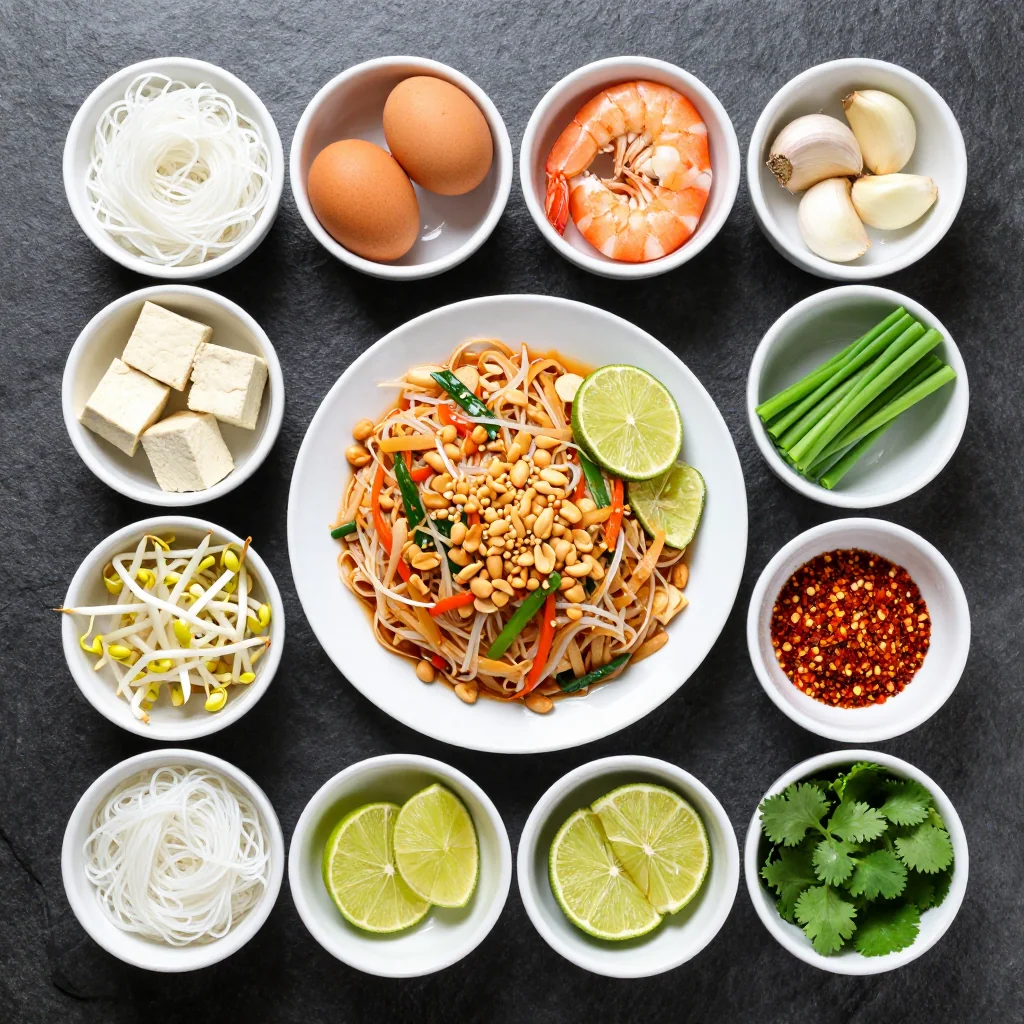
Great pad Thai starts with the noodles. Look for ¼-inch-wide rice sticks (often labeled “pad Thai” or “banh pho”) in the Asian aisle; avoid ultra-thin vermicelli that dissolve into mush. Quality varies—premium Thai brands (Aroy-D, Dragon) contain only rice and water, cook evenly, and resist clumping. If you’re gluten-free, double-check the label; some cheaper varieties add tapioca starch which is fine, but barley is not.
Tamarind concentrate is the soul of the sauce. Purchase a jar marked “pure tamarind” rather than the sweetened concentrate used for drinks. If you can only find a solid block, soak 2 Tbsp in ¼ cup hot water, mash, then strain. No tamarind? Whisk 1 Tbsp each lime juice and molasses for an emergency substitute, but the haunting fruity tang will be muted.
Coconut sugar gives caramel depth and keeps the sauce vegan. Palm sugar works identically; in a pinch sub light brown sugar, but reduce by 1 tsp since it’s sweeter.
Fish sauce is traditional; for a vegetarian version swap mushroom-based “vegan fish sauce” or 1½ Tbsp soy sauce plus ½ tsp miso for umami.
Lime must be fresh. Bottled juice tastes flat against the warm backdrop of tamarind.
Vegetables should feel heavy for their size: a bell pepper that gleams like lacquer, carrots with no white “sunburn,” bean sprouts that snap, not bend. Buy them the day you cook for peak sweetness.
Peanuts stay crunchier when you chop them just before serving. If allergies are a concern, toasted sunflower seeds give similar fat and snap.
Neutral oil with a high smoke point—rice bran, grapeseed, or refined peanut—lets flavors shine. Skip extra-virgin olive oil; it will burn and taste bitter.
How to Make Quick Veggie Pad Thai That's Better Than Takeout
Whisk the sauce
In a glass measuring cup combine 3 Tbsp tamarind concentrate, 3 Tbsp coconut sugar, 3 Tbsp fish sauce (or vegan substitute), 2 Tbsp lime juice, and 1 Tbsp water. Stir until the sugar dissolves; set near the stove. This can be done up to 5 days ahead; refrigerate and bring to room temp before cooking.
Cook the noodles
Bring a medium saucepan of water to a boil. Drop in 8 oz rice sticks and cook 1 minute less than package directions (usually 4–5 min). You want them pliable but still a touch firm. Drain, rinse under cold water for 5 seconds to halt cooking, and toss with 1 tsp oil to prevent sticking. Spread on a plate; set aside.
Sear the tofu (optional)
Heat 1 Tbsp oil in a 12-inch skillet or wok over medium-high until shimmering. Add 8 oz cubed extra-firm tofu in a single layer; cook 2 min without stirring. Shake the pan, then cook 1 min more until golden. Transfer to a bowl; sprinkle with a pinch of salt.
Aromatics & quick veg
Return the pan to high heat. Add 1 more Tbsp oil, 2 minced garlic cloves, and 1 minced shallot; stir-fry 20 seconds—do not let them brown. Add ½ cup julienned carrot and ½ cup thin bell-pepper strips; toss 45 seconds. The vegetables should stay crisp and glossy.
Noodle nest & caramelization
Push veg to the edges; add noodles. Pour sauce evenly over everything. Let it sit undisturbed 45 seconds—this is where the smoky “wok-hei” flavor develops. Toss gently with two wooden spoons or tongs, lifting from the bottom so noodles stay intact. Sauce will thicken and cling.
Scramble the egg (optional)
Clear a small well in the center, add 1 tsp oil and 1 beaten egg. Let set 10 seconds, then break into small curds with your spoon. Fold through noodles for extra silkiness; skip for vegan.
Final flourish
Turn off heat. Add 1 cup bean sprouts and 2 sliced scallions; toss 10 seconds—just until sprouts gloss but remain crunchy. Taste; add a splash of lime or fish sauce if needed.
Serve hot
Divide among warm plates. Shower with 2 Tbsp chopped roasted peanuts, a lime wedge, and optional chili flakes. Serve immediately; noodles continue to soften as they sit.
Expert Tips
Superheat your pan
Let the empty skillet heat 90 seconds on high until wisps of smoke appear. A ripping-hot surface prevents sticking and gives noodles that coveted restaurant char.
Don’t over-sauce
Start with ¾ of the prepared sauce; toss, taste, then add more. Noodles should glisten, not swim. Extra sauce keeps 1 week refrigerated and doubles as a killer salad dressing.
Prevent clumps
If your noodles stick, drizzle 1 Tbsp water around the edge of the pan; the steam loosens them without turning everything soggy.
Crisp tofu trick
After cubing, blot tofu with paper towels, then dust lightly with cornstarch. The starch forms a shatter-thin crust that stays crunchy even after saucing.
Cool sprouts
Keep bean sprouts in ice water while you cook; drain just before adding. The temperature shock keeps them extra crisp and perky.
Color pop
Swap orange bell pepper for red and add a handful of julienned purple cabbage just before serving. The rainbow platter looks stunning without changing cook time.
Variations to Try
-
Pineapple Pad Thai: Fold in ½ cup fresh pineapple tidbits with the sprouts. The juice caramelizes in the hot pan, adding tropical sweetness that plays beautifully against tamarind.
-
Spicy Thai Basil: Add 1 sliced Thai bird chili with garlic and finish with ¼ cup torn Thai basil leaves. The anise-y aroma makes the dish jump off the plate.
-
Gluten-Free Surety: Replace fish sauce with tamari plus ½ tsp seaweed flakes for oceanic depth. Double-check that your tamarind is processed in a gluten-free facility.
-
Zoodle-Lite: Swap half the noodles for spiralized zucchini. After step 5, push noodles to the side, add zoodles, cook 30 seconds, then toss together. Extra veggies, lighter carb load.
-
Peanut-Free Crunch: Replace peanuts with toasted pumpkin seeds and use sunflower-seed butter whisked into the sauce (¼ tsp) for nutty body without allergens.
-
Weeknight Protein Boost: Stir in 1 cup cooked shrimp or shredded rotisserie chicken at step 7; heat 30 seconds until just warmed through.
Storage Tips
Refrigerate: Cool noodles completely, then pack in an airtight container with peanut topping separate. They keep 3 days. Reheat in a lightly oiled skillet over medium with a splash of water or lime juice to loosen; microwave works but softens sprouts.
Freeze: Pad Thai can be frozen without bean sprouts or peanuts for up to 2 months. Thaw overnight in the fridge, then reheat in a hot skillet. Texture will be softer yet still satisfying.
Make-Ahead Components: Whisk sauce and refrigerate 5 days. Chop vegetables (except sprouts) and store in zip-top bags with a folded paper towel to absorb moisture—ready in seconds. Pre-roast tofu cubes; they reheat like champions.
Leftover Remix: Cold pad Thai makes a killer lunchbox salad. Add a handful of baby spinach, an extra squeeze of lime, and a drizzle of sesame oil. Toss and go.
Frequently Asked Questions
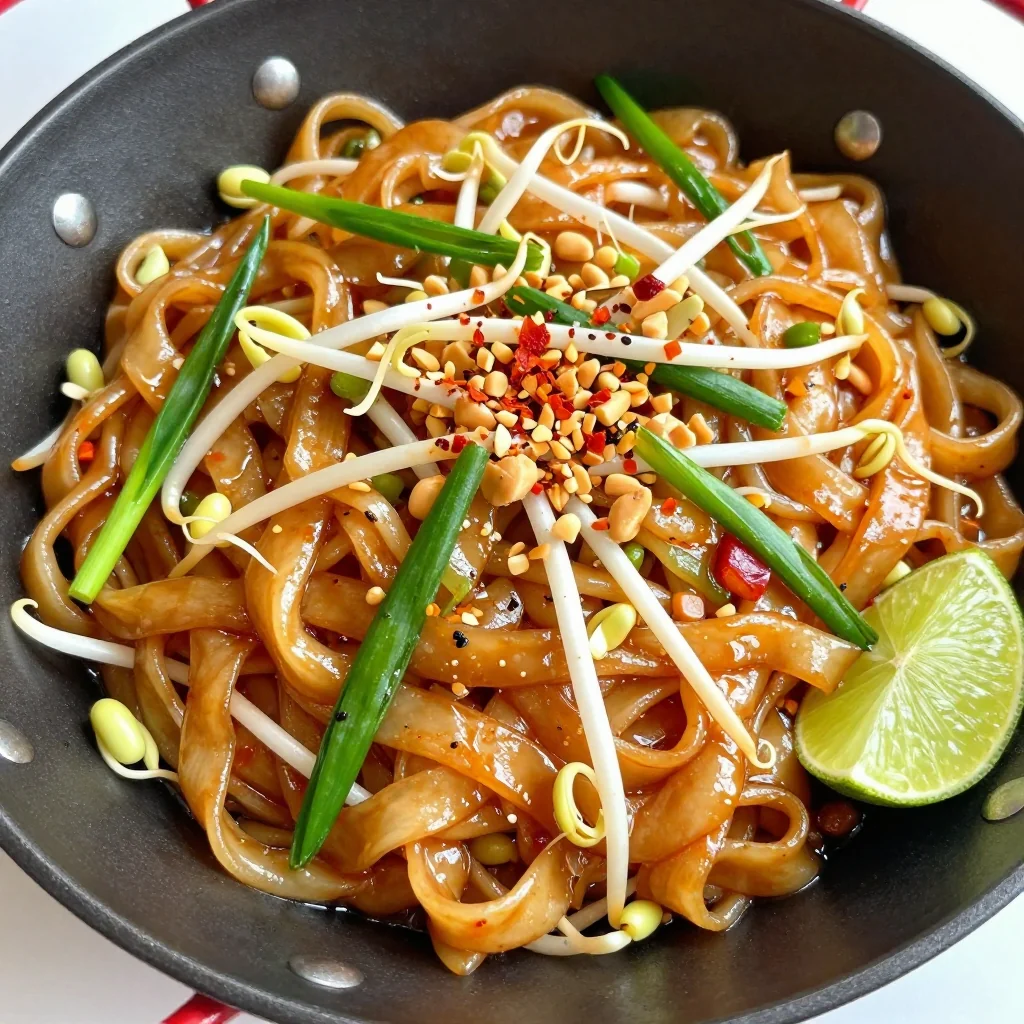
Quick Veggie Pad Thai That's Better Than Takeout
Ingredients
Instructions
- Make sauce: Whisk tamarind, sugar, fish sauce, lime juice, and water until sugar dissolves.
- Cook noodles: Boil rice sticks 1 minute less than package directs, drain, rinse briefly, and toss with 1 tsp oil.
- Sear tofu (if using): Heat 1 Tbsp oil in a large skillet on medium-high. Add tofu; cook 3 min total until golden. Remove.
- Stir-fry aromatics: Return pan to high heat with remaining oil. Add garlic and shallot; stir 20 seconds. Add carrot and bell pepper; toss 45 seconds.
- Add noodles & sauce: Push veg to edges, add noodles, pour sauce evenly. Let sit 45 seconds, then toss until noodles caramelize.
- Egg (optional): Clear a well, add beaten egg, scramble lightly, then fold through.
- Finish: Off heat, add bean sprouts and scallions; toss 10 seconds. Top with peanuts and serve immediately with lime wedges.
Recipe Notes
For smoky restaurant flavor, let the noodles sear undisturbed for 45 seconds before tossing. Keep bean sprouts cold until the final second to maintain maximum crunch.