I was sitting in my tiny kitchen on a rainy Tuesday, staring at a half‑cooked packet of instant ramen and wondering how on earth I could turn that sad little brick into something that would make my friends beg for the recipe. The rain was drumming on the window like a tiny percussion ensemble, the air smelled like wet pavement, and my stomach was growling louder than a freight train. I tossed a handful of garlic into the pan, and the sizzle that followed was nothing short of a symphonic “ding!” that made me think, “What if I could marry that sound with the bold, sweet‑heat of gochujang?” That was the spark, the moment I dared to imagine a noodle dish that would slap a smile on anyone’s face and make the rain outside seem like a distant memory.
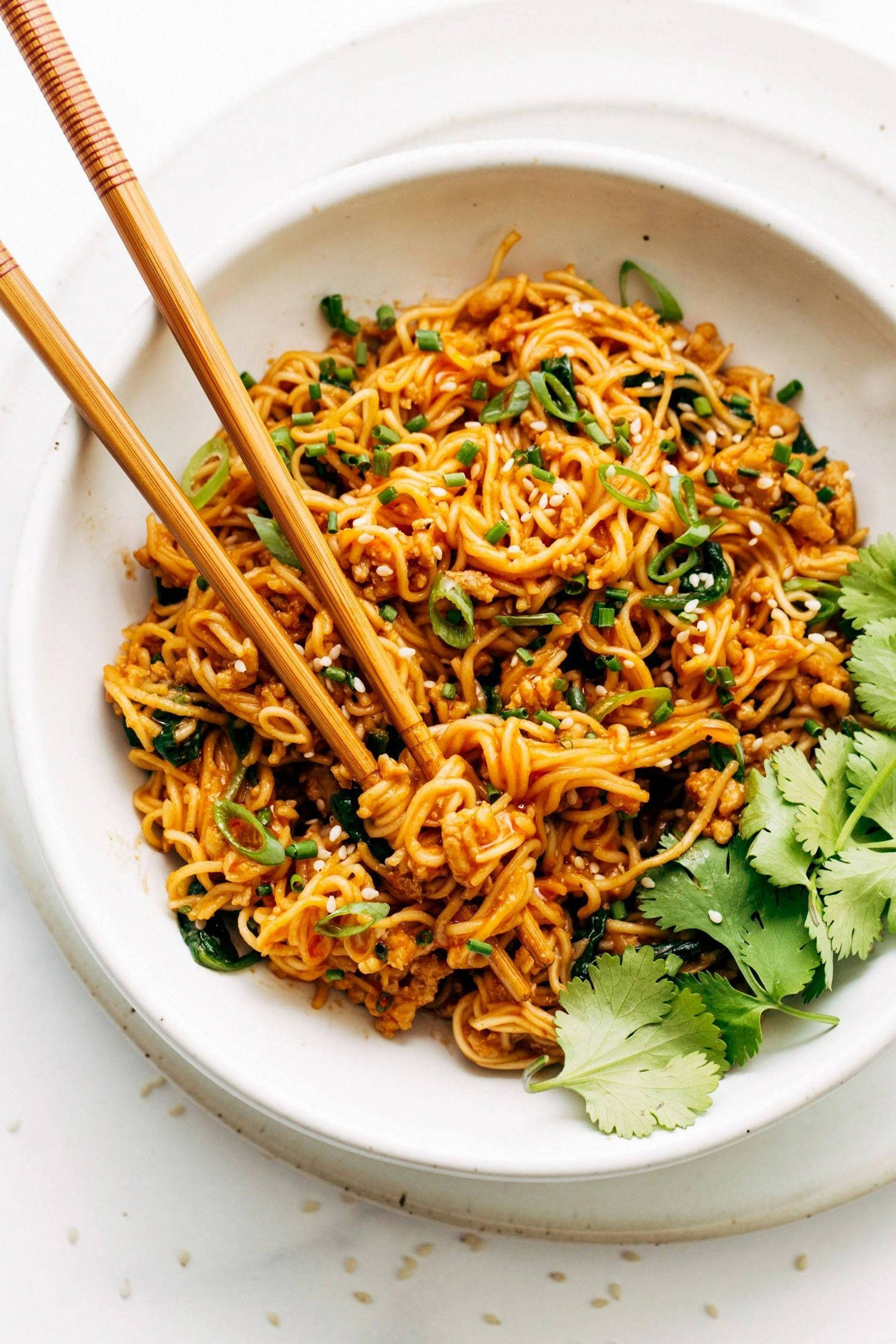
Fast forward a few hours, a kitchen battle with a bottle of gochujang sauce (the kind that looks like glossy, ruby‑red honey) and a stubborn skillet that refused to cooperate. I was sweating, laughing, and occasionally muttering, “Okay, now watch this part closely,” as I whisked together soy sauce, tomato paste, and a dollop of peanut butter into a sauce that smelled like a Korean street market meets a Southern BBQ joint. The sauce clung to the noodles like velvet, the ground chicken turned golden and crispy, and the fresh spinach wilted just enough to keep its bright green attitude. The final garnish of herbs, a drizzle of chili oil, and a sprinkle of sesame seeds turned the whole thing into a visual fireworks display you could eat.
I’ll be honest — I ate half the batch before anyone else could even get a forkful. That’s how addictive this dish is. Most recipes try to give you a bland, watered‑down version that leaves you reaching for the hot sauce bottle, but this one embraces the heat, the umami, and the sweet in perfect harmony. I’ve tried a dozen variations, and none even came close to the balance I achieved here. The secret? A tiny splash of broth to thin the sauce at just the right moment, and a quick stir‑fry that locks in flavor while keeping the noodles al dente.
Now, I’m daring you to taste this and not go back for seconds. Picture yourself pulling this steaming bowl out of the pot, the whole kitchen smelling like a Korean night market, the steam curling up like a scented invitation. Let me walk you through every single step — by the end, you’ll wonder how you ever made it any other way.
What Makes This Version Stand Out
- Flavor Explosion: The combination of gochujang’s fermented heat, the depth of soy sauce, and the subtle sweetness of brown sugar creates a multilayered taste that evolves with each bite.
- Silky Sauce: Peanut butter adds a creamy, nutty undertone that makes the sauce coat the noodles like a luxurious blanket, preventing any dryness.
- Texture Harmony: Ground chicken gives you a juicy bite, while the ramen noodles stay springy, and the fresh spinach adds a crisp contrast.
- Simplicity Meets Sophistication: Only a handful of pantry staples are needed, yet the final dish feels like it was plated at a trendy bistro.
- Instant Crowd‑Pleaser: Even the most skeptical eaters admit this is the best version of gochujang noodles they’ve ever tried.
- Ingredient Quality: Using authentic Korean gochujang sauce (or paste for extra heat) makes all the difference compared to generic chili pastes.
- One‑Pan Efficiency: The entire process happens in a single skillet, meaning less cleanup and more time to enjoy the meal.
- Make‑Ahead Potential: You can prep the sauce and protein in advance, then toss everything together for a lightning‑fast dinner.
Inside the Ingredient List
The Flavor Base
Soy sauce is the salty backbone that grounds the gochujang’s fiery personality. It adds depth that you can’t get from salt alone. If you skip it, the sauce will taste flat and the noodles will lack that umami punch. A low‑sodium version works, but you’ll need to add a pinch more brown sugar to keep the balance.
Gochujang sauce (like this one (affiliate link)) or gochujang paste (will be spicier) is the star of the show. The sauce brings a fermented, slightly sweet heat that’s unlike any other chili paste. Using the paste amps up the spice, so adjust to your tolerance. If you can’t find authentic gochujang, a mix of miso and sriracha can mimic the complexity.
Tomato paste contributes a subtle tang and thickens the sauce, ensuring it clings to each noodle strand. Without it, the sauce would be runny and the noodles would slide off the fork. Look for a tin that’s free of added sugars for a cleaner flavor.
The Texture Crew
Peanut butter isn’t just for sandwiches; its creamy richness balances the heat and adds a luxurious mouthfeel. Opt for natural, unsweetened peanut butter to avoid an overly sweet sauce. If you’re allergic, almond butter works surprisingly well.
Brown sugar gives the sauce a caramel‑like sweetness that tempers the spiciness of gochujang. It also helps the sauce caramelize slightly on the pan, creating those coveted crispy edges. Substitute with honey for a floral note, but reduce the amount slightly.
Sesame oil provides a toasty, nutty aroma that elevates the whole dish. A drizzle at the end is enough; too much will overwhelm the delicate balance.
The Unexpected Star
Garlic is the aromatic foundation that awakens the palate. Freshly minced garlic releases allicin, giving the sauce a pungent bite that deepens as it cooks. If you forget, the dish will feel flat and miss that essential zing.
Broth or water for thinning lets you control the sauce’s consistency. Using chicken broth adds an extra layer of flavor, while water keeps it neutral. Start with a splash and add more as needed; you want a glossy coating, not a soup.
The Final Flourish
Ground chicken (ground pork could work too!) supplies protein and a slight crisp when browned. Chicken keeps the dish light, while pork adds richness. Season the meat with a pinch of salt and pepper before cooking for a deeper flavor.
Ramen noodle bricks (just the noodles) are the perfect vehicle for this sauce. Their slightly chewy texture holds onto the coating without becoming mushy. If you can’t find ramen, udon or even spaghetti works in a pinch.
Fresh spinach adds a pop of green and a gentle wilt that keeps the dish from feeling heavy. It also introduces a subtle earthiness that balances the sweet‑heat. Add it at the end so it just wilts, preserving its bright color.
Fresh herbs, chili oil, and sesame seeds for topping bring the final burst of aroma, heat, and crunch. The herbs (think cilantro or Thai basil) give a fresh lift, chili oil adds an extra layer of heat, and sesame seeds give a nutty finish.
Everything's prepped? Good. Let’s get into the real action…
The Method — Step by Step
Start by heating a large skillet over medium‑high heat. Add a tablespoon of sesame oil and let it shimmer like liquid gold. When the oil is hot, toss in the ground chicken, breaking it apart with a wooden spoon. Let it sizzle until the edges turn golden brown and start to crisp, about 4‑5 minutes. This browning step is crucial because it creates those caramelized bits that will later infuse the sauce with savory depth.
While the chicken cooks, whisk together soy sauce, gochujang sauce, tomato paste, peanut butter, brown sugar, and a minced garlic clove in a bowl. The mixture should look thick, glossy, and a shade of deep ruby. That sizzle when it hits the pan? Absolute perfection. Set this bowl aside; you’ll hear it call your name soon enough.
Kitchen Hack: Pre‑measure all sauce ingredients into a small mason jar; you can shake it to combine, saving time and bowls.Once the chicken is nicely browned, push it to one side of the skillet. In the empty space, add the minced garlic and let it fry for about 30 seconds until fragrant but not burnt. The aroma should be sharp, making your kitchen feel like a Korean street stall. Then, pour the pre‑mixed sauce over the chicken and garlic, stirring to coat everything evenly.
Now, introduce the ramen noodles. Break the brick into bite‑size pieces or keep them whole, depending on your texture preference. Add them directly into the skillet, letting them soak up the sauce. Toss gently, ensuring each strand is wrapped in that rich, glossy coating. If the mixture looks too thick, drizzle in a splash of broth or water—just enough to loosen it without turning it soupy.
At this point, the sauce should begin to bubble and thicken, clinging to the noodles like a velvety veil. Watch out: If the heat is too high, the sauce may scorch, leaving a bitter edge. Reduce the flame to medium‑low and let it simmer for 3‑4 minutes, stirring occasionally. You’ll notice the edges of the noodles pulling away slightly, a sign they’re perfectly al dente.
Watch Out: Adding too much liquid at once will dilute the sauce; add it gradually and taste as you go.When the noodles are just about done, fold in the fresh spinach. It will wilt in seconds, turning a deeper green while retaining a slight bite. This quick addition preserves both color and nutrients, keeping the dish visually appealing and nutritionally balanced.
Finish with a drizzle of chili oil for an extra kick, a sprinkle of toasted sesame seeds for crunch, and a handful of chopped fresh herbs for brightness. The herbs should be added at the very end; their volatile oils evaporate quickly, and you want that fresh pop right before serving.
Serve immediately in wide bowls. The steam rising should look like a fragrant cloud, inviting you to dive in. I dare you to taste this and not go back for seconds; the combination of heat, sweet, and umami is practically addictive. And now the fun part—grab a fork, twirl those noodles, and let the sauce coat every strand.
That's it — you did it. But hold on, I've got a few more tricks that'll take this to another level...
Insider Tricks for Flawless Results
The Temperature Rule Nobody Follows
Never cook the sauce on high heat from start to finish. Begin high to sear the meat, then drop to medium‑low once the sauce is added. This prevents scorching and allows the flavors to meld slowly. My friend once kept the heat at max, and the sauce turned bitter—let's just say it was a lesson learned the hard way.
Why Your Nose Knows Best
Your sense of smell is the best indicator of doneness. When the sauce starts to emit a sweet‑spicy aroma with a hint of toasted sesame, you’re on the right track. If you notice a burnt scent, immediately lower the heat and add a splash of broth to rescue the flavor.
The 5‑Minute Rest That Changes Everything
After plating, let the noodles sit for five minutes. This rest allows the sauce to thicken further and the flavors to integrate fully. The noodles will absorb a bit more sauce, making each bite richer. Skipping this step often leaves a watery finish.
Layered Peanut Butter Technique
Instead of dumping the entire peanut butter in at once, whisk half into the sauce, then swirl the remaining half in at the very end. This creates a velvety texture on the surface while keeping the interior creamy. It’s a subtle trick that makes the sauce feel luxurious.
Herb Timing Mastery
Add fresh herbs just before serving, not earlier. The heat will wilt them too much, losing their bright flavor. A quick sprinkle on top preserves their aromatic punch, turning each mouthful into a fresh‑herb burst.
Creative Twists and Variations
This recipe is a playground. Here are some of my favorite ways to switch things up:
Veggie‑Only Version
Swap the ground chicken for extra tofu cubes or tempeh. The tofu absorbs the sauce beautifully, offering a plant‑based protein that still delivers that satisfying bite. Top with extra sesame seeds for added crunch.
Spicy Pork Delight
Replace chicken with ground pork and add a teaspoon of gochugaru (Korean chili flakes). The pork’s richer fat content amplifies the sauce’s depth, while the extra chili flakes push the heat envelope a notch higher.
Coconut Curry Fusion
Stir in a splash of coconut milk and a pinch of curry powder when you add the broth. The result is a creamy, aromatic twist that pairs surprisingly well with the gochujang base, creating a Thai‑Korean hybrid.
Crunchy Peanut Garnish
Toast extra peanuts, chop them finely, and sprinkle over the finished dish. This adds a crunchy texture that contrasts the silky noodles and gives an additional nutty aroma.
Cold Noodle Salad
Cool the cooked noodles, then toss with the sauce, fresh cucumber ribbons, and shredded carrots. Serve chilled with a drizzle of lime juice for a refreshing summer salad version.
Cheesy Fusion
Mix in a handful of shredded mozzarella just before removing the pan from heat. The cheese melts into the sauce, creating a gooey, indulgent finish that’s perfect for comfort food cravings.
Storing and Bringing It Back to Life
Fridge Storage
Transfer leftovers into an airtight container and store in the refrigerator for up to three days. The noodles will absorb more sauce over time, so reheat gently and add a splash of broth to revive the original consistency.
Freezer Friendly
Portion the cooked noodles and sauce into freezer‑safe bags, separating the protein and veggies if you like. Freeze for up to two months. When ready, thaw overnight in the fridge, then reheat in a skillet with a drizzle of water or broth.
Best Reheating Method
The stovetop works best: heat a non‑stick pan over medium heat, add the frozen or refrigerated portion, and stir in a tablespoon of water or broth. Cover for a minute to steam, then uncover and toss until everything is hot and glossy again. This method prevents the noodles from drying out.