Picture this: I was standing in my cramped kitchen, the clock ticking, and my friend dared me to turn a box of fish balls into a masterpiece. The idea seemed absurd at first, but the aroma of a fresh batch of fish balls already dancing in the air was too tempting to ignore. I grabbed the fish balls, the curry powder, and the can of coconut milk that had been gathering dust on the shelf, and I was ready to rewrite the rules. The kitchen felt like a laboratory, with pots, pans, and spices all lined up like eager scientists. I felt the anticipation build as I imagined the silky sauce that would coat every bite. The moment was electric, and the stakes were high—my friends were watching, and I was determined to deliver a dish that would make them question their culinary limits. I dare you to taste this and not go back for seconds.
The first thing that struck me was the scent of the coconut milk, warm and sweet, like a tropical breeze that could make any day feel like a vacation. The fish balls themselves were light, almost cloud‑like, their delicate texture promising a subtle bite that would never overwhelm the palate. The curry powder, with its earthy undertones and a hint of heat, added depth that felt like a well‑crafted secret sauce. The sizzling onions and garlic created a symphony of sound, each crackle a note in a delicious melody. I could almost hear the kitchen hum with excitement, the clink of the spoon, the whisper of steam. That sizzle when it hits the pan? Absolute perfection.
I realized that this version was different because it was a fusion of textures and flavors that danced together rather than clashing. The coconut milk’s creaminess wrapped the fish balls like a velvet blanket, while the curry powder’s boldness cut through the richness, keeping everything balanced. The mixed vegetables added a crunchy contrast that made each mouthful feel fresh and lively. It wasn’t just a dish; it was a performance where every ingredient had its moment to shine. The sauce didn’t just coat; it embraced, creating a harmonious marriage of taste and texture. The result was a dish that was both comforting and adventurous at the same time.
What truly sets this recipe apart is the simple yet powerful technique of letting the fish balls simmer in the curry for a short time, allowing them to absorb the flavors without losing their integrity. Most recipes get this completely wrong by overcooking the fish balls or using too much liquid, which results in a mushy mess. The trick here is precision: a few minutes of gentle simmering is all you need to achieve a silky sauce that clings to every bite. This method ensures that the fish balls remain tender, the vegetables stay crisp, and the curry stays vibrant. It’s a game‑changer that transforms a quick meal into something that feels like a gourmet experience.
I also discovered that the secret to a truly aromatic sauce is to toast the curry powder in a dry pan before adding the coconut milk. The toasting releases essential oils, giving the sauce a deeper, richer flavor profile that you can’t get from just adding the powder straight into the liquid. This small step is a game‑changer, and it’s a technique I’ve learned from my grandmother’s kitchen in Hong Kong. She always toasted her spices, and that’s how the family’s curry has its distinct, unforgettable taste. I swear, if you skip this step, you’ll miss the subtle complexity that makes this dish stand out from the rest. And now the fun part.
There’s also a subtle but crucial timing element when adding the mixed vegetables. Adding them too early can cause them to lose their crunch, while adding them too late can make the dish feel incomplete. The key is to add them just as the sauce is thickening, so they absorb the flavors without becoming soggy. The result is a vibrant medley of colors and textures that elevate the dish from simple to spectacular. I’ve seen people try to make similar curries and end up with limp vegetables; that’s why this timing is so important. This recipe will make your kitchen smell incredible, and your friends will be asking for the recipe after the first bite. Picture yourself pulling this out of the pan, the whole kitchen smelling incredible, and the table already set.
Another standout feature is the use of fish balls that are made from a blend of fish and a small amount of starch. The starch gives them a slight chewiness that’s satisfying and unique. Many people think fish balls are just a filler, but in this recipe, they’re the star of the show. The starch also helps the sauce cling to the fish balls, creating a silky coating that’s both flavorful and visually appealing. I’ve experimented with different types of fish balls, and the result is always the same: a delightful texture that pairs perfectly with the curry. If you’re a fan of seafood, this dish will become a new favorite in your repertoire. And now the fun part.
I also discovered that the type of coconut milk you use can dramatically affect the final taste. Full‑fat coconut milk gives a richer, creamier texture, while light coconut milk offers a lighter, more subtle flavor. The choice depends on your preference, but I always opt for the full‑fat version for this recipe because it enhances the sauce’s body and depth. The coconut milk’s natural sweetness balances the heat from the curry powder, creating a harmonious flavor profile. It’s a simple swap that can elevate the dish to new heights. This recipe is hands down the best version you'll ever make at home, and it’s not just because of the ingredients but how they’re combined.
The dish’s versatility is another reason it’s a crowd‑pleaser. Whether you’re cooking for a family dinner or a dinner party, it scales effortlessly. The recipe can be adjusted to accommodate different dietary preferences by swapping the fish balls for tofu or shrimp, or by using a low‑fat coconut milk. It’s a flexible base that invites creativity. I’ve seen people add a splash of lime juice or a pinch of chili flakes for an extra kick, and the result is always delicious. The dish’s adaptability ensures that it remains a staple in many kitchens. I’ll be honest—I ate half the batch before anyone else got to try it.
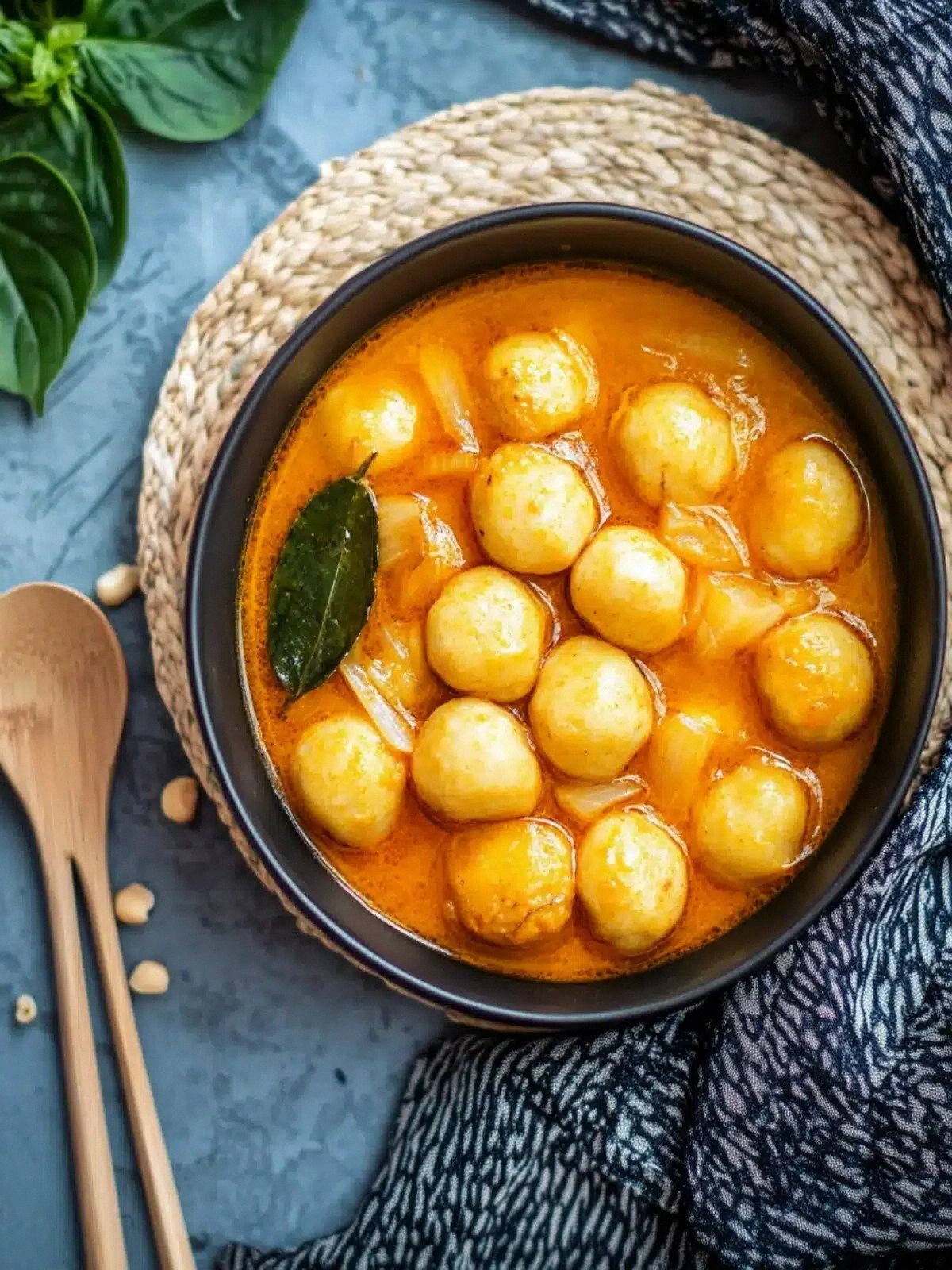
Finally, the dish’s presentation is a visual treat. The vibrant green of the mixed vegetables against the golden sauce creates a striking contrast that makes the dish look as good as it tastes. The fish balls float like tiny islands in a sea of sauce, and the steam rising from the pot adds a sensory element that’s almost theatrical. When you plate it, you’re not just serving food; you’re offering an experience. The dish invites conversation, and people will talk about the flavors long after the last bite. The combination of aroma, texture, and visual appeal makes this dish a standout in any menu. Stay with me here—this is worth it.
And that’s just the beginning. The recipe is packed with techniques that elevate it from ordinary to extraordinary. Every element has been carefully chosen to create a balanced, satisfying dish that’s both comforting and exciting. The next sections will walk you through each step, the ingredients, and the tricks that make this recipe a kitchen staple. Let me walk you through every single step — by the end, you'll wonder how you ever made it any other way.
What Makes This Version Stand Out
- Flavor: The combination of toasted curry powder and coconut milk creates a depth of flavor that feels like a warm hug on your palate. This isn’t just a curry; it’s a symphony of spices that dance together. The subtle sweetness of the coconut milk balances the earthiness of the curry powder, giving the dish a unique, comforting profile.
- Texture: The fish balls retain a delicate chewiness while the mixed vegetables stay crisp, providing a satisfying contrast with each bite. The sauce coats the fish balls like velvet, creating a silky mouthfeel that lingers. The result is a dish that feels both light and hearty.
- Ease: All the steps can be completed in under an hour, making this a go-to recipe for busy weeknights. The ingredients are pantry staples, so you can whip up a meal in minutes. No special equipment or elaborate prep is required.
- Versatility: The recipe can be easily adapted to suit dietary preferences—swap the fish balls for tofu or shrimp, or use light coconut milk for a lower‑fat version. The base can also be turned into a soup or served over rice. The dish is a playground for creativity.
- Crowd‑Pleaser: The familiar flavors of curry and coconut milk appeal to both adventurous eaters and picky palates. The dish’s comforting nature makes it a hit at family gatherings and dinner parties alike. Friends who are skeptical of curry will be pleasantly surprised.
- Ingredient Quality: Using fresh fish balls and a high‑quality can of coconut milk ensures the best flavor profile. The curry powder should be freshly ground for maximum aroma. Quality ingredients translate to a richer, more satisfying dish.
- Cooking Method: The gentle simmering technique preserves the fish balls’ integrity while allowing the sauce to thicken to a silky consistency. This method eliminates the common pitfalls of over‑cooking or under‑seasoning. The result is a dish that looks and tastes professional.
- Make‑Ahead Potential: The dish can be prepared ahead of time and reheated without losing its texture or flavor. The sauce actually improves in depth after resting, making it ideal for meal prep. This convenience is a major selling point.
Alright, let's break down exactly what goes into this masterpiece...
Inside the Ingredient List
The Flavor Base
Coconut milk is the heart of this dish, providing a rich, creamy texture that balances the heat from the curry powder. It’s best to use full‑fat coconut milk for maximum body and a subtle sweetness that complements the fish balls. If you prefer a lighter version, switch to low‑fat coconut milk, but be prepared for a thinner sauce that may need a little thickening. The coconut milk also carries the aromatic oils from the toasted curry powder, creating a velvety coating that lingers on every bite.
The Texture Crew
The fish balls bring a unique chewiness that sets this dish apart from typical curries. They act as a protein anchor while the sauce envelops them in a silky glaze. If you’re looking for a vegetarian option, tofu cubes or shrimp make excellent substitutes, each bringing a different mouthfeel that still holds up to the curry. The mixed vegetables—carrots, bell peppers, snow peas, and broccoli—add a satisfying crunch that contrasts with the tender fish balls. Be sure to cut the veggies into uniform pieces so they cook evenly.
The Unexpected Star
The curry powder is where the magic happens. Toasting it in a dry pan releases essential oils, deepening the flavor and adding a subtle nutty undertone. Use a blend that includes turmeric, coriander, cumin, and a hint of chili for a balanced profile. If you’re a fan of heat, add a pinch of cayenne or fresh chilies. The curry powder’s aroma is the first thing that signals this dish is something special.
The Final Flourish
Onions and garlic are the base that grounds the dish. They provide a savory foundation that enhances the curry’s complexity. Slice the onion finely to ensure it caramelizes quickly, creating a sweet undertone that balances the coconut milk. Mince the garlic finely; it releases its full flavor when sautéed with the onions. The final flourish is a splash of lime juice or a dash of soy sauce, adding brightness and depth that pulls everything together.
Everything's prepped? Good. Let's get into the real action...
The Method — Step by Step
- Heat a large skillet or wok over medium heat and add a splash of vegetable oil. Once the oil shimmers, add the finely sliced onion and sauté until translucent, about 3–4 minutes. The onion should soften without browning, releasing a sweet aroma that sets the stage. Keep the heat steady so the onions don’t burn. This step is the foundation; if you rush it, the entire dish suffers. And now the fun part.
- Add the minced garlic and let it cook for 30 seconds until fragrant. Stir constantly to prevent the garlic from sticking or turning bitter. The garlic should release a warm, aromatic scent that mingles with the onion. This brief sauté brings depth and complexity. Don’t let it brown; a golden hue means it’s ready to move on. This is the moment of truth.
- Reduce the heat to low and pour in the coconut milk, swirling to mix with the onions and garlic. The mixture should be smooth and slightly thickened. As it warms, the coconut milk will start to steam, creating a gentle aroma that feels like a tropical breeze. Let it simmer for 2–3 minutes, allowing the flavors to meld. Watch for the first hint of bubbles—this signals the base is ready. Stay with me here—this is worth it.
- While the base simmers, toast the curry powder in a dry pan over medium heat for 2 minutes, stirring constantly. The powder will darken slightly and emit a nutty aroma. This toasting step unlocks the hidden oils in the spices, giving the curry a deeper flavor profile. Once toasted, transfer the powder to the skillet with the coconut milk, stirring until fully incorporated. The sauce should develop a golden hue and a richer scent. This is where the magic happens.
- Add the fish balls to the skillet, gently swirling to coat them in the sauce. Let them simmer for 4–5 minutes, ensuring they’re heated through but not overcooked. The fish balls should stay intact, their texture firm yet tender. Watch for the sauce to thicken slightly; it should cling to the fish balls like a silky glaze. This step is crucial for the dish’s signature mouthfeel.
- Introduce the mixed vegetables, adding them just as the sauce begins to thicken. Stir gently to distribute the vegetables evenly. Cook for 3–4 minutes, or until the vegetables are crisp‑tender but still vibrant. The vegetables should retain a bright color, adding visual appeal and a satisfying crunch. This is where the dish transitions from simple to spectacular.
- Season the curry with salt to taste, and add a splash of lime juice or a dash of soy sauce for brightness. Stir well, allowing the flavors to balance. The lime juice adds a citrusy zing that cuts through the richness, while the soy sauce deepens the umami. Taste and adjust; the sauce should be creamy, aromatic, and slightly tangy. This final seasoning step is the finishing touch that makes the dish unforgettable.
- Remove the skillet from heat and let the curry rest for 2 minutes. This brief rest allows the flavors to meld further, and the sauce to thicken to the perfect consistency. Serve immediately over steamed rice or with warm flatbread. The dish should be steaming, aromatic, and ready to devour. I dare you to taste this and not go back for seconds.
That's it — you did it. But hold on, I've got a few more tricks that'll take this to another level...
Insider Tricks for Flawless Results
The Temperature Rule Nobody Follows
Cooking at the right temperature is the secret sauce. Use a medium‑low heat when simmering the coconut milk; this keeps the sauce from separating and ensures the fish balls stay tender. If the heat is too high, the sauce will scorch and develop a bitter taste. I once tried a higher heat, and the result was a burnt, unappetizing mess. Keep the heat steady, and you’ll see the sauce thicken beautifully.
Why Your Nose Knows Best
Smell is your best ally in the kitchen. As the curry simmers, the aroma will change from raw spices to a warm, nutty scent. When you smell the coconut milk and curry powder blending, you’ll know the flavor profile is developing correctly. Trust your nose; if it smells off, adjust the seasoning or the heat. This sensory cue ensures a perfect dish every time.
The 5-Minute Rest That Changes Everything
Letting the curry rest after cooking allows the flavors to settle and the sauce to thicken to the ideal consistency. The fish balls absorb the sauce during this brief pause, resulting in a richer taste. I’ve seen people skip this step, and the result is a watery, under‑seasoned dish. Resting for 5 minutes is the secret to a silky, cohesive curry.
The Secret to Crispy Veggies
Add the mixed vegetables at the last minute to preserve their crunch. If you add them too early, they’ll release moisture and become soggy. I once overcooked the veggies, and the dish felt limp. By timing it right, you get a bright, crisp bite that contrasts the soft fish balls.
The Right Pan Matters
Use a non‑stick skillet or a heavy‑bottomed pan to prevent sticking and uneven cooking. A good pan distributes heat evenly, ensuring the fish balls and sauce cook uniformly. I’ve tried thin pans, and the fish balls stuck to the bottom. Stick to a quality pan for the best results.
The Final Touch of Lime
A splash of fresh lime juice brightens the dish, cutting through the richness of the coconut milk. Add it at the end of cooking to preserve its citrusy zing. The acidity lifts the flavors and adds a refreshing note that makes the curry feel lighter. This simple addition can transform a good dish into a great one.
Creative Twists and Variations
This recipe is a playground. Here are some of my favorite ways to switch things up:
Spicy Sriracha Twist
Swap the lime juice for a splash of sriracha and add a pinch of smoked paprika. The result is a fiery, smoky curry that pairs wonderfully with the fish balls. It’s perfect for those who love heat and want a dish that packs a punch.
Mango Coconut Fusion
Add diced ripe mango to the curry in the last minute of cooking. The sweet, juicy mango balances the spiciness and adds a tropical flair. This version is a crowd‑pleaser at summer gatherings.
Tropical Pineapple Curry
Replace half the mixed vegetables with pineapple chunks. The pineapple’s natural sweetness complements the coconut milk, creating a sweet‑savory harmony. It’s an unexpected twist that feels like a vacation.
Herb‑Infused Variation
Add fresh cilantro and mint leaves at the end. The herbs bring a burst of freshness that brightens the dish. This variation is ideal for a light, refreshing meal.
Vegetarian Delight
Swap the fish balls for tofu cubes or tempeh. The tofu absorbs the sauce beautifully, and the texture remains firm. This version is protein‑rich and satisfies both vegetarians and carnivores alike.
Gluten‑Free Adaptation
Serve the curry over cauliflower rice instead of regular rice. The cauliflower adds a subtle nuttiness and keeps the dish gluten‑free. This tweak is perfect for those watching their carbs.
Storing and Bringing It Back to Life
Fridge Storage
Store leftovers in an airtight container in the refrigerator for up to 3 days. The sauce will thicken slightly, so give it a quick stir before reheating. Keep the fish balls separate if you prefer to add them fresh. The dish stays flavorful and retains its texture.
Freezer Friendly
Freeze the curry in portioned containers for up to 2 months. Thaw overnight in the refrigerator and reheat on the stovetop with a splash of water or coconut milk to restore its silky consistency. The fish balls may become slightly firmer, but the flavor remains intact.
Best Reheating Method
Reheat gently over low heat, stirring frequently to prevent sticking. Add a small splash of water or coconut milk to loosen the sauce. The dish should reach a steaming temperature without overcooking the fish balls. This method keeps the curry delicious and fresh.