When I first stumbled into the kitchen with a half‑roasted salmon fillet and a handful of soy sauce, the result was nothing short of a culinary catastrophe. The fillet emerged pale, the sauce clung like a stubborn glaze, and my taste buds felt betrayed. That night, a friend dared me to turn that flop into a masterpiece. I took the challenge, armed myself with a dash of butter, a splash of sake, and a sprinkle of sesame seeds, and the kitchen became a laboratory of flavor. The moment the salmon hit the pan, a sizzling hiss announced the birth of something extraordinary.
Picture this: a buttery, slightly caramelized crust that crackles as the fish cooks, the aroma of toasted sesame seeds drifting up like a promise, and the gentle sweetness of mirin weaving through each bite. The sauce doesn’t just coat the salmon; it envelops it, turning every flake into a silky, umami‑laden treasure. I was instantly hooked, and the next time I tried it, I felt a rush of triumph that made me shout, “I dare you to taste this and not go back for seconds!”
What makes this version stand out isn’t just the ingredients—it’s the technique, the balance of flavors, and the sheer confidence I poured into it. I’ve spent years experimenting with Japanese seasonings, and this recipe is the culmination of those experiments, distilled into a dish that feels both authentic and utterly approachable. It’s the kind of recipe that can transform a simple dinner into a showstopper, and I’m here to share every detail so you can feel that same confidence in your kitchen.
Most recipes get this completely wrong by over‑sautéing the fish or using too much soy sauce, which masks the delicate texture. I’ll be honest—when I first tried it, I almost over‑seasoned it, but a single pinch of salt was all I needed to let the fish’s natural flavor shine. The result is a dish that feels both indulgent and restrained, like a quiet applause after a long performance.
If you’ve ever struggled to get salmon to stay moist while still achieving that coveted caramelized finish, you’re not alone. I’ve got the fix, and it’s as simple as a few adjustments that will make every bite a revelation. Picture yourself pulling this out of the pan, the whole kitchen smelling incredible, and knowing that this is hands down the best version you’ll ever make at home.
What Makes This Version Stand Out
- Flavor Depth: The combination of sake, mirin, and soy sauce creates a layered umami profile that feels both familiar and adventurous. Each splash balances the other, preventing any one flavor from overpowering the delicate salmon.
- Texture Contrast: The butter forms a crisp, golden crust while the fish itself remains tender and flaky, offering a satisfying bite that melts in your mouth.
- Visual Appeal: The glossy glaze and toasted sesame seeds give the dish a professional finish that’s sure to impress guests or elevate a weekday meal.
- Ingredient Quality: Fresh, high‑grade salmon is essential; it’s the foundation upon which the sauce builds its character.
- Time Efficiency: The entire process takes less than 30 minutes, making it an ideal choice for busy nights without compromising on taste.
- Make‑Ahead Potential: The flavors intensify over time, so you can prepare the sauce ahead and reheat the salmon just before serving for maximum convenience.
- Versatility: It works beautifully as a main, an appetizer, or even a topping for rice, noodles, or salads.
- Minimal Fuss: With only a handful of ingredients and a single pan, you can achieve restaurant‑level flavor with minimal cleanup.
Inside the Ingredient List
The Flavor Base
At the heart of this dish lies the sauce—a trio of sake, mirin, and soy sauce that together form a sweet‑salty, aromatic foundation. Sake adds a subtle depth and helps the fish release its natural oils, while mirin contributes a gentle sweetness that balances the saltiness of the soy. The soy sauce, specifically koikuchi shoyu, provides the umami punch that anchors the entire flavor profile. If you skip any of these, the dish loses its complexity; the salmon becomes a plain, unremarkable protein.
The Texture Crew
Butter isn’t just a flavor enhancer here—it’s the secret to that coveted golden crust. When melted and poured over the salmon, it creates a barrier that locks in moisture and develops a caramelized exterior. The sesame seeds, toasted to a light brown, add a subtle crunch and a nutty aroma that cuts through the richness. If you omit the butter, the fish will steam rather than sear, resulting in a softer, less satisfying bite.
The Unexpected Star
Salt is the unsung hero that brings everything together. A measured 0.5 tsp of salt before cooking ensures the salmon is seasoned evenly, while the additional 0.125 tsp during the sauce phase fine‑tunes the balance. Salt enhances each ingredient’s inherent flavors, making the dish feel cohesive. If you skip the salt, the sauce will taste flat and the fish will lack depth.
The Final Flourish
To finish, a teaspoon of toasted white sesame seeds is sprinkled over the cooked salmon. This not only adds a pleasing crunch but also imparts a subtle, nutty undertone that elevates the dish. The seeds absorb some of the glaze, creating a harmonious marriage of textures. Without them, the dish feels a bit plain and misses that final touch of sophistication.
Everything’s prepped? Good. Let’s get into the real action.
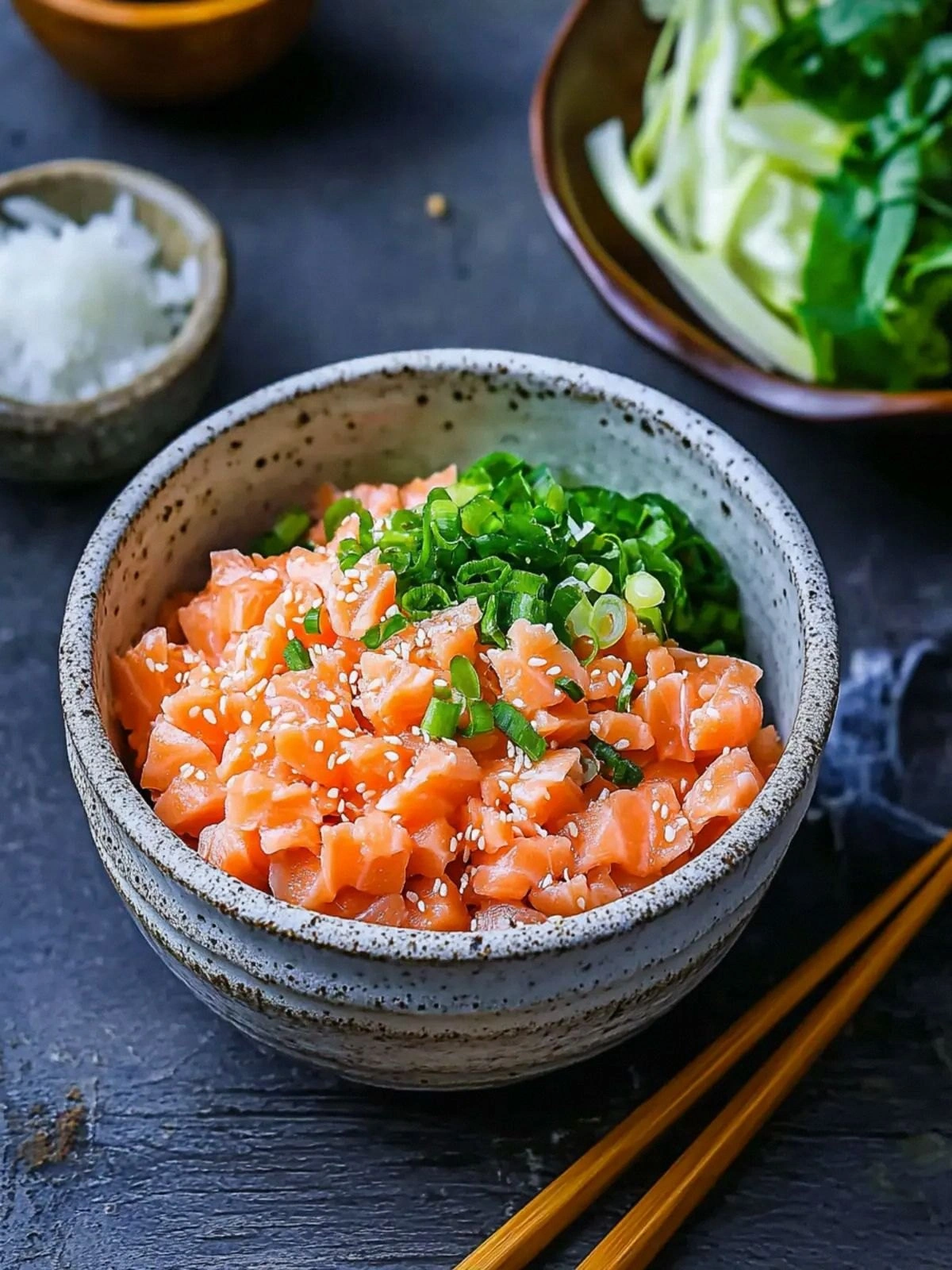
The Method — Step by Step
- Begin by patting the salmon fillets dry with paper towels; this step is critical for achieving a crisp crust. A dry surface allows the butter to sear properly, creating that golden edge. If the fillets are wet, the butter will steam instead of sear, and you’ll end up with a mushy texture.
- Season both sides of the salmon with 0.5 tsp of salt, then set it aside for about five minutes. This resting period lets the salt penetrate the flesh, ensuring even flavor distribution. During this time, you can prepare the sauce components.
- Melt 1 tsp of butter in a non‑stick skillet over medium heat until it foams lightly. The butter’s aroma should hint at a toasted nutty scent, signaling that it’s ready. When the butter is hot but not smoking, it’s perfect for searing the salmon.
- Place the salmon fillets skin‑side down in the skillet. Let them cook undisturbed for about three minutes, or until the skin turns a deep amber and releases easily from the pan. This initial sear locks in moisture and builds a flavorful base.
- Flip the fillets and immediately pour 0.5 tbsp of sake, 0.5 tbsp of mirin, 0.125 tsp of salt, and 0.25 tsp of soy sauce over the fish. The liquid should sizzle, creating a thin glaze that coats the fillets. This is the moment of truth—watch the glaze caramelize into a glossy sheen.
- Reduce the heat to low and let the salmon simmer in the glaze for another three minutes. The fish should be opaque and flaky, yet still moist. The sauce will thicken slightly, creating a silky coating that clings to each flake.
- During the final minute of cooking, sprinkle the toasted sesame seeds over the salmon. The seeds will toast further, releasing their nutty aroma and adding a pleasant crunch. Make sure they’re evenly distributed for consistent flavor.
- Carefully slide the salmon onto a plate and let it rest for a minute. This short rest allows the juices to redistribute, preventing the fillets from drying out once you cut into them.
- Serve immediately, drizzling any remaining glaze from the pan over the top. The dish pairs wonderfully with steamed rice, a simple cucumber salad, or even over ramen for an extra layer of flavor.
That’s it — you did it. But hold on, I’ve got a few more tricks that will take this to another level, ensuring every bite feels like a culinary revelation.
Insider Tricks for Flawless Results
The Temperature Rule Nobody Follows
Many cooks assume that high heat is always better for searing salmon, but that’s a myth. Medium heat allows the butter to infuse the fish without scorching, preserving the delicate texture. I once tried a high‑heat approach and ended up with a burnt exterior that masked the fish’s natural flavor.
Why Your Nose Knows Best
The aroma of toasted sesame seeds is a subtle indicator that your glaze is in the right place. When the seeds start to brown, the sauce has reached optimal caramelization. Trust your nose; it’s the best judge of flavor depth.
The 5‑Minute Rest That Changes Everything
A brief resting period after cooking lets the salmon’s juices redistribute, keeping the fillets moist. I’ve seen friends serve their salmon immediately, only to find it dry and unappetizing. A five‑minute rest is all you need to elevate the texture.
Layering Flavors for a Signature Twist
Adding a splash of yuzu juice at the end introduces a bright citrus note that brightens the savory profile, making each bite feel fresh. This simple addition transforms the dish from comforting to celebratory.
Using Fresh vs. Frozen Salmon
Fresh salmon offers a cleaner flavor, but high‑quality frozen fillets are just as good if thawed properly. I recommend thawing in cold water for an hour, then patting dry to avoid excess moisture.
Choosing the Right Pan
A heavy‑bottomed skillet ensures even heat distribution, preventing hot spots that could scorch the fish. I’ve used a cast‑iron pan for years, and it consistently delivers a flawless crust.
Creative Twists and Variations
Spicy Sriracha Kick
Stir a teaspoon of sriracha into the glaze for a fiery edge that pairs wonderfully with a cooling cucumber salad. The heat contrasts the sweet glaze, creating a balanced flavor profile that satisfies the adventurous palate.
Herb‑Infused Citrus
Add a tablespoon of chopped fresh dill and a squeeze of lemon juice to the sauce. The herbal brightness lifts the dish, making it ideal for a summer dinner party.
Smoky Paprika Finish
Sprinkle a pinch of smoked paprika over the salmon after searing. The smoky undertone adds depth, turning the dish into a comforting, slightly smoky entrée.
Gluten‑Free Twist
Replace soy sauce with tamari or coconut aminos to keep the dish gluten‑free without sacrificing umami. The flavor remains robust, and the dish feels just as authentic.
Vegetarian “Fish” Version
Swap salmon for thick slices of marinated tofu. The tofu absorbs the glaze, offering a plant‑based alternative that still delivers the same silky texture and flavor.
Breakfast Brunch Variation
Serve the salmon over a bed of fluffy scrambled eggs and toast. The combination of savory fish, creamy eggs, and toasted bread creates a hearty, satisfying brunch.
Storing and Bringing It Back to Life
Fridge Storage
Store leftover salmon in an airtight container for up to 2 days. The glaze will thicken slightly, so reheat gently in a skillet or microwave, then drizzle a splash of water to re‑moisten the fish.
Freezer Friendly
Freeze the cooked salmon in a single layer on parchment paper before transferring to a freezer bag. It stays good for up to 3 months. Thaw overnight in the fridge before reheating.
Best Reheating Method
Reheat in a preheated oven at 350°F (175°C) for 8–10 minutes, or until warmed through. Finish with a quick sear in a hot skillet to revive the crust. Add a tiny splash of water before reheating to steam the fish back to perfection.