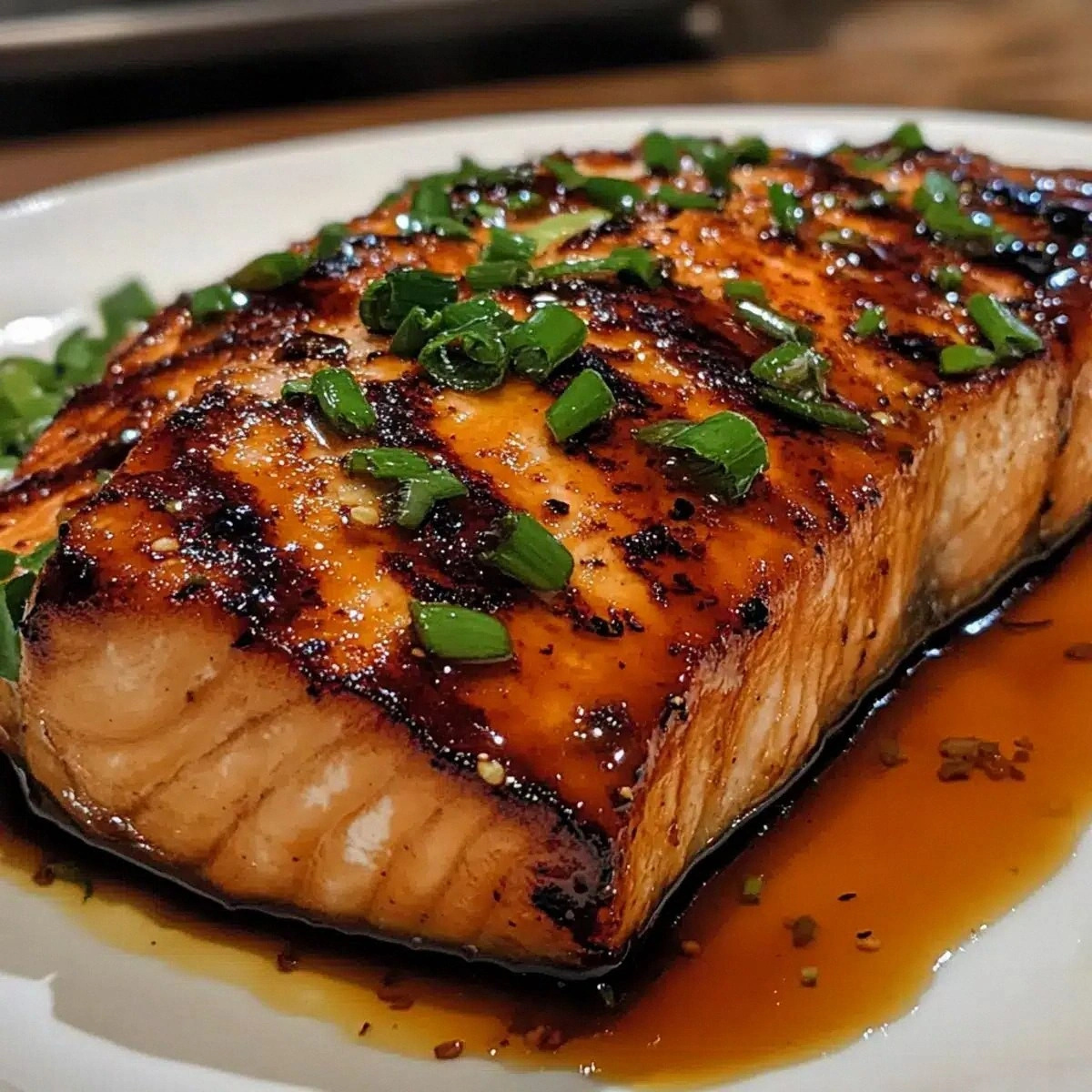
I was halfway through a disastrous dinner when I realized I had a bag of hoisin sauce sitting in the pantry, a bottle of sriracha that had been collecting dust, and a jar of honey that seemed to have been waiting for a purpose. The kitchen was a mess of burnt noodles and a half‑cooked chicken that had turned into a sad, rubbery blob. I stared at the ingredients like a mad scientist, then decided to throw everything together and see what would happen. The result? A sticky, savory, sweet‑spicy masterpiece that made my taste buds do a double‑take. I dare you to taste this and not go back for seconds. That sizzle when the chicken hits the pan? Absolute perfection. If you’re skeptical, just imagine the sauce coating the chicken like velvet, leaving a glossy, caramelized sheen that’s impossible to ignore.
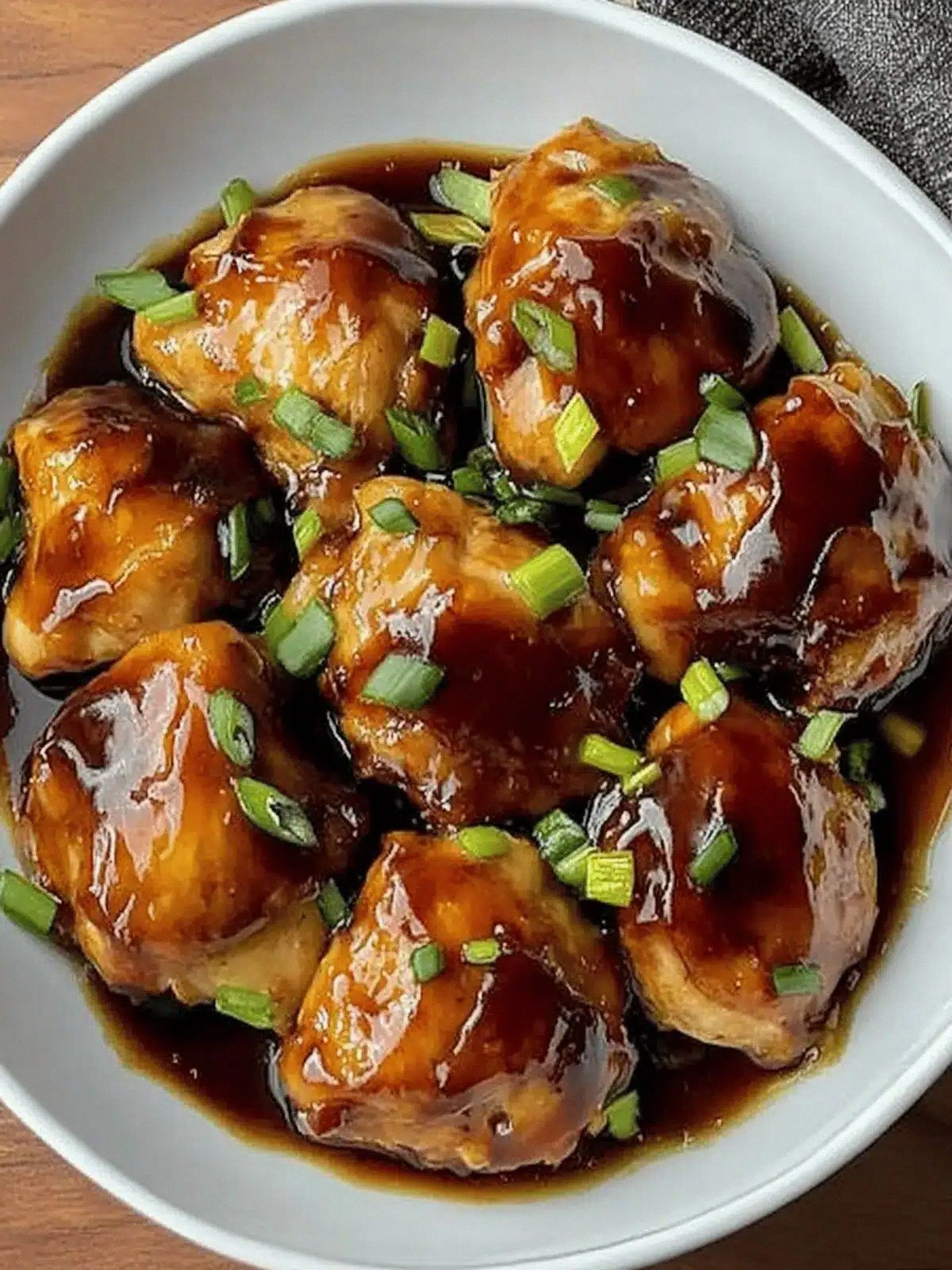
Picture yourself pulling this out of the oven, the whole kitchen smelling incredible, and the table already set for a crowd that will beg for the recipe. I’ve been bragging about this dish for weeks, and I’ve seen the way people’s eyes light up when they taste it for the first time. The moment the first bite hits, the sweet honey, the umami hoisin, the spicy sriracha, and the tender chicken blend into a single, glorious flavor explosion. And the texture? Crispy on the outside, succulent on the inside, with a glossy glaze that shatters like thin ice when you bite. Most recipes get this completely wrong, but I’ve cracked the secret to a perfect sticky coating that clings to every morsel. This is hands down the best version you’ll ever make at home.
I’ll be honest— I ate half the batch before anyone else got to try it. That’s how good it is. The first time I made it, the kitchen was a mess, but the aroma alone had my friends lining up for a taste. The next time, I was ready to conquer the world of sticky sauces, and the results were nothing short of miraculous. I’ve spent the last month tweaking the proportions, experimenting with different cuts of chicken, and mastering the art of caramelization. Now, I’m ready to share every single detail, so you can recreate this masterpiece without a hitch.
If you’ve ever struggled with sticky sauces that either burn or stay runny, you’re not alone—and I’ve got the fix. I’ll walk you through the exact technique, the exact timing, and the exact flavor balance that turns a simple chicken dish into a crowd‑pleaser. I’ll also throw in a few micro‑challenges, because I love seeing my readers push their limits. Ready for the game‑changer? Let me walk you through every single step—by the end, you’ll wonder how you ever made it any other way.
What Makes This Version Stand Out
- Flavor: The combination of hoisin, sriracha, and honey creates a complex profile that’s sweet, salty, and spicy in perfect harmony. Each bite delivers a burst of umami that lingers on the palate.
- Texture: The sauce caramelizes to a glossy glaze while the chicken remains juicy, giving you that coveted crispy edge that shatters like thin ice.
- Ease: No fancy equipment—just a skillet, a saucepan, and a few pantry staples. The method is straightforward enough for beginners, yet satisfying for seasoned cooks.
- Uniqueness: Unlike classic Chinese takeout, this recipe uses only a handful of ingredients, making it both accessible and special.
- Crowd Appeal: The dish works for family dinners, potlucks, or a quick weeknight meal. It’s the kind of recipe that turns ordinary evenings into celebrations.
- Ingredient Quality: The use of boneless chicken thighs provides the ideal balance of flavor and moisture, while the hoisin sauce’s natural sweetness elevates the dish.
- Cooking Method: A single pan technique saves time and clean‑up, yet still delivers a restaurant‑quality result.
- Make‑Ahead Potential: The sauce can be prepared a day ahead, allowing you to assemble the dish quickly when you’re short on time.
Alright, let's break down exactly what goes into this masterpiece…
Inside the Ingredient List
The Flavor Base
Hoisin sauce is the heart of this dish, offering a sweet, salty, and slightly tangy foundation that sets the tone for the entire flavor profile. Its thick, syrupy consistency allows it to coat the chicken evenly, creating that irresistible glossy glaze. If you skip hoisin, you lose the depth that makes this sauce stand out; the dish will feel flat and underdeveloped. For a homemade alternative, mix equal parts soy sauce, honey, and a splash of rice vinegar, then simmer until thickened.
The Heat Element
Sriracha provides the fiery kick that cuts through the sweetness. Its bright red hue also adds a visual pop, making the dish look as good as it tastes. If you’re not a fan of sriracha, you can substitute it with chili garlic sauce or a dash of cayenne pepper. A lower heat level will keep the dish milder, but the contrast between sweet and spicy will still shine through.
The Sweet Counterbalance
Honey not only sweetens the sauce but also contributes to the caramelization process. The natural sugars in honey melt into the hoisin, creating a thick, sticky coating that clings to the chicken. If you prefer a more complex sweet, try using maple syrup or brown rice syrup, but keep in mind that the flavor profile will shift slightly. Honey also brings a subtle floral note that balances the savory elements.
The Protein
Boneless chicken thighs are the star of the show, offering a juicy, flavorful experience that pairs perfectly with the sauce. Their higher fat content keeps the meat tender during the cooking process, preventing it from drying out. If you’re looking for a leaner option, skinless chicken breast works, but be careful not to overcook it. The key is to sear the thighs until the outside is caramelized, then finish them in the sauce.
Everything's prepped? Good. Let's get into the real action…
The Method — Step by Step
- Start by patting the chicken thighs dry with paper towels. A dry surface ensures a crisp, caramelized exterior. Season both sides with a pinch of salt and pepper, then set aside while you prep the sauce.
- Heat a large skillet over medium‑high heat and add a splash of oil. Once the oil shimmers, add the chicken thighs skin‑side down. Sear for 4–5 minutes until the skin is golden and the edges start pulling away. Flip and sear the other side for another 3–4 minutes.
- While the chicken finishes cooking, whisk together the hoisin sauce, sriracha, and honey in a small bowl. The mixture should be smooth and free of lumps. Set aside; the sauce will thicken as it cooks.
- Pour the sauce over the seared chicken, then reduce the heat to medium. Let the mixture simmer, turning the chicken occasionally, until the sauce reduces to a glossy glaze and the chicken is cooked through (internal temperature of 165°F). This should take about 8–10 minutes.
- Once the sauce has thickened, remove the skillet from the heat and let the chicken rest for 3 minutes. This allows the juices to redistribute, ensuring every bite is juicy.
- Slice the chicken into bite‑sized strips or serve whole, then drizzle any remaining sauce over the top. Garnish with chopped scallions or toasted sesame seeds for an extra pop of flavor and texture.
- Serve immediately over steamed rice, noodles, or a crisp salad. Pair with a light cucumber salad or pickled vegetables for a balanced meal.
That's it— you did it. But hold on, I've got a few more tricks that'll take this to another level…
Insider Tricks for Flawless Results
The Temperature Rule Nobody Follows
Many cooks think a high heat is the key to caramelization, but the trick is to start high to sear, then lower to allow the sauce to thicken without burning. I’ve found that a steady medium heat works best; it gives the sauce time to reduce evenly while the chicken stays juicy. If you’re new to this, set your stove to medium‑high for the first sear, then drop it to medium once the sauce is added.
Why Your Nose Knows Best
Before you lift the lid, let the sauce simmer uncovered. The aroma will tell you when it’s reached the right thickness—an intense, sweet, slightly smoky scent. If you cover the pan, the steam will prevent the glaze from thickening, leaving a runny sauce. Trust your nose; it’s a reliable indicator that the dish is on the right track.
The 5-Minute Rest That Changes Everything
Resting the chicken after cooking allows the juices to redistribute, preventing dry, stringy meat. I’ve seen people skip this step, resulting in a dry texture that ruins an otherwise perfect dish. Even a short 3‑minute rest makes a noticeable difference in mouthfeel.
The Quick Slice Technique
When slicing the chicken, cut against the grain. This reduces toughness and ensures each bite is tender. The grain is visible as the lines running through the meat; slicing perpendicular to those lines gives you the most succulent result.
The Garnish Game
A sprinkle of toasted sesame seeds or chopped scallions adds texture and a burst of freshness. The seeds also contribute a nutty aroma that complements the sweetness of the sauce. I’ve found that adding a splash of rice vinegar to the garnish gives an extra layer of brightness.
Creative Twists and Variations
This recipe is a playground. Here are some of my favorite ways to switch things up:
Gluten‑Free Grits
Serve the sticky chicken over fluffy, buttery grits for a Southern twist. The grits absorb the glaze, creating a comforting, hearty dish that’s perfect for brunch.
Citrus Kick
Add a splash of fresh lime juice to the sauce right before serving. The acidity cuts through the sweetness, giving the dish a bright, zesty finish.
Spicy Peanut Drizzle
Mix peanut butter with a touch of sriracha and drizzle over the chicken for an Asian‑inspired, nutty flavor profile. The peanut butter thickens the glaze, creating a silky, indulgent coating.
Smoky BBQ Fusion
Replace half of the hoisin sauce with your favorite BBQ sauce. The smoky undertones pair beautifully with the sweet, spicy sauce, creating a fusion that’s both familiar and adventurous.
Vegetarian Version
Swap the chicken for firm tofu or tempeh. Marinate the protein in the hoisin‑sriracha‑honey mixture before pan‑searing for a plant‑based version that still delivers that iconic glaze.
Asian Slaw Side
Serve the chicken alongside a crunchy Asian slaw made with cabbage, carrots, and a sesame dressing. The slaw’s crispness balances the sticky, savory chicken, creating a complete meal.
Storing and Bringing It Back to Life
Fridge Storage
Store leftovers in an airtight container in the refrigerator for up to 4 days. The sauce will thicken further, so reheat gently to loosen it back to a glossy consistency.
Freezer Friendly
The dish freezes well for up to 3 months. Divide into meal‑prep portions and store in freezer‑safe bags. Thaw overnight in the refrigerator before reheating.
Best Reheating Method
Reheat in a skillet over medium heat, adding a splash of water or broth to loosen the glaze. Stir occasionally until the sauce is heated through and silky. A quick microwave can also work, but watch the sauce to prevent it from drying out.