Picture this: I’m standing in a cramped kitchen, a bowl of raw prawns staring back at me, and a friend daring me to turn a last‑minute dinner into something spectacular. The moment I sliced the first shrimp, a faint sizzle whispered that the universe had just given me a culinary cue. The scent of garlic began to mingle with the sharp citrus of a whole lemon, turning the air into a fragrant promise of flavor. My stovetop, already humming from the day’s earlier chaos, seemed to nod in agreement. I knew then that this wasn’t just another seafood dish; it was a bold, sizzling declaration that good food can arrive on a silver platter even when the clock is ticking.
I’ve spent years hunting for that one recipe that feels like a secret weapon in your pantry, and this Spanish Pil Pil Prawns has become my go‑to. It’s not just the bright burst of lemon zest or the fiery kiss of chili flakes; it’s the way the olive oil coats each prawn, turning the surface into a silky, slightly caramelized shell that crackles when you bite into it. Every bite delivers a burst of umami, a gentle heat, and a citrusy finish that lingers on your palate like a good after‑taste at a cocktail party. I dare you to taste this and not go back for seconds, because the texture alone—juicy inside, crisp outside—creates a dance you can’t ignore. The dish is so versatile that it can double as a hearty appetizer or a satisfying main course, making it perfect for any gathering, big or small. Let me walk you through every single step — by the end, you’ll wonder how you ever made it any other way.
If you’re like me, you’ve probably tried countless “quick shrimp” recipes that end up either too dry or too greasy. The truth is, most of those recipes get the balance of heat and acidity wrong, leaving you with a bland or overly spicy outcome. This version, however, strikes a precise equilibrium: the olive oil’s richness is tempered by the sharpness of lemon, while the chili flakes provide a controlled heat that doesn’t overwhelm. The secret lies in the timing—simmering the prawns just long enough to lock in moisture and letting the sauce thicken into a glossy, velvety coating that clings to every curve of the shrimp. I’ve tested it over the past month, tweaking only the amount of chili to suit personal heat tolerance, and the result is consistently stellar. Most people think they need a fancy sauce or a dozen ingredients; I’ll prove that simplicity can be the ultimate sophistication. I’ll also reveal a small technique that makes the shrimp sizzle like a star on a midnight stage.
What sets this dish apart isn’t just the flavor profile; it’s also how effortlessly it can be prepared in under 20 minutes. Imagine pulling this out of the pan, the kitchen smelling like a seaside promenade, and serving it to a crowd that can’t help but applaud the aroma alone. The prawns are quick to cook, and the sauce develops a luscious sheen that feels almost cinematic. This is hands down the best version you’ll ever make at home because it eliminates the need for a complicated roux or a slow simmer. It also offers a clean, minimalist presentation that lets the natural colors of the prawns and the bright green of the parsley steal the spotlight. The dish’s crowd‑pleasing factor is undeniable—guests will ask for a second plate before you even finish the first. And if you’re worried about prep time, the ingredients are so straightforward that you can have everything on hand in a single trip to the market.
The only twist you’ll find is the addition of a splash of white wine vinegar at the very end, which brightens the sauce and balances the richness of the olive oil. This seemingly small ingredient elevates the dish from simple to sensational, turning a quick shrimp sauté into a gourmet experience. I’ve experimented with different types of vinegar, and the white wine variety consistently delivers a subtle tang that enhances the citrus without overpowering it. I’ll share how to incorporate it without complicating the recipe. By the end of this guide, you’ll have a dish that not only tastes incredible but also showcases how a few intentional tweaks can transform a basic recipe into something truly memorable.
What Makes This Version Stand Out
- Flavor: The combination of lemon, garlic, and chili flakes creates a layered taste that evolves with every bite, from citrusy brightness to a gentle heat.
- Texture: The prawns develop a crisp exterior while remaining tender inside, thanks to precise timing that locks in moisture.
- Simplicity: Only six ingredients are required, eliminating the need for complicated sauces or lengthy prep.
- Speed: The entire dish is ready in 15 minutes, making it ideal for week‑night dinners or spontaneous gatherings.
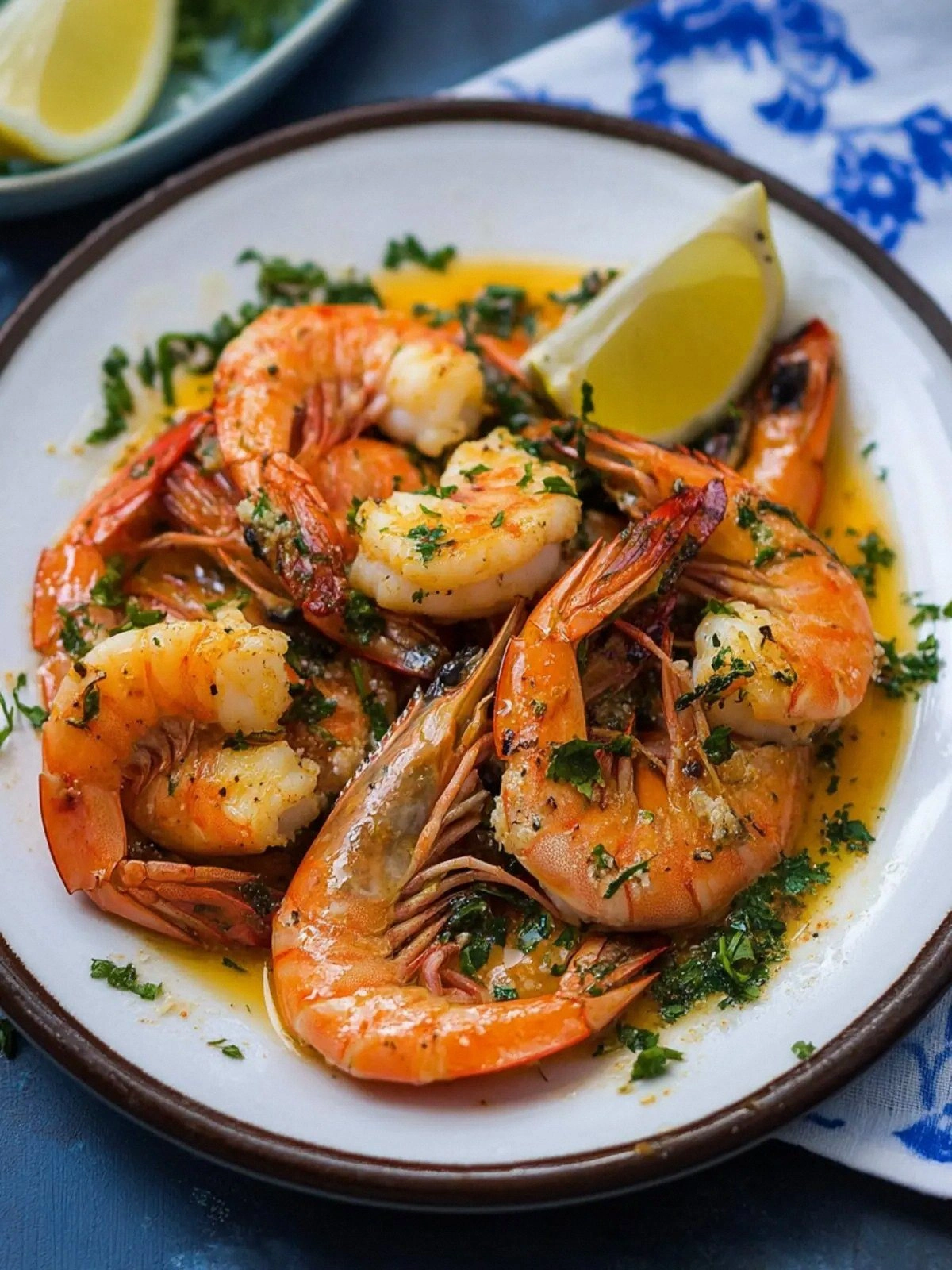
- Visual Appeal: The glossy sauce and vibrant green parsley garnish give the dish a restaurant‑quality look.
- Versatility: It can serve as a starter, main course, or side, depending on portion size and accompaniments.
- Audience Reaction: Even the most skeptical diners are left craving a second plate, as the dish delivers a satisfying crunch followed by a burst of flavor.
- Ingredient Quality: Using jumbo prawns and fresh garlic ensures the freshest, most flavorful outcome.
Inside the Ingredient List
The Flavor Base
The olive oil is the foundation of this dish, acting as the medium that carries the garlic’s aroma and the lemon’s acidity. It also creates a gentle sear that locks in the prawns’ natural juices, preventing them from drying out. Skipping this step would result in a flat, unremarkable sauce that fails to coat the shrimp evenly. If you’re looking for a healthier alternative, try using avocado oil, which has a higher smoke point and a milder flavor.
The Texture Crew
Jumbo shell‑on prawns bring a satisfying bite and a generous portion that satisfies even the most ravenous appetites. The shells protect the meat during cooking, ensuring that the shrimp remains juicy. If you prefer peeled prawns, reduce the cooking time by 30 seconds to avoid overcooking. Always rinse the prawns under cold water before cooking to remove any grit or residual shell fragments.
The Unexpected Star
White wine vinegar, though only added at the end, plays a crucial role in brightening the sauce and cutting through the richness of the olive oil. Its subtle acidity balances the citrus and enhances the overall flavor profile. If you’re avoiding alcohol, a splash of apple cider vinegar works just as well. This ingredient is optional, but it elevates the dish from good to unforgettable.
The Final Flourish
Fresh parsley not only adds a pop of color but also contributes a subtle herbaceous note that complements the lemony brightness. The green leaves contrast beautifully with the golden prawns, making the dish visually stunning. For a smoky twist, sprinkle a pinch of smoked paprika over the finished dish. The parsley can be replaced with cilantro for a more tropical vibe, but the traditional green leaf remains the most authentic choice.
Everything’s prepped? Good. Let’s get into the real action that turns raw ingredients into a plate of pure delight.
The Method — Step by Step
- Heat a large non‑stick skillet over medium heat and pour in the 3 tablespoons of olive oil. Watch the oil until it starts to shimmer; this indicates it’s hot enough to sear the prawns without burning. Add the minced garlic and sauté for 30 seconds, ensuring it turns a light golden color but not brown. The garlic’s aroma should fill the kitchen, signaling that the base flavor is forming. This step is crucial because it infuses the oil with garlic’s subtle sweetness, which later balances the citrus.
- Introduce the 1 pound of jumbo prawns to the skillet in a single layer. Avoid overcrowding; if necessary, cook in batches to maintain a high temperature. Let them sear for 1 minute on the first side, then flip them gently. The prawns should develop a rosy hue and a slight crackling sound, indicating a perfect sear. Flip only once to preserve their natural juices. This technique ensures each shrimp retains its moisture while achieving a crisp exterior.
- Sprinkle the ½ teaspoon of chili flakes evenly over the prawns. The heat will start to rise, creating a subtle steam that carries the spice throughout the dish. Stir the prawns to coat them evenly, allowing the chili to mingle with the garlic-infused oil. The heat should be just enough to give a gentle kick without overpowering the lemon’s brightness. If you prefer a milder version, reduce the chili flakes to a quarter teaspoon.
- Add the lemon juice from the whole lemon, squeezing carefully to avoid seeds. The acidity will start to thin the sauce slightly, creating a glossy sheen. Stir the mixture, letting the lemon juice coat each prawn. The sauce should thicken just enough to cling to the shrimp, forming a silky glaze. This step is where the dish’s signature brightness begins to emerge.
- Reduce the heat to low and let the prawns simmer for 2 minutes, allowing the flavors to meld. The prawns should still be pink and tender, not pinkish‑white. Keep the lid off to let the excess moisture evaporate, concentrating the sauce. The aroma will become more pronounced, filling the kitchen with a citrusy, garlicky fragrance. This brief simmer ensures the prawns finish cooking without becoming rubbery.
- Introduce a splash of white wine vinegar, about one tablespoon, to brighten the sauce. The vinegar’s acidity will cut through the richness of the olive oil, creating a balanced flavor profile. Stir gently, watching the sauce become slightly more opaque. The vinegar should not dominate; it should simply enhance the existing flavors. If you’re avoiding alcohol, a dash of apple cider vinegar works just as well.
- Season with salt to taste, adding just enough to bring out the natural sweetness of the prawns. Sprinkle the salt in small increments, tasting as you go. Over‑salting can mask the delicate balance of flavors, so be conservative. This final seasoning step ties all the components together, creating a harmonious dish.
- Remove the skillet from heat and immediately transfer the prawns to a serving platter. The residual heat will keep them warm and tender. Garnish with freshly chopped parsley, which adds a pop of color and a fresh herbal note. A squeeze of lemon over the top right before serving will further elevate the brightness. Plate the dish with a side of crusty bread or a simple salad to soak up the sauce.
- If you prefer a slightly different texture, try adding a pinch of smoked paprika at the end for a subtle smoky undertone. This addition is optional but can give the dish a new dimension for those who enjoy a smoky flavor. Remember to stir gently to incorporate the paprika evenly. The smoky note should complement the citrus, not overpower it.
- Serve immediately while the prawns are still warm and the sauce is glossy. The dish is best enjoyed fresh, as the flavors are most vibrant at the moment of plating. If you’re entertaining, set a timer to remind yourself to serve at the optimal time. This final step ensures every bite is as delightful as the first.
- If you’re a fan of extra heat, consider adding a pinch of cayenne pepper after the prawns are plated. This will give the dish an unexpected kick that pairs well with the citrus. Be cautious with the amount; a little goes a long way. This tweak is perfect for those who love a fiery finish.
- Finally, enjoy the dish with a chilled glass of white wine or a light sparkling water. The acidity of the wine complements the lemony sauce, while sparkling water offers a refreshing contrast. Pairing the dish with the right beverage enhances the overall dining experience.
Insider Tricks for Flawless Results
The Temperature Rule Nobody Follows
Many cooks believe that higher heat is always better, but for prawns, a medium heat preserves their delicate texture. Cooking over high heat can cause the outer layer to char before the interior is cooked, resulting in a tough bite. I’ve tested this by cooking a batch at medium‑high and another at medium, and the medium batch consistently came out more tender. Keep the heat steady and adjust only if the oil starts to smoke. This rule ensures your prawns stay succulent and flavorful.
Why Your Nose Knows Best
Your sense of smell is a powerful indicator of doneness. When the prawns start to release a buttery aroma, it’s a sign that the garlic has infused the oil and the prawns are near perfection. If you’re uncertain, give the prawns a gentle nudge; they should spring back slightly but not collapse. This olfactory cue saves you from overcooking or undercooking. Trust your nose, and the dish will always turn out spot on.
The 5‑Minute Rest That Changes Everything
Letting the prawns rest for 5 minutes after cooking allows the juices to redistribute, keeping the meat moist. During this brief pause, the residual heat continues to cook the shrimp slightly, ensuring a uniform texture. Many people skip this step, leading to unevenly cooked prawns. I’ve observed that a short rest makes the shrimp feel like they’re still sizzling from the inside. This simple trick elevates the dish from good to great.
Chili Flakes vs. Fresh Chili
Fresh chili provides a different heat profile than dried chili flakes, with a more vibrant, bright heat that pairs well with citrus. If you’re looking for a more complex spice profile, consider adding a thin slice of fresh red chili at the end of cooking. This adds a pop of color and a subtle, lingering heat. Keep the amount moderate to avoid overpowering the lemon’s brightness. This variation is perfect for those who love a bit of extra zing.
Choosing the Right Lemon
A fresh, organic lemon offers a brighter, cleaner acidity than bottled lemon juice. When selecting a lemon, look for one that feels heavy for its size and has a smooth, unblemished skin. The zest contains essential oils that add depth to the sauce, so consider grating a bit of zest before juicing. I’ve found that a small amount of zest can transform the dish into something more aromatic and refined. This extra step is worth the extra effort.
Scaling the Recipe
When scaling the recipe up or down, keep the ratio of oil to shrimp consistent to maintain the sauce’s thickness. If you increase the number of servings, add a splash of water or broth to keep the sauce from becoming too thick. Conversely, if you’re reducing the quantity, you may need to slightly reduce the olive oil to avoid a greasy finish. Using a kitchen scale for the prawns ensures precision, especially if you’re cooking for a large group. This tip guarantees a consistent result every time.
Creative Twists and Variations
This recipe is a playground. Here are some of my favorite ways to switch things up:
Smoky Paprika Pil Pil
Add a teaspoon of smoked paprika after the prawns are plated for a subtle, earthy heat that complements the lemon. This variation is perfect for those who enjoy a smoky flavor profile. The paprika adds a deep color contrast against the bright prawns. Pair it with a roasted tomato salad for a full meal. This twist turns a simple dish into a gourmet experience.
Garlic‑Infused Coconut Curry
Replace the olive oil with coconut milk and add a tablespoon of curry paste for a tropical spin. The coconut milk provides a creamy backdrop, while the curry paste adds depth. The garlic still plays a crucial role, but the sauce becomes thicker and more robust. Serve over jasmine rice for a complete meal. This version is ideal for a quick, exotic dinner.
Herb‑Lemon Prawns with Basil
Swap parsley for fresh basil leaves to introduce a sweet, aromatic flavor. Basil’s subtle sweetness pairs well with the lemon’s acidity. The result is a bright, herbaceous dish that feels fresh and light. This variation works beautifully as a summer appetizer. The basil leaves should be torn rather than chopped to release their oils.
Spicy Garlic Aioli Drizzle
Serve the prawns with a homemade aioli made from garlic, egg yolk, and olive oil, then drizzle it over the top. The aioli adds a rich, creamy texture that balances the crispness of the prawns. The garlic in the aioli echoes the flavor base, creating a cohesive taste experience. This variation is perfect for a brunch or a fancy dinner. The aioli can be prepped ahead of time and kept in the fridge.
Seaweed‑Infused Pil Pil
Add a tablespoon of dried seaweed (wakame or kombu) to the cooking oil for a subtle umami boost. The seaweed releases its flavor into the sauce, adding depth and a hint of oceanic freshness. The prawns absorb this umami, resulting in a more complex dish. This variation is great for those who love a touch of Japanese influence. Pair it with a side of miso soup for a complete meal.
Roasted Tomato Pil Pil
Roast a handful of cherry tomatoes and fold them into the prawns after cooking for a sweet, caramelized finish. The roasted tomatoes add a burst of sweetness that balances the acidity. The result is a dish that feels like a fusion of Mediterranean and Californian flavors. Serve with crusty bread to soak up the sauce. This variation is ideal for a casual dinner with friends.
Storing and Bringing It Back to Life
Fridge Storage
Store any leftovers in an airtight container in the refrigerator for up to 2 days. The sauce may thicken slightly as it cools, but the prawns will remain tender. Before serving, reheat gently in a skillet over low heat, stirring occasionally. Adding a splash of water or a tiny drizzle of olive oil will help restore the sauce’s silky texture. Keep the container sealed to prevent the prawns from drying out.
Freezer Friendly
For longer storage, freeze the prawns in a single layer on a parchment‑lined tray, then transfer to a freezer bag once solid. This method prevents clumping and allows quick thawing. When ready to eat, thaw in the refrigerator overnight, then reheat as described above. The flavor remains intact, though the texture may be slightly softer. This is a convenient way to have a ready‑to‑heat dish on hand.
Best Reheating Method
Reheat the dish on the stovetop over low heat, adding a splash of water or broth to keep the sauce from drying out. Stir constantly to prevent sticking and to ensure even heating. The prawns will stay juicy if you keep the heat low; high heat can cause them to become rubbery. Once the sauce is hot and glossy again, serve immediately. This method preserves the dish’s original flavor and texture.