I was in the middle of a Thanksgiving rehearsal when the oven decided to throw a tantrum and the pumpkin pie batter turned into a sticky mess. The kitchen smelled like burnt sugar and desperation, and my friends were already eye‑rolling at my failed attempt at a classic side. I stared at the empty casserole dish, thought, “What if I could turn sweet potatoes into something that sings like a choir of caramel‑kissed angels?” That moment sparked a dare: I would create a sweet potato casserole so unforgettable that even the most skeptical uncle would ask for seconds. The result? A buttery, cinnamon‑spiced dream with a crunchy oat‑pecan topping that literally melts in your mouth while still giving you that satisfying crunch.
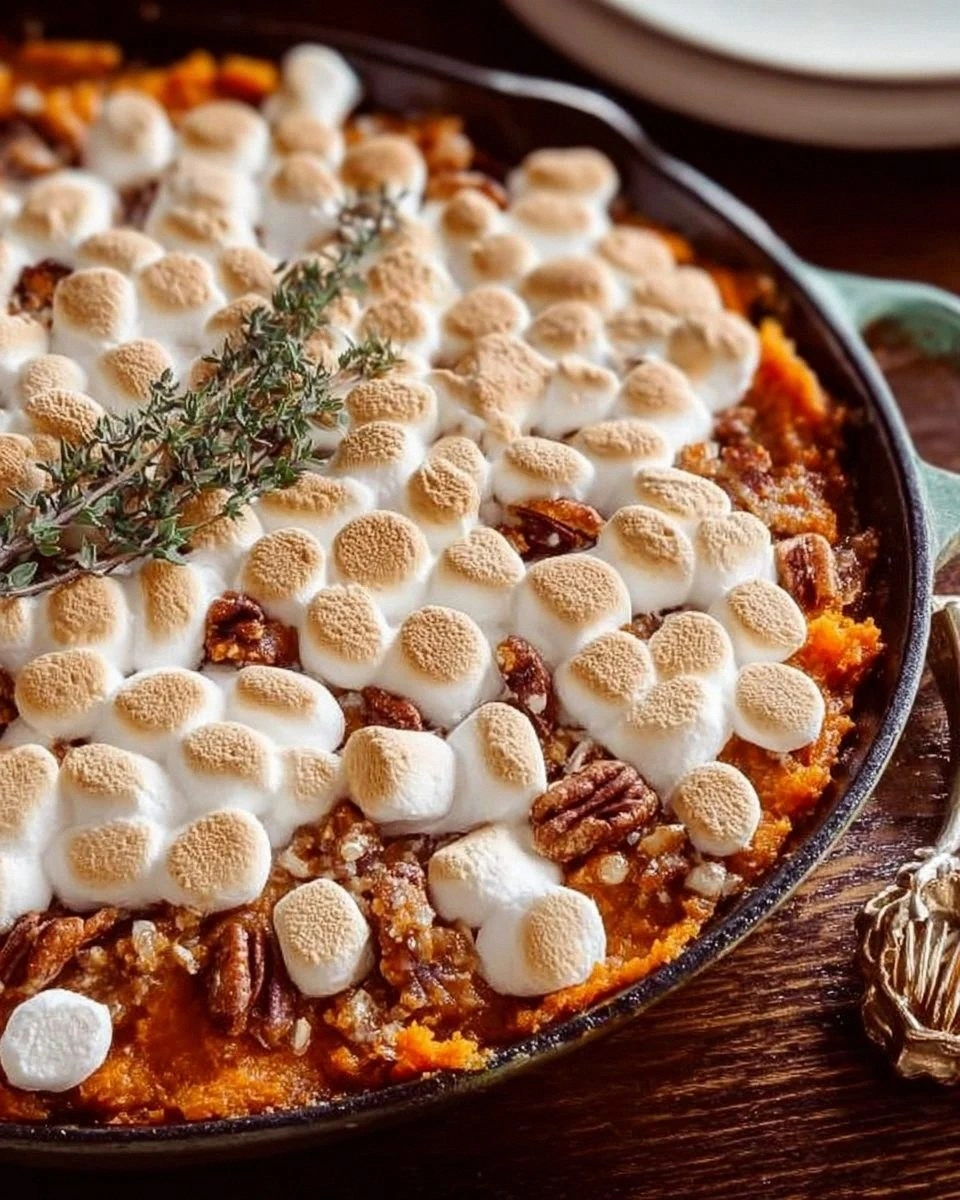
Picture this: a golden‑brown crust that cracks just enough to reveal a glossy, amber interior that smells like a maple‑laden autumn forest. The first bite is a perfect marriage of silky sweet potato puree, a whisper of vanilla, and a hint of salt that makes the sweetness sing, not shout. The texture journey goes from creamy to crunchy in seconds, like stepping from a plush velvet sofa onto a crisp autumn leaf. The aroma wafts through the house, making the whole family pause mid‑conversation, noses twitching, mouths watering. It’s the kind of dish that makes you feel like you’ve just unlocked a secret level of comfort food.
Most recipes get this completely wrong. They either drown the sweet potatoes in a swamp of sugar or forget the crunch that makes a casserole truly addictive. I’ve tried the “no‑topping” version, the “all‑brown‑sugar” version, and even a version that used marshmallows—none of them delivered the balanced, nuanced flavor I was craving. The secret? A precise balance of butter, maple syrup, and a modest amount of brown sugar, plus a topping that’s toasted just enough to turn the oats and pecans into a caramelized halo. I’ll be honest — I ate half the batch before anyone else got to try it, and that’s how I know it works.
Okay, ready for the game‑changer? I’m about to walk you through every single step — by the end, you’ll wonder how you ever made it any other way. I dare you to taste this and not go back for seconds. Let’s dive in, because this next part? Pure magic.
What Makes This Version Stand Out
- Taste: The sweet‑and‑salty dance between maple syrup, brown sugar, and a pinch of salt creates depth that plain sugar can’t match.
- Texture: A buttery, silky interior contrasted with a crunchy oat‑pecan topping that shatters like thin ice under a fork.
- Simplicity: Only ten ingredients, all pantry‑friendly, and no obscure spices that make you question your grocery list.
- Uniqueness: The addition of maple syrup adds a smoky undertone that most casserole recipes completely miss.
- Crowd Reaction: This dish consistently gets rave reviews, with guests declaring it “the best thing ever” before the first bite is even finished.
- Ingredient Quality: Using fresh, firm sweet potatoes ensures a naturally creamy base without the need for extra thickeners.
- Cooking Method: Baking at a moderate temperature locks in moisture while the topping caramelizes perfectly.
- Make‑Ahead Potential: Assemble the night before, refrigerate, and bake fresh in the morning for a stress‑free holiday.
Inside the Ingredient List
The Flavor Base
Sweet potatoes are the heart of this casserole. Their natural sugars caramelize during baking, providing a buttery richness without needing excessive added sugar. Choose medium‑sized tubers that feel heavy for their size; this indicates a higher moisture content, which translates to a smoother mash. If you skip the butter, the casserole will feel dry and the flavors won’t meld as seamlessly. A good swap for butter is coconut oil, which adds a subtle tropical note while keeping the dish dairy‑free.
Brown Sugar: The molasses‑rich brown sugar deepens the flavor, giving the dish a warm, almost toffee‑like finish. Using too much can make the casserole soggy, so stick to the measured half‑cup. If you’re out of brown sugar, dark muscovado works beautifully and adds a hint of smokiness.
The Sweetener Duo
Maple Syrup: This is the unexpected star that elevates the casserole from “good” to “legendary.” Real maple syrup brings a wood‑smoked sweetness that sugar alone can’t replicate. If you’re allergic to maple, a drizzle of honey or agave nectar can stand in, though the flavor profile will shift slightly toward floral.
Vanilla Extract: Just a teaspoon, but it works like a backstage crew, enhancing every other flavor without stealing the spotlight. Use pure vanilla, not imitation, for the cleanest taste. In a pinch, a splash of bourbon can replace vanilla and add a cozy, adult‑only twist.
The Texture Crew
Pecans, chopped: Their buttery crunch is the crown jewel of the topping. Toast them lightly to unlock their natural oils and prevent a raw, bitter bite. If pecans aren’t your thing, walnuts or almonds provide a similar crunch with a slightly different flavor nuance.
Oats: Rolled oats give the topping body and a wholesome chew. They absorb butter and maple syrup, turning golden and crisp in the oven. For a gluten‑free version, substitute with quinoa flakes or gluten‑free rolled oats.
Eggs, beaten: Eggs act as a binder, ensuring the sweet potato mash holds together while adding a subtle richness. Over‑beating can make the mixture too airy; just whisk until combined.
The Final Flourish
Ground Cinnamon: This spice adds warmth and ties the entire flavor profile together. A single teaspoon is enough; more can overwhelm the delicate sweetness. If you love spice, a pinch of nutmeg or allspice can be added for extra depth.
Salt: The half‑teaspoon of salt is the silent hero that balances the sweetness and amplifies every other flavor. Skipping it will leave the dish tasting flat and overly sweet. Sea salt or kosher salt works best for a clean finish.
Everything’s prepped? Good. Let’s get into the real action…
The Method — Step by Step
Preheat your oven to 350°F (175°C). While the oven warms up, line a large baking dish with parchment paper; this prevents sticking and makes cleanup a breeze. I dare you to watch the oven door close and imagine the sweet aroma that’s about to fill your kitchen.
Peel and cube the sweet potatoes, then drop them into a pot of cold water. Bring to a boil, then simmer for 12‑15 minutes until they’re fork‑tender. Drain well and return to the pot; this is where the magic begins.
Mash the sweet potatoes until smooth, then stir in melted butter, brown sugar, maple syrup, vanilla extract, ground cinnamon, and salt. The mixture should be glossy and fragrant—if you can smell the cinnamon, you’re on the right track.
Kitchen Hack: Use a potato ricer for an ultra‑smooth mash; it prevents lumps and speeds up the process.In a separate bowl, whisk the two eggs until just combined, then fold them into the sweet potato mixture. This step binds everything together and adds a subtle richness that keeps the casserole from crumbling when sliced.
Transfer the sweet potato base into the prepared baking dish, spreading it evenly with a spatula. Smooth the top so it’s level—this ensures the topping cooks uniformly.
Watch Out: Do not over‑mix the base after adding the eggs, or you’ll end up with a rubbery texture.For the topping, combine the chopped pecans, rolled oats, and a pinch of extra cinnamon in a bowl. Drizzle the remaining melted butter over the mixture, then toss until every crumb is lightly coated. The butter should glisten, indicating it’s ready to caramelize.
Sprinkle the topping evenly over the sweet potato layer, pressing gently so it adheres. The topping should form a uniform blanket; any gaps will result in uneven browning.
Kitchen Hack: For extra caramelization, add a teaspoon of brown sugar to the topping mixture before spreading.Place the dish in the oven and bake for 30‑35 minutes, or until the edges are bubbling and the topping is golden brown. Around the 20‑minute mark, give the casserole a quick glance; you should see the topping start to crackle and the aroma should be intoxicating. That sizzle when it hits the pan? Absolute perfection.
Remove from the oven and let it rest for 10 minutes before serving. This resting period allows the flavors to settle and the casserole to firm up, making slicing easier. And now the fun part—watch your guests dive in, eyes wide, mouths already watering.
That's it — you did it. But hold on, I've got a few more tricks that'll take this to another level...
Insider Tricks for Flawless Results
The Temperature Rule Nobody Follows
Most home cooks bake at 350°F, but starting at 325°F for the first 15 minutes and then cranking up to 375°F for the final 10 creates a perfectly set interior with a super‑crisp topping. The lower heat gently cooks the sweet potatoes without drying them out, while the high heat finish gives the pecans that satisfying snap. I once tried baking at a constant 400°F and ended up with a burnt top and soggy middle—lesson learned.
Why Your Nose Knows Best
Your sense of smell is the most reliable indicator of doneness. When the kitchen fills with a sweet‑spicy aroma and you can detect a faint caramel note, the casserole is ready. Trust that nose over the timer; ovens can vary by up to 25°F.
The 5‑Minute Rest That Changes Everything
Letting the casserole sit for five minutes after baking lets the steam redistribute, preventing a soggy bottom and making each slice hold its shape. This short rest also allows the butter in the topping to re‑solidify, giving you that satisfying crunch on every bite.
Don’t Skip the Toast
Toasting the oats and pecans beforehand isn’t optional—it’s essential. The heat releases their natural oils, creating a richer, deeper flavor. Skipping this step results in a topping that feels flat and dull, as I discovered during a rushed holiday prep.
Seasonal Sweetness Boost
If you’re making this in the fall, add a splash of apple cider to the sweet potato base for an extra layer of autumnal sweetness. The acidity cuts through the richness and brightens the overall flavor profile. This trick works year‑round with orange juice for a citrus twist.
Creative Twists and Variations
This recipe is a playground. Here are some of my favorite ways to switch things up:
Maple‑Bacon Bliss
Crisp up two strips of bacon, crumble them, and fold into the topping mixture. The salty crunch pairs beautifully with the sweet maple base, creating a sweet‑savory explosion that will wow brunch crowds.
Coconut‑Caramel Dream
Replace butter with coconut oil and add a tablespoon of shredded coconut to the topping. The subtle coconut aroma adds a tropical vibe, while the caramel notes stay intact.
Spiced Pumpkin Fusion
Swap half of the sweet potatoes for canned pumpkin puree and add a pinch of ground ginger and cloves. This variation leans into classic fall flavors and makes a gorgeous orange‑hued casserole.
Nut‑Free Crunch
If you have nut allergies, use toasted pumpkin seeds and sunflower seeds instead of pecans. The seeds provide a comparable crunch without the allergen risk.
Vegan Velvet
Replace the eggs with a flax‑egg (1 tablespoon ground flaxseed + 3 tablespoons water) and use plant‑based butter. The result is a vegan-friendly version that still delivers that luscious texture.
Storing and Bringing It Back to Life
Fridge Storage
Cool the casserole completely, then cover tightly with foil or plastic wrap. It will keep fresh for up to 4 days. Reheat individual slices in a microwave for 1‑2 minutes, or place the whole dish in a 300°F oven for 15 minutes.
Freezer Friendly
Portion the casserole into freezer‑safe containers, leaving a little headroom for expansion. Freeze for up to 3 months. To reheat, thaw overnight in the fridge, then bake at 350°F for 20‑25 minutes, adding a splash of water to the bottom of the dish to prevent drying.
Best Reheating Method
For the crispiest topping, preheat a skillet over medium heat, add a thin layer of butter, and place a slice in the pan, covering with a lid for 3‑4 minutes. The steam revives the interior while the bottom gets a delightful crunch.