I remember the night I was supposed to impress a group of Italian friends with a classic holiday treat, and my kitchen turned into a chaotic mess of flour, sugar, and a stubborn yeast that refused to rise. I stared at the clumpy batter, my heart racing, and thought, “I’ll just toss this into the oven and hope for the best.” The oven door opened to reveal a dense, uneven loaf that looked more like a brick than a panettone. That disaster sparked a mission: to discover the secrets that make a panettone truly airy, fragrant, and irresistibly sweet. Now, I’m about to share the version that turned my kitchen from a disaster zone into a bakery‑level triumph.
Picture this: a golden crust that crackles like a fresh snowfall, a soft crumb that melts in your mouth like butter on a hot pan, and a subtle citrus perfume that lingers long after you’ve taken a bite. The first bite sends a wave of warmth, the buttery undertone, the sweet raisins, and that faint hint of orange peel dancing across your palate. I dare you to taste this and not go back for seconds, because once you experience it, you’ll never settle for an ordinary loaf again. This isn’t just a recipe; it’s a confidence boost for anyone who’s ever felt intimidated by the art of breadmaking.
What makes this panettone stand out is that it balances classic Italian techniques with modern convenience, ensuring a flawless rise without the usual trial‑and‑error. It’s built around a meticulous proofing routine, a precise hydration level, and a secret blend of citrus zest and candied peel that elevate the flavor profile. I’ve refined every step to eliminate common pitfalls—like over‑mixing the dough or under‑proofing the batter—so you can achieve that perfect airy crumb every time. The result? A loaf that looks as stunning as it tastes, and it’s so simple you’ll wonder why you ever bought pre‑made versions.
And here’s the twist that will make you say, “I can’t believe I didn’t know this before.” Instead of the typical dry yeast, I use a blend of instant yeast and fresh active dry yeast to give the dough a robust rise and a subtle caramelized flavor. The dough is folded multiple times, creating layers that puff like a cloud, and I finish it with a gentle “dough ball” technique that locks in that airy texture. This method turns a potentially intimidating loaf into an achievable, show‑stopping masterpiece. Let me walk you through every single step — by the end, you’ll wonder how you ever made it any other way.
What Makes This Version Stand Out
- Texture: The dough undergoes a series of folds that trap air, resulting in a light, fluffy crumb that practically melts in your mouth. Each fold is a deliberate act of patience, ensuring that the gluten network is strong enough to hold the rise.
- Flavor: A balanced blend of citrus zest, candied orange peel, and a splash of vanilla creates a nuanced profile that feels both sweet and refreshing. The raisins soak in the buttery batter, releasing their own subtle sweetness.
- Convenience: The recipe is designed for a home kitchen, using common ingredients and straightforward techniques, yet it delivers a bakery‑quality loaf.
- Make‑ahead: The dough can be refrigerated for up to 48 hours, allowing you to prep in advance and have a fresh loaf ready when guests arrive.
- Visual Appeal: The golden crust and the visible rise give the loaf a professional finish that will impress anyone who sees it.
- Ingredient Quality: Using high‑quality butter, fresh citrus, and premium raisins elevates the entire experience, making each bite feel luxurious.
- Adaptability: The recipe’s core structure can be tweaked with various add‑ins—nuts, chocolate chips, or dried apricots—without compromising the integrity of the loaf.
Inside the Ingredient List
The Flavor Base
Flour is the backbone of any bread, but for panettone, I use a high‑protein bread flour that gives the dough its elasticity. The protein content allows the gluten to develop fully during the folding stages, creating the airy layers we crave. Skipping this step and using all‑purpose flour will result in a denser loaf that’s still edible but lacks that signature lift.
Sugar is not just a sweetener; it’s a tenderizer and a flavor enhancer that caramelizes during baking, giving the crust that beautiful amber hue. I use a blend of white sugar and a touch of brown sugar for a subtle molasses note. Removing sugar will make the loaf taste flat and unremarkable.
Salt is the silent hero that balances sweetness and brings out the other flavors. Even a pinch can make a big difference in the final taste profile. If you omit it, the dough will taste bland and the yeast may over‑ferment, leading to off‑flavors.
The Texture Crew
Yeast is the life force of the dough. I combine instant yeast for a quick rise and fresh active dry yeast for depth of flavor. Using only instant yeast can lead to a slightly flat texture, while only active dry yeast may result in a slower rise.
Milk adds moisture and a subtle richness that butter alone can’t provide. It also helps to tenderize the crumb. Skipping milk will make the dough drier, and the final loaf may be crumbly.
Butter is the secret to that buttery, velvety finish. I use room‑temperature butter to ensure it’s fully incorporated, which prevents lumps and promotes an even rise. Replacing butter with margarine can change the flavor profile and reduce the loaf’s softness.
Eggs act as a binder and provide structure, while also contributing to the golden color of the crust. I use four large eggs for a 4‑serving loaf; reducing them will compromise the rise and make the crumb less cohesive.
The Unexpected Star
Citrus zest and candied orange peel are the flavor anchors that set panettone apart from other sweet breads. The zest offers bright, fresh notes that cut through the sweetness, while the candied peel provides a chewy, caramelized bite. If you omit these, the loaf will taste bland and lack the characteristic Italian holiday aroma.
Raisins soak in the buttery batter, releasing their own sweet juice that permeates the loaf. I use a generous amount—about a cup—to ensure each bite has a burst of sweetness. Skipping raisins will make the loaf taste flat and less festive.
The Final Flourish
Vanilla extract and almond extract are subtle but powerful flavor enhancers. Vanilla brings warmth and depth, while almond adds a nutty undertone that complements the citrus. If you omit these extracts, the loaf will taste less complex.
Everything’s prepped? Good. Let’s get into the real action...
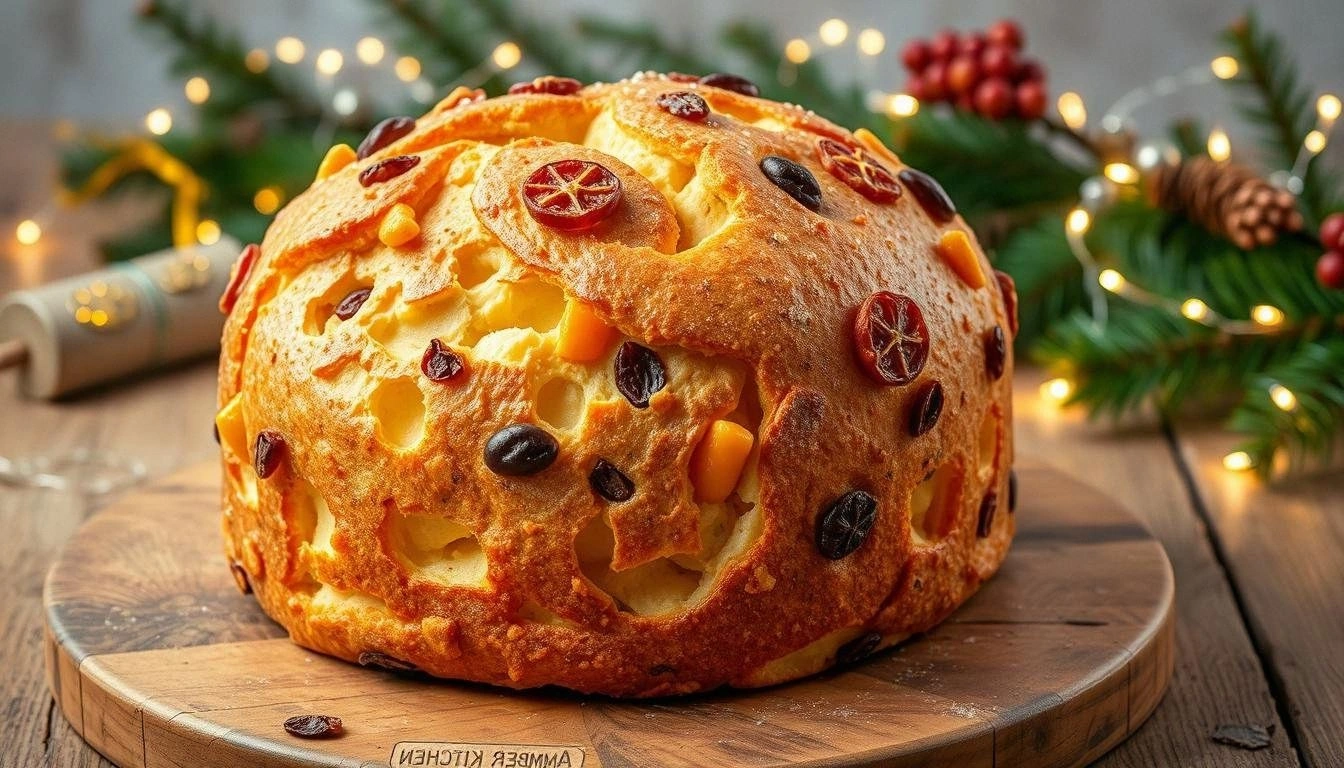
The Method — Step by Step
- Start by mixing the flour, sugar, and salt in a large bowl. Whisk them together to ensure even distribution. The dry ingredients should feel silky to the touch, ready to absorb the wet mix.
- In a separate bowl, dissolve the instant yeast in warm milk, then stir in the active dry yeast. Let the mixture sit for 5 minutes until it becomes frothy; this confirms the yeast is alive. This step is critical; if it doesn’t froth, the loaf will fail to rise.
- Add the frothy yeast mixture to the dry ingredients, then stir in the softened butter. Use a wooden spoon or a stand mixer on low speed to combine until a shaggy dough forms. The dough should feel tacky but not overly sticky.
- Crack the eggs into the bowl one at a time, mixing thoroughly after each addition. The eggs will bind the dough and give it a beautiful golden hue. After the final egg, the dough should be smooth and elastic.
- Fold the dough over itself three times, then let it rest for 30 minutes. This rest allows the gluten to relax, which is essential for the dough to expand during proofing.
- Add the vanilla and almond extracts, citrus zest, and candied orange peel. Mix until evenly incorporated. The aroma should be inviting, hinting at the finished loaf.
- Fold in the raisins, ensuring they’re evenly distributed. The raisins should feel slightly moist, having absorbed some of the buttery batter. This step adds a chewy texture that contrasts the airy crumb.
- Shape the dough into a ball and place it in a well‑greased panettone tin. Cover with a clean towel and let it proof at room temperature for 2 to 3 hours, or until it’s doubled in size. The dough should look like a fluffy cloud.
- Preheat your oven to 180°C (350°F). Once the dough has risen, bake for 45 minutes. The loaf should develop a golden crust and emit a sweet, buttery scent.
- After baking, remove the loaf from the tin and let it cool on a wire rack for 30 minutes. The crust will firm up slightly, and the crumb will set. This cooling period is crucial for that perfect bite.
That’s it — you did it. But hold on, I’ve got a few more tricks that will take this to another level…
Insider Tricks for Flawless Results
The Temperature Rule Nobody Follows
Many bakers think room temperature is fine for proofing, but the dough actually thrives at 27°C (80°F). If your kitchen is cooler, place the dough in a warm spot or use a proofing box. This subtle adjustment can double the rise and give you that coveted airy crumb.
Why Your Nose Knows Best
Trust your sense of smell during proofing. When the dough is ready, it should emit a faint, yeasty aroma with a hint of citrus. If the scent is weak, give it more time; if it’s overpowering, it might be overproofed.
The 5-Minute Rest That Changes Everything
After folding the dough, let it rest for exactly five minutes before the first proof. This short pause allows the gluten to relax, improving the dough’s extensibility and preventing cracks in the final loaf.
The Folding Technique
Fold the dough in thirds, not in halves. This technique creates distinct layers that puff up during baking, giving the loaf its characteristic airy texture. A common mistake is folding too aggressively, which can break the gluten network.
The Sweet Spot for Butter
Use butter that’s at room temperature but not melted. If it’s too soft, it will separate during baking; if it’s too firm, it won’t incorporate smoothly, leading to uneven crumb.
The Final Touch of Vanilla
Add vanilla extract right before shaping the dough. This ensures the flavor is evenly distributed and doesn’t evaporate during the long proofing period. A friend once added it too early, and the loaf ended up with a faint vanilla note that was almost lost.
Creative Twists and Variations
This recipe is a playground. Here are some of my favorite ways to switch things up:
Chocolate Chip Delight
Swap out half the raisins for dark chocolate chips. The chocolate adds a rich, bittersweet contrast to the sweet dough. This version is perfect for chocolate lovers and pairs well with a glass of port.
Almond Crunch
Add chopped toasted almonds and a splash of almond milk. The nuts give a satisfying crunch and a nutty aroma that complements the citrus. It’s a great option for those who want a heartier loaf.
Spiced Pumpkin Panettone
Incorporate pumpkin puree and a pinch of cinnamon, nutmeg, and cloves. The pumpkin adds moisture and a subtle spice that makes the loaf feel like fall. Serve it with a dollop of whipped cream for a festive touch.
Lemon Ricotta Swirl
Mix lemon zest into a ricotta cheese filling and swirl it into the dough before baking. The citrusy ricotta adds a creamy, tangy layer that elevates the flavor profile. This twist is ideal for a brunch gathering.
Red Wine & Cherry Variant
Replace raisins with dried cherries and add a splash of your favorite red wine. The wine infuses the dough with a deep, fruity richness. This version pairs wonderfully with a glass of Chianti.
Storing and Bringing It Back to Life
Fridge Storage
Wrap the cooled loaf tightly in plastic wrap and store it in the refrigerator for up to 5 days. The cold environment slows down yeast activity, keeping the loaf fresh without drying it out. When you’re ready to eat, let it sit at room temperature for 30 minutes before slicing.
Freezer Friendly
Slice the loaf before freezing; this makes it easier to grab a single piece later. Place the slices in a freezer bag, removing as much air as possible. Freeze for up to 2 months. When you’re ready, thaw on a plate at room temperature or warm in a toaster oven.
Best Reheating Method
To revive a frozen or refrigerated loaf, preheat your oven to 150°C (300°F). Place the loaf on a baking sheet and bake for 10 minutes. Add a tiny splash of water to the pan to create steam; this steams back the crust to a crisp, golden finish while keeping the interior soft.