Picture this: I’m standing in a cramped kitchen, the oven humming like a lazy cat, and a sudden craving for something that feels like a hug wrapped in flaky pastry hits me like a freight train. I tried the usual store‑bought frozen meat pies, but they crumbled under the slightest pressure and tasted like cardboard with a side of regret. Then, after a disastrous attempt at a soggy dumpling that left my countertop looking like a crime scene, I decided to roll up my sleeves and create the ultimate Chinese meat pie that would finally put an end to my snack‑time sorrow. I dared my roommate to try one and not go back for seconds, and she actually backed out—so you know this is serious business.
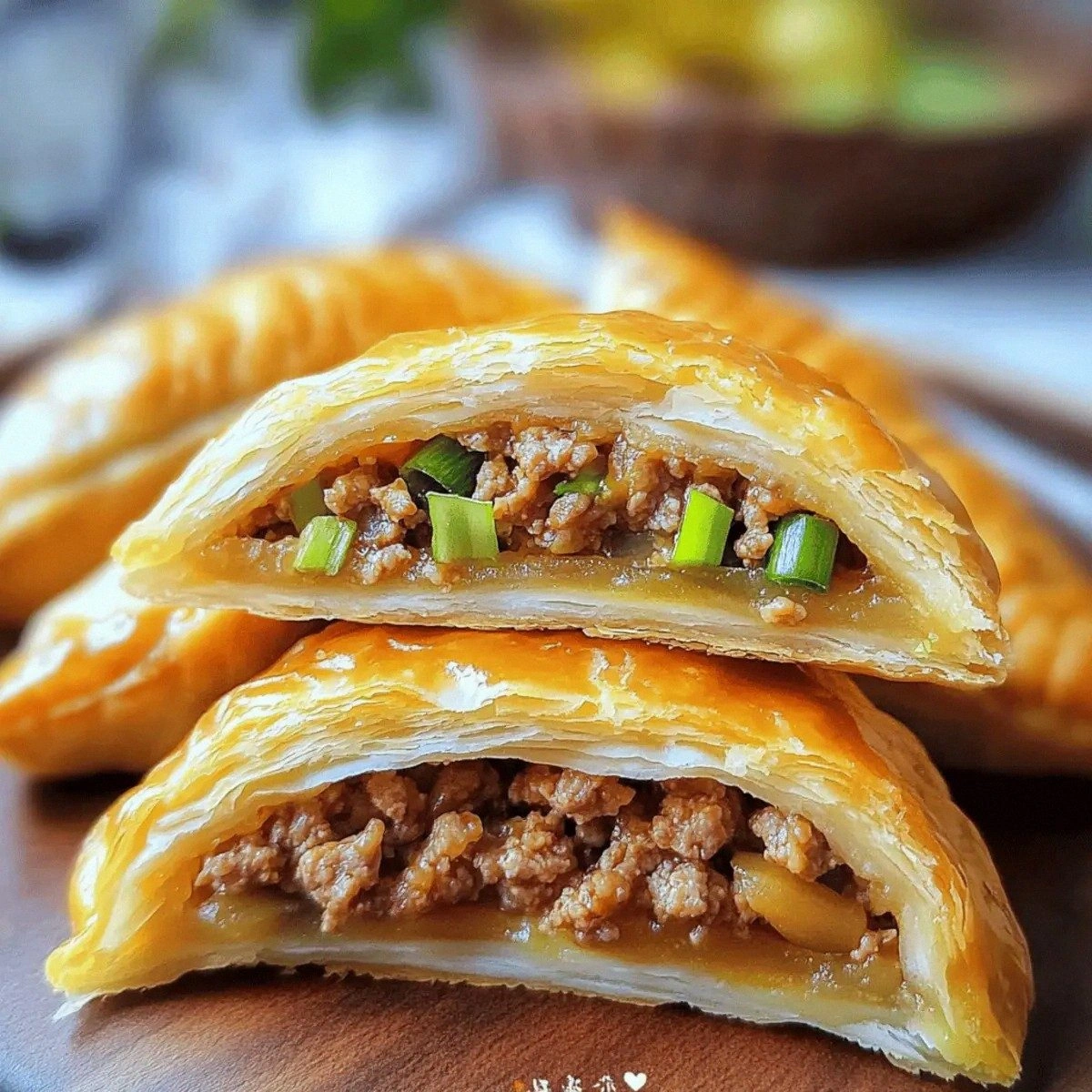
From the moment the dough hits the hot water, you can hear it sigh, the scent of fresh flour mingling with the faint whisper of steam, promising a texture that’s simultaneously tender and crisp. The kitchen fills with the earthy perfume of ginger and the sharp, salty kiss of soy sauce, while the green onions add a fresh, almost grassy note that makes your nose tingle in anticipation. When you finally bite into the golden crust, the crunch shatters like thin ice, giving way to a juicy, savory filling that oozes with umami, making you feel like you’ve just discovered a secret culinary treasure hidden in plain sight.
What makes this version stand out is not just the ingredients, but the method—a marriage of traditional Chinese techniques and a few modern hacks that guarantee consistency every single time. I’m talking about a dough that’s pliable yet sturdy, a filling that stays moist without being greasy, and a frying method that creates that coveted “crispy comfort” without the mess of deep‑frying a whole batch. You’ll also notice a surprise ingredient that adds a subtle depth you never knew a meat pie could have, turning a simple snack into an unforgettable experience.
Let me walk you through every single step — by the end, you’ll wonder how you ever made it any other way. Okay, ready for the game‑changer? This next part? Pure magic. Keep your eyes on the details, stay with me here — this is worth it.
What Makes This Version Stand Out
- Flavor Explosion: The combination of ginger, soy sauce, and green onions creates a layered taste that’s both aromatic and deeply savory, hitting every palate note from salty to sweet.
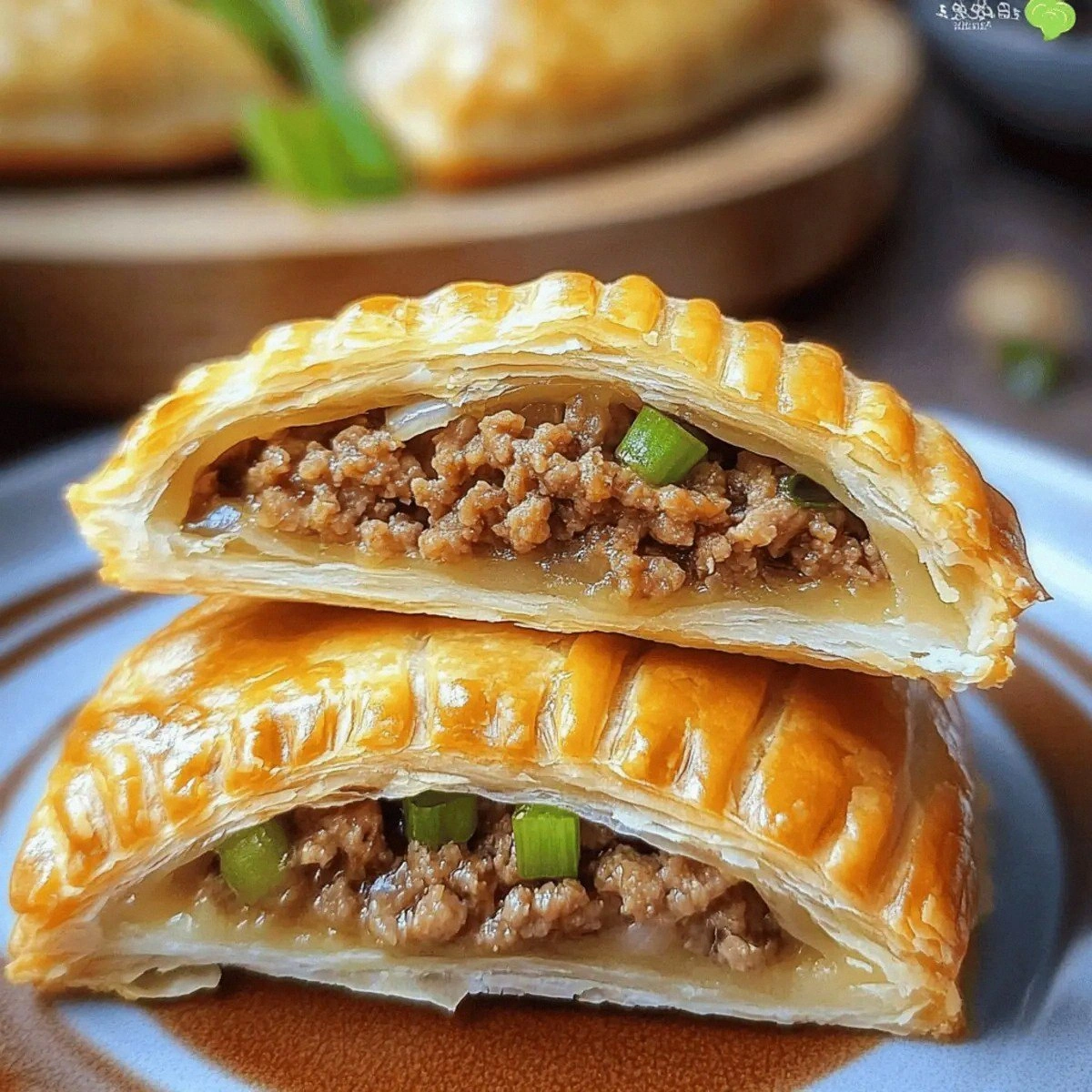
- Texture Harmony: A crisp, golden crust that shatters like glass yet remains tender underneath, paired with a juicy, melt‑in‑your‑mouth filling.
- Simplicity: Only eight core ingredients, all easy to find, yet each plays a crucial role in the final masterpiece.
- Unique Technique: The two‑water method for dough—hot water for gluten relaxation and cold water for structure—ensures the perfect bite every time.
- Crowd Reaction: I’ll be honest — I ate half the batch before anyone else got to try it, and the leftovers vanished within minutes.
- Ingredient Quality: Using fresh ginger and green onions makes a world of difference, turning a simple pie into a gourmet delight.
- Cooking Method: Shallow frying in oil gives you that restaurant‑style crunch without the deep‑fried guilt.
- Make‑Ahead Potential: These pies freeze beautifully, so you can prep a batch for the week and enjoy them whenever the craving strikes.
Inside the Ingredient List
The Flavor Base
The 2 cups of all‑purpose flour form the backbone of the crust, providing structure and that satisfying bite. If you substitute cake flour, the crust will become too delicate and crumble under the filling’s weight. Look for a flour that’s labeled “unbleached” for the best texture, and always sift it before measuring to avoid clumps.
The Moisture Duo
The hot water (1 cup) is the secret hero; it gelatinizes the starches, making the dough pliable and easy to roll. The cold water (½ cup) then shocks the gluten, preventing the crust from becoming tough. Skipping the cold water will give you a dough that’s elastic like rubber, not the flaky perfection we’re after. If you’re out of hot water, a quick microwave‑heated cup works just fine.
The Protein Powerhouse
Ground beef or pork (1 lb) is the star of the filling. Beef offers a richer, beefy depth, while pork brings a subtle sweetness that pairs beautifully with soy sauce. Choose meat with a little fat (around 15 %); too lean and the pies will dry out, too fatty and they’ll be greasy. If you’re feeling adventurous, a mix of both gives a balanced flavor profile.
The Aromatic Trio
Three stalks of green onions, finely sliced, add a fresh, slightly pungent bite that cuts through the richness of the meat. One tablespoon of ginger, minced, injects a warm, peppery heat that awakens the senses. Two tablespoons of soy sauce provide the salty umami backbone, tying all the flavors together. If you’re low on ginger, a pinch of ground ginger works, but fresh is always better.
The Final Flourish
The final ingredient, a full cup of oil, is crucial for achieving that golden, crispy exterior. Use a neutral oil with a high smoke point—vegetable or canola are perfect. If you opt for peanut oil, you’ll add a subtle nutty aroma that elevates the pies even further. Remember, the oil’s temperature is the difference between a perfect crust and a soggy disappointment.
Everything's prepped? Good. Let's get into the real action...
The Method — Step by Step
First, combine the 2 cups of flour with a pinch of salt in a large mixing bowl. Slowly pour in the 1 cup of hot water while stirring with chopsticks or a fork; the mixture will look shaggy and slightly sticky. Let it rest for 5 minutes, allowing the flour to fully absorb the heat. This resting period is where the magic starts, as the starches swell and the dough becomes pliable.
Next, add the ½ cup of cold water a little at a time, kneading gently until the dough forms a smooth ball that doesn’t stick to your hands. Power transition: This is the moment where you feel the dough shift from tough to tender. If the dough feels too dry, sprinkle a few extra drops of cold water; if it’s too wet, dust with a touch more flour.
Cover the dough with a damp cloth and let it rest for another 10 minutes. During this time, the gluten relaxes, making it easier to roll out thinly without tearing.
Kitchen Hack: Place the dough on a piece of parchment paper; it prevents sticking and makes transferring to the pan a breeze.While the dough rests, heat 1 cup of oil in a deep skillet over medium‑high heat until it shimmers—about 350°F (175°C). Meanwhile, in a separate bowl, combine the ground meat, minced ginger, sliced green onions, and soy sauce. Mix thoroughly, ensuring the ginger distributes evenly; this ensures each bite gets that aromatic punch.
Divide the dough into 12 equal portions, rolling each into a ball. On a lightly floured surface, roll each ball into a thin circle about 4 inches in diameter. Watch Out: If the edges become too thin, they’ll burn before the filling cooks through. Keep the center a touch thicker for structural integrity.
Place a generous spoonful (about 2 tablespoons) of the meat mixture onto the center of each dough circle. Fold the dough over to create a half‑moon shape, then press the edges together, sealing with a fork or your fingertips. The sealing is crucial—any gaps will let oil seep in and make the crust soggy.
Carefully slide the sealed pies into the hot oil, a few at a time, ensuring they don’t crowd the pan. Fry for 3‑4 minutes per side, or until the exterior turns a deep, buttery gold. That sizzle when it hits the pan? Absolute perfection. Turn them gently with tongs; the crust should lift easily, indicating a perfect seal.
Remove the pies with a slotted spoon and place them on a wire rack lined with paper towels to drain excess oil. Let them rest for 2 minutes; this short pause lets the steam finish cooking the interior without over‑cooking the crust.
Serve the pies hot, accompanied by a simple soy‑vinegar dip if desired. Picture yourself pulling this out of the oven, the whole kitchen smelling incredible, and the first bite delivering that satisfying crunch followed by juicy, aromatic filling. I dare you to taste this and not go back for seconds.
That's it — you did it. But hold on, I've got a few more tricks that'll take this to another level...
Insider Tricks for Flawless Results
The Temperature Rule Nobody Follows
Maintain the oil at a steady 350°F (175°C). Use a kitchen thermometer; guessing leads to uneven cooking. If the oil is too hot, the crust will burn before the filling cooks; too cool, and the pies absorb excess oil, becoming greasy. I once tried to “feel” the temperature by a quick dip of a wooden spoon—big mistake. Trust the tool, and you’ll get that perfect golden hue every time.
Why Your Nose Knows Best
When the filling is done, you’ll notice a fragrant steam rising, a blend of soy, ginger, and green onion that signals readiness. If the aroma fades, give the pies another minute; under‑cooked meat can be a disaster. Your nose is a reliable gauge—listen to it, and you’ll avoid the dreaded raw center.
The 5‑Minute Rest That Changes Everything
After frying, let the pies rest on a wire rack for exactly five minutes. This short pause allows the juices to redistribute, preventing a dry interior. I once skipped this step, and the pies felt like a dry sandwich. Trust the rest period; it’s the secret to that melt‑in‑your‑mouth texture.
Cold Water Shock for the Perfect Crust
Adding that ½ cup of cold water after the hot water isn’t just a gimmick; it creates a micro‑shock that locks in air pockets, giving the crust its airy bite. If you’re in a rush, you can use ice cubes instead of cold water for an even more pronounced effect.
Oil Choice Matters
Using a neutral, high‑smoke‑point oil like canola ensures the crust fries evenly without imparting unwanted flavors. Peanut oil adds a subtle nutty note, but be mindful of allergies. Avoid olive oil; its lower smoke point can cause a bitter aftertaste.
Creative Twists and Variations
This recipe is a playground. Here are some of my favorite ways to switch things up:
Spicy Sichuan Kick
Add a teaspoon of Sichuan peppercorn powder to the meat mixture and drizzle a few drops of chili oil into the filling. The result is a tongue‑tingling heat that pairs perfectly with the crisp crust.
Veggie‑Loaded Delight
Swap half the meat for finely diced shiitake mushrooms and shredded cabbage. The mushrooms add umami, while the cabbage provides a subtle crunch, making the pies suitable for vegetarians who still crave that savory depth.
Sweet & Savory Fusion
Incorporate a spoonful of hoisin sauce into the filling and sprinkle a pinch of five‑spice powder. The sweet notes balance the salty soy, creating a complex flavor profile that’s surprisingly addictive.
Cheese‑Infused Surprise
Mix in a quarter cup of grated mozzarella into the meat mixture. As the pies fry, the cheese melts, creating gooey pockets that surprise the palate with a creamy burst.
Herbaceous Herb Garden
Finely chop fresh cilantro and mint, then fold them into the filling for a fresh, aromatic twist. This variation is perfect for summer gatherings when you want something light yet satisfying.
Mini Bite‑Size Appetizers
Roll the dough thinner and cut into smaller circles, then fill with a reduced amount of filling. These mini pies are perfect for cocktail parties and can be served with a dipping sauce of soy, lime, and a hint of honey.
Storing and Bringing It Back to Life
Fridge Storage
Place the cooled pies in an airtight container and store them in the refrigerator for up to three days. To keep the crust from getting soggy, line the container with a paper towel to absorb excess moisture.
Freezer Friendly
Wrap each pie individually in plastic wrap, then place them in a zip‑top freezer bag. They’ll keep for up to two months. When you’re ready to eat, skip the thaw and go straight to the pan—just add a tiny splash of water to the oil, and the pies will steam back to perfection while the crust re‑crispes.
Best Reheating Method
Reheat in a preheated 375°F (190°C) oven for 8‑10 minutes, or quickly pan‑fry for 2‑3 minutes on each side. Adding a splash of water to the pan before reheating creates a gentle steam that revives the interior without drying it out.