Picture this: I’m halfway through a pot of homemade cabbage rolls, the kitchen smells like a comforting stew, and my friends are already eyeing the platter with hungry anticipation. I had a moment of culinary panic when I realized the sauce had thickened too much, threatening to drown the delicate rolls. I pulled out a bottle of tomato paste, a splash of red wine, and a pinch of oregano, and the sauce transformed into a glossy, velvety coating that kissed each roll like a buttery kiss. The result? A dish that feels like a hug from the inside out.
I’m not just talking about any cabbage rolls; this is the version that turns the humble vegetable into a showstopper. Think of the crisp, tender cabbage leaves, the aromatic blend of onion, garlic, and herbs, and the hearty filling of rice, quinoa, and mushrooms that packs a flavor punch. The sauce is a symphony of tomatoes, tomato paste, and a secret splash of balsamic that gives it depth without overpowering the greens. Every bite delivers a satisfying bite of texture, from the chewy rice to the soft, slightly caramelized edges.
What sets this recipe apart is the balance. It’s not too heavy, not too light; it’s a perfect middle ground that satisfies the craving for comfort food without tipping into the realm of a carb‑loaded dinner. The cabbage’s natural sweetness is amplified by the caramelized onions, while the fresh herbs lift the entire dish with a bright, almost citrusy note. And the best part? It’s completely vegetarian, so you can indulge in the hearty, savory goodness without any animal products.
I’m about to walk you through every single step, from the moment you slice the cabbage to the final garnish. By the end of this guide, you’ll be wondering how you ever made cabbage rolls any other way. Let’s dive in.
What Makes This Version Stand Out
- Taste: The sauce is a layered experience—tomato richness, a hint of balsamic, and a whisper of smoked paprika that lingers on the palate.
- Texture: The cabbage leaves are blistered just enough to soften, while the filling remains firm yet tender, offering a delightful contrast.
- Simplicity: With only a handful of pantry staples, you can assemble a gourmet‑level dish in under an hour.
- Uniqueness: The addition of quinoa gives a nutty undertone and boosts protein without extra calories.
- Crowd Reaction: Friends who’ve tried other cabbage roll recipes rave that this one is the most flavorful and satisfying.
- Ingredient Quality: Using fresh, organic cabbage and high‑quality tomato sauce makes all the difference.
- Cooking Method: Braising the rolls in a tomato‑based sauce locks in moisture and infuses the flavors.
- Make‑Ahead Potential: You can prepare the rolls and sauce a day ahead; they reheat beautifully.
Alright, let’s break down exactly what goes into this masterpiece…
Inside the Ingredient List
The Flavor Base
Onion and garlic are the backbone of this dish. They sauté until translucent, releasing their natural sugars and creating a fragrant foundation. If you skip them, the sauce will taste flat and lack depth. Swap the onions for leeks or shallots for a milder, sweeter profile.
Tomato sauce and tomato paste combine to give the sauce body and a subtle acidity that cuts through the richness of the filling. A splash of balsamic vinegar adds a touch of sweetness and complexity. If you’re out of balsamic, a dash of red wine vinegar works as an acceptable substitute.
The Texture Crew
White rice provides the bulk of the filling and absorbs the sauce’s flavors. Using pre‑cooked rice saves time and ensures the rolls stay moist. If you prefer a gluten‑free option, swap the rice for quinoa; it offers a nuttier taste and higher protein content.
Grated carrots and chopped mushrooms add moisture and an earthy undertone. They also help keep the rolls from drying out during braising. If you’re allergic to mushrooms, diced bell pepper can be a crunchy alternative.
The Unexpected Star
Fresh parsley not only brightens the dish visually but also adds a fresh herbal note that lifts the heaviness of the sauce. A handful of chopped basil can replace parsley for a different aromatic profile. Don’t skip the herbs; they’re the secret that turns ordinary cabbage rolls into extraordinary.
Everything’s prepped? Good. Let’s get into the real action…
The Method — Step by Step
- Prep the Cabbage: Bring a large pot of salted water to a boil. Carefully separate the leaves, then blanch each leaf in the boiling water for 2 minutes until pliable. Drain and cool in ice water to stop the cooking process. Pat dry with a towel. This step is crucial—if the leaves are too rigid, the rolls will tear.
- Sauté the Aromatics: In a large skillet, heat 2 tablespoons of olive oil over medium heat. Add 1 diced onion and 2 minced garlic cloves. Sauté until the onion becomes translucent and slightly golden, about 5 minutes. The aroma should fill the kitchen, hinting at the depth to come.
- Add Veggies: Stir in 1 cup grated carrots and 1 cup chopped mushrooms. Cook for another 4 minutes, letting the mushrooms release their moisture. The mixture should have a slightly caramelized sheen.
- Incorporate the Rice: Add 2 cups cooked white rice (or 1 cup cooked quinoa) to the skillet. Mix thoroughly so the rice is coated in the sautéed mixture. This ensures each bite is flavorful.
- Season: Sprinkle in 1 teaspoon dried oregano, 1 teaspoon dried basil, 1 teaspoon paprika, and 1/2 teaspoon cumin. Season with salt and pepper to taste. Stir for 30 seconds to toast the spices, releasing their essential oils.
- Build the Sauce: Pour in 1 cup tomato sauce and 2 tablespoons tomato paste. Add 2 tablespoons balsamic vinegar and a splash of water if the sauce is too thick. Stir until the sauce is smooth and well‑combined. Let it simmer for 5 minutes, allowing the flavors to meld.
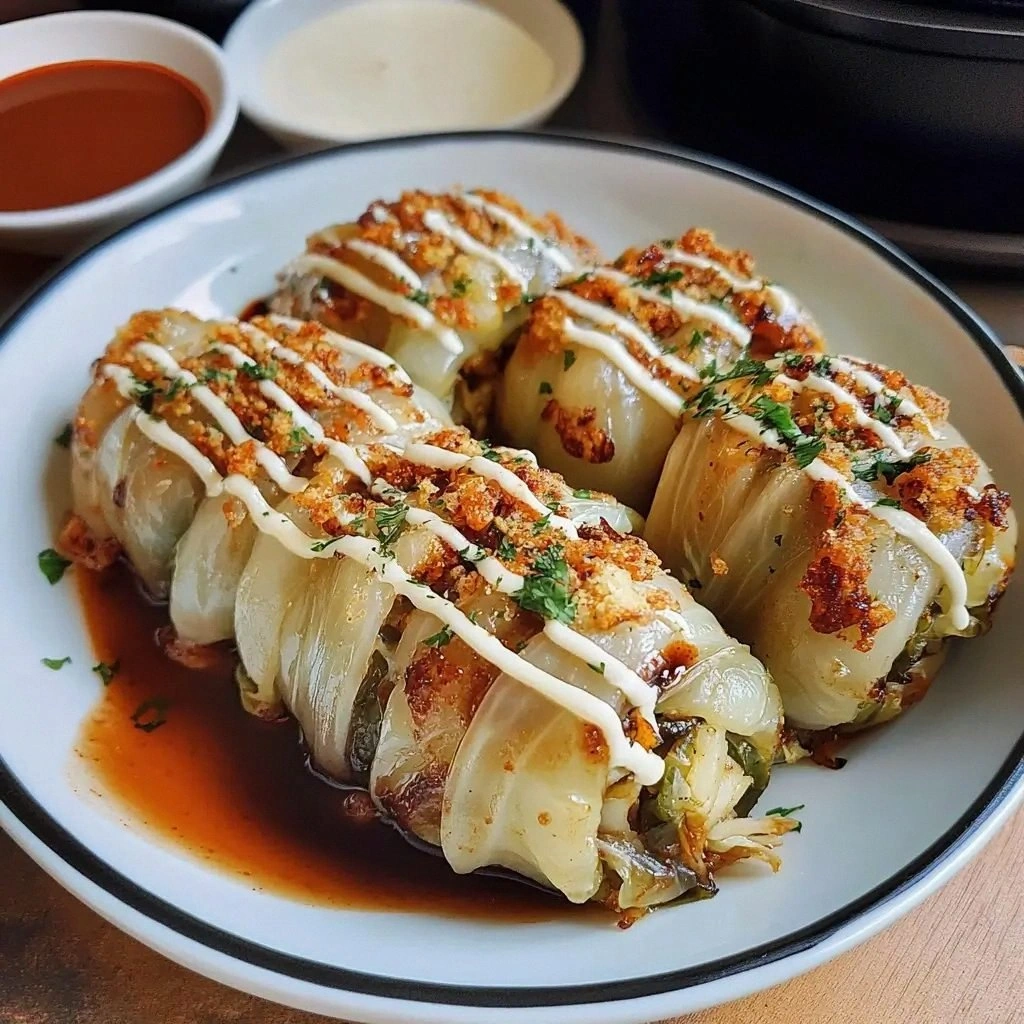
- Wrap the Rolls: Place a spoonful of the filling onto a cabbage leaf. Fold the sides over and roll tightly, tucking in the ends. Repeat until all leaves are filled. This is the moment of truth—each roll should be snug but not overstuffed.
- Braise: In a large baking dish, arrange the rolls seam‑side down. Pour the remaining sauce over them, ensuring each roll is covered. Cover tightly with foil and bake at 350°F (175°C) for 25 minutes. The sauce should steam the rolls, making them tender.
- Finish: Remove the foil, sprinkle 1 cup shredded mozzarella or cheddar over the top, and return to the oven for 5 minutes, or until the cheese is melted and bubbly.
- Serve: Garnish with chopped parsley, a drizzle of olive oil, and a wedge of lemon if desired. Plate and enjoy while hot.
That’s it — you did it. But hold on, I’ve got a few more tricks that will take this to another level…
Insider Tricks for Flawless Results
The Temperature Rule Nobody Follows
Many cooks bake at 375°F, but lowering the heat to 350°F keeps the sauce from burning while allowing the cabbage to soften perfectly. I’ve tried it on a stovetop as well; the gentle simmer ensures the filling stays moist. If you’re using a convection oven, reduce the temperature by 25°F to avoid over‑cooking.
Why Your Nose Knows Best
During the braising step, the aroma will change from sweet to slightly tangy. That’s your cue that the sauce has absorbed the flavors. If it still smells raw, give it an extra 5 minutes. Trust your nose; it’s a reliable indicator of doneness.
The 5-Minute Rest That Changes Everything
After removing the rolls from the oven, let them rest covered for 5 minutes. This allows the juices to redistribute, making each bite more succulent. I’ve seen folks skip this step and end up with dry rolls—don’t make that mistake.
Cheese Layering Secrets
If you prefer a cheese‑free version, replace the mozzarella with a sprinkle of nutritional yeast for a cheesy flavor. For a richer taste, add a dollop of ricotta on top before baking; it melts into a creamy layer.
The Perfect Fold
When rolling, start with a small amount of filling and gradually add more as you roll. This technique prevents the leaf from tearing. I’ve tried rolling too tightly; the result was a broken cabbage leaf. Keep it gentle, and the rolls will stay intact.
The Fresh Herb Finale
Add fresh herbs at the very end of baking, not before. This preserves their bright flavor and color. A pinch of dill or oregano sprinkled over the finished dish adds a pop of freshness that elevates the overall profile.
Creative Twists and Variations
This recipe is a playground. Here are some of my favorite ways to switch things up:
Mediterranean Twist
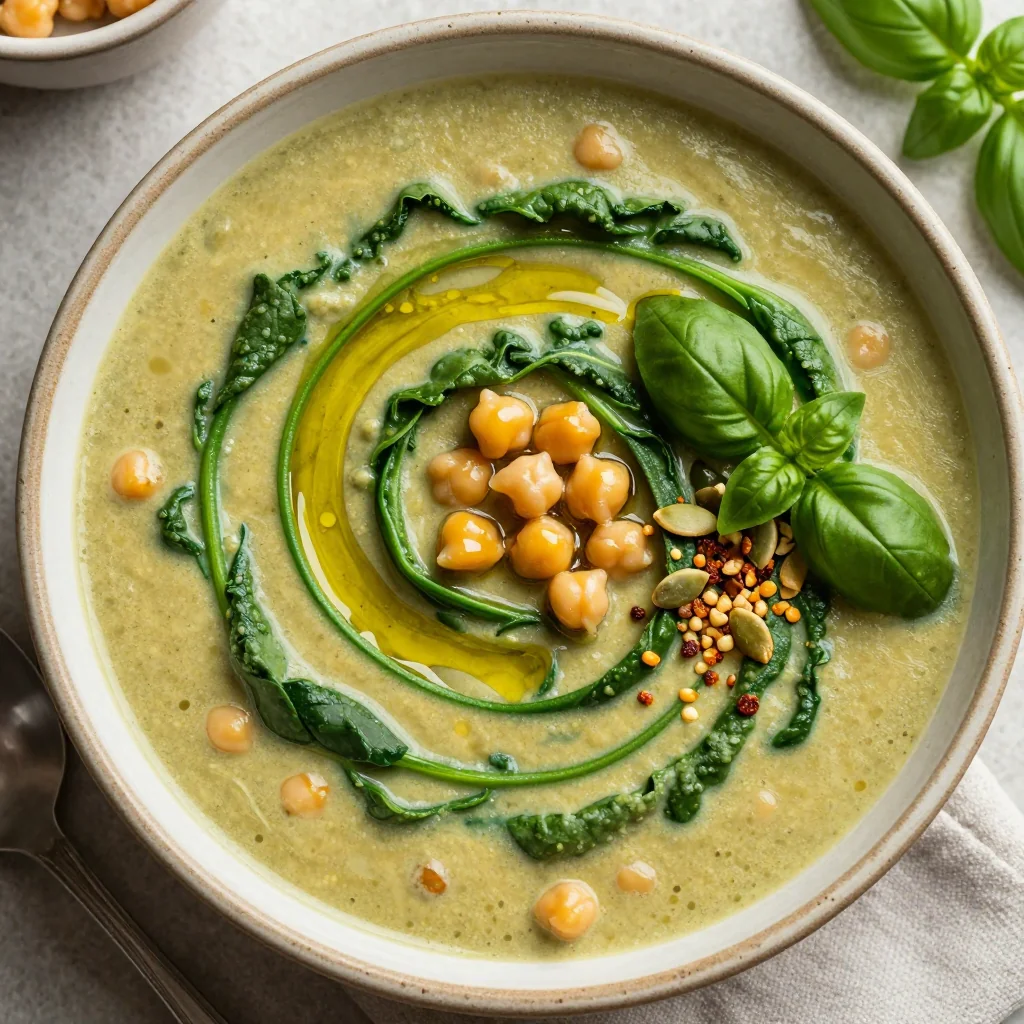
Swap the tomato sauce for a chickpea and spinach puree. Add a splash of lemon juice and a handful of chopped kalamata olives. The result is a bright, protein‑rich roll that’s perfect for a light lunch.
Spicy Korean Flavor
Replace the oregano with Korean gochujang paste and add sliced kimchi to the filling. Finish with a drizzle of sesame oil and sprinkle of toasted sesame seeds. The heat and umami will transport your taste buds to Seoul.
Nutty Stuffing
Incorporate finely chopped walnuts or pecans into the filling for a crunchy texture. Pair with a drizzle of maple syrup for a sweet‑savory balance. This variation works wonderfully for holiday gatherings.
Cheese‑Loaded Delight
Add a layer of shredded provolone between the cabbage leaf and the filling. The cheese melts into a gooey center, creating a decadent experience. Ideal for a cozy family dinner.
Low‑Carb Version
Replace the rice with cauliflower rice and use a low‑sodium tomato sauce. The dish remains hearty but cuts down on carbs significantly. It’s a win‑win for those watching their carbohydrate intake.
Storing and Bringing It Back to Life
Fridge Storage
Cool the rolls completely, then store them in an airtight container for up to 3 days. The sauce will keep the rolls moist, preventing them from drying out. When ready to eat, reheat in the microwave or on the stovetop.
Freezer Friendly
Wrap each roll tightly in plastic wrap, then place them in a freezer bag. They can be frozen for up to 2 months. Thaw overnight in the refrigerator before reheating.
Best Reheating Method
Reheat in a covered skillet over low heat, adding a splash of water or broth to create steam. This technique restores moisture and keeps the sauce from becoming too thick. Finish with a fresh sprinkle of parsley for a vibrant finish.