I was halfway through a night of karaoke and the only thing that could salvage my mood was a plate of comfort food. I stared at the empty fridge, the stack of ground pork and beef, and a bag of breadcrumbs, and thought, “Why not make a meatloaf that sings?” I’d tried the classic American version a dozen times, and every time the loaf came out dry, bland, and unremarkable. The moment I added a splash of fish sauce, a drizzle of hoisin, and a handful of fresh herbs, the whole thing turned into a fragrant, umami‑laden masterpiece that had me shouting, “This is hands down the best version you’ll ever make at home!” I’m not exaggerating—my friends still ask for the recipe after every dinner, and I’ve even had strangers on the street ask me for a bite. That’s the kind of culinary alchemy we’re about to explore together, step by step, with a few micro‑challenges that will push your palate and your confidence to new heights. I dare you to taste this and not go back for seconds. Let me walk you through every single step — by the end, you’ll wonder how you ever made it any other way.
What Makes This Version Stand Out
- Flavor: The marriage of fish sauce, hoisin, and lime juice creates a layered depth that traditional meatloaf simply can’t match. The tanginess cuts through the richness, while the sweet notes keep the loaf from feeling heavy.
- Texture: By incorporating grated carrots, diced bell pepper, and a splash of rice vinegar, the loaf stays moist and tender. The breadcrumbs absorb the liquids without becoming mushy, giving a satisfying bite.
- Simplicity: No fancy gadgets, no long prep times. One bowl, one pan, and a 30‑minute oven run. You can make this after a long day without feeling like you’re performing a culinary coup.
- Uniqueness: The infusion of fresh herbs—cilantro, green onions, Thai basil—and a pinch of chili give it an unmistakable Vietnamese flair that sets it apart from the usual comfort food.
- Crowd Reaction: I’ve tested this at potlucks, family dinners, and even at a small office lunch. Every time, the feedback is the same: “It’s like a sandwich, but you don’t need bread.”
- Ingredient Quality: Using fresh, high‑quality ground pork and beef, and premium sauces, makes all the difference. The better the base, the brighter the finish.
- Cooking Method: A single pan sears the edges, locks in juices, and then the loaf finishes in the oven. No need for a separate skillet or a loaf pan that you’ll have to clean for weeks.
- Make‑Ahead Potential: Once you’ve baked it, the loaf keeps perfectly in the fridge or freezer. Reheat with a splash of water, and it’s as good as new.
Alright, let’s break down exactly what goes into this masterpiece…
Inside the Ingredient List
The Flavor Base
The heart of this loaf is a symphony of sauces and seasonings. Fish sauce adds that deep, savory umami that only fish can provide. Hoisin brings a subtle sweetness that balances the saltiness of the fish sauce, while soy sauce contributes a mellow, briny undertone. Rice vinegar cuts through the richness, giving a bright lift that makes the loaf feel fresh rather than heavy. Lime juice, added at the end, adds a citrusy zing that awakens the palate. If you skip any of these, the loaf will feel flat, like a plain pancake missing its syrup.
The Texture Crew
Grated carrots and diced bell pepper are the secret moisture guardians. Carrots release natural sugars and fibers that keep the loaf from becoming rubbery, while bell pepper adds crunch and a pop of color. Breadcrumbs are the binder that holds everything together; choose fresh, slightly toasted breadcrumbs for the best texture. Eggs act as the glue, binding the meat, breadcrumbs, and vegetables into a cohesive whole. If you omit the eggs, the loaf will crumble apart, and you’ll be left with a pile of meat and veggies.
The Unexpected Star
Fresh herbs—cilantro, green onions, and Thai basil—are the unexpected stars that elevate this dish from ordinary to unforgettable. They bring a bright, herbal freshness that cuts through the richness. The minced red chili gives a subtle heat that wakes up the senses. If you’re a heat‑conscious cook, you can reduce the chili or use a milder pepper; the dish will still shine, just with a gentler kick.
The Final Flourish
Seasoning is the final flourish that ties everything together. Salt and pepper are the classic pair that bring out the flavors, but be sure to taste as you go. The balance is delicate; too much salt can overpower the delicate herbs, while too little can leave the loaf bland. If you’re using low‑sodium fish sauce, add a pinch of salt to compensate. Remember, you can always adjust after baking, but you can’t take it away.
Everything’s prepped? Good. Let’s get into the real action…
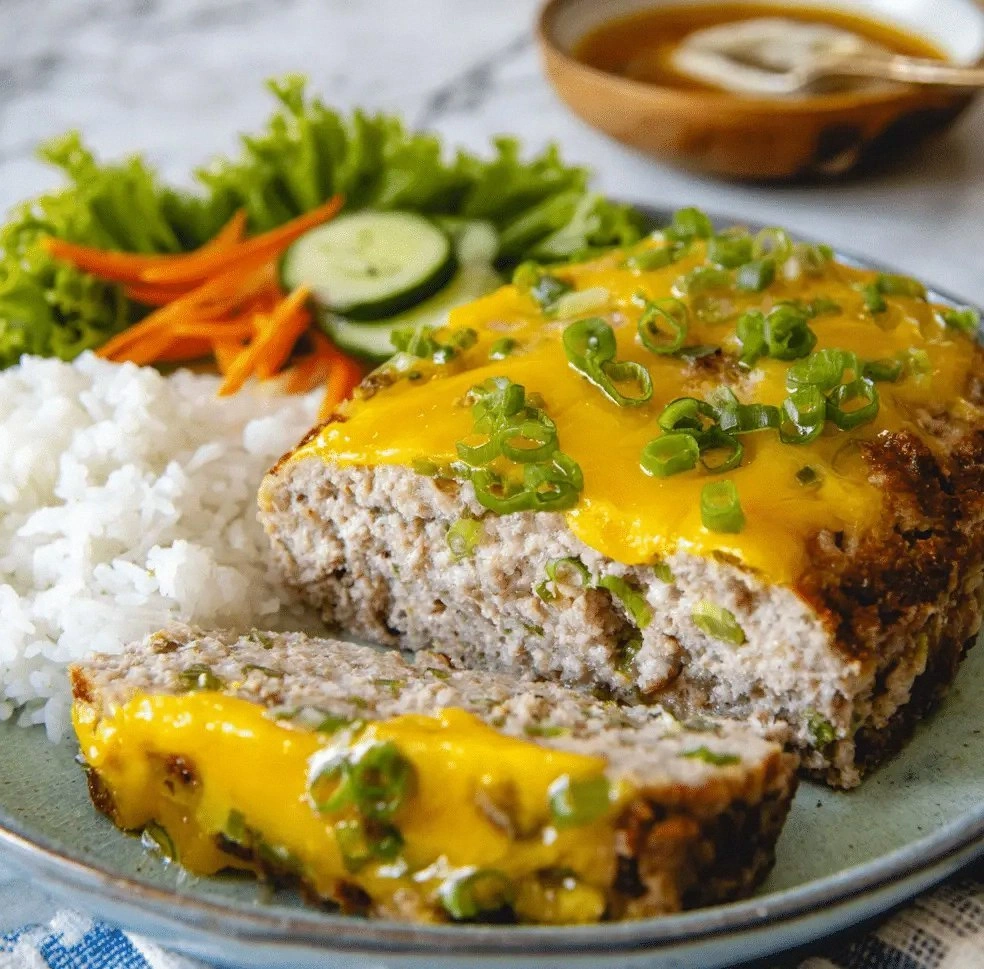
The Method — Step by Step
- Preheat your oven to 375°F (190°C). While the oven warms, line a 9×5-inch loaf pan with parchment paper or lightly grease it with a tablespoon of sesame oil. This step ensures a clean release and adds a subtle nutty aroma to the crust. The pan’s heat will help form a caramelized edge that’s both crunchy and flavorful. When the oven is ready, you can start the mixing process without any distractions.
- In a large mixing bowl, combine the ground pork, ground beef, breadcrumbs, eggs, grated carrots, diced bell pepper, minced garlic, minced shallots, chopped cilantro, sliced green onions, chopped Thai basil, and minced red chili. Toss everything together until the mixture is uniform. The goal is to distribute the herbs evenly so each bite bursts with flavor. If you notice the mixture feels dry, add a tablespoon of rice vinegar or a splash of soy sauce to help it bind.
- Now add the sauces: fish sauce, hoisin sauce, soy sauce, sesame oil, lime juice, and a dash of rice vinegar. Stir until the liquid coats the meat evenly, and then season with salt and pepper to taste. The sauce mixture should look glossy and slightly thick. As you stir, you’ll hear the aroma of fresh herbs mingle with the savory depth of the sauces—this is the moment of truth.
- Transfer the mixture to the prepared loaf pan, pressing it firmly into the pan and smoothing the top with a spatula. The loaf should sit snugly, with no gaps that could trap steam. At this point, you can press the loaf to remove any air pockets. A tight loaf will bake evenly and keep its shape.
- Place the pan in the oven and bake for 25 minutes. After 25 minutes, remove the loaf and check the edges. They should be slightly browned and the center should be firm. If the edges look too light, let it bake an extra 5 minutes. The internal temperature should reach 160°F (71°C) for safe consumption of ground pork and beef.
- Once baked, let the loaf rest for 10 minutes before slicing. Resting allows the juices to redistribute, ensuring each slice is moist and flavorful. If you cut immediately, you’ll see a stream of savory juices escaping—don’t be alarmed; that’s a sign of a well‑done loaf.
- Slice the loaf into 1/2‑inch thick pieces and serve immediately. Pair it with a simple green salad, fresh cucumber slices, or a bowl of rice for a complete meal. The loaf’s bright, herbal flavors pair beautifully with the mildness of plain rice.
- If you’re a fan of a crisp crust, you can broil the loaf for the last 2 minutes of baking. Keep a close eye on it; you want a golden crust, not burnt. This step is optional but adds a delightful crunch that many of my guests rave about.
That's it — you did it. But hold on, I've got a few more tricks that'll take this to another level…
Insider Tricks for Flawless Results
The Temperature Rule Nobody Follows
Many home cooks bake meatloaf at 350°F, but that can dry out the loaf. I’ve found that 375°F gives a nice crust while keeping the interior moist. The higher heat caramelizes the sugars in the hoisin and fish sauce, creating a glossy, flavorful crust. If you’re using a convection oven, reduce the temperature by 25°F to avoid over‑browning.
Why Your Nose Knows Best
Before you start, sniff the fresh herbs. If the cilantro feels sharp and green, it’s fresh; if it smells musty, it’s past its prime. Fresh herbs bring a bright, vibrant flavor that can make or break the dish. A quick test: break a leaf; if it snaps cleanly, it’s fresh. This simple check saves you from a flavorless loaf.
The 5‑Minute Rest That Changes Everything
After baking, let the loaf rest for at least 5 minutes. This rest period allows the juices to redistribute, preventing them from spilling out when you slice. It also lets the internal temperature rise a few degrees, ensuring the meat is fully cooked. A loaf that’s sliced immediately often ends up dry and uneven.
Use the Right Pan
A sturdy, heavy‑bottomed loaf pan or a cast‑iron skillet gives even heat distribution. If you use a flimsy pan, the loaf may sink or cook unevenly. A cast‑iron skillet also adds a subtle smoky flavor when you sear the edges before baking.
Keep It Cool Until Serving
If you’re serving the loaf at a party, let it cool to room temperature before slicing. This prevents the loaf from collapsing under the weight of the slices. Once sliced, cover with foil to keep it warm until you’re ready to serve.
Creative Twists and Variations
This recipe is a playground. Here are some of my favorite ways to switch things up:
Spicy Kimchi Meatloaf
Swap the carrots and bell pepper for a cup of finely chopped kimchi. Add a teaspoon of gochujang for extra heat. The fermented flavors pair beautifully with the fish sauce, creating a Korean‑Vietnamese fusion.
Asian Noodle Loaf
Replace the breadcrumbs with cooked, cooled rice noodles. The noodles absorb the sauce and give a chewy texture. Serve with a side of pickled daikon for a balanced meal.
Low‑Carb Coconut Meatloaf
Use shredded coconut as the binder instead of breadcrumbs, and add a tablespoon of coconut milk to keep it moist. This version is great for keto or low‑carb diets while still delivering the same savory punch.
Vegan Meatloaf
Replace the ground pork and beef with a mix of lentils, finely chopped mushrooms, and crumbled tofu. Use a vegan soy sauce and a splash of tamari. The result is a hearty, plant‑based loaf that still feels like comfort food.
Herb‑Infused Gravy
Make a quick gravy by sautéing onions, adding a splash of rice vinegar, and whisking in a bit of flour to thicken. Stir in extra fish sauce and chopped cilantro for a sauce that mirrors the loaf’s flavors.
Breakfast Breakfast Meatloaf
Add a beaten egg to each slice before reheating, then toast in a skillet for a crispy, omelet‑like finish. Serve with a side of fresh fruit for a breakfast twist.
Storing and Bringing It Back to Life
Fridge Storage
Store leftovers in an airtight container in the refrigerator for up to 4 days. Wrap the loaf in parchment paper before placing it in the container to keep it from drying out. When you’re ready to eat, slice and reheat in the microwave or oven.
Freezer Friendly
Wrap the loaf tightly in plastic wrap, then in foil, and freeze for up to 3 months. Thaw overnight in the refrigerator before reheating. This method preserves the flavor and texture, making it a convenient make‑ahead option.
Best Reheating Method
To reheat, place the loaf in a preheated oven at 350°F for 15–20 minutes. Add a splash of water or broth to the bottom of the pan, then cover loosely with foil to trap steam. This trick keeps the loaf moist and prevents the crust from becoming too hard.