I still remember the first time I tried to make traditional yakisoba at home. There I was, standing in my tiny apartment kitchen, wheat noodles sticking together like they'd been super-glued, the sauce tasting like someone had just mixed soy sauce with regret, and my smoke alarm serenading the entire building. Fast forward through three failed attempts, a very expensive takeout habit, and one fateful day when I accidentally grabbed a spaghetti squash instead of butternut at the farmers market — and boom, everything changed. What started as a kitchen mishap turned into my signature dish, the one my friends beg me to bring to potlucks, the recipe that convinced my carb-loving Italian grandmother that maybe, just maybe, vegetables could be sexy.
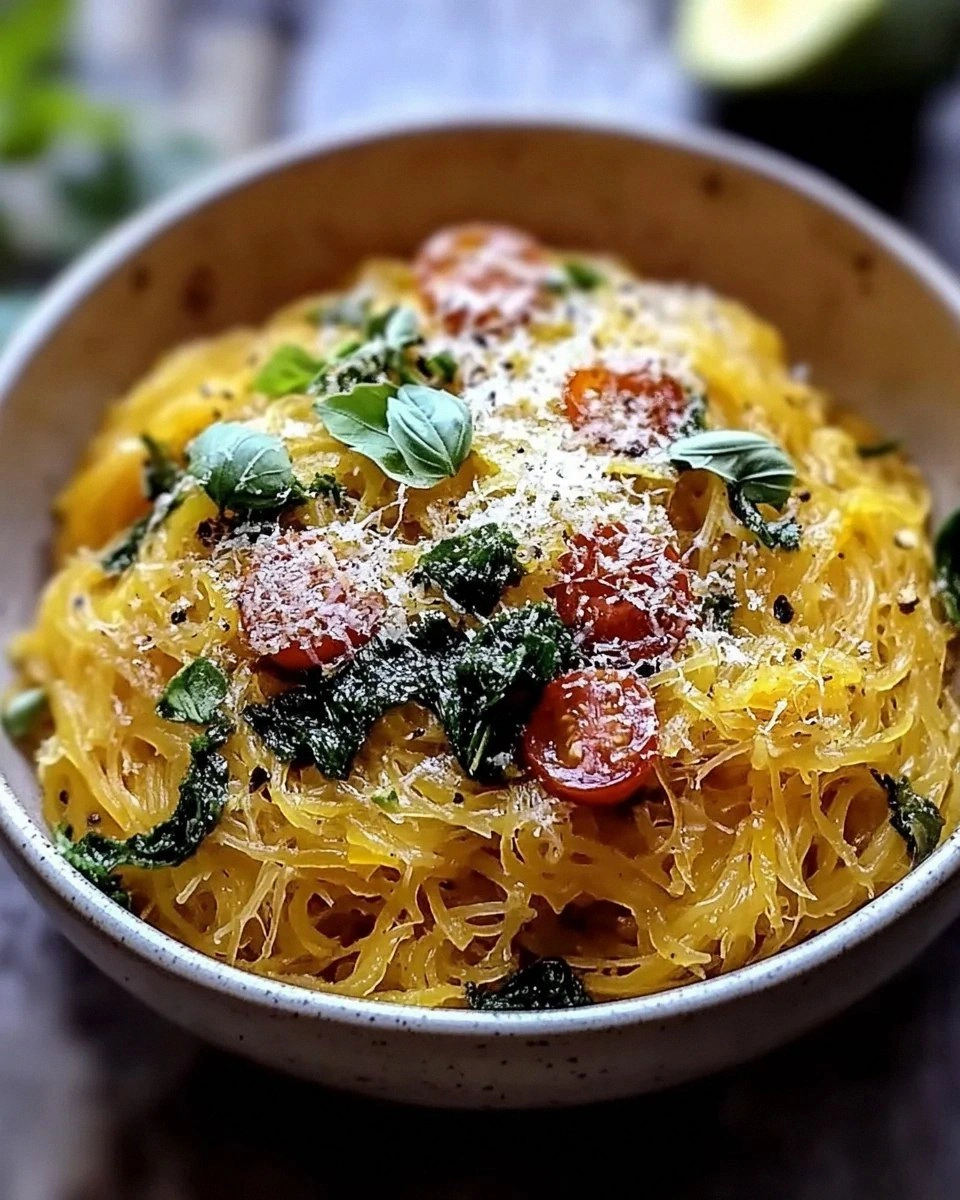
Picture this: it's 7 PM on a Tuesday, you're still wearing your work badge because you haven't had a second to breathe, and your stomach is making sounds that would embarrass a middle school boy. You want something that tastes like takeout but won't have you undoing the top button of your jeans. Enter this magical creation where tender strands of roasted spaghetti squash get tossed in a glossy, umami-packed sauce with crispy vegetables and that perfect kiss of char that makes you close your eyes when you take the first bite. The best part? You can eat a mountain of it and still feel like you could run a 5K — not that I'm suggesting you do, but you could.
Most recipes try to fake you out with watery sauces and sad, steamed vegetables that taste like hospital food. This version? We're building layers of flavor like we're constructing the world's most delicious skyscraper. We're talking about a sauce that clings to every strand like it was custom-tailored, vegetables that still have their snap and personality, and that perfect balance of sweet, salty, tangy, and savory that makes Japanese comfort food so addictive. Plus, there's something deeply satisfying about twirling those golden strands around your fork, watching them catch the sauce like little edible ribbons.
Here's the kicker — I'm about to show you how to get all that takeout magic using nothing but vegetables and a few pantry staples you probably already have. No special equipment, no hard-to-find ingredients that require a pilgrimage to three different Asian markets. Just you, your oven, and about 45 minutes standing between you and what might become your new favorite weeknight dinner. Let me walk you through every single step — by the end, you'll wonder how you ever made it any other way.
What Makes This Version Stand Out
Flavor Bomb: We're not just mixing soy sauce with sugar and calling it a day. This sauce layers Worcestershire, mirin, rice vinegar, and a touch of sesame oil to create something that tastes like it simmered for hours instead of minutes. It's that perfect balance that makes you want to lick the plate, and yes, I absolutely have.
Texture Paradise: While traditional yakisoba can go mushy faster than you can say "takeout," spaghetti squash holds its structure like a champion. Those golden strands stay separate and slurp-able, giving you that perfect noodle experience without the post-pasta food coma that makes you want to nap until tomorrow.
One-Pan Wonder: Everything happens in a single large skillet or wok, which means minimal dishes and maximum flavor. The vegetables get those gorgeous caramelized edges while the squash soaks up all the saucy goodness, and you get to feel like a kitchen ninja without the cleanup nightmare.
Crowd Shock Factor: Serve this to unsuspecting guests and watch their faces when you reveal it's all vegetables. I've seen grown adults argue with me, insisting I must have hidden noodles somewhere. The transformation is so complete, so utterly convincing, that even my ramen-obsessed teenager asks for seconds.
Ingredient Flexibility: Once you master the base, you can swap vegetables based on what's lurking in your crisper drawer. Broccoli, snap peas, mushrooms, even leftover roasted vegetables — they all play nicely together. It's like the Switzerland of recipes, making peace with whatever you've got.
Meal Prep Champion: This dish actually tastes better the next day after the flavors have had time to mingle and get cozy. Make a double batch on Sunday, portion it out, and you've got lunches that'll make your coworkers jealous all week. Just wait until you see their faces when you tell them it's healthy.
Speed Demon Status: From raw squash to dinner on the table in under an hour, including the time it takes to roast. That's faster than delivery in most cities, and definitely faster than hunting down parking at your favorite Japanese spot on a Friday night.
Alright, let's break down exactly what goes into this masterpiece...
Inside the Ingredient List
The Flavor Base
Our sauce starts with Worcestershire sauce — yes, the same stuff you put in bloody marys — but here it adds this incredible depth that makes everything taste like it's been cooking for hours. The molasses notes blend with the soy sauce to create that perfect dark, complex backbone that separates good yakisoba from great yubisoba (see what I did there?). Mirin brings a gentle sweetness and that glossy sheen that makes everything look like it belongs in a restaurant window, while rice vinegar adds brightness to cut through the richness. Skip the Worcestershire and your sauce will taste flat and one-dimensional, like a song missing its bass line.
Sesame oil might seem like a background player, but it's the difference between good and unforgettable. Just a teaspoon at the end wakes up everything else, like adding a silk ribbon to a gift. The toasted variety is non-negotiable here — regular sesame oil tastes like disappointment and broken dreams. Trust me, I tried to cheat once and ended up with a bowl that tasted like sadness with a side of regret.
The Texture Crew
Spaghetti squash is obviously the star here, but not all squash are created equal. Look for ones that feel heavy for their size with a creamy yellow color — avoid any with green tinges or soft spots that'll roast up mushy instead of toothsome. The magic happens when you roast it cut-side down, letting the steam create those perfect al dente strands that'll make you question everything you thought you knew about vegetables. Pro tip: bigger isn't always better here. Medium squash (around 2-3 pounds) give you the best texture-to-effort ratio.
For vegetables, we're building a rainbow that'll make your Instagram followers weep with joy. Red bell peppers bring sweetness and crunch, while shredded carrots add those gorgeous orange flecks that make the dish look like confetti. Cabbage might seem boring, but when it hits that hot pan, it transforms into silky ribbons with crispy edges that shatter like thin ice. Skip it and you'll miss out on that perfect textural contrast that keeps every bite interesting.
The Unexpected Star
Here's where things get wild — we're adding a spoonful of smooth almond butter to the sauce. Before you click away in horror, hear me out: it adds body and richness without any weird nutty flavor, just this incredible creaminess that makes the sauce cling to every strand like it was custom-tailored. Peanut butter works too if that's what you've got, but almond butter is more neutral and lets the other flavors shine. My neighbor swore she hated nut butters until she tried this — now she keeps a jar specifically for this recipe.
Ginger and garlic form the aromatic backbone, but we're treating them right by grating them fresh instead of using that sad pre-minced stuff. Fresh ginger adds a bright, almost citrusy heat that powdered ginger wishes it could achieve. When you grate it, all those volatile oils release into the air, making your kitchen smell like you've been transported to a Tokyo street market. The difference is like comparing a live concert to a ringtone — technically the same song, but completely different experiences.
The Final Flourish
Green onions get added at two different stages for maximum impact — the whites go in early to perfume the oil, while the greens get sprinkled on top for that fresh pop. It's like getting two ingredients for the price of one, and the contrast between cooked and raw keeps things interesting. Don't you dare use those sad, wilted ones that have been languishing in your fridge since last Tuesday. Fresh green onions should snap when you bend them, releasing that sharp, oniony aroma that makes your eyes water slightly.
Aonori (dried seaweed flakes) might sound exotic, but it's the secret weapon that makes everything taste authentically Japanese. It's like umami fairy dust, adding this incredible oceanic depth that makes you want to book a flight to Osaka immediately. Can't find it? Crushed nori sheets work in a pinch, or just skip it — but know that you're missing that final layer of flavor that makes Japanese chefs nod approvingly when they taste your dish.
Everything's prepped? Good. Let's get into the real action...
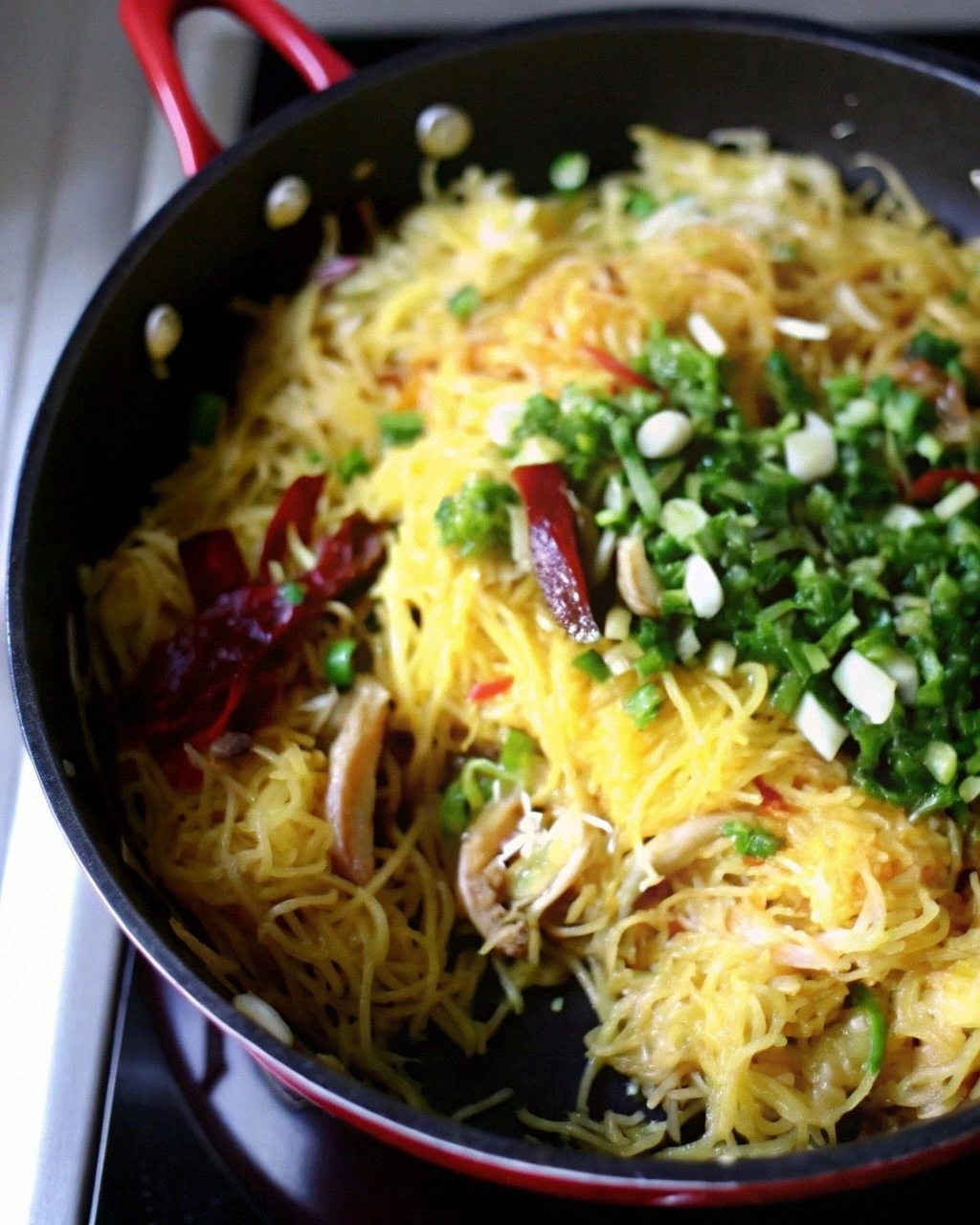
The Method — Step by Step
- Preheat your oven to 400°F and position a rack in the center. While it's heating, grab your spaghetti squash and channel your inner serial killer — we're going to stab it all over with a sharp knife, about 12-15 times. This isn't just for dramatic effect (though it is therapeutic after a long day). Those holes let steam escape during roasting, preventing squash explosions that'll have you cleaning your oven for weeks. Place the whole squash on a foil-lined baking sheet and roast for 45-50 minutes until a knife slides in with zero resistance.
- While your squash roasts, it's sauce time. In a small bowl, whisk together soy sauce, Worcestershire, mirin, rice vinegar, and that secret spoonful of almond butter. The almond butter might seize up initially — just keep whisking like your life depends on it. It'll eventually surrender and create this glossy, mahogany sauce that smells like you should bottle it and sell it. Set it aside and try not to drink it straight. I dare you to taste this and not go back for seconds.
- Heat a large skillet or wok over medium-high heat until a drop of water dances across the surface like it's auditioning for Fame. Add oil — just enough to coat the bottom — and swirl it around. When it starts to shimmer and move like liquid mercury, you're ready for action. This is the moment of truth where most people chicken out and lower the heat. Don't you dare. That high heat is what creates the wok hei, that elusive smoky flavor that makes restaurant stir-fries taste like restaurant stir-fries.
- Throw in your bell peppers and carrots, but don't crowd them. If they look lonely in the pan, congratulations — you've got it right. Crowded vegetables steam instead of sear, and we want those gorgeous caramelized edges that add depth and complexity. Let them sit undisturbed for about 2 minutes, then start tossing. That sizzle when it hits the pan? Absolute perfection. The vegetables should still have bite but sport those beautiful brown spots that make them look like they've been kissed by fire.
- Add the cabbage and the white parts of your green onions, stirring constantly for another 2-3 minutes. The cabbage will wilt down to about half its volume, turning silky and sweet. If you've done this right, you'll have a gorgeous mix of textures — tender-crisp vegetables with those coveted charred bits that taste like concentrated vegetable candy. Don't walk away from the stove here; things move fast and burnt cabbage belongs in the compost, not your dinner.
- Clear a space in the center of your pan and add the ginger and garlic. Let them sizzle for just 30 seconds — you're not trying to brown them, just bloom their aromatics. The smell should hit you like a freight train of deliciousness. Immediately dump in your sauce and bring it to a rapid simmer. It'll bubble up enthusiastically, reducing slightly and becoming glossy and thick enough to coat the back of a spoon.
- By now your squash should be done. Remove it from the oven (carefully — it's basically a vegetable hot water bottle) and let it cool for 5 minutes or until you can handle it without swearing. Cut it in half lengthwise and marvel at how those golden strands look exactly like pasta. Use a fork to scrape out the flesh, fluffing it into spaghetti-like strands. They should separate easily and have the texture of perfectly al dente pasta. If they're mushy, you've gone too far — better luck next time.
- Add the spaghetti squash strands to your pan and toss everything together like you're on a cooking show. The sauce should coat every strand evenly, turning everything a gorgeous mahogany color. Keep tossing for 2-3 minutes until everything is heated through and the squash has absorbed some of that incredible sauce. Taste and adjust seasoning — you might want a splash more soy sauce or a pinch of sugar depending on your vegetables' sweetness.
- Remove from heat and immediately drizzle with sesame oil. This is crucial — adding it at the end preserves its delicate flavor. Toss in most of the green onion tops, saving some for garnish. The residual heat will soften them slightly while keeping their bright color and fresh bite. Serve in shallow bowls, topped with the remaining green onions and a sprinkle of aonori if you're feeling fancy. Picture yourself pulling this out of the oven, the whole kitchen smelling incredible...
That's it — you did it. But hold on, I've got a few more tricks that'll take this to another level...
Insider Tricks for Flawless Results
The Temperature Rule Nobody Follows
Here's the thing that separates restaurant-quality results from sad, watery home cooking: your ingredients need to be at room temperature before they hit the pan. Cold vegetables lower the pan temperature, causing them to release their moisture instead of searing. Take your vegetables out of the fridge 20 minutes before cooking, and you'll get that perfect caramelization that makes people think you've got secret chef training. A friend tried skipping this step once — let's just say it didn't end well, and she ended up with something that resembled vegetable soup more than stir-fry.
Why Your Nose Knows Best
Don't underestimate the power of aromatics. When you add ginger and garlic, hover over the pan for exactly 15 seconds. You should smell them bloom — it's like perfume for your food. If you don't get that aromatic punch, your ginger is old and you need to toss it. Fresh ginger should smell bright and almost citrusy, not musty or dull. This is your quality control checkpoint, and trust me, your taste buds will know the difference between vibrant aromatics and the sad, dried-out stuff that's been sitting in your produce drawer since last month.
The 5-Minute Rest That Changes Everything
After you toss everything together, resist the urge to serve immediately. Let it rest off the heat for 5 minutes — this allows the flavors to meld and the sauce to thicken slightly as it cools. It's like letting a steak rest, but for vegetables. During this time, the spaghetti squash absorbs just enough sauce to become flavorful without getting soggy. Cover it loosely with foil if you're worried about it cooling too much, but don't seal it completely or you'll steam everything and lose that perfect texture we worked so hard to achieve.
The Crowd Control Secret
If you're cooking for more than two people, work in batches. Overcrowding the pan is the fastest way to steamed, sad vegetables instead of gloriously charred ones. Cook your vegetables in two batches, then combine them at the end with the sauce. Yes, it takes a few extra minutes, but the difference is like comparing a home printer to a professional photo lab — both technically work, but one gives you results that make people ask questions.
Creative Twists and Variations
This recipe is a playground. Here are some of my favorite ways to switch things up:
The Protein Powerhouse
Add cubes of firm tofu that you've pressed and pan-fried until golden. They soak up the sauce like little sponges and turn this from a side dish into a complete meal. Chicken works too — just cook it first, set it aside, and add it back at the end. Shrimp is incredible here, but add it during the last 2 minutes of cooking so it stays tender and doesn't turn into rubbery disappointment.
The Heat Seeker's Dream
Stir in a tablespoon of gochujang with your sauce for a Korean-Japanese fusion that'll make your lips tingle in the best way. Top with sliced fresh chilies and a shower of cilantro. If you've ever struggled with adding heat without overwhelming the other flavors, you're not alone — and I've got the fix. The gochujang adds depth and complexity, not just raw heat.
The Umami Bomb
Add a handful of sliced shiitake mushrooms when you cook the bell peppers. They'll release their earthy, meaty flavor and turn this into something that satisfies even the most dedicated carnivores. Dried shiitakes work too — just rehydrate them in hot water for 20 minutes first, and save that soaking liquid to add body to your sauce.
The Breakfast Remix
Leftovers get a second life when you top them with a runny fried egg. The yolk creates an instant sauce that takes this into weekend brunch territory. Add a side of pickled ginger and you've got something that'll cure any hangover. I'll be honest — I ate half the batch before anyone else got to try it when I discovered this variation.
The Green Machine
Swap half the cabbage for baby spinach or kale in the last minute of cooking. It wilts down and adds nutrients without changing the flavor profile significantly. This is how I trick my kids into eating greens — they think it's just part of the "noodles."
The Sweet and Sour Twist
Add a tablespoon of pineapple juice to your sauce and swap the bell peppers for fresh pineapple chunks. The sweet-tart combo is addictive, and the pineapple caramelizes beautifully in the hot pan. This version is particularly good with pork if you're not keeping it vegetarian.
Storing and Bringing It Back to Life
Fridge Storage
Store leftovers in an airtight container for up to 4 days, though it's never lasted that long in my house. The key is letting it cool completely before refrigerating — hot food in cold containers creates condensation that leads to soggy vegetables. Spread it out on a plate for 10 minutes first, then transfer to your container. Most recipes tell you to eat leftovers within 3 days, but this one actually improves with a day in the fridge as the flavors meld.
Freezer Friendly
While you can freeze this, the texture of the vegetables suffers — they get a bit mushy upon thawing. If you must freeze, do it without the sesame oil drizzle, and add that fresh when you reheat. Freeze in individual portions for up to 2 months, and thaw overnight in the fridge. It's not as perfect as fresh, but it's miles better than a sad desk sandwich on a busy Tuesday.
Best Reheating Method
Add a tiny splash of water before reheating — it steams back to perfection. Microwave works in a pinch, but a hot skillet is better. Heat a dry pan until hot, add your leftovers, and toss for 2-3 minutes until heated through. The direct heat brings back some of that fresh-cooked texture and prevents the dreaded microwave mush. If you've ever struggled with soggy leftovers, you're not alone — and I've got the fix.